
Volkswagen Bora Export Guide for Dealers and Fleet Buyers
Buy a Volkswagen Bora from China with confidence: compare trims, engines, DSG options, live export pricing, MOQ, shipping and compliance checks.
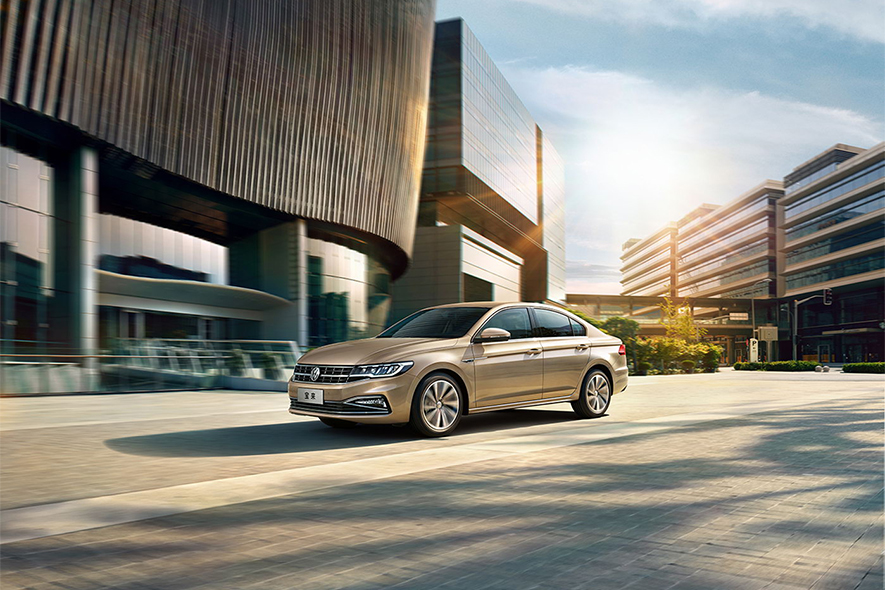
At a glance
- The Volkswagen Bora for export sits in the mainstream compact-sedan segment.
- Buyers can compare 1.5L, 1.6L, and turbocharged TSI configurations with manual, automatic, or DSG transmissions.
- New stock suits standardized fleets, while used cars require closer condition and history checks.
- Live per-unit pricing depends on exact specification, condition, commercial terms, freight, and destination charges.
- MOQ and availability are listing-specific and should be confirmed before payment.
- Registration, steering-side approval, local parts support, and aftersales coverage can decide whether an export case works.
Why the Volkswagen Bora matters for export markets
The Volkswagen Bora is a compact sedan positioned around practical, mainstream buyers rather than the premium or performance end of the market. Its export appeal comes from a familiar Volkswagen badge, a conventional three-box layout, and a choice of gasoline engines, automatic transmissions, manuals, and DSG versions. That combination can suit distributors building a private-car range and fleet buyers seeking a recognizable model with straightforward operating costs. It is especially relevant where compact sedans have strong customer acceptance; in markets dominated by SUVs or where Volkswagen has a weak service network, its case can be weaker.
For overseas buyers, the Bora should be evaluated as a China-market product that may need adaptation, not as a drop-in version of every Volkswagen sold elsewhere. Chinese-spec trims can offer generous equipment and multiple gearbox choices, but equipment, software, materials, and option bundles may differ from locally assembled models. Fleet demand also depends on predictable servicing, access to common parts, and whether the vehicle’s emissions specification is accepted locally. These conditions explain why the model can be commercially relevant in some export markets without being equally attractive in every country.
The strongest buying case is where the importer can combine competitive vehicle acquisition with a credible after-sales plan. Before committing, check whether replacement wear parts, service procedures, diagnostic equipment, and electronic software support are obtainable for the exact China-spec vehicle. Also compare local tax treatment, fuel availability, insurance categories, and residual-value expectations against established alternatives. The Bora is generally a value-and-volume proposition: it can be rational when total operating and compliance costs are understood, but it is not automatically the cheapest compact sedan once shipping, taxes, registration, and repairs are included.
- Mainstream compact-sedan positioning
- Multiple gasoline and transmission options
- Aftersales support determines export viability
Model range, trims and powertrain variants: how the lineup is structured and how to choose
The Bora range is organized around recognizable trim families—Comfort, Fashion, Legend, Smart, Elite, Yuexing, Joy Ride, Prestige, and Premium—rather than a single global specification. Some names combine with 1.5L or 1.6L automatic and manual variants, while the 200TSI, 280TSI, and 300TSI designations identify the turbocharged DSG side of the lineup. Trim labels describe a hierarchy, but the exact equipment list must be checked for the model year and facelift. Do not assume that similarly named editions in different years are functionally identical, because equipment bundles and availability can change between production periods.
Engine choice should follow the duty cycle and the driver profile. The 1.5L and 1.6L units are generally the simpler, naturally aspirated side of the range, with manual or automatic versions aimed at broad usability. TSI editions pair turbocharged engines with a DSG, which may suit buyers who prioritize efficiency, smooth shifting, and higher equipment levels. Exact output, torque, emissions, gearbox type, and drivetrain should still be confirmed in the live listing because designation alone does not establish the final specification for the exact unit being sold or shipped to the buyer.
For selection, first separate the three decisions: body and model year, engine/transmission, then trim. A buyer prioritizing low acquisition cost and simple operation may focus on an older or lower-trim car, while a fleet wanting newer technology may choose a later facelift with a DSG. Test-drive behavior matters because the manual, automatic, and DSG have different controls and characteristics. Before placing an order, request a complete equipment sheet, confirm the steering side, and reconcile every option shown in photographs with the vehicle identity and VIN before any payment or shipment commitment.
- Trim ladder runs from Comfort to Premium
- 1.5L, 1.6L, and turbocharged TSI choices
- Manual, automatic, and DSG transmissions
New vs used Volkswagen Bora: how export inventory is structured and how buyers choose
Export inventory for the Bora can include factory-new vehicles, unregistered or demonstration stock, and used cars from earlier model years. The labels “new” and “used” are only a starting point. A new designation should be checked against road-registration status, while an older unit should be assessed by registration history, ownership, odometer, service records, and cosmetic condition. Because model-year and condition bands affect value, importers should compare like with like rather than treating every Bora listing as the same product before calculating landed cost or resale assumptions for the destination market.
A used Bora can suit a buyer with a limited initial budget, a small fleet pilot, or a strong preference for an established calibration. The trade-off is uncertainty: age brings mechanical wear, possible maintenance debt, and a narrower or less predictable parts history than a new car. Inspect panel alignment, paint, glass, tires, brakes, underbody condition, fluid leaks, and cabin wear. Ask for the odometer reading in kilometres, service invoices, title documents, and evidence of any dealer, fleet, or private use. A clean inspection should also confirm that the mileage has not been reset.
New inventory is usually the cleaner route for company fleets because specification, paint, mileage, and warranty can be standardized before shipment. It also reduces immediate repair exposure, although that benefit depends on pre-delivery inspection and correct storage of cars awaiting loading. Dealers should ask whether the unit is truly unused, whether it has a start date, whether factory warranty applies locally, and whether the 12-volt battery, tires, glass, and visible panels match the declared condition. For a mixed fleet, standardize one engine, transmission, trim, and equipment level to simplify training and parts planning.
- Confirm whether new stock is road-registered
- Used cars require history and condition checks
- Standardize fleets before shipment
How export pricing works: the factors behind a live listing price, and how to read one
An export listing price is the starting point for a specific vehicle, not a universal Bora price. The main variables are model year, trim, engine, transmission, mileage and condition for used cars, optional equipment, paint choice, and the supplier’s commercial terms. External factors such as exchange rates, freight space, insurance, port charges, and destination taxes can change the final landed amount. A two- or three-year-old automatic and a later DSG premium edition are therefore not comparable simply because both wear the Bora name; match the exact configuration before judging value.
Read a live quotation in layers. First confirm whether it is FOB, CIF, or an Incoterm, because responsibility for freight, insurance, and risk transfer changes at a point. Then separate the vehicle price from destination charges such as customs duty, VAT or sales tax, port fees, registration, inland delivery, and insurance. Ask what is excluded, what documentation is included, and whether the quoted currency or exchange-rate basis remains valid until payment. The current binding amount, minimum order, and availability should be taken from the live listing, not from a comparison or a market average.
Price negotiation should follow technical comparison. Ask the supplier to restate the model year, engine, transmission, trim, mileage if applicable, steering side, options, condition, and Incoterm on the quotation. Photograph the VIN, odometer, and visible condition, and require any promised repair, accessory, or discount to appear in the written invoice. This prevents a lower headline figure from being offset by omitted equipment, a weaker warranty, or a charge that was assumed to be included. Use the live Volkswagen Bora listings to shortlist units, then request a destination-specific quote for the one you intend to buy.
- Compare equivalent model years and trims
- Separate vehicle price from landed cost
- Confirm current per-unit terms
MOQ, ordering and payment: single units vs consolidating a container
Minimum order quantity is a supplier term attached to an offer, not a fixed property of every Bora; any Volkswagen Bora wholesale quotation is therefore vehicle-specific. A live listing may accept a single vehicle, while others may require a batch or mix constraint. Check each listing’s MOQ and obtain written confirmation before payment, especially when combining SKUs. For a first import, a single-unit purchase can reduce capital exposure and test customer acceptance; for a rollout, volume terms may improve unit logistics, but savings should be weighed against slower turnover and more complex reconciliation.
Consolidating several Boras into one container can simplify freight handling, but it changes the commercial risk. Mixed buyers should agree on model year, trim, engine, transmission, paint, option list, and steering side before loading; otherwise each vehicle may need separate customs treatment, spare-part planning, and marketing. Container space creates a difference between paying for a vehicle and paying for unused capacity. Compare the seller’s consolidated freight quote with independent options for the same destination, and confirm who arranges loading, lashing, insurance, inspection, and release at the destination, including any port or terminal fees.
A sound ordering workflow separates commercial approval, vehicle verification, and payment. Review the live listing and seller identity, obtain the final pro forma invoice, confirm the beneficiary and refund terms, and specify the inspection evidence required before release. Follow the platform’s documented payment sequence and never rely on an informal side promise about condition or delivery. The balance should be linked to the agreed inspection and document milestones, while title, export declaration, VIN, and handover records should be reconciled carefully. If a deposit is refundable, ensure the deadline and conditions are explicit.
Shipping, homologation and market compliance caveats: LHD/RHD and import rules by country
Vehicle shipping arrangements depend on volume and destination. Full-container shipments suit regular importer programs; roll-on/roll-off vessels and shared or consolidated approaches may suit smaller movements, subject to carrier acceptance and cargo availability. Transit time is shaped by port pairs, sailing frequency, transshipment, congestion, customs clearance, and inland delivery—not simply by vehicle model. Freight quotations should state the origin and destination ports, container or vehicle capacity, securing, insurance, and included terminal charges. Compare the complete door-to-door plan for the imported vehicle, including final handover, rather than the ocean leg alone.
Steering configuration is a critical sourcing question. Most Chinese-market examples are configured for their home market, so a buyer requiring right-hand drive should not assume a normal Bora listing can be registered unchanged. Confirm the steering side in the VIN-level photographs and purchase specification. Some markets permit limited conversion, but alteration can affect safety approval, warranty, residual value, and insurance. Where a right-hand-drive version is not readily available, the importer must decide whether to source another model, accept a compliant conversion, or target a left-hand-drive market before committing to freight.
China VI labeling on some Bora versions does not by itself establish destination-market approval. Importers should obtain a written homologation assessment covering emissions, roadworthiness, lighting, safety equipment, noise, software, VIN format, and local type approval, then verify customs classification, tariff treatment, taxes, and registration rules with a broker. Dealer aftersales and warranty should also be confirmed for the exact specification. A vehicle that clears customs may still face resale or registration constraints if its steering side, equipment, or emissions documentation does not satisfy local rules in the intended operating market.
- Verify steering side before shipment
- Check China VI acceptance
- Budget duties, registration, and service support
Who should buy the Bora — and who should pick a different vehicle
The Bora is a good fit for an importer seeking a mainstream Volkswagen compact sedan with a potentially favorable vehicle-acquisition proposition and several powertrain choices. It can suit company-car programs, rental or shared-mobility fleets, and independent dealers serving customers who recognize the marque but want a practical four-door saloon. Buyers with strong knowledge of Chinese specifications may also value the broad trim ladder and the availability of manual, automatic, or DSG choices. These advantages matter only when the vehicle can be registered, serviced, and resold in the intended market without hidden compliance costs.
It is a weaker choice for buyers who require a plug-in hybrid or battery-electric powertrain, because the Bora range represented here is gasoline-powered. It may also suit poorly a fleet operator needing advanced driver-assistance features, a specific European equipment standard, or a mature nationwide Volkswagen parts network that can support the exact China-spec car. Large-cargo needs, premium performance, and very low operating costs are better served by another body style or powertrain. A buyer should not accept an unavailable steering side, unsupported software, or unclear documentation simply to preserve the Bora badge.
A sound purchase decision starts with a use-case scorecard. Compare the shortlisted Bora against a locally sourced rival using purchase price, freight and duty, expected fuel use, maintenance intervals, insurance, residual value, and aftersales access. For a company pilot, prioritize uniform specifications and the ability to inspect every car before loading; for resale, prioritize model-year consistency, popular trim, paint, and a documented service history. The right Bora is therefore not the newest or most powerful example automatically, but the configuration whose specification, compliance, and running costs align with the buyer’s market.
Main rivals and how the Bora compares
The Toyota Corolla is the most globally familiar rival in this class. It is often easier for buyers to compare because it is widely sold, with established parts and residual-value expectations in many markets. A China-spec Bora may offer a different equipment balance, transmission choice, and acquisition proposition, but the Corolla’s local service footprint can reduce operational risk. Choose the Corolla when local availability and ownership familiarity outweigh the Bora’s specification advantages; evaluate both on landed cost and after-sales support in the destination country and resale assumptions.
The Hyundai Elantra is another compact-sedan competitor, often attractive where Hyundai products are familiar to local fleet customers. Depending on the market, a locally sourced Elantra may offer simpler homologation, common parts, and established financing or service networks. The Bora can compete through Volkswagen branding, a broad trim range, and manual, automatic, or DSG options that may not be offered consistently by the rival. The decision should reflect local fuel economy, warranty coverage, parts lead times, and resale data rather than an assumption that one brand is always more exportable.
The Mazda3 is a closer alternative for buyers who prioritize styling, driving character, and a more design-led compact-car image. It is positioned above the most value-focused Bora configurations, and hatchback availability may not match sedan demand, so the comparison should be made with the body and trim. The Bora may offer a practical case when fleet standardization, lower acquisition cost, or Chinese-market equipment value matters. Before deciding, test-drive equivalent cars, confirm each vehicle’s local warranty and equipment, and compare the cost of parts and insurance over the intended ownership period.
- Corolla emphasizes global familiarity
- Elantra targets fleet familiarity
- Mazda3 emphasizes design and driving
Live Volkswagen Bora export inventory
View all listings →Real units currently on ChinaCarDirect with per-unit asking prices and MOQ. Availability updates live from the catalogue.
How to buy a Volkswagen Bora from China
-
1
Set the destination and use case
Identify the destination country, required steering side, fuel rules, customer segment, and expected holding period. This establishes which Bora specifications and compliance routes are commercially relevant.
-
2
Shortlist equivalent live listings
Compare vehicles with matching model year, engine, transmission, trim, condition, and steering configuration. Use the live inventory to review current per-unit terms and availability rather than relying on an old market summary.
-
3
Verify identity, condition, and history
Request the VIN, registration status, odometer, equipment sheet, ownership history, service records, and clear photographs. For used cars, include a mechanical inspection and document any disclosed damage.
-
4
Request a destination-specific quotation
Ask the supplier to state the vehicle price, Incoterm, currency, freight basis, insurance, documentation, and excluded destination charges. Require any repair, accessory, discount, or warranty commitment to appear in the written quotation.
-
5
Confirm MOQ and payment terms
Confirm the MOQ, accepted model mix, deposit, balance milestone, beneficiary, refund conditions, and cancellation terms in writing. Follow the platform’s documented payment sequence and reconcile all invoices with the selected unit.
-
6
Inspect and arrange shipment
Complete the agreed pre-shipment inspection and reconcile the VIN, condition, options, and export documents before release. Confirm loading, securing, freight insurance, ports, delivery terms, and who covers terminal and inland charges.
-
7
Complete customs and registration
Use a destination broker to confirm classification, duties, taxes, conformity requirements, insurance, and registration. Before releasing vehicles to customers, verify that the homologation, VIN, steering configuration, and warranty records match local rules.
Bora vs rivals
| Toyota Corolla | The Corolla is the most globally familiar rival and often benefits from established local parts and residual-value expectations. A locally sourced Corolla may reduce service risk, while a China-spec Bora may offer a different equipment and powertrain balance. |
|---|---|
| Hyundai Elantra | The Elantra competes directly for fleet and private buyers where Hyundai is established. The Bora’s Volkswagen branding and wider gearbox choices can appeal, but local homologation and parts support may favor the Elantra. |
| Mazda3 | The Mazda3 emphasizes styling and driver appeal and is often positioned above value-focused Boras. Choose the Bora for practical standardization and acquisition value, or the Mazda3 for design-led positioning, subject to landed cost and body availability. |
Frequently asked questions
How is Volkswagen Bora export pricing determined?
Pricing depends on model year, trim, engine, transmission, condition or mileage, equipment, seller terms, exchange rates, freight, insurance, and destination charges. Current per-unit price, MOQ, and availability are shown in the live inventory on ChinaCarDirect. Request a written quotation tied to the chosen vehicle, destination, and Incoterm.
Which Volkswagen Bora engines and transmissions are available?
The China-market range includes 1.5L and 1.6L engines and turbocharged 200TSI, 280TSI, and 300TSI versions, with manual, automatic, or DSG transmissions depending on configuration. A designation alone does not confirm final output, gearbox details, emissions, or homologation, so verify the exact listing and VIN.
What are the main trade-offs between a new and used Volkswagen Bora?
A new Bora offers lower initial wear, clearer specification, and more standardized fleet purchasing, while warranty coverage must still be confirmed for the destination. A used Bora may reduce initial acquisition exposure but adds maintenance, mileage, ownership-history, and condition risks. Compare equivalent vehicles using inspection evidence and landed-cost calculations.
How does MOQ work for Volkswagen Bora orders?
MOQ is attached to a specific supplier offer rather than to the model as a whole. A live listing may accept a single vehicle, while multi-vehicle programs can impose batch or model-mix conditions. Confirm the current MOQ on the selected listing and repeat it in the pro forma invoice before payment.
What determines shipping time and cost for a Volkswagen Bora?
Shipping time and cost vary with the transport mode, origin and destination ports, sailing availability, transshipment, congestion, customs clearance, insurance, terminal charges, and inland delivery. Request a door-to-door quotation with the Incoterm, included services, and excluded charges clearly stated.
Are spare parts readily available for China-spec Volkswagen Bora cars?
Parts availability depends on the model year, engine, trim, and supplier network rather than the Volkswagen badge alone. Before shipment, request maintenance schedules, key part numbers, electronic and software support, and the applicable warranty process. A local Volkswagen dealer may not stock every component used in the China-spec car.
Is a right-hand-drive Volkswagen Bora available for export?
Most China-market Bora examples are left-hand drive, and right-hand-drive availability varies by source. Confirm the steering configuration in the vehicle photographs and purchase specification, then assess local type-approval and conversion rules. If a compliant right-hand-drive car cannot be sourced, choose another model or destination market.
How do I buy a Volkswagen Bora from China?
Start with the live listings, compare equivalent vehicles, and request a destination-specific quote for the selected unit. Verify the VIN, condition, documents, MOQ, payment milestones, inspection requirements, and shipping terms before authorizing release. ChinaCarDirect can then prepare an RFQ for the chosen configuration and destination.
Ready to source the Volkswagen Bora?
Request a current Volkswagen Bora quotation for your destination, preferred specification, and required quantity.
Request a quote