
Volkswagen Golf Export Guide for Dealers and Fleet Buyers
Buy Volkswagen Golf from China with practical guidance on trims, export pricing factors, MOQ, shipping, homologation and the right model for overseas dealers.
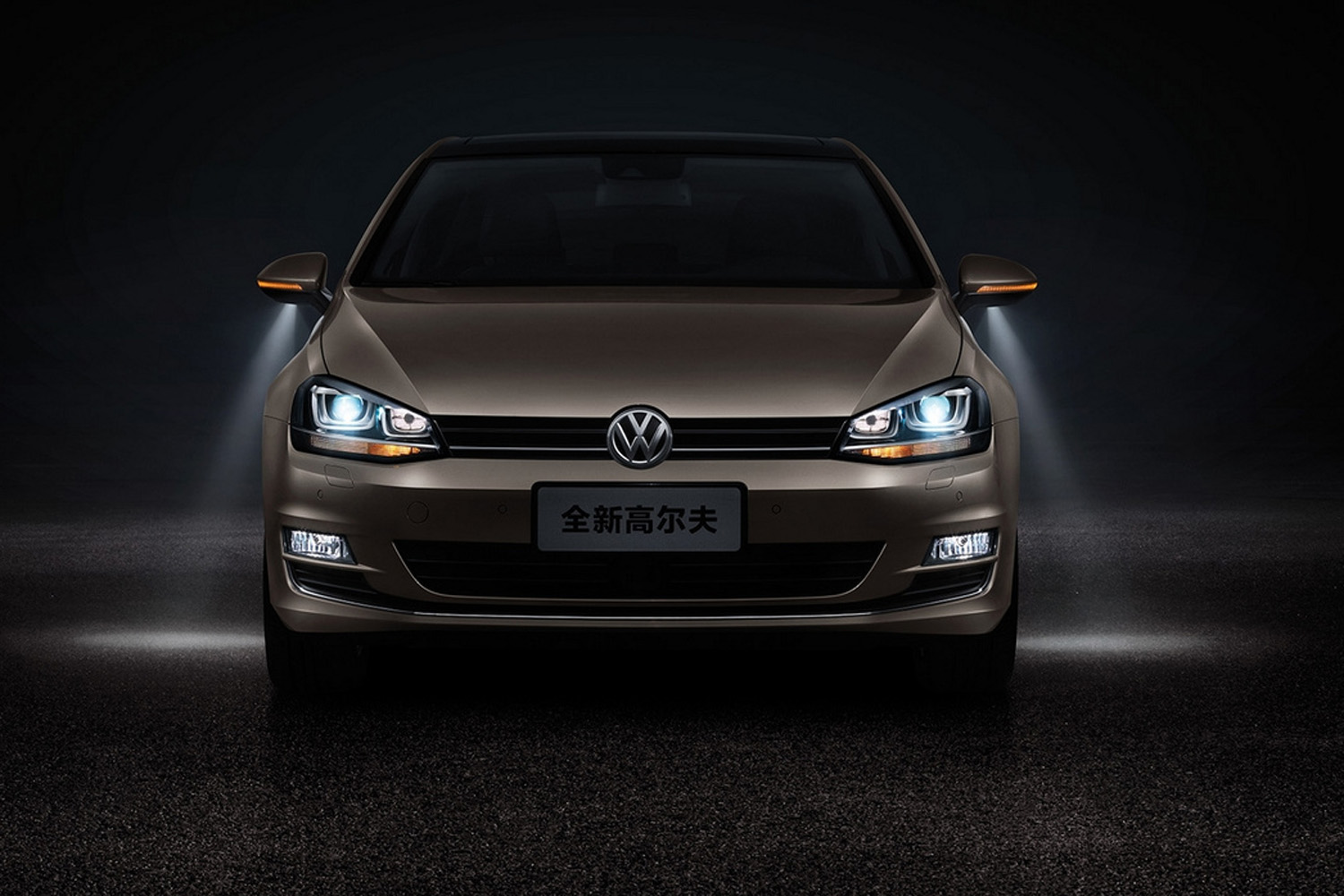
At a glance
- The Golf combines a compact footprint, petrol powertrains and a globally familiar model identity.
- China-linked choices include hatchback, Sportsvan/wagon, convertible, R-Line and GTI variants.
- Exact trim and condition should drive comparisons, with landed cost calculated beyond the headline ask.
- MOQ, payment milestones, freight responsibility and return terms must be confirmed per listing.
- LHD/RHD suitability, Chinese registration documents and destination homologation determine importability.
Why the Volkswagen Golf matters for export markets
The Volkswagen Golf is a benchmark compact hatchback for overseas buyers who want a versatile, right-sized vehicle rather than a large fleet machine. Its appeal comes from a familiar package: manageable exterior dimensions, a practical five-door layout, efficient petrol powertrains and a driving position that suits both urban use and longer road trips. For importers, the Golf also provides a clear customer proposition: a recognizable global model with an established dealer and aftersales network in many destination markets. That combination makes model evaluation easier where the name is already familiar.
Global demand is strongest where buyers value a compact footprint, fuel economy, driver engagement and straightforward serviceability. The Golf hatchback competes directly with established C-segment models, while the Sportsvan/wagon format adds cargo flexibility for fleet users and the convertible appeals to a narrower lifestyle segment. China-market examples include Progressive, Comfort, Luxury, R-Line and GTI-oriented grades, so a buyer should match the actual vehicle rather than rely on a generic Golf badge. Trim labels are China-specific and should not be assumed to equal versions sold in Europe, North America or other regions.
For buyers evaluating a Volkswagen Golf for export, the model's importance is also commercial: a widely understood model can support faster staff training, easier spare-parts planning and more realistic residual-value assumptions than an obscure model. That does not remove due diligence. Chinese-built cars can differ in suspension, infotainment, emissions equipment and equipment content, and used examples may reflect several ownership histories. The right export decision therefore starts with destination-market demand and homologation, then narrows to the exact year, body, engine, transmission, condition and document package. Review those items before discussing freight or commercial terms.
- Compare hatchback, Sportsvan and convertible use cases.
- Map China trims to destination-market equivalents.
- Confirm serviceability before finalizing model mix.
Model range, trims and powertrain variants: how the lineup is structured and how to choose
The China-linked Golf line-up spans more than the standard five-door hatchback. The available naming includes Sportsvan and wagon versions, a convertible edition, R-Line-styled cars, GTI variants and special editions. Petrol engines are listed from 1.4-litre and 1.6-litre units through 1.8-litre and 2.0-litre TSI applications, with conventional automatic or DSG transmissions according to the car. Exact engine output, gear count and drivetrain must be taken from the individual vehicle rather than inferred from the trim label. This matters because a 2019 R-Line and a later GTI can share the model name while differing materially in powertrain, equipment and compliance.
Start with the body style and use case before comparing trims. The five-door hatchback format suits private buyers and company fleets that value easy parking; the Sportsvan or wagon gives a taller load opening and more practical luggage space; the convertible is a lifestyle choice with less weather protection and usually a higher maintenance burden. Within each body, Progressive, Comfort, Luxury and R-Line grades generally signal different equipment levels, while GTI identifies the performance-oriented branch. Because Chinese equipment can be market-specific, compare standard and optional features item by item before ordering.
For Volkswagen Golf specs and powertrain decisions, compare the engine, transmission and local running costs rather than relying on displacement alone. A smaller TSI unit may suit high-mileage urban fleets, while a larger engine can suit buyers who prioritise acceleration, air conditioning performance or a performance badge. Automatic transmissions simplify mixed traffic and stop-start use, whereas a DSG is worth scrutinising for service history, warranty terms and the market's acceptance of that gearbox. Since these are petrol cars, battery capacity and electric driving range do not apply to the Golf variants represented in this market.
- Match body style to cargo duty.
- Compare engine and gearbox by use.
- Treat trim names as market-specific.
New vs used Volkswagen Golf: how export inventory is structured and how buyers choose
A live Golf export catalogue can contain both new cars and used examples, so buyers are comparing different kinds of risk rather than merely different prices. New examples are typically newer, have clearer ownership history and may carry factory warranty, but can include Chinese-market equipment and a less favourable emissions or tax status for the destination. Used cars may offer broader historical model coverage and lower acquisition cost, yet their condition, mileage, service records, accident history and remaining corrosion or mechanical life become central to the decision for the importer.
New inventory is most suitable for dealers building a repeatable retail programme or fleets prioritising predictable downtime and warranty handling. Used examples can suit budget-conscious importers, parts donors, test vehicles or customers comfortable with servicing. The key is not the model year alone: a well-maintained older Golf may be more serviceable than a neglected newer one. Ask for a dated vehicle inspection, maintenance invoices, VIN checks, photographs of the engine bay and underside, plus tyre and glass condition, before treating either category as lower risk properly in the destination market.
Chinese registration history can materially change the economics and admissibility of a used car. Confirm whether the vehicle is registered, deregistered or intended for export, and whether the seller can provide the original Chinese registration documents needed by the destination authority. Some countries restrict used-vehicle imports by age, emissions category or proof of recent registration, while others apply higher taxes to older units. These rules are destination-specific, so early confirmation with a customs broker is more useful than assuming a Chinese clean title guarantees import clearance before any vehicle purchase.
- New: warranty and predictable condition.
- Used: inspect age, mileage and history.
- Verify export registration before payment.
How export pricing works: the factors behind a live listing price, and how to read one
A Golf export listing price is a transaction input, not a permanent market value. The year, exact trim, engine and transmission, body style, mileage, condition, ownership history and optional equipment all affect the seller's position. For a used car, service records and cosmetic condition matter especially; for a new car, production date, destination suitability and factory support can matter. A GTI or R-Line should not be priced as a basic Comfort merely because both carry the Golf name. Compare like with like and normalize each quote to the same specification.
Logistics and deal structure can move the landed result as much as the vehicle itself. Exchange-rate movements, inland transport, export handling, marine or air freight, insurance, destination charges and the selected Incoterm all need to be identified. FOB, CIF and EXW place different responsibilities and costs on buyer and seller, while taxes, duty and registration can sit outside the displayed vehicle price. Read the listing's price basis and exclusions, then calculate a landed-cost worksheet for each shortlisted car rather than comparing headline figures alone. The payment schedule and refund terms matter as well.
Current pricing must always be read from the live unit record. ChinaCarDirect shows the current ask and the available commercial terms for each vehicle, and that listing—not an article, an old enquiry or a remembered market range—is the binding reference for a new quotation. Record the currency, Incoterm, port, vehicle condition, document inclusions and validity period in the enquiry. If several similar Golfs appear, send one line-by-line comparison request so that differences in specification are not hidden inside apparently similar asking prices. Confirm that the seller has not changed the vehicle or terms since viewing it.
- Normalize trim, year and condition.
- Confirm Incoterm and freight responsibility.
- Use the live unit quote.
MOQ, ordering and payment: single units vs consolidating a container
Minimum order quantity, or MOQ, is a commercial rule attached to a seller's offer rather than a universal Golf requirement. A buyer seeking a trial vehicle, replacement car or small Volkswagen Golf wholesale order should ask whether the chosen listing accepts a single-unit purchase, because the displayed terms can change by seller, model and stock arrangement. For a larger importer, consolidating several lower-priced cars into one container may reduce freight and handling cost per unit, but it increases exposure to one vessel schedule and one customs clearance for the entire consignment.
Container consolidation should be planned around compatibility, not simply volume. Confirm that every vehicle has compatible dimensions and weight, that no special cargo restrictions apply, and that the cargo mix meets the seller's loading and documentation rules. Golf variants are generally compact, but wagons, convertibles and differing trim specifications still need to be checked. Maintain a clear packing list matched to VINs and photographs, and avoid allowing one late sale or inspection problem to delay the entire group. Insurance values should reflect the full consignment, not just one vehicle.
Payment mechanics should be written into the sales contract before funds are committed. A typical sequence is a deposit to reserve the unit, inspection against the agreed description, payment of the balance, preparation of export and customs documents, and release against shipping or delivery milestones. Use a traceable payment channel, verify the seller's legal identity and beneficiary details independently, and state who bears cancellation, demurrage, storage and document-error charges. For mixed consignments, specify which party owns losses if a vehicle is rejected after loading before the vessel departs the origin port.
- Confirm one-unit eligibility per listing.
- Consolidate only compatible vehicles.
- Define payment and release milestones.
Shipping, homologation and market compliance caveats: LHD/RHD and import rules by country
Chinese-market Golfs are commonly configured for left-hand drive, while right-hand-drive availability varies by source, model year and destination. Some import channels can source or commission an RHD example, but a live China listing should not be assumed RHD simply because the Golf is sold that way elsewhere. Do not treat a steering-wheel conversion as a substitute for homologation: safety, restraint, lighting, visibility and software requirements may not be satisfied. Ask for the actual VIN, steering position and homologation evidence before reserving funds or arranging freight for it in that market.
Import admissibility begins with the vehicle's exact year, engine, emissions version and Chinese documents, not only the badge. China VI appears in some listing names, but buyers should confirm the emissions certificate and whether the destination accepts that category. Customs may require a VIN check, customs concession, roadworthiness test, emissions approval, security inspection, local type approval or original usage documentation. Used vehicles can face additional age and condition rules. Obtain a written broker opinion before paying a non-refundable balance and before committing funds to freight, insurance or other pre-shipment costs.
A sound shipping plan compares sea and air options against value, urgency and destination handling. Sea freight is usually the economic choice for finished vehicles; air freight may suit a small, urgent consignment but can make insurance and handling a large share of value. The quote should identify origin port, destination port or terminal, loading method, securing standard, insurance coverage, inspection point, estimated sailing or flight window and shipment dimensions or volume. Allow room for customs, pre-shipment inspection, port congestion and documentation corrections rather than treating the transit estimate as a delivery promise.
- Verify VIN, steering side and documents.
- Obtain destination-specific customs advice.
- Price freight, insurance and port charges.
Who should buy the Golf — and who should pick a different vehicle
The Golf is a strong fit for overseas dealers and fleet buyers seeking a compact, fuel-efficient hatchback with broad international recognition. It works particularly well for urban company cars, regional sales fleets, airport and hotel operations, and customers who need five-door access without a large footprint. The standard hatch offers the cleanest ownership proposition for mixed road conditions, while the Sportsvan or wagon can serve luggage-intensive roles. A GTI-oriented car makes more sense for a specialist performance market than for a fleet where acquisition efficiency dominates in that operating segment.
Choose another vehicle when the mission requires capabilities the Golf does not prioritize. A commercial van or light truck may be better for payload and frequent loading; an SUV may offer more ground clearance, higher seating and a tow-hitch environment for rough roads; a larger MPV may suit passenger transfers; and an EV or hybrid may be necessary where local policy or charging access favors them. Because availability and tax treatment differ by market, the destination's infrastructure and regulations should be tested carefully before choosing a powertrain or body style.
Operationally, the Golf also fits buyers who can support a model with established global recognition but Chinese-market specification differences. Parts may be familiar in many countries, yet software, infotainment, electronic modules and service procedures can still differ. Buyers should confirm that the supplier can support the selected version, that diagnostic tools are available, and that the vehicle will not need immediate software, seat, lighting or emissions modifications. A vehicle that is easier to sell is not necessarily easier to operate; total lifecycle fit matters more than badge recognition to buyers.
- Suitable for compact urban and regional fleets.
- Consider vans, SUVs or MPVs for other jobs.
- Check local parts and service support.
Main rivals and how the Golf compares
The Golf's closest segment alternatives depend on whether the buyer wants the mainstream hatch, the estate-like body or the GTI's performance. The Ford Focus is a direct compact-hatch comparison in several markets, while the Hyundai i30 competes on size, equipment and ownership costs. For buyers prioritizing fuel economy, electrified powertrains and a more conventional family-car proposition, the Toyota Corolla family offers a relevant alternative, including Touring Sports where estates are available. The final choice should follow local customer demand, service coverage and total operating cost, not badge prestige alone. Use objective operating data.
Against the Ford Focus, the Golf generally retains a strong established identity and a broad performance-car ecosystem through GTI, but the Focus may appeal where its local specification, pricing and dealer support are more competitive. The Hyundai i30 often presents a straightforward ownership alternative with emphasis on value and practical equipment, making it worth comparing warranty terms, resale expectations and parts supply. Neither should be assumed cheaper after import: duties, taxes, adaptation, freight and stock depth can reverse a headline comparison. Use the same landed-cost and homologation worksheet for all three.
For performance-oriented buyers, the GTI should be compared with genuine hot-hatch rivals rather than ordinary family sedans. Depending on the destination, alternatives include the Honda Civic Type R and Hyundai Elantra N, but availability, tax class, drivetrain and local support may differ significantly from a China-sourced Golf. An ordinary Golf buyer should not accept GTI running costs or insurance without a clear enthusiast demand. Conversely, a specialist importer may benefit from the Golf's familiar badge and broader parts ecosystem if the selected GTI configuration is fully supportable. Test the car before committing.
- Focus and i30 are direct mainstream alternatives.
- Corolla alternatives prioritize efficiency and family use.
- Compare GTI buyers with dedicated hot hatches.
Live Volkswagen Golf export inventory
View all listings →Real units currently on ChinaCarDirect with per-unit asking prices and MOQ. Availability updates live from the catalogue.
How to buy a Volkswagen Golf from China
-
1
Set the destination requirements
Record the destination country, preferred body style, powertrain, driving side, budget framework and expected annual mileage before choosing a trim.
-
2
Shortlist live Golf inventory
Use the live Golf listings to compare VIN-specific cars, checking body, engine, transmission, year, condition and document status before saving each listing reference.
-
3
Request the full specification
Ask the seller for the VIN, engine code, gearbox type, equipment list, ownership history, service records and available Chinese registration or export documents.
-
4
Build the landed cost
Request a current per-unit quotation stating currency, Incoterm, port, freight, insurance and exclusions, then add destination duty, tax, port and compliance costs.
-
5
Confirm MOQ and contract terms
Check the listing MOQ and payment milestones. Record the deposit, balance trigger, cancellation terms, inspection rejection process, refunds and document responsibilities in the sales contract.
-
6
Inspect before dispatch
Use an independent pre-shipment inspection covering the VIN, body, engine bay, underside, tyres, fluids, road test and documentary checks.
-
7
Consolidate, ship and clear
Match compatible vehicles to a packing list, arrange insured transport under the agreed Incoterm, and coordinate customs, duty, registration and destination delivery.
Golf vs rivals
| Ford Focus | A close like-for-like compact-hatch alternative in many markets, with comparable packaging and a different balance of local equipment, handling character and dealer support. Compare landed cost and parts availability before assuming it is the stronger fit. |
|---|---|
| Hyundai i30 | A direct C-segment rival for fleet and retail buyers, often strong on practical value and warranty positioning. The Golf has a more performance-oriented image, but local aftersales coverage and total ownership terms should decide the choice. |
| Toyota Corolla Touring Sports | A relevant wagon-shaped alternative for buyers prioritizing fuel efficiency and family practicality over the Golf's driver-focused image. Availability, hybrid options and local tax treatment vary, so confirm the exact destination-market version. |
Frequently asked questions
How is Volkswagen Golf export pricing determined?
The price reflects the specific unit's year, trim, engine, transmission, body style, mileage and condition, plus commercial factors such as exchange rates, freight, insurance and Incoterms. Compare landed cost because destination taxes, duty and port charges may be separate. Current binding prices and terms are shown on the live Golf listings, so request the chosen unit's quotation before budgeting.
What engine, transmission and range are listed in Volkswagen Golf specs?
The Golf inventory described here comprises petrol internal-combustion models with 1.4L, 1.6L, 1.8L and 2.0L versions. Transmission choices include automatic and DSG depending on the trim. Battery capacity and electric driving range do not apply, so confirm engine output, tax class and fuel consumption from the individual listing.
Should I choose a new or used Volkswagen Golf for export?
New cars suit dealers seeking predictable condition and clearer warranty handling, while used cars may suit budget-conscious importers and buyers comfortable with servicing. Model year alone does not determine suitability; inspect condition, service history and ownership records for every unit. Also confirm Chinese registration status and destination rules before choosing.
How does MOQ work when ordering a Golf?
MOQ is set in the seller's listing or quotation, not by the Golf model itself. Ask whether single-unit purchasing is accepted for the selected vehicle and confirm any mixed-model or container consolidation conditions. The current listing MOQ and the seller's written terms are the binding references, not an old enquiry.
What determines export shipping time and cost?
Transit time and cost depend on the origin and loading point, destination, transport mode, season, container availability, vehicle dimensions, fuel surcharges, insurance, customs and port handling. Finished vehicles commonly move by sea, while air may suit a small urgent consignment. Request a written freight quotation with the Incoterm and shipment assumptions clearly stated.
Are Volkswagen Golf spare parts easy to source?
The Golf name can make parts planning familiar, but China-spec electronic, infotainment and trim components may not be interchangeable with those in the destination market. Identify the vehicle by VIN and exact version, request a parts list from the seller and confirm dealer or specialist support before shipment. Common mechanical items may be easier to source than electronic or trim-specific parts.
Is a right-hand-drive Volkswagen Golf available from China?
Right-hand-drive availability is limited and varies by source, model and destination, so a China listing should not be presumed RHD. Ask the seller for steering-side confirmation and the VIN, then check whether an RHD conversion is legally and technically acceptable. For a standard RHD market, a native example is generally preferable to a conversion.
How do I order a Volkswagen Golf from China?
Start by shortlisting a specific unit in the live Golf inventory and requesting its complete specification and document package. Compare the current quotation and landed-cost worksheet, confirm MOQ and payment terms in writing, and arrange inspection before shipment. Finalize the booking only after the seller, VIN, contract and delivery responsibilities match.
Ready to source the Volkswagen Golf?
Share your destination, preferred Golf variant and live listing reference with ChinaCarDirect for a current RFQ and shipment quotation.
Request a quote