
Volkswagen Golf Electric: Export Buying Guide for Dealers
Buy a Volkswagen Golf Electric from China with guidance on trims, battery options, export pricing, MOQ, shipping, homologation, rivals and live quotations.
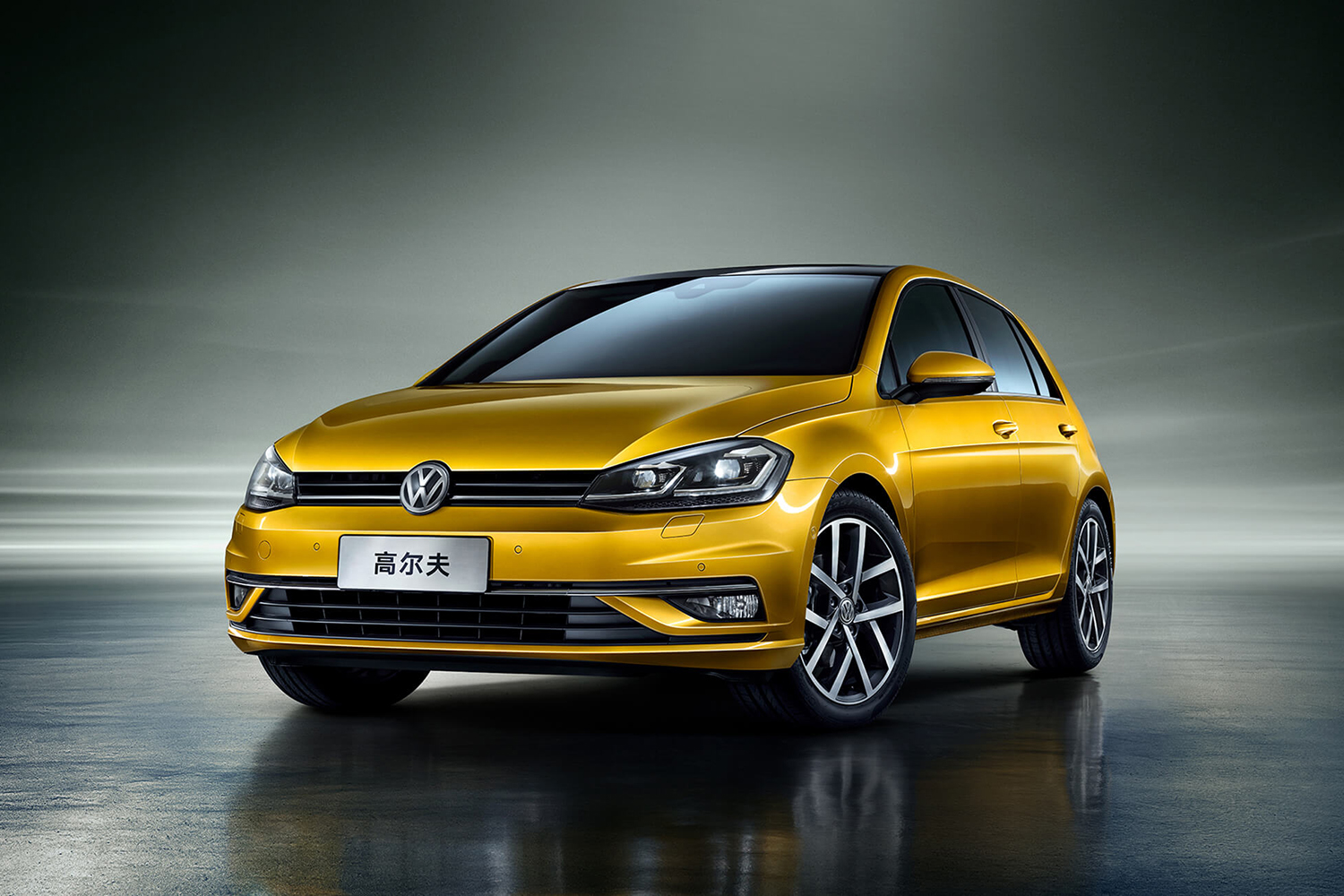
At a glance
- The Golf Electric is a compact BEV hatchback suited to urban dealers, company-car programmes and relatively compact fleets.
- Battery version, usable range and the VIN build record matter more than the model badge when comparing vehicles.
- New units simplify fleet standardization, while used units require careful battery, service-history and high-voltage inspection.
- Export pricing changes with specification, condition, exchange rates, freight, insurance, Incoterms and destination charges.
- A wholesale order may use a single vehicle, mixed-model consolidation or container commitment, subject to the live listing terms.
- LHD/RHD configuration, homologation, charging compatibility, title, warranty and parts support must be confirmed before shipment.
Why the Volkswagen Golf Electric matters for export markets
The Volkswagen Golf Electric sits in a useful export niche: a compact battery-electric hatchback that combines familiar Volkswagen branding with the lower running costs and urban usability expected of an EV. It is more relevant to dealers and fleet operators that need a practical five-door car than to buyers seeking a large premium crossover. The model can suit company-car programs, hotel and executive fleets, regional distributors, and test fleets where charging is dependable and cargo space is secondary. It also offers a familiar badge without the footprint of a larger electric SUV.
For overseas buyers, the value proposition is not simply the lowest purchase quote. It is the combination of vehicle size, energy use, expected residual performance, and the support available in the destination market. A Golf Electric may lower fuel and maintenance requirements in high-utilization urban fleets, but those savings depend on local electricity tariffs, charger access and realistic utilization. Importers should model the vehicle around daily routes, depot charging and dwell time rather than extrapolating from a headline range figure. Assess freight, taxes and adaptation costs on a landed basis, not against the vehicle quote alone.
Global interest should be evaluated by segment rather than assumed from badge recognition alone. Compact BEVs can be persuasive where buyers value maneuverability, predictable dimensions and a familiar premium name, yet a China-origin version may differ from vehicles sold under related Volkswagen electric names in Europe or North America. Dealers should verify the exact generation, equipment, charging standard, software region and local after-sales pathway before presenting the car as a direct substitute for a domestic-market Golf Electric. The live inventory and VIN documents are the appropriate starting points for that comparison.
- Compact BEV positioning
- Charging-driven fleet fit
- Market-specific verification
Model range, trims and powertrain variants: how the lineup is structured and how to choose
The Golf Electric range is organized around a battery-electric powertrain rather than the petrol and diesel engine ladder associated with many Golf generations. That simplifies the initial choice: there is no need to compare engines or conventional gearboxes, but there are still important version checks. The referenced export naming uses “Chi” as a trim label, yet that market-specific wording should not be treated as a global equipment grade. Ask for the VIN, build sheet and original sales specification to establish what the badge includes before comparing quotations or promising equipment to a client.
Version choice is mainly a battery-and-use-case decision. A smaller usable battery may reduce purchase cost and charging time for urban duty, while a higher-capacity pack can be more appropriate for longer routes or vehicles that cannot recharge during the working day. Do not compare nominal capacity alone: check usable capacity, rated range, consumption assumptions, thermal management and whether the range figure comes from a Chinese test cycle or a destination-market cycle. Request the real-world range claim and charging specification for the exact vehicle rather than applying figures from a different Golf Electric version.
Motor output, drivetrain and charging method further separate what may look like the same model name. Some buyers prioritize smooth urban acceleration; others need sustained highway performance, towing capacity or access to a particular connector and charging network. Because technical values are not standardized across all marketed versions, they must be verified on a unit-by-unit basis. Compare the motor rating, driven wheels, onboard charger, DC charging limit, battery warranty and software update policy, then confirm that each specification is compatible with the vehicles and chargers used operationally by the buyer.
- Battery-use-case matching
- Usable range over headline range
- VIN-level powertrain confirmation
New vs used Volkswagen Golf Electric: how export inventory is structured and how buyers choose
Export inventory for the Golf Electric should be read as a set of transaction opportunities rather than a single standardized product. New vehicles, demonstration units and previously registered cars may enter the same export marketplace through different channels, and each listing can carry a different condition report, warranty route and document set. Listings identify the model and trim, but the decisive information sits in each unit record: model year, mileage or kilometres, battery condition, ownership history and export eligibility. Record completeness matters more than listing wording in a cross-border programme.
A new-unit purchase is usually easier to standardize when a fleet needs identical specifications, factory warranty support and predictable delivery appearance. It also reduces uncertainty around wear, battery degradation and unplanned repairs, although “new” does not itself guarantee a particular production date or warranty geography. Ask whether the vehicle has been registered, used as a demonstrator, stored for an extended period or prepared for export. The invoice, VIN check and warranty certificate should align with the condition shown in the listing and with the price or commercial terms quoted to the buyer.
A used Golf Electric can make more sense for a dealer testing a narrow market or an operator deliberately accepting depreciation. The buying task then becomes forensic: inspect the body and chassis, verify service history, assess battery state of health where measurable, and confirm that high-voltage components have not been repaired after a collision. Confirm remaining software support, warranty transfer and parts availability before calculating the residual cost. A lower acquisition outlay can be offset quickly by battery uncertainty, downtime, missing documents or the need to properly recode regional functions.
- New-unit fleet standardization
- Used-unit battery inspection
- Import-document completeness
How export pricing works: the factors behind a live listing price, and how to read one
An export price for a Golf Electric is the sum of several commercial variables, not a fixed model-wide amount. The vehicle’s model year, exact trim, battery version, motor specification, mileage, condition, ownership status and documentation all affect its value. Dealer margin and the seller’s willingness to negotiate also matter. For a used unit, the same headline model can move significantly according to battery condition and evidence of maintenance. Buyers should therefore compare like with like and avoid treating a generic Golf Electric listing as a complete specification for tender purposes.
Logistics can change the final economics as much as the vehicle selection. Freight method, origin and destination ports, carrier charges, insurance, terminal handling, export documentation and the selected Incoterm determine which costs sit with the seller and which remain with the buyer. Exchange-rate movements also matter because the Chinese vehicle price, international freight and local charges may be settled in different currencies. For fleet tenders, request both the vehicle-only figure and a landed estimate, with every tax, duty and handling charge identified separately before approving the final purchase order.
When reading a live ChinaCarDirect listing, check whether the displayed amount covers the vehicle alone, how long the quote remains valid, what MOQ is stated for that unit, and which Incoterm or shipping assumption is attached. Open the listing for the current Golf Electric inventory rather than relying on an old catalogue or a third-party summary. Then ask the supplier to freeze the specification in writing: VIN or SKU, trim, battery and range version, condition, warranty, payment milestones and freight basis. The live per-unit quote and availability are the binding numbers for a purchase decision.
- Specification-led base value
- Incoterm cost responsibility
- Live per-unit quotations
MOQ, ordering and payment: single units vs consolidating a container
Minimum order quantity is a commercial condition, not an inherent rule of the Golf Electric. A live supplier may accept one vehicle for a trial order, a dealer rollout or a consolidation shipment, while other offers may require several units or a full container. Read the MOQ attached to each live listing and confirm whether it applies to one model, one trim or the consolidated shipment. Buyers should not infer a universal model MOQ from marketplace examples, and any waiver should be recorded in the quotation and pro forma invoice before deposit.
Single-unit purchasing gives an importer flexibility to inspect the actual car and limit exposure to a new destination-market programme. For a larger fleet, consolidation can improve freight efficiency and reduce repeated transaction costs, but it requires more careful matching of specifications, colours, delivery timing and payment readiness. Some buyers use one vehicle as a pilot and delay the container order until charging, registration and local demand are proven. Others reserve production or inventory first and consolidate vehicles from several sellers through a freight forwarder, accepting more coordination risk in exchange for scale.
A typical ordering sequence is specification approval, written quotation, identity and document checks, payment, pre-shipment inspection, release for shipment and customs clearance. Payment terms may include a deposit and balance, but the exact split, accepted methods and cancellation conditions must be agreed rather than assumed. The buyer should also verify the seller’s legal identity, vehicle title, export licence or eligibility, VIN consistency and who controls the booking after payment. Clear documents for the exact unit are more valuable than a broad promise that the model is “ready for export” in the destination market.
- Listing-specific MOQ
- Single-unit trial flexibility
- Container consolidation efficiency
Shipping, homologation and market compliance caveats: LHD/RHD and import rules by country
EV shipping requires a transport plan that treats the battery as regulated cargo. Common approaches include roll-on/roll-off vessels, container or flat-rack transport, and specialist vehicle logistics, depending on origin, destination and carrier acceptance. Transit time depends on sailing or trucking schedules, port congestion, customs clearance and inland delivery; cost depends on route, vehicle dimensions, handling, insurance and the method selected. Obtain the forwarder’s written plan and confirm dangerous-goods documentation, battery isolation instructions and delivery tracking before releasing the vehicle. The forwarder should explain securing points, surcharges, and how to report transit damage.
Steering configuration is a critical sourcing check. A China-origin Golf Electric may be left-hand drive, while right-hand-drive demand exists in markets such as the United Kingdom, Japan, Australia and parts of the Commonwealth; RHD availability should never be assumed from the model name. Ask for the VIN, steering-wheel photographs, dashboard and instrument details, and the factory build plate. A later conversion can affect safety, insurance, warranty, software and homologation, so factory RHD is generally preferable where the destination genuinely requires it and the seller's conversion records should be reviewed in detail.
Import compliance is destination-specific and cannot be settled by the fact that a vehicle is electric or by a Volkswagen badge. Regulators may require a type approval, emissions and safety conformity, proof of roadworthiness, local plug or charging compatibility, insurance, registration, customs duty and VAT or GST. Incentives can also depend on battery chemistry, price bands, local production rules or fleet eligibility. Before contracting, have a customs broker or local compliance specialist review the VIN, battery documents, warranty and certificates against the importing country’s rules; do not assume Chinese-market certification transfers automatically.
- Regulated battery transport
- Steering configuration checks
- Destination-market homologation
Who should buy the Golf Electric — and who should pick a different vehicle
The Golf Electric is a strong candidate for importers serving urban business users, company-car programmes, hotel and executive transport, or regional dealers who want a compact premium hatchback rather than a large crossover. It can be especially useful where short routes, predictable daily mileage and dependable depot charging dominate. For a distributor, the model’s relatively contained footprint can simplify logistics compared with larger vehicles, while Volkswagen branding can help explain the product to customers who already know the marque. Actual uptake still depends on local service capability and residual-value confidence in that country.
It is less suitable for operations with unpredictable long-distance routes, limited charging access or a duty cycle that carries heavy loads in poor weather. Published range can be reduced by temperature, speed, terrain, load and climate-control use, and charging time can disrupt a schedule if depot capacity is inadequate. Fleets should model a conservative daily range and verify connector access, charging power and billing arrangements. Buyers without reliable charging may obtain better utility from a hybrid or combustion model, while high-mileage operators may prefer a vehicle with broader service coverage in their region.
Household buyers with frequent family travel should compare cargo volume, rear-seat usability, child-seat installation and charging access before choosing a compact hatchback. Dealers serving markets with mandatory RHD should not order until a factory-compatible unit or acceptable conversion route is confirmed. Buyers focused primarily on the lowest entry cost should compare a used Golf Electric against a newer rival, recognizing that battery uncertainty and warranty limitations can erase the apparent saving. In short, the best fit is operationally specific: efficient urban EV use, manageable logistics and a credible parts and compliance pathway.
- Urban fleet suitability
- Charging-infrastructure dependency
- Alternative-duty comparisons
Main rivals and how the Golf Electric compares
Within the compact electric hatchback class, the BYD Dolphin is the most direct alternative to the Golf Electric. It can appeal to buyers prioritizing a different design, competitive electric packaging and access to a newer China-origin model range, while the Golf offers familiar Volkswagen branding and a conventional hatchback layout for some fleets. Neither should be selected from styling or badge alone. Compare usable battery, motor output, rated and real-world range, charging limits, dimensions, safety equipment, software features and warranty support on the exact export specification and local service arrangements.
The MG4 EV is another direct five-door hatchback competitor, useful when a buyer wants to compare the same body format, charging provisions, equipment and local warranty support. The Tesla Model 3 provides a credible alternative for operators that prefer a closed electric ecosystem, extensive charging integration and strong software support, although its liftback or sedan packaging differs from the Golf’s compact hatchback. For a fleet buyer, these differences can matter more than price: charging reliability, cargo volume, driver familiarity, parts support and the ability to service vehicles locally should carry substantial weight in the destination country and region.
The Golf Electric is most defensible when the buyer wants a practical five-door EV, a recognizable marque and manageable dimensions without moving into a larger crossover. It may be less convincing where Tesla’s charging ecosystem, the MG4’s alternative equipment proposition, or the Dolphin’s newer competitive offering better matches the market. A proper comparison should normalize the test cycle and include freight, duties, charging adaptation, service parts, software and warranty. That produces a usable total-cost comparison rather than a misleading contest between badges or headline range claims alone and specifications.
- BYD Dolphin: direct rival
- MG4 EV: hatchback rival
- Tesla Model 3: EV alternative
Live Volkswagen Golf Electric export inventory
View all listings →Real units currently on ChinaCarDirect with per-unit asking prices and MOQ. Availability updates live from the catalogue.
How to buy a Volkswagen Golf Electric from China
-
1
Define the operating requirement
Set the destination, daily routes, load, charging access, budget framework and required steering configuration before selecting a vehicle.
-
2
Shortlist the live inventory
Review the current Golf Electric listings and compare the exact VIN or SKU, trim, condition, seller information and commercial terms.
-
3
Verify technical and trim data
Request the build sheet, battery specification, rated range, charging capability, drivetrain, warranty and equipment list for the selected vehicle.
-
4
Request a landed quotation
Ask for the vehicle price, freight basis, Incoterm, insurance, export documentation and identifiable destination charges in one written offer.
-
5
Complete the compliance review
Have a customs broker or local specialist check type approval, roadworthiness, charging compatibility, battery paperwork, registration rules and incentive eligibility.
-
6
Reserve and inspect the unit
Confirm seller identity, vehicle title, VIN consistency, warranty coverage, payment milestones, cancellation terms and the pre-shipment inspection process.
-
7
Consolidate, ship and clear
Choose the freight method, confirm battery cargo documents and securing arrangements, track the vehicle through transit, and complete customs, delivery and registration.
Golf Electric vs rivals
| BYD Dolphin | The BYD Dolphin is a direct compact BEV hatchback rival often considered in the same import segment. Choose it for a different design and equipment package; the Golf Electric may be easier to position where Volkswagen recognition and a traditional five-door layout matter. |
|---|---|
| MG4 EV | The MG4 EV competes directly on compact five-door packaging and should be checked against the Golf on usable battery, charging, warranty and local parts support. Service capability and the buyer’s familiarity with each marque should be central to the decision. |
| Tesla Model 3 | The Model 3 is a mainstream electric alternative for fleets that value charging integration, software and a different body form. It may suit operators able to standardize Tesla service and charging, while the Golf remains more directly comparable to compact hatchback buyers. |
Frequently asked questions
How is the Volkswagen Golf Electric export price determined?
An export quote is driven by the exact vehicle specification, trim, battery version, condition, mileage, documentation, exchange rates, freight method, insurance and Incoterm. Duties, VAT or GST and destination handling are additional when calculating landed cost. Check the live Golf Electric listings for the current per-unit amount, stated MOQ and availability, then request a written quote that identifies what is included.
What powertrain and range figures should I verify?
The Golf Electric is a battery-electric vehicle, but the model name alone does not establish battery capacity, motor output, drivetrain or rated range. Verify usable battery capacity, rated and real-world range, charging limits and warranty on the exact VIN and build record. A Chinese test-cycle range should not be presented as a destination-market or real-world guarantee.
Is a used Volkswagen Golf Electric better value than a new one?
New units are generally easier to standardize for fleet delivery and reduce uncertainty about wear and battery degradation, but registration history and warranty geography still need checking. Used units can reduce acquisition cost, yet buyers should inspect battery condition, service history, high-voltage repairs, software support and remaining warranty. A new unit is easier to standardize for a first market test, while a thoroughly documented used unit may suit a controlled secondary-market project.
What is the MOQ for a Golf Electric export order?
MOQ is set by the supplier and listing, not by the model as a permanent rule. A live offer may permit a single vehicle, a mixed consolidation or a container commitment. Read the MOQ attached to the exact listing and put any waiver, deposit and cancellation terms in the quotation.
What determines Golf Electric shipping time and cost?
Transit time depends on carrier schedules, port and inland handling, customs clearance, route and season. Cost depends on transport method, vehicle dimensions, insurance, documentation, surcharges and the Incoterm. Ask the freight forwarder for the planned route, booking process, cargo documentation, securing arrangements and tracking procedure.
Can I order spare parts with a Golf Electric?
Parts can usually be ordered by VIN or SKU, but availability, lead time and cross-border shipping vary by part and destination. Before ordering, confirm that electrical modules, software items and service components are supported in the importing market. A vehicle purchase should therefore include a parts and aftersales plan, not just a spare-parts box.
Is right-hand-drive Volkswagen Golf Electric available for export?
Do not assume RHD availability from the Golf Electric name, because China-origin units may be LHD. Ask for the factory steering configuration, VIN, build plate and photographs before ordering. If conversion is proposed, review its effects on safety, warranty, insurance, software and destination-market homologation.
How do I buy a Volkswagen Golf Electric from China?
Start with the live inventory, shortlist the exact unit or vehicle specification, and request a written quotation and document list. Confirm the MOQ, Incoterm, payment milestones, title, warranty and inspection process, then have a customs broker review destination-market compliance. After the agreed inspection and final payment, release the vehicle through the selected forwarder and complete customs, delivery and registration.
Ready to source the Volkswagen Golf Electric?
Request a current Golf Electric RFQ with the exact unit, battery and trim specification, steering layout, Incoterm, freight estimate and document package.
Request a quote