
Volkswagen Golf Gti Export Buying Guide for Dealers and Buyers
Compare Volkswagen Golf Gti trims, pricing logic and compliance requirements, then follow a practical guide to buying from China as an overseas dealer.
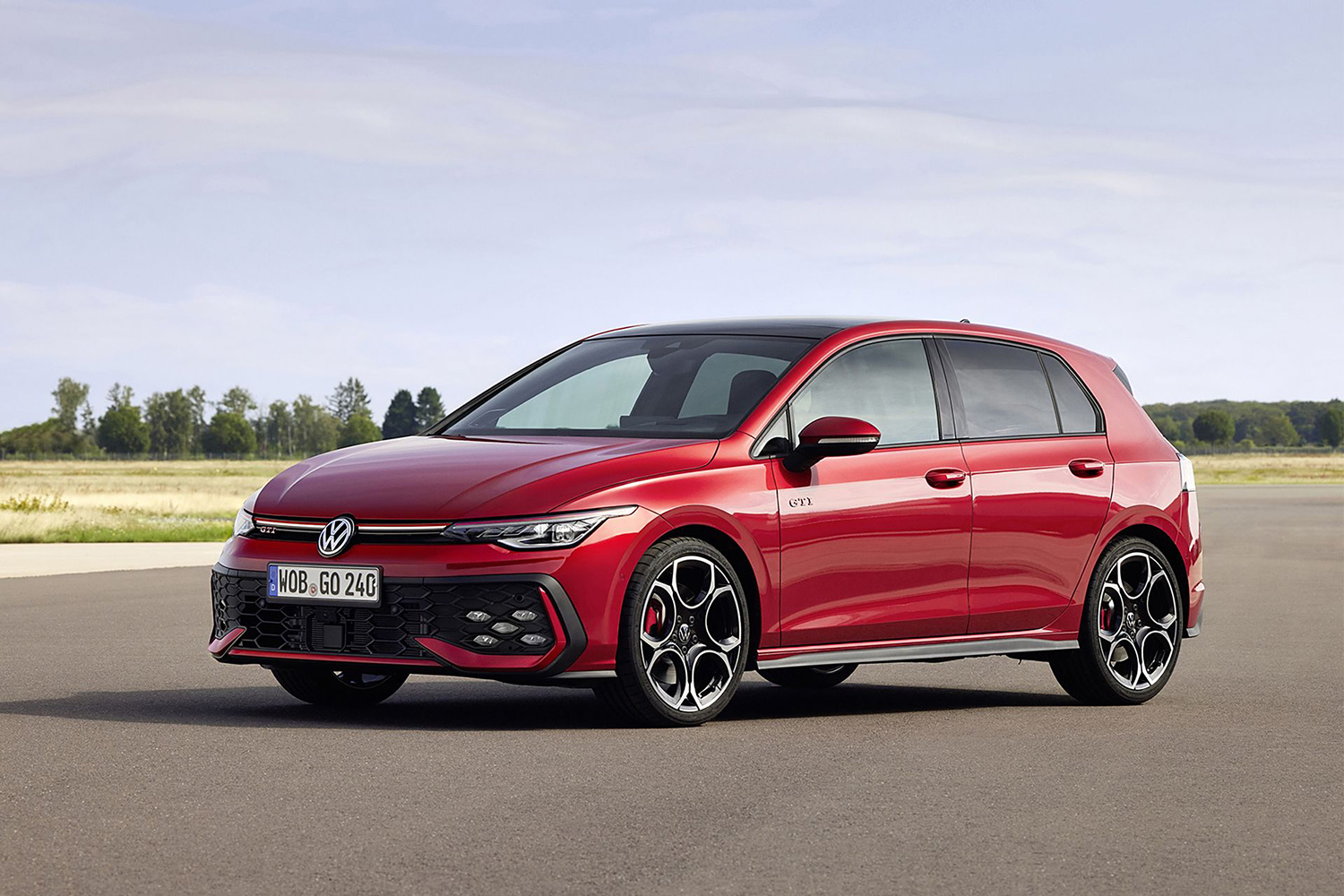
At a glance
- The Golf Gti combines a practical five-door hatchback with a turbocharged performance focus.
- Chinese-market 2.0TSI and 380TSI DSG descriptions require unit-level verification.
- New and used sourcing choices should be compared on condition, history, service needs and landed cost.
- Export quotes depend on specification, year, condition, logistics, Incoterms and destination taxes.
- Steering configuration, homologation and parts support must be checked before an import commitment.
Why the Volkswagen Golf Gti matters for export markets
The Volkswagen Golf Gti occupies a distinctive place in the compact performance market: it combines the everyday usability of a Golf hatchback with a higher-output turbocharged powertrain, sportier chassis tuning and an enthusiast-focused identity. That combination gives overseas dealers a recognizable product for drivers who want premium-brand ownership, responsive handling and practical luggage space without moving to a larger sports car or performance SUV. For importers, however, its value is not simply the GTI badge: local taxation, fuel costs, road conditions, servicing capability and customer recognition determine whether that positioning converts into repeat demand.
Demand is strongest where drivers understand the hot-hatch format and where a Volkswagen dealer can support the car without treating it as an ordinary Golf. The model's relatively compact footprint, practical hatchback layout and performance focus make it relevant for enthusiast retail, specialist importers and selected company-car programs. Its global brand recognition can help a dealer communicate the proposition, while local model history and competition can be just as influential as badge familiarity. A country-level sales case should therefore be built around the target customer, total running costs, realistic servicing arrangements and the availability of compatible parts.
The key export question is whether this Chinese-market Golf Gti can be positioned credibly beside the imported European, Japanese or locally assembled versions familiar to the buyer. Differences in specification, steering position, emissions equipment, software and optional equipment may matter even when the model name is identical. Dealers should therefore treat market validation and document checks as part of vehicle selection, rather than assuming that every Golf Gti sold from China is interchangeable with the version advertised in another region. Country-specific launch costs can therefore erase the apparent advantage locally.
- Confirm exact trim, gearbox and facelift status.
- Validate local demand before importing.
- Price the vehicle against segment alternatives.
Model range, trims and powertrain variants: how the lineup is structured and how to choose
Within the export catalogue, the Golf Gti appears under several descriptive trim names, including 2.0TSI GTI, 380TSI DSG GTI and Facelift 380TSI DSG GTI; a China V designation may also appear. These labels help separate broad configurations, but they are not a substitute for the complete vehicle description. Buyers should match model year, engine, gearbox, facelift status and equipment on the actual listing rather than assuming every GTI carries the same output or features. The same trim badge can also cover differences in paint, wheels, interior options, safety equipment and regional homologation that affect value.
The powertrain family is built around turbocharged 2.0-litre TSI engines, with 380TSI versions explicitly paired with a DSG automated manual transmission in the available descriptions. Buyers should nevertheless verify the engine and transmission codes for each unit, because Chinese-market GTI configurations can differ by generation and trim. Do not infer a precise power figure, torque output or performance package from the trim name alone; request the vehicle's technical sheet or manufacturer identification data. This discipline also helps a dealer explain the difference between a manual-equipped car and a DSG car without making claims that the listing does not support.
Selection should begin with the destination market and customer, not simply the newest or most expensive badge in the range. A buyer prioritizing broad equipment and straightforward operation may favor a clearly specified DSG car, while an enthusiast seeking a particular mechanical character may investigate manual versions. The facelift label can indicate newer styling and updates, but it does not automatically establish better condition, lower mileage or a complete performance advantage over an earlier GTI. For fleet or resale planning, consistency of specification across units is often more valuable than chasing the newest descriptor.
- Match engine and gearbox to each unit.
- Treat 380TSI and facelift labels as configuration clues.
- Request VIN-level factory specification data.
New vs used Volkswagen Golf Gti: how export inventory is structured and how buyers choose
Export inventory should be read as a set of individually described vehicles, not as a single homogeneous product. A listing may represent a new car, an ex-stock vehicle, a demonstration unit or a used car, and the description must establish which condition applies. Confirm the model year, mileage reading, prior registration status, service record and VIN before using a unit in a business case. Terminology such as “new” or “used” should be verified against documents rather than accepted solely from a marketplace label. This is especially important for import eligibility and resale disclosure.
A new Golf Gti offers the advantage of avoiding uncertainty around prior use, wear and undisclosed repair history. It may also make warranty and presentation easier to explain, subject to the seller's terms and the manufacturer's coverage in the destination country. A used export unit can reduce the initial acquisition commitment, but lower mileage does not by itself prove mechanical soundness. Service records, inspection results, tire condition and evidence of accident repair become more important as the buyer accepts more history. A pre-shipment inspection should be treated as part of the purchase decision.
The best route depends on the dealer's cash exposure, target retail segment and tolerance for refurbishment. A dealer may favor a new, specification-consistent unit for immediate presentation, while an importer with repair capability may find a well-maintained used car more suitable for a price-sensitive niche. Before committing, compare expected reconditioning, parts availability, insurance category and local resale prospects—not just the headline vehicle price—and ensure the chosen condition is clearly reflected in the sale terms. This comparison is especially important when preparing vehicles for delivery to a new country.
- Verify registration, VIN and odometer evidence.
- Inspect service history and accident disclosure.
- Budget reconditioning before importing a used car.
How export pricing works: the factors behind a live listing price, and how to read one
A live export price is a starting point for a transaction, not automatically the landed cost of owning the vehicle in another market. The quoted amount may sit inside a broader calculation that includes export handling, documentation, insurance, ocean freight, terminal charges, inland delivery, customs duties, taxes and local registration. Incoterms determine where responsibility transfers, so two listings can appear different while describing different service levels. Buyers should request an all-in quotation with the destination and cost categories stated. This prevents a low headline figure from being compared with a higher but more complete offer.
The main variables are model year, trim and engine designation, transmission, mileage and condition, factory options, paint and wheels, and whether the unit is factory new, ex-stock or used. Market factors also move the final export cost: exchange rates, freight routes, port congestion, insurance, financing and the seller's terms can all change between quotation and shipment. A buyer comparing equivalent cars should hold those variables constant instead of treating differently equipped vehicles as if they were the same product. The VIN-level specification and stated Incoterm should sit at the center of that worksheet.
To read a live listing correctly, separate the vehicle's asking amount from every charge needed after selection. Confirm whether the displayed price is per unit, whether it is firm or subject to confirmation, and which documents are included. Check the quantity basis, production or registration year, condition, odometer disclosure and option list. Then compare the listing with a written quote that names the destination, payment schedule, validity period, inspection terms and shipping scope. Only the current unit-level listing and a confirmed quote should be used for a binding purchasing decision.
- Compare unit price against all-in landed cost.
- Confirm Incoterms, validity and payment milestones.
- Hold specifications constant when comparing quotes.
MOQ, ordering and payment: single units vs consolidating a container
Minimum order quantity is a seller and transaction rule, so the buyer should not infer it from the size of the model range or assume that a catalogue-wide policy applies to every vehicle. Some live units may be offered individually, while sellers can also set a minimum for a particular order. The binding MOQ is shown against the unit being considered, but it should still be confirmed in writing. If a dealer needs one vehicle, state that explicitly and ask whether a single-unit reservation and export booking are available directly before any deposit.
A typical order progresses from specification and listing review to reservation, deposit, final payment, export preparation, inspection and loading. The exact sequence and payment milestones can vary, so a purchase order or sales confirmation should state what each payment buys and when it becomes non-refundable. A buyer should also establish who arranges inspection, original documents, export customs clearance and transport insurance. Where the vehicle is not yet in the destination country, the buying entity and importer of record must be clearly identified. These responsibilities should be separated in the contract.
Container consolidation can reduce the transport cost per vehicle when several compatible units travel together, but it also concentrates risk and requires more administration. Grouping the same model year, trim, gearbox and condition simplifies parts planning, customer communication and resale, while a mixed load may offer better vehicle availability but create greater documentation and remarketing complexity. Compare full-container, shared-container and individual-unit options against the sales plan, insurance coverage and expected delivery schedule. Savings in freight should never be allowed to obscure damage exposure at sea during transit or inconsistent vehicle specifications.
- Confirm the unit-specific MOQ in writing.
- Separate vehicle, freight, duty and tax costs.
- Assign importer-of-record responsibilities contractually.
Shipping, homologation and market compliance caveats: LHD/RHD and import rules by country
Vehicle shipping is normally arranged as a dedicated or consolidated shipment, with the loading method and route confirmed for the specific units. Freight cost varies with origin and destination ports, carrier allocation, container or vessel capacity, handling, insurance, delivery distance and current market conditions. Securement, lashing, moisture protection and access to inspection at the loading point matter because a performance car's condition can be affected before it reaches the buyer. The quote should identify the Incoterm and every charge excluded from the freight figure. It should also state the shipment method and delivery window.
Steering configuration is a critical sourcing issue. China-market vehicles are commonly encountered in left-hand-drive form, but the exact configuration must be confirmed rather than assumed; some destination markets require right-hand drive, and converting a vehicle can be costly and may affect warranty or regulatory treatment. Import rules may also depend on the VIN, engine emissions category, vehicle age, safety or type approval, customs valuation, duties, taxes and local inspection. Requirements are national and sometimes city-specific, so one market's accepted Golf Gti is not a template for another without a local check.
Compliance work should begin before the balance payment, not after the vehicle arrives. Obtain the VIN, registration or import documents, engine and emissions information, factory specification sheet, ownership records and evidence of any auction or damage history. Have the local importer or customs specialist confirm the classification, duty and tax treatment, inspection pathway, age restrictions and registration requirements in writing. Software, safety systems, parts support and warranty service may also depend on market approval, so claims about homologation should be verified rather than inferred from the GTI model name or badge.
- Confirm steering side before vehicle selection.
- Pre-clear VIN, emissions and type approval.
- Specify securement, insurance and delivery terms.
Who should buy the Golf Gti — and who should pick a different vehicle
The Golf Gti fits a specialist dealer that already serves drivers who value driving engagement, a premium hatchback and the Volkswagen badge. It can also suit a company-car buyer where the local tax and policy environment supports a sporty compact, or an importer with a clear enthusiast customer base and access to skilled servicing. The commercial case is strongest where the model is differentiated from the ordinary Golf, service quality is credible and the dealer can reliably support a vehicle with performance brakes, tires and other wear items over time.
It is a weaker fit for buyers whose priority is maximum cabin or cargo flexibility, very low operating cost, towing capacity or effortless long-distance comfort in a larger body. Performance-oriented tires, brakes, insurance and fuel use can raise ownership costs, while the compact hatchback may not satisfy families needing more rear-seat or luggage room. Buyers who assume Chinese specification will match their home-market GTI should also reconsider; equipment, software, emissions treatment and right-hand-drive availability can limit the appeal of an otherwise familiar name. A local market review should precede any import commitment.
The practical alternative depends on which GTI benefit the buyer actually values. An ordinary Golf may be the better fleet choice when comfort, economy, cabin refinement and lower running costs matter more than the hot-hatch character. A performance SUV may serve buyers needing more cargo space or a higher seating position, although it will not provide the GTI's compact road focus. Buyers should compare total ownership cost, homologation, service capability and likely resale demand rather than choosing on acceleration alone. A test drive and a verified specification sheet should anchor the final choice.
Main rivals and how the Golf Gti compares
The closest global hot-hatch alternatives vary by market, but the Hyundai i30 N, Ford Focus ST and Honda Civic Type R form useful comparison points for a buyer considering the Golf Gti. Each combines a compact five-door body with a performance-oriented engine, sharpened chassis and enthusiast positioning, yet the details differ. Local availability, parts infrastructure, tax treatment and the ability to obtain a compliant car can be more decisive than an international specification sheet. Buyers should compare the exact destination-market version rather than an abstract model badge before placing an order.
Against the Hyundai i30 N, the Golf Gti benefits from established Volkswagen recognition and a broad dealer familiarity, while the i30 N may appeal to buyers seeking a more overtly performance-focused alternative. The comparison should include suspension feel, powertrain response, electronics, boot usability and service support in the destination market. Against the Ford Focus ST, choice of generation, engine, transmission and parts availability can change the result substantially. The right comparison is the locally importable specification, not the most aggressive version of each name. That avoids an unfair, brochure-only assessment.
The Honda Civic Type R is a useful benchmark for buyers focused on high performance and a strong performance image, but it does not necessarily offer the same commercial simplicity in every market. The Golf Gti may be easier to position alongside existing Volkswagen service operations, and its five-door hatch format remains practical for mixed daily use. However, neither model should be accepted without checking local road taxes, insurance, tire availability, warranty coverage and homologation. The best rival is the one that meets the buyer's market, budget and operating priorities after all import costs are included.
Live Volkswagen Golf Gti export inventory
View all listings →Real units currently on ChinaCarDirect with per-unit asking prices and MOQ. Availability updates live from the catalogue.
How to buy a Volkswagen Golf Gti from China
-
1
Define the destination-market brief
State the destination country, required steering side, model-year preference, trim, gearbox and planned volume. Separate mandatory requirements from preferred features.
-
2
Shortlist current units
Use the live Golf Gti inventory to compare exact descriptions, condition, documents, options and seller terms. Recheck unit status before requesting a binding quotation.
-
3
Verify identity and history
Request the VIN, registration documents, odometer evidence, service records and auction or damage disclosure. Reconcile the vehicle identity, documents and listing images.
-
4
Pre-clear market compliance
Ask a local importer or compliance specialist to check VIN eligibility, emissions, type approval, age restrictions, duty, tax, inspection and registration requirements.
-
5
Build an itemized landed-cost quote
Request separate figures for the vehicle, freight, insurance, handling, documentation, duties, taxes, inland delivery and other charges. State the destination and preferred Incoterm.
-
6
Reserve under written terms
Confirm the unit-specific MOQ, deposit, balance-payment trigger, cancellation terms, inspection rights, document set and importer-of-record responsibilities in the sales confirmation.
-
7
Inspect before release and dispatch
Use an independent pre-shipment inspection to verify the VIN, condition, mileage, options and visible damage. Release the balance and original documents only after the inspection and compliance conditions are satisfied.
Golf Gti vs rivals
| Hyundai i30 N | The i30 N is a close hot-hatch alternative for buyers prioritizing overtly performance-focused engineering, while the Golf Gti benefits from established Volkswagen brand recognition. The better choice depends on destination-market service access, equipment, tax treatment and parts support. |
|---|---|
| Ford Focus ST hatchback | The Focus ST competes directly in the enthusiast-hatch segment, but generation, engine and transmission differences can materially change the comparison. Compare the exact importable Focus ST specification against the selected Golf Gti rather than comparing model names alone. |
| Honda Civic Type R | The Civic Type R is a relevant performance benchmark with a strong driving identity, though local availability and commercial simplicity may vary by market. The Golf Gti may offer greater familiarity for dealers already supporting Volkswagen vehicles, but running costs and homologation must be checked. |
Frequently asked questions
How is Volkswagen Golf Gti export pricing determined?
Export pricing reflects the unit's year, trim, engine and gearbox, condition, mileage, options, seller terms, exchange rate, freight, insurance, duties, taxes and chosen Incoterm. Compare an itemized landed-cost quotation rather than relying on the headline vehicle amount. Exact current prices, MOQs and availability are shown per unit in the live ChinaCarDirect listings.
What engine and powertrain does the exported Golf Gti use?
The Golf Gti in these listings is a gasoline internal-combustion vehicle, so EV battery range and charging figures do not apply. Available descriptions include 2.0TSI GTI and 380TSI DSG GTI configurations, including facelift versions. Exact engine output and the gearbox fitted to an individual 2.0TSI must be confirmed from its unit-level documents.
Should an overseas buyer choose a new or used Golf Gti?
A new unit reduces uncertainty over prior use, wear and accident history, while a used car can reduce the initial acquisition commitment but carries greater service and refurbishment risk. Compare mileage, service records, damage disclosure, warranty coverage, insurance category and expected reconditioning. Verify the condition classification and supporting documents before ordering.
What is the MOQ for a Volkswagen Golf Gti order?
MOQ is set by the seller and the specific transaction rather than by the model name alone. The binding requirement is displayed for the live unit and should be reconfirmed in the quotation or sales confirmation. Buyers seeking one vehicle should request a single-unit booking, while container buyers should clarify the MOQ before paying a deposit.
What affects Golf Gti shipping time and cost?
Shipping time and cost depend on the origin and destination, sailing schedule, consolidation method, port handling, freight market, insurance and customs clearance. The quote should state the Incoterm, shipment type, expected schedule, included services and destination charges. Request a current estimate because routing and market conditions can change.
Are spare parts available for an exported Golf Gti?
Parts availability depends on the exact model year, engine, transmission, trim and destination market. Use the VIN and factory specification to check Chinese Volkswagen parts channels and local dealer support before shipment. Mechanical components may be more straightforward to source than market-specific electronic, software or performance-related parts, so service requirements should be planned early.
Is a right-hand-drive Golf Gti available for export?
Chinese-market cars are commonly left-hand drive, so buyers requiring right-hand drive must confirm configuration before selecting a unit. A conversion may add cost and affect warranty or regulatory treatment, while sourcing a right-hand-drive example from another market can create a different compliance and specification profile. Current availability should be checked in the live inventory.
How do I order a Golf Gti from China?
Shortlist a unit, request its documents and an itemized quotation, complete local compliance checks, then reserve the vehicle under written payment and inspection terms. After pre-shipment inspection and document verification, release the balance and arrange shipment through the agreed Incoterm. ChinaCarDirect can receive the RFQ with the destination, condition, preferred configuration and required quantity.
Ready to source the Volkswagen Golf Gti?
Request a current ChinaCarDirect Golf Gti quote with your destination, quantity, condition, model-year preference and required Incoterm.
Request a quote