
Volkswagen Golf (import) Export Buying Guide
Buy a Volkswagen Golf (import) from China with guidance on trims, engines, export pricing, MOQ, shipping, compliance and fleet-buyer fit checks.
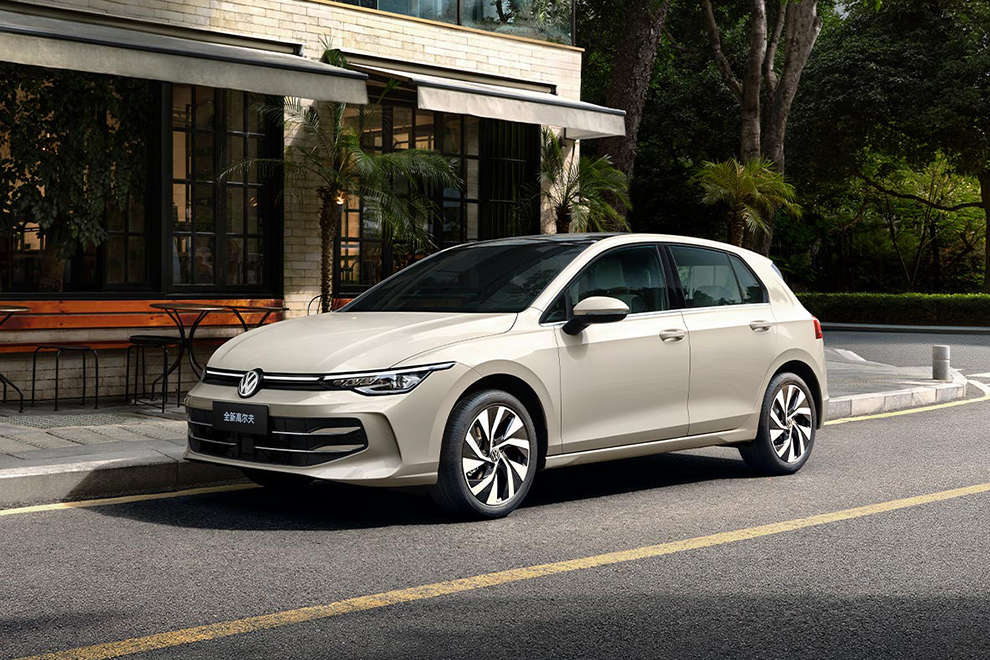
At a glance
- The Volkswagen Golf (import) for export combines global badge recognition with broad body-style choice.
- Engine intent runs from efficiency-focused 1.4TSI versions to 2.0TSI R and GTI performance cars.
- Model year, trim, condition, steering side and destination rules must be checked on each unit.
- Export pricing should be compared on a landed-cost basis, with current terms taken from live listings.
- A single-unit order can test demand, while batch consolidation can improve freight efficiency but raises inventory risk.
Why the Volkswagen Golf (import) matters for export markets
The Volkswagen Golf (import) occupies a useful middle ground between an ordinary city car and a premium-brand compact hatchback. Its compact dimensions, familiar Volkswagen design and practical five-door layout make it attractive to dealers serving urban and mixed-use markets. For overseas buyers, the appeal is not novelty but recognition: customers often understand the Golf name, while the import route can broaden body-style and equipment choice. That makes it easier to place a vehicle, explain its positioning and source familiar replacement parts than to introduce an entirely unfamiliar model to a local audience.
Golf demand can be discussed in buyer terms rather than through unsupported sales forecasts. A dealer may need a familiar badge for a compact-fleet programme; a rental or company-car operator may prioritise easy packaging, predictable servicing and fuel economy; and an enthusiast importer may seek the 2.0TSI R or GTI performance alternative. The model's long-running global presence also helps with parts identification, although imported Chinese-market versions can still differ from European or North American specifications. Recognition therefore lowers marketing effort, not compliance risk or operating complexity at the point of sale.
The strongest export case is strongest where the importer can manage the car as a mainstream product rather than a one-off curiosity. That means confirming a realistic parts plan, suitable warranty handling and a registration route before committing. The available Golf-derived shapes shown in export listings—including wagons, convertibles, the Cross Golf and Sportsvan—also let a distributor address several customer groups with one model family. Yet the badge alone does not guarantee a good commercial result; destination rules, steering configuration and after-sales support determine whether that recognition converts into profitable sales.
- Globally recognised compact platform.
- Broad body-style choice.
- Compliance remains market-specific.
Model range, trims and powertrain variants: how the lineup is structured and how to choose
Buyers reviewing Volkswagen Golf (import) specs should read the line-up by body style first, then engine and trim. Across export listings, Golf-related names include the standard family, 1.4TSI and 1.8TSI wagons, the 1.4TSI Cross Golf, convertible editions, the Golf Sportsvan and performance-labelled 2.0TSI R and GTI 2.0T three-door cars. Some labels also use terms such as Luxury, Comfort or Touring. These are seller or market trim descriptors, so a buyer should not infer a standard equipment bundle across model years without checking the build sheet and VIN for the exact vehicle.
Engine choice sets the first trade-off. The 1.4TSI is the volume-oriented option and generally makes more sense when operating economy, lower weight and compact-car efficiency matter. The 1.8TSI wagon offers a middle path for buyers wanting more torque-oriented character without moving to the 2.0TSI R. The 2.0TSI R and GTI 2.0T labels target drivers who value performance, chassis tuning and higher equipment levels. Exact output, torque figures, gearbox type and emissions equipment must be verified for each listing because they can differ by production year, market version and production run.
Body style should then be matched to the customer. A wagon is the rational choice for cargo volume, while the Cross Golf adds a raised, crossover-like presentation for buyers who want visual space without a larger mainstream model. Convertible editions have a narrower appeal and may involve weather, security and insurance considerations. The Sportsvan maximises cabin flexibility but is less familiar to many fleets. For every shape, ask whether the destination accepts its dimensions and configuration, and whether enough examples of that body style will exist to support parts and resale.
- Match body to buyer.
- Compare engine intent.
- Verify the exact build.
New vs used Volkswagen Golf (import): how export inventory is structured and how buyers choose
Condition and model year must be separated when assessing export inventory. A listing described as new may represent dealer-stock or otherwise unsold status while carrying an earlier model year, so the year on the document can still influence value and homologation. Buyers should read the registration history, production date and odometer statement rather than infer either age or history from a marketplace category. This distinction matters because an older unregistered car may be easier to register in one market but difficult to import in another where age limits apply strictly.
For a new-condition unit, the priority is documentary condition, factory status and delivery lead time. Ask whether the vehicle has been driven, registered or modified, and request images of bodywork, interior, tyres and underbody. For a used Golf, assess service records, engine and transmission condition, suspension wear, accident repair, corrosion and remaining tyre life. A lower purchase price cannot compensate for weak provenance. Because many buyers value the same Volkswagen hardware across regions, a clean import history can support both private sales and fleet placement, substantially reducing later surprises for the operation.
The practical choice depends on the buyer's cash cycle and risk tolerance. A dealer seeking immediate stock can favour an available earlier-year unit if margins and compliance work; a fleet operator may prefer the newest model with predictable warranty support and modern safety equipment; a used importer can access more character cars at lower acquisition cost but must budget for wear and verification. Use the same inspection checklist for every candidate, then document repairs before shipment. Never assume that a “new” label guarantees current-year specification or zero prior use history.
- Separate year and condition.
- Inspect provenance and wear.
- Reserve maintenance funds.
How export pricing works: the factors behind a live listing price, and how to read one
An export price is not simply the manufacturer's retail price or the amount visible in a catalogue. The vehicle-level amount is shaped by model year, trim, body style, engine, gearbox, production period, condition, mileage where relevant, and the seller's commercial terms. Currency movements can also change the converted amount. Because the Golf (import) range includes several distinct body styles and performance labels, two vehicles presented as the same model can sit in different commercial categories once their build details are compared rather than being treated as equals by a buyer without inspection.
A live quote should also show what is included in the commercial scope. Freight to the chosen port, export handling, insurance, terminal charges, inland delivery, duties, taxes and local registration may sit outside the listed vehicle amount. Incoterms determine where responsibility and risk transfer, but they do not remove the importer's legal obligations. Read the listing for the model year, trim, condition, photos, steering side, VIN availability, minimum order quantity and stated shipping terms. If any of these fields are absent, treat the entry as incomplete rather than assuming a standard configuration.
The reliable method is to build a landed-cost comparison, not to chase the lowest visible number. Put each candidate on the same basis: vehicle price, international freight, insurance, handling, destination charges and expected preparation. Ask the seller for an all-in or itemised quotation tied to a specific VIN or listing. Current per-unit price, availability and MOQ are shown on ChinaCarDirect's live Golf (import) listings and should be reconfirmed before payment, because exchange rates, stock movement and transport bookings can change the commercial offer before any binding order is placed with the seller.
- Compare on one landed-cost basis.
- Separate vehicle and destination costs.
- Recheck current listing terms.
MOQ, ordering and payment: single units vs consolidating a container
MOQ is a supplier or listing term, not a universal Golf rule. Buyers comparing Volkswagen Golf (import) wholesale offers should check unit-level terms rather than assume a catalogue standard. Some export sellers welcome a single-unit order, while others set a minimum for a production run, container load or batch release. On ChinaCarDirect, the current MOQ shown against a listing is the starting point for that offer, but the buyer should obtain written confirmation for the selected vehicle: whether it applies to one specification, one trim or a mixed model-year batch.
Buying one unit gives a dealer the best way to test demand and inspect a real example before scaling. It also leaves the buyer exposed to a high freight cost per vehicle and may require sharing transport space with other orders. Consolidating several compatible Golf units can improve freight efficiency and simplify fleet delivery, but it increases inventory risk, storage obligations and the impact of a single difficult vehicle. Do not consolidate different steering configurations, model years or condition grades without recording which unit fills each order and payment balance.
Ordering should be treated as a controlled sequence rather than a message followed by a bank transfer. Select the live listing, agree the exact specification and commercial scope, inspect the vehicle or authorise a documented pre-shipment inspection, review the pro forma invoice, and confirm refund, warranty and delivery remedies. Check that the payee and contracting seller are consistent and that the invoice identifies the VIN, body style, engine and options. The balance should be tied to agreed milestones and verified documents, not released solely because a shipping deadline is approaching.
- Confirm listing-specific MOQ.
- Test one unit before scaling.
- Link payment to milestones.
Shipping, homologation and market compliance caveats: LHD/RHD and import rules by country
The first compliance question is whether the car is physically configured for the destination. Chinese-market Golf imports may be left-hand drive, while some markets require or strongly favour right-hand drive. Do not assume that a convertible, R version or wagon can simply be converted after arrival: changing the steering side can involve wiring, safety components, certification and substantial labour. Ask for the steering configuration, VIN and build plate, then have the destination's approved importer or homologation adviser confirm whether that configuration can be registered in the intended use and sale.
Import permission is separate from road legality. Depending on the country, authorities may impose vehicle-age limits, emissions or type-approval rules, VIN and customs-document checks, safety-equipment requirements, duties, VAT or other taxes, and insurance conditions. Dealer registration can also differ from a private import, while used-car rules may be stricter than those for new stock. A clean customs entry does not automatically make the vehicle roadworthy. Buyers should obtain a written requirements checklist from a customs broker and local vehicle-approval specialist before committing funds or placing a firm vehicle purchase order.
Shipping is an evidence chain as much as a transport job. Agree whether the vehicle moves by RoRo, container or specialist carrier, and confirm the cost and risk-transfer point under the selected Incoterm. Before loading, match the VIN and visible condition to the inspection file and request the commercial invoice, packing list, bill of lading or transport receipt, export declaration and any certificate of origin required for the destination. Insure the vehicle through the agreed period and delay the final release until identity and document checks are complete before departure.
- Verify steering side first.
- Check local approval rules.
- Reconcile VIN and documents.
Who should buy the Golf (import) — and who should pick a different vehicle
The Golf (import) is a strong candidate for an overseas dealer that wants a recognised compact vehicle, several body choices and a manageable transition into the Volkswagen brand. It suits company-car and fleet buyers seeking a conventional petrol hatchback or wagon, provided local taxation and emissions rules do not undermine the operating case. Performance-oriented importers can also use the 2.0TSI R or GTI labels to target enthusiast demand. The best business cases combine a clear customer segment with local parts access, transparent landed costs and a realistic after-sales budget.
It may be less suitable for operators whose priority is zero-emission fleet eligibility, minimal routine servicing or very high cargo volume. Importing an internal-combustion Golf does not solve a destination's electric-vehicle mandate, and a low acquisition price may be offset by fuel, insurance, maintenance or compliance costs. Buyers requiring a factory-authorised warranty in the destination market should also be cautious; an imported vehicle may need local inspection, repair and warranty work outside the original distribution network. A used example can suit a lower-budget buyer, but only with stronger inspection and maintenance reserves.
The decision should be framed as a fit test. List the required body style, engine, emissions class, steering side, seating capacity, load volume and service support, then score each live candidate against those requirements. Include total cost of ownership and realistic time to market, not just the vehicle amount. If a Golf meets the brief and can be supported locally, its global familiarity, body-style variety and established name give it a credible export proposition. If it fails on a non-negotiable rule, a simpler rival is usually safer than attempting an expensive conversion.
- Strong mainstream dealer fit.
- Better with local support.
- Weak for zero-emission fleets.
Main rivals and how the Golf (import) compares
The Toyota Corolla (import) is a credible fleet rival because it is also globally recognised, efficient and easy to place with mainstream buyers. Its family-car reputation and, where offered, hybrid option can appeal where operating costs matter more than hatchback versatility. The Golf differentiates itself through a more driver-focused European character, available wagon and convertible derivatives, and the R performance alternative. For a buyer prioritising simple fleet economics and broad service familiarity, the Corolla may be more conventional; for style, utility or performance, the Golf has a clearer identity in its segment.
The Honda Civic (import) competes in the compact segment with a strong engineering and technology image, while powertrain and body-style availability vary by destination. It can be persuasive where buyers prioritise efficiency, hybrid technology or higher-output versions. The Golf remains more directly relevant when a hatchback or wagon is required, or when the buyer wants the Volkswagen R proposition. Both require careful homologation, and neither should be assumed to carry the same warranty, emissions equipment or parts economics in every importing country without destination-specific checks and supplier support before contracting.
The Ford Focus (import) is the closest shape-led rival: a compact hatch with a comparable focus on driving dynamics and mainstream fleet use. It can be an alternative where the Focus is officially supported and the buyer wants a different badge or engine programme. The Golf's stronger case is its wider visible body-style range, including wagons, Cross Golf variants and convertibles, plus the distinct 2.0TSI R proposition. Conversely, the Focus may be simpler to source in some markets. Availability, emissions compliance, parts coverage and total landed cost should decide between them.
- Corolla: fleet-economy alternative.
- Civic: technology-led alternative.
- Focus: closest hatch rival.
Live Volkswagen Golf (import) export inventory
View all listings →Real units currently on ChinaCarDirect with per-unit asking prices and MOQ. Availability updates live from the catalogue.
How to buy a Volkswagen Golf (import) from China
-
1
Define the destination and configuration
Specify the destination country, import route, body style, engine, steering side and passenger or load requirements. Separate mandatory legal conditions from commercial preferences.
-
2
Review the live inventory
Open the live Golf (import) listings and compare the relevant model year, trim and body style. Treat each displayed price, MOQ and availability statement as current listing information requiring reconfirmation.
-
3
Verify identity and condition
Request the VIN or build sheet, photographs, registration and service history, odometer statement, tyre condition and details of repair or accident work. For a used unit, authorise an independent inspection and reconcile discrepancies.
-
4
Request an itemised landed quote
Ask for the vehicle amount, freight, insurance, handling, destination charges, taxes and any local delivery cost under a named Incoterm. Use the same cost structure for every candidate.
-
5
Complete compliance and payment checks
Have a customs broker and local approval specialist check age, emissions, type-approval, VIN, insurance and registration requirements. Review the pro forma invoice, contracting seller, payee, refund terms and payment milestones before transferring funds.
-
6
Arrange shipping and reconcile documents
Agree the transport method, insurance period and inspection standard before loading. Match the VIN, visible condition, commercial invoice, packing list, transport receipt, export declaration and other destination-required documents before release.
Golf (import) vs rivals
| Toyota Corolla (import) | The Corolla is often more conventional for mainstream fleets where fuel economy, hybrid availability and service familiarity dominate. The Golf offers stronger hatchback and wagon utility, a broader performance range and a more driver-focused identity. |
|---|---|
| Honda Civic (import) | The Civic competes through engineering, technology and efficient powertrain options that vary by market. The Golf is more relevant when buyers specifically want a hatchback or wagon, or are targeting the Volkswagen R proposition. |
| Ford Focus (import) | The Focus is the closest shape-led alternative, with a comparable compact-hatch and driver-focused positioning. The Golf differentiates through more visible body styles and the R option, while the Focus may be simpler to source where it has stronger official support. |
Frequently asked questions
How is export pricing determined for a Volkswagen Golf (import)?
Export pricing is built from the specific vehicle's year, trim, body style, engine, gearbox, condition and commercial terms, then affected by currency, freight, insurance, duties, taxes and inland handling. Compare candidates using the same landed-cost basis and ask for an itemised quotation tied to the unit. Current per-unit price and availability should be taken from the live Golf (import) listings, not from a general market range.
What engines and powertrain options are available in the Volkswagen Golf (import)?
The range includes 1.4TSI, 1.8TSI and 2.0TSI-based trims, including GTI 2.0T and 2.0TSI R labels. These are gasoline internal-combustion cars, so battery capacity and electric range do not apply; output, transmission, drivetrain and emissions must be checked for the exact listing. The R version is normally all-wheel drive, unlike most front-wheel-drive Golf variants.
Should an overseas buyer choose a new-condition or used Volkswagen Golf (import)?
Condition category, model year and prior use are separate attributes. A new-condition listing can carry an earlier model year, while a used unit may offer more character but greater wear and documentation risk. Compare inspection evidence, service history, odometer, tyres, body condition and repair records, and confirm which registration route applies in the destination.
Can I order one Volkswagen Golf (import), or is a wholesale MOQ required?
MOQ is set by the seller and the listing; it is not a universal Golf requirement. Some offers may permit a single unit, while a batch or container commitment can be required for wholesale terms. Read the current MOQ on the selected live listing and confirm in writing whether it applies to one unit, one specification or a mixed batch.
What determines shipping time and cost for a Golf exported from China?
Origin and destination ports, transport mode, vessel or carrier schedule, handling, insurance and port congestion all affect cost and timing. The model name alone is not enough for a reliable transit estimate, and documentation or compliance delays can add to the sailing time. Ask the seller or forwarder for a route-specific estimate with the Incoterm and charges itemised.
How can buyers source spare parts for an imported Golf?
Use the VIN, exact trim and production period to identify the correct engine, body and electrical parts; similar-looking Golfs can use different suppliers or part numbers across markets. Confirm whether the seller, a Volkswagen distributor or a specialist importer stocks the required components and can supply service items before shipment. For long-term fleet support, include spare-parts availability in the purchase decision rather than treating it as an afterthought.
Is right-hand-drive Volkswagen Golf (import) availability assured?
Right-hand-drive availability depends on the actual source vehicle, not simply the Golf name. Chinese-market examples may be left-hand drive, and a right-hand-drive unit must be confirmed from its build information. Do not assume a steering-side conversion will be legal or economical; obtain destination approval before purchase.
How do I order a Volkswagen Golf (import) from China?
Start with the live Golf (import) inventory, select a candidate, and send an RFQ stating destination, quantity, body style, engine and steering-side requirement. Agree the specification, itemised landed quote, Incoterm, inspection standard, payment milestones and refund terms in writing. Release funds only against verified seller identity and documents, then reconcile the VIN and condition before shipment and at destination arrival.
Ready to source the Volkswagen Golf (import)?
Request a current unit-level quotation for your preferred Golf (import) configuration, destination and quantity, with landed-cost and compliance checks included.
Request a quote