
Volkswagen Golf Sportsvan Export Buying Guide
Buy a Volkswagen Golf Sportsvan from China with confidence: compare trims, petrol engines, export pricing logic, MOQ, shipping, compliance and rivals.
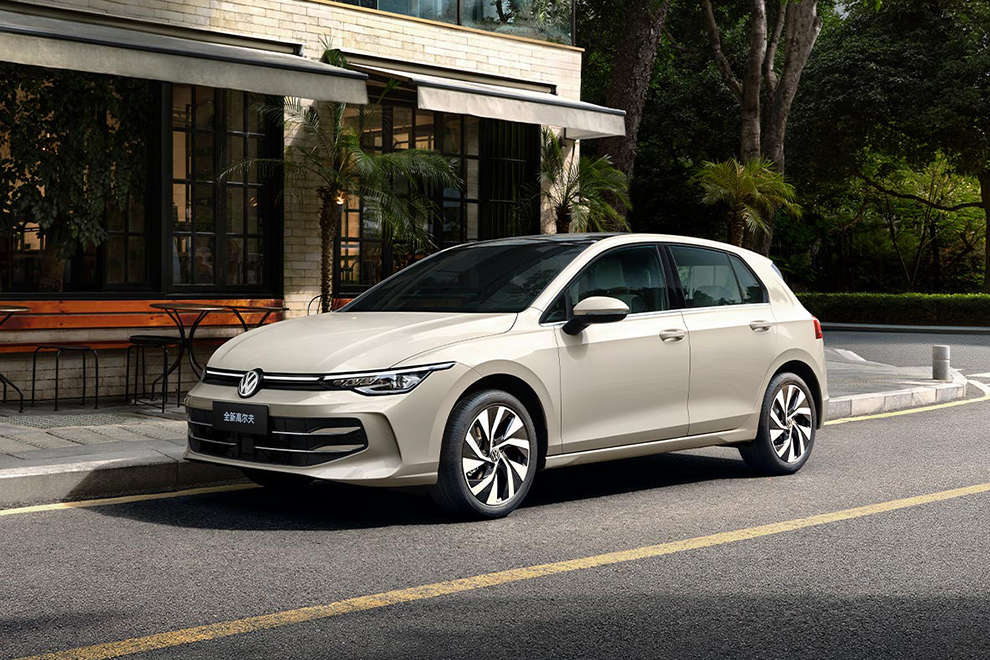
At a glance
- The Golf Sportsvan pairs a Golf-derived platform with a raised, flexible passenger-and-load cabin.
- The China-market range includes 1.6L and TSI petrol powertrains with automatic transmissions.
- Trim choice should follow the verified equipment sheet rather than assumptions based on the badge.
- Export pricing and MOQ are transaction-specific, so current per-unit terms should come from live listings and written quotations.
- Destination-country homologation, steering side, taxes and parts support can be more decisive than the vehicle itself.
Why the Volkswagen Golf Sportsvan matters for export markets
The Golf Sportsvan sits between a compact passenger car and a commercial van. Its Golf-derived platform gives buyers familiar Volkswagen driving characteristics, while the raised roof, broad rear access and flexible load area provide the practicality associated with an MPV. That combination suits hotel shuttles, airport transfers, mobile services and family-hire fleets where a full-size van is unnecessary but passenger-and-baggage flexibility matters. It also appeals to private buyers who want a usable second row and generous boot without moving to a much larger people carrier or accepting a van-based driving profile.
For export markets, demand is strongest where buyers need one vehicle to cover two jobs: passenger transport with useful load capacity. Compared with a large van, the Sportsvan is easier to drive, park and fuel; compared with a conventional hatchback, it offers a taller cabin and more adaptable rear space. That middle ground suits rental operators and regional dealers needing a versatile model without committing to a commercial van line. The Golf badge reassures drivers who know the car, while the elevated roof presents a visibly practical vehicle without requiring a separate chassis.
That versatility does not remove the work required to import it successfully. Chinese-market equipment, emissions documentation, steering configuration and service arrangements may differ from the destination country. Export buyers should therefore assess the model as a vehicle-plus-homologation package rather than assuming that a well-equipped China specification can be registered and supported like a locally sold Golf. Clear records and practical parts access can be as valuable as the original equipment list. A disciplined inspection also protects the buyer from paying for comfort equipment that cannot legally be used or serviced locally.
- Golf-derived compact MPV with flexible load use.
- Fits shuttles, mobility and family transport.
- Local approval and parts support remain decisive.
Model range, trims and powertrain variants: how the lineup is structured and how to choose
The China-market Sportsvan range is organized around a 1.6L model and several TSI petrol powertrains, with automatic transmissions paired to the named trims. Trim names include Progressive, Luxury and Comfort, alongside editions such as Pure Edition, Curiosity, Voyager and Flagship. These labels help identify a vehicle but do not replace the build sheet: Chinese-market equipment, software, upholstery and option bundles can differ from Volkswagen sales elsewhere. For an export purchase, ask for the VIN, engine designation, transmission, factory options, dimensions and homologation documents before comparing similarly named examples in the live inventory.
The 230TSI and 280TSI labels are part of the lineup, but a buyer should not infer an exact output, tax band or towing capability from the badge alone without documents. TSI denotes a turbocharged petrol family, while the 1.6L designation points to a different engine proposition. Match the verified engine to local fuel and emissions rules, consider load and towing needs, and then check whether the destination service network can support its maintenance requirements. Automatic transmission availability simplifies fleet operation. An automatic also reduces driver-training and long-shift friction for commercial users.
Progressive appears as a practical baseline in the range, while Luxury and the named special editions may carry a different equipment emphasis. Rather than paying a premium for a trim name alone, compare the photographed cabin, infotainment, safety aids, wheels, seats and luggage area against the fleet brief. A busy shuttle operator may prioritise durability and easy cleaning, while a premium hire customer may notice materials and convenience features more. Ask for an itemised equipment list and any missing-equipment disclosure. That evidence prevents an attractive badge from masking costly retrofits.
- Compare trims by equipment, not badge.
- Verify the fitted 1.6L or TSI engine.
- Automatic transmissions aid fleet operation.
- Trim labels do not guarantee equivalent overseas equipment.
New vs used Volkswagen Golf Sportsvan: how export inventory is structured and how buyers choose
New and used Sportsvans reach export buyers through different channels, so they should not be compared as if they were the same product. New China-market vehicles are sold through authorised dealer networks, trade channels or vehicle exporters, with factory status and delivery condition. Used examples usually come from dealer stock, leasing fleets, corporate disposal or auctions. The useful question is not simply new or used, but whether the vehicle, paperwork and intended use form an importable package. That framing keeps a nominally cheaper used car from outweighing a better-supported new unit.
A new car is generally the cleaner choice for a commercial buyer seeking known ownership, a defined specification and the strongest link to factory warranty support. It may also be easier to document before first registration. The trade-off is a higher acquisition commitment and the risk that the buyer pays for equipment that is unfamiliar, market-specific or difficult to maintain. Confirming the intended market early is therefore more important than buying the most equipped derivative in the catalogue. Dealer preparation can also add local accessories that have little resale value elsewhere.
Used sourcing can make sense for a buyer with a firm budget, a clear understanding of condition and access to the right inspection and repair capability. Review the VIN, registration history, engine and transmission condition, mileage evidence, service records, accident repair, paintwork, tyres, brakes and underbody. Also determine whether the prior use was private or commercial and whether the vehicle is eligible for export. A low purchase price can be offset by maintenance, compliance work and uncertain residual value. Request an independent inspection rather than relying solely on listing photographs.
How export pricing works: the factors behind a live listing price, and how to read one
A Volkswagen Golf Sportsvan export price is not one fixed market rate. It starts with the live asking price for a vehicle, then reflects the trim, model year, engine, transmission, mileage or condition, options and the seller's commercial terms. Currency movements also matter when a Chinese supply price is converted for an overseas buyer. The defensible comparison is therefore like-for-like: same year, powertrain, equipment level, condition and agreed trade term. Year alone is a weak proxy because two vehicles with the same model designation may not have equivalent supply or condition.
The distinction between vehicle price and landed cost is crucial. Depending on the Incoterm, the buyer may be responsible for inland transport, export clearance, origin charges, ocean freight, marine insurance, destination terminal handling, customs duties, taxes, registration and local delivery. Freight is based on the actual loading method and chargeable weight or volume, while duties and taxes depend on the origin description, engine category, age and destination rules. A low listed amount can therefore be more expensive after all charges are added. The quote should state every charge and its payer.
To read a live Golf Sportsvan listing correctly, open the unit record and verify the full model name, year, trim, engine label, transmission, condition, mileage if used, options, VIN availability and seller location. Then check whether the displayed amount is a vehicle-only figure or tied to an Incoterm and named destination. Ask for a written quotation with validity, payment milestones, documentation, inspection and delivery terms. Current binding price, MOQ and availability are shown per unit in the live ChinaCarDirect inventory, so use that listing rather than a remembered benchmark or old quote.
- Compare like-for-like vehicles and conditions.
- Separate vehicle price from landed cost.
- Check current terms in live listings.
MOQ, ordering and payment: single units vs consolidating a container
MOQ is a commercial term negotiated for a particular seller, route and transaction, not a permanent property of the Golf Sportsvan model. A retailer or exporter may accept a single-unit pilot order, while a wholesale, factory-linked or container program may require a batch. Some suppliers can combine several trims or powertrains to fill a consignment, but only if they agree on the mix. Read the MOQ shown with the live unit or request written confirmation; never infer a blanket minimum from one catalogue example. Stock allocation can change the answer at order time.
A single-unit purchase lowers initial capital exposure and gives a dealer a chance to assess colour, trim acceptance and service parts demand. Consolidating vehicles usually improves freight efficiency, but it concentrates several risks: one trim may sell slowly, mixed specifications complicate homologation, and delayed customs clearance can generate storage or demurrage charges. Model the container plan by landed cost per useful vehicle and by expected selling time, not merely by the number of units loaded. A mixed shipment also needs clear allocation, serial-number records and separate pricing for every vehicle before release.
A sound workflow starts with a vehicle-specific inquiry, followed by a written specification, pro forma invoice and validity period. Agree how the deposit, balance and any cancellation terms will be handled, and verify the seller's legal identity and payment beneficiary. The balance should be linked to satisfactory inspection and correct export documents rather than an unsupported verbal promise. Release follows dispatch and the agreed Incoterm, not merely an uploaded photograph or a copied VIN. For larger mixed shipments, use a unit-level allocation sheet and reconcile it against the final packing list.
Shipping, homologation and market compliance caveats: LHD/RHD and import rules by country
Transport choice should follow the vehicle's dimensions, condition, origin and destination rather than a generic shipping template. An enclosed carrier or container can protect a new car from handling damage, while RoRo may suit rolling stock where available; for used vehicles, lashing, loose-equipment declaration and securing requirements are particularly important. Transit time and cost vary with sailing frequency, port pairs, transshipment, season congestion, terminal handling, fuel surcharges and insurance. The booking party must confirm which charges sit inside the Incoterm. Also verify that the carrier accepts the model and shipment type.
Import approval is country-specific. Before contracting, check local rules for used vehicles, minimum age, emissions standard, engine capacity or power, VAT or sales tax, customs value, left- or right-hand drive, safety requirements, inspection and type approval. A China VI marking or another domestic emissions label does not automatically establish acceptance in the destination country. The importer may need a compliance certificate, customs inspection, modifications or local testing before registration, and the VIN and vehicle documents must agree throughout. Treat homologation as a separate budget line, not an assumed final step.
Steering configuration is a sourcing issue as well as a regulatory one. China-market vehicles are commonly encountered in left-hand-drive form, but RHD demand must be confirmed vehicle by vehicle rather than inferred from the model name. An RHD example may require specialist sourcing or a controlled conversion that can affect VIN consistency, warranty, insurance and approval. Used imports also demand ownership, export-eligibility, accident, flood and odometer checks before payment. Have an independent inspector and local customs broker review the records, and treat homologation as a separate budget item rather than an assumed final step.
- Confirm destination type approval before shipping.
- Verify steering side from VIN and photographs.
- Allow separately for compliance and registration.
Who should buy the Golf Sportsvan — and who should pick a different vehicle
The Golf Sportsvan suits buyers who want car-like controls, a usable passenger cabin and more load flexibility than a normal hatchback. It fits private family transport, hotel or airport shuttles, staff mobility and light commercial work. The strongest case is a mixed brief: regular passengers plus occasional bulky loads. A buyer who rarely carries bulky items should compare ownership cost against a conventional Golf, estate or hatchback. It is also worth checking whether a lower-cost compact MPV or a van-derived model would meet the duty cycle more efficiently without compromise.
For fleet managers, the decision should be based on duty cycles rather than trim imagery. Review seat configurations, luggage capacity, loading height, interior durability, cleaning requirements and daily utilisation. Confirm whether the vehicle will carry wheelchair equipment, roof loads or heavy goods; those demands may exceed what a compact MPV is intended to handle. Automatic transmission and familiar VW controls can aid mixed-driver fleets, but parts planning and workshop familiarity remain decisive. A small pilot can reveal whether the platform suits local routes and customers before a larger commitment is made.
Choose another vehicle when heavy payload, rugged work or seven-seat flexibility without cargo compromises dominates; a large van may reduce loading trips, while a premium MPV may better serve executive passengers. High-mileage operations may also favour a simpler van-derived alternative. Before deciding, compare acquisition, financing, fuel, insurance, tax, service, tyres, downtime and resale rather than vehicle price alone. If local aftersales coverage or confirmed RHD availability is weak, a more widely supported alternative may be safer. Match the model to the dominant operating constraint, not the badge or brochure image.
- Strong for mixed passenger and load use.
- Suitable for family and light commercial work.
- Weaker for heavy payload or guaranteed RHD supply.
Main rivals and how the Golf Sportsvan compares
Rivals should be judged against the same buyer brief rather than by badge or body shape alone. The Volkswagen Caddy is the closest packaging and ownership alternative because it prioritises a spacious load bay and can serve passenger or commercial roles. The Toyota Touran is a direct passenger-MPV competitor with a more conventional people-carrier focus, while the Honda Freed is a smaller, space-efficient alternative common in Asian markets. Engine, steering, equipment and aftersales support vary by destination, so local suitability can outweigh the comparison shown on paper or brochure alone.
Compared with the Caddy, the Golf Sportsvan offers a more car-like foundation, lower-looking profile and a road-focused passenger-car driving character, while the Caddy is designed around maximum utility. The Caddy can be more logical where loading volume, durable commercial finishes or van tax treatment matter. The Sportsvan is the better fit where appearance, quieter touring and a more premium cabin brief matter, provided the buyer accepts less commercial-oriented equipment and checks payload rather than assuming MPV capacity equals van capacity. It also requires a closer local homologation check before purchase.
Against the Toyota Touran, the Sportsvan may win where a Golf-derived footprint, known model family and driver-friendly character matter; the Touran may appeal where Toyota support is stronger or its layout suits passengers better. The Honda Freed takes the comparison in the opposite direction, emphasizing compact dimensions and efficient cabin packaging. Neither is necessarily cheaper after tax, freight or conversion. A Sportsvan is stronger when its raised, flexible cabin and Golf familiarity matter more than commercial durability. Local tax, registration, parts support and RHD availability can reverse that ranking, so compare each candidate on landed cost and compliance before committing capital.
- Caddy: van-led utility alternative.
- Touran: direct passenger-MPV rival.
- Honda Freed: compact space-focused option.
- Local rules can reverse the ranking.
Live Volkswagen Golf Sportsvan export inventory
View all listings →Real units currently on ChinaCarDirect with per-unit asking prices and MOQ. Availability updates live from the catalogue.
How to buy a Volkswagen Golf Sportsvan from China
-
1
Define the operating brief
Record the destination country, steering side, passenger-and-load mix, expected mileage and local service coverage. This determines which China-market specification is worth shortlisting.
-
2
Review the live inventory
Use the Golf Sportsvan listings to compare year, trim, engine label, transmission, condition and VIN availability. Treat the displayed per-unit terms as the starting point rather than a landed quote.
-
3
Request build evidence
Ask for the VIN, build sheet, engine designation, equipment list, dimensions, service history and export documents. For used vehicles, add ownership, accident, flood and odometer checks.
-
4
Build a landed quotation
Ask the seller to state the Incoterm, destination, freight, insurance, terminal, customs, duties, taxes, registration and local charges. Compare like-for-like units on the same basis.
-
5
Confirm MOQ and payment
Confirm the seller-specific MOQ, vehicle allocation, quote validity, deposit and balance milestones. Verify the legal entity, payment beneficiary and cancellation terms before sending funds.
-
6
Inspect before release
Use an independent pre-shipment inspection and reconcile the VIN, equipment and visible condition against the contract. Link final payment to satisfactory inspection and correct export documents.
-
7
Ship and register
Book transport after confirming carrier acceptance and securing requirements. Use a customs broker to check homologation, emissions, steering, duties, taxes and registration before dispatch.
Golf Sportsvan vs rivals
| Volkswagen Caddy | The Caddy is the closest van-led alternative: its load-first architecture may suit trade users better, while the Sportsvan offers a more passenger-focused, road-car character. Choose the Caddy for maximum commercial utility and the Sportsvan for a Golf-derived driving and ownership proposition. |
|---|---|
| Toyota Touran | The Touran is a direct passenger-MPV competitor, making it relevant when cabin packaging or Toyota support dominates the brief. The Sportsvan is more attractive to buyers prioritising its Golf footprint, model identity and driver-friendly character. |
| Honda Freed | The Freed is a smaller, space-efficient MPV that can suit tight streets and light passenger work. The Sportsvan offers a broader road-car presentation and more flexibility when occasional bulky loads must be carried. |
Frequently asked questions
How is Volkswagen Golf Sportsvan export pricing determined?
ChinaCarDirect live Golf Sportsvan listings show the current per-unit price for each vehicle. The amount moves with year, trim, engine, condition, options, exchange rates, freight, Incoterms, insurance, duties and taxes; request a written landed quotation for a true comparison.
Which engine and powertrain options are available?
The lineup includes 1.6L and TSI petrol engines, with 180TSI, 200TSI, 230TSI and 280TSI designations and automatic transmissions. Because these are petrol variants, battery capacity and electric range are not applicable. Confirm the exact fitted engine and output from the VIN and build sheet.
Should I buy a new or used Golf Sportsvan for export?
A new China-market car normally offers clearer ownership and specification status, while a used example can suit a buyer with a firm budget who accepts wear and uncertainty. Compare service history, accident repair, odometer evidence, export eligibility and expected parts support, then calculate total cost rather than purchase price alone.
What is the MOQ for a Golf Sportsvan order?
MOQ is set by the seller and transaction, not by the model name. Some exporters accept pilot orders while wholesale, factory or container programs may set batch terms; confirm the requirement for the specific listing and whether mixed trims are allowed before ordering.
How long does shipping take and what affects the cost?
Shipping time and cost depend on origin and destination ports, sailing frequency, transshipment, seasonality, carrier space, vehicle dimensions, loading method, terminal handling, fuel surcharges and insurance. A quoted vehicle price may exclude most of these charges, so ask for the Incoterm and a destination-based freight quotation.
Are spare parts available for the Golf Sportsvan?
Parts support depends on the exact engine, trim and destination, not simply the Volkswagen badge. Obtain a parts list and compare common service items with local dealer or specialist support before ordering; Chinese-market equipment may need alternative parts or software support.
Can I buy a right-hand-drive Golf Sportsvan from China?
Do not assume a China-market Golf Sportsvan is right-hand drive; verify the steering position from the VIN, photographs and seller declaration. An RHD unit may require specialist sourcing or a controlled conversion, which can affect legality, warranty, insurance, price and parts availability.
How do I order a Volkswagen Golf Sportsvan from China?
Start with the live Golf Sportsvan inventory, choose a unit and send an RFQ requesting the VIN, equipment, MOQ, written quotation and export documents. Verify the seller and payment beneficiary, agree inspection and payment milestones, complete pre-shipment checks, and use a customs broker to clear homologation before registration.
Ready to source the Volkswagen Golf Sportsvan?
Request an RFQ with your destination, steering-side requirement and preferred trim, and ask for a vehicle-specific landed quotation.
Request a quote