
Volkswagen Id.4 Export Buying Guide for Overseas Buyers
Buy a Volkswagen Id.4 from China with expert guidance on trims, battery options, export pricing, MOQ, shipping, compliance and direct rivals.
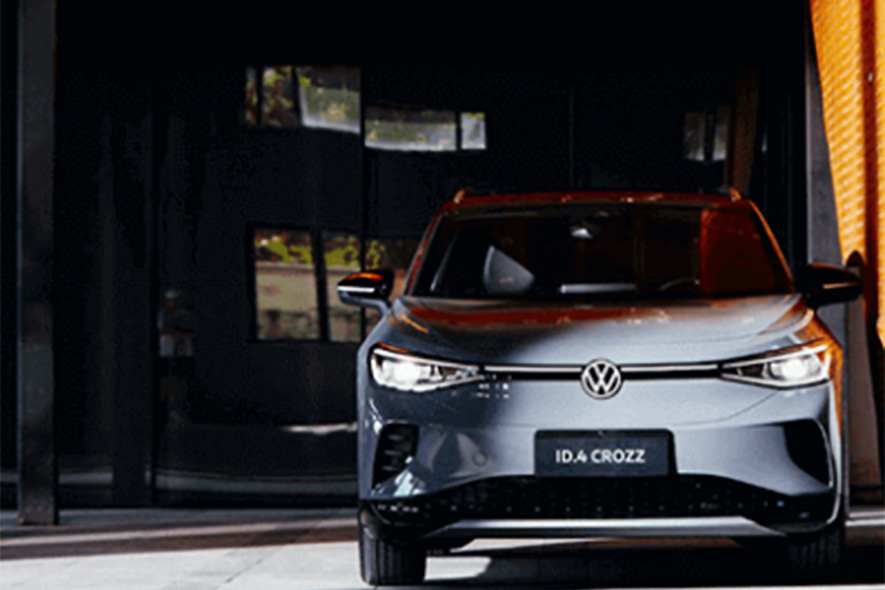
At a glance
- The Id.4 is a five-door battery-electric SUV built on Volkswagen Group’s MEB platform.
- China-market sourcing requires careful comparison of ID.4 CROZZ and ID.4 X versions.
- Two-wheel-drive variants favour operating simplicity, while 4WD Performance versions add traction.
- Export quotations should be compared by trim, battery, condition, Incoterm and delivered cost.
- Exact availability changes; use live listings when stock returns and the RFQ page for sourcing.
Why the Volkswagen Id.4 matters for export markets
The Volkswagen Id.4 is a compact, five-door battery-electric SUV built on Volkswagen Group’s MEB architecture. It occupies the mainstream family-SUV segment familiar to buyers of the Tiguan, while replacing combustion powertrains with electric propulsion. For overseas dealers and fleet operators, its appeal is a familiar Volkswagen identity, a practical footprint and access to China-market ID.4 CROZZ and ID.4 X variants. It also suits buyers seeking five seats, usable cargo capacity and an established production platform without moving into the larger premium electric SUV segment.
Demand for the model in export markets should be assessed against use cases rather than headline specifications alone. The Id.4’s relatively conventional size makes it easier to place in dealer showrooms, company fleets and charging-compatible urban programmes than a larger premium electric crossover or a low-volume performance EV. Its Volkswagen badge can reassure fleet managers, while China’s large EV manufacturing base supports varied specification and sourcing options. However, the business case still depends on local electricity access, service capability, residual values and whether imported software or parts remain supportable over the vehicle’s life.
For an importer, the Id.4 matters because it is both a product and a test of market readiness. Electric SUVs can help a dealer establish EV sales and servicing before committing to more complex fleet conversions, provided charging installation and technician training are planned. The vehicle should also be assessed for software language, user-interface functions, radio compliance and battery warranty transferability in the destination country. In short, global relevance comes from versatility, but successful exportability depends on matching the exact version to local infrastructure, regulation and after-sales support.
- Mainstream dimensions suit fleet and dealer use.
- CROZZ and ID.4 X require direct version comparison.
- Compliance and support determine export viability.
Model range, trims and powertrain variants: how the lineup is structured and how to choose
China-market ID.4 nomenclature can look complicated because the family has appeared under CROZZ and ID.4 X names, with trim labels that differ by manufacturer, model year and update. China-market labels such as Long Range PRO 2WD, Smart Pure Intelligent Edition and High Performance PRIME 4WD show how the range is divided, but they are not a universal global trim hierarchy. Buyers should therefore avoid translating a Chinese badge directly into an overseas retail grade. Compare battery, motor layout, range, charging and equipment against the VIN-linked listing record directly before contracting.
The most important mechanical choice is between conventional rear-wheel-drive versions and the dual-motor four-wheel-drive Performance derivative. A two-wheel-drive Id.4 generally offers the simpler operating concept and is the logical selection where charging efficiency, lower drivetrain complexity and a single-motor layout matter. The 4WD version adds a front motor and traction-oriented capability, but buyers should examine efficiency, tyre cost and suitability for local roads rather than assuming extra drive is automatically better. Exact outputs vary, so the live listing must confirm them directly before contracting or agreeing payment terms in writing.
Range and battery selection require more care than reading the longest headline figure. Chinese-market ratings commonly use CLTC, which is not directly comparable with European WLTP or North American EPA figures. A buyer should ask for the usable pack capacity, rated range, standard test-cycle value, charging connector and real-world consumption together. Long Range and Performance badges describe priorities rather than a guaranteed outcome. If the vehicle is for export, confirm that the battery warranty, software functions and local charging hardware remain valid after shipment and registration in the destination market.
- 2WD: simpler layout; 4WD: added traction.
- CLTC figures need local-test context.
- Verify battery, connector and warranty by VIN.
New vs used Volkswagen Id.4: how export inventory is structured and how buyers choose
Export inventory should be read as a set of vehicle configurations rather than a generic new-or-used category. New China-market examples may represent current production, later facelifts or dealer stock, while used examples may come from domestic retail, corporate fleets or hire-car use. Age, trim, battery option and condition can vary more widely than the model name suggests. For this reason, a responsible importer should treat every listing as an individual asset and request the production date, battery configuration, odometer evidence and complete option list before comparing it with another offer.
A new Id.4 is generally the easier choice for a buyer prioritising current software, warranty transfer and known delivery condition, although production timing can affect availability and the delivery date. A used example can reduce initial acquisition exposure and may suit a buyer comfortable with battery condition uncertainty, but it transfers more risk unless supported by service records and an independent inspection. Fleet history can also reveal charging habits or damage that a simple mileage figure does not. The correct comparison is therefore total expected ownership cost, not the headline vehicle price alone.
Used-EV inspection should be more rigorous than a used combustion-car walk-around. Ask for a battery state-of-health report, high-voltage fault history, DC fast-charging evidence, underbody inspection and photographs of any repaired panels. Check VIN consistency across the vehicle, logbook, service invoices and export documents, and confirm whether the high-voltage warranty remains transferable in the destination market. If an exact version is not shown in the live catalogue, check the listings when stock returns or use a sourcing request with the required year, trim, battery and condition instead of accepting an unspecified substitute without reviewing its condition properly.
- New: lower condition risk; used: lower entry exposure.
- Used EV inspection must cover battery health.
- Specify year, trim, battery and condition.
How export pricing works: the factors behind a live listing price, and how to read one
A Volkswagen Id.4 export price guide should explain variables rather than publish a number that will quickly become obsolete. The vehicle’s production year, exact trim, battery and motor configuration, mileage, condition and equipment all affect the seller’s asking price. For a used example, service history, cosmetic condition and battery health can be just as important. Commercial factors also matter: the renminbi-to-destination-currency exchange rate, Chinese export levies or taxes, inland transport and port handling can change the final commercial position. Always use the per-unit live quote when a matching vehicle appears, or request a written sourcing quote for the required configuration.
The listing price is not necessarily the landed cost. Depending on the agreed Incoterm, one party may bear export documentation, Chinese inland haulage, origin charges, ocean freight, insurance, destination terminal handling, customs duties and value-added tax. Other costs can include battery-compliant packing, inspection, storage, demurrage and inland delivery after arrival. Buyers should ask for a quotation that states the delivery scope and separately identifies any charges not included. This avoids comparing an ex-vehicle figure with a delivered figure and drawing the wrong conclusion about competitiveness in the same market.
To read a live Id.4 listing, first confirm the identity and condition, then expand the commercial terms. Compare like-for-like examples: the same body label, battery option, drivetrain, age and condition should be evaluated against the same delivery basis. A lower asking price may be offset by a less favourable Incoterm, slower production, weaker documentation or higher inland charges. Payment method, inspection rights, warranty treatment and the validity period of the quotation should also be recorded. When a matching vehicle is listed, ChinaCarDirect’s live inventory supplies the current per-unit figures for comparison, while an RFQ resolves configuration-specific details.
- Compare like-for-like configurations and delivery terms.
- Separate vehicle price from landed cost.
- Record quote validity and payment conditions.
MOQ, ordering and payment: single units vs consolidating a container
MOQ is a central commercial term for Volkswagen Id.4 wholesale orders and should be agreed for the specific seller, trim and destination rather than assumed from the model name. Some China-based suppliers accept a single vehicle for a dealer test or pilot order, while others set a batch or container minimum for export units. A catalogue listing may state its own requirement, but the written quotation and sales contract should control the final order. Buyers should confirm whether one Id.4 can be consolidated with other models, whether the minimum applies per trim, and how unit allocation works if several versions are ordered together.
Consolidating several vehicles into one container can simplify freight handling and may improve unit economics, but it concentrates capital and resale risk. Less-than-container-load shipping offers flexibility for mixed fleets or trial volumes, while full-container shipping generally streamlines movement of a larger batch. Electric vehicles add another layer because traction batteries are regulated for transport, and a forwarder must confirm the packing configuration and carrier acceptance. Compare landed cost per vehicle with demurrage, storage, insurance and delay exposure. For an unknown requirement, a small pilot often gives better information than a speculative large order.
The ordering sequence should be controlled by documents and inspection milestones rather than informal promises. After selecting a vehicle, request a pro forma invoice showing the exact model, VIN, battery, options, condition, delivery scope and validity. Agree the deposit and balance triggers, acceptable payment method, inspection rights, refund conditions and party responsible for export documentation. Ownership or lien checks should be completed before full payment. The buyer should retain the signed contract, inspection report, transport document and handover evidence, because each closes a different point in the title, quality and delivery chain.
- Confirm MOQ in writing.
- Pilot orders limit capital and information risk.
- Tie payment milestones to inspection and documents.
Shipping, homologation and market compliance caveats: LHD/RHD and import rules by country
Shipping cost and time for an Id.4 depend on origin and destination ports, sailing frequency, container availability, vehicle dimensions, terminal handling, insurance and the chosen delivery term. A battery-electric SUV is large enough to affect space planning and may require vehicle-specific stowage, lashing and discharge arrangements. Seasonal congestion, port strikes, customs holds and blank-sailing cancellations can extend transit. Ask the forwarder for both the planned route and the latest vessel schedule, and clarify which party arranges origin transport, terminal release and destination delivery. Estimates should be treated as planning windows, not guaranteed arrival dates.
Traction batteries make transport documentation a central compliance issue. The exporter and carrier should be able to provide the appropriate battery test summary, safety data and transport identification, and confirm that the declared configuration is accepted for the intended voyage. Depending on the route and packing method, dangerous-goods handling, inspection and additional fees may apply. Do not assume that a model can travel under the same conditions as a non-battery vehicle. A refusal after booking can be costly, so verify battery capacity, state of charge, vehicle dimensions, packing approvals and insurance coverage before releasing payment.
Vehicle homologation is separate from freight clearance. The importing country may require approval of the steering-hand configuration, lighting, radio, software, cybersecurity and data handling, charging equipment, type approval and local safety labels. A left-hand-drive China example cannot simply be registered as right-hand drive, and converting a charging connector or drive-by-wire system is not a routine port activity. A qualified importer or local vehicle engineer should confirm eligibility before contract. Used-EV import restrictions, battery age rules or local subsidy conditions may also affect whether an otherwise compliant vehicle can be registered economically.
- Verify UN38.3 documentation and carrier acceptance before booking.
- Treat LHD, RHD and charging as homologation issues.
- Check destination rules before committing funds.
Who should buy the Id.4 — and who should pick a different vehicle
The Id.4 fits dealers and fleet buyers that need a conventional five-door electric SUV, reliable charging access and a global-brand identity. It is especially relevant for company car pools moving between controlled charging sites, urban mobility programmes and EV showrooms where customers want familiar Volkswagen design without a premium badge. Five seats and a conventional footprint also help it serve as a family car rather than a specialist performance machine. For these users, operating around a known charging routine can matter more than headline range or the number of trim choices.
A different vehicle is more sensible when the operating route has unreliable charging, vehicles must cover long distances between opportunities to recharge, or the business requires more than five seats, substantial towing or serious off-road capability. A hybrid SUV, plug-in hybrid or efficient combustion model may offer better route resilience, although it brings different fuel, maintenance and emissions considerations. Buyers in very cold or hot climates should also model range degradation and charging constraints. The Id.4 should not be selected merely because it is electric; its charging and duty-cycle fit must be better than the alternatives.
Commercial buyers should compare the Id.4 with alternatives on total operating and residual risk, not only acquisition cost. Include charging infrastructure, insurance, tyres, software support, technician training, parts lead time and likely resale demand. A vehicle that is easy for local technicians to support may be more valuable than one with a longer-range headline specification. Dealers should also assess whether the brand has enough recognition and service coverage in their market to sustain demand after the initial launch. This is where the Volkswagen name helps, but it cannot replace a destination-specific business plan.
- Best fit: controlled charging and five-seat use.
- Weak fit: remote travel, towing or seven seats.
- Compare lifecycle support and resale value.
Main rivals and how the Id.4 compares
The Hyundai Ioniq 5 is a close segment rival because it combines a similarly family-friendly electric-SUV format with distinctive charging and packaging benefits. Its wide, low cabin and flat floor can appeal to buyers prioritising interior space and charging convenience, while the Id.4 offers a more conventional Volkswagen driving character and brand familiarity. Compare the actual vehicle’s battery, usable cargo volume, rear-seat comfort, software, service reach and destination compliance rather than comparing manufacturer range claims. For a dealer, local aftersales support and parts access may matter more than badge preference ultimately.
The Kia EV5 is another direct competitor for compact electric-SUV buyers, offering a similar five-door proposition but with its own design, charging strategy, software and equipment emphasis. The Id.4 benefits from Volkswagen’s established badge and dealer identity, while EV5 buyers may prioritise cabin layout, equipment or a particular market launch. Neither vehicle should be assumed to be compliant or well supported after export to the same country. Compare the exact versions under consideration, including range-test methodology, charging connector, warranty transfer, parts availability and the cost of adapting the vehicle to local homologation.
The Tesla Model Y is a different but important benchmark because it competes for the same premium-mainstream EV-SUV consideration and benefits from strong brand recognition and a simplified direct-sales model. The Volkswagen Id.4 may appeal more to buyers who prefer traditional dealer service, a familiar premium cabin and an established brand identity. Model Y ownership considerations can differ in software update access, charging-standard options, parts strategy and residual-value expectations. The deciding factor should be the buyer’s market: evaluate local support, import eligibility and actual operating needs before choosing either model.
- Ioniq 5: cabin space and charging-led design.
- EV5: layout, equipment and software emphasis.
- Model Y: strong brand-led EV benchmark.
Live Volkswagen Id.4 export inventory
View all listings →Real units currently on ChinaCarDirect with per-unit asking prices and MOQ. Availability updates live from the catalogue.
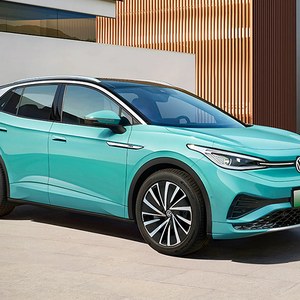
Volkswagen Volkswagen ID.4 X 2025 Facelift Smart Pure Intelligent Edition
How to buy a Volkswagen Id.4 from China
-
1
Define the destination-market use case
Set the destination country, charging conditions, range requirement, passenger count, towing needs and expected annual mileage. This prevents a technically compliant but commercially unsuitable import.
-
2
Search the live Id.4 inventory
Review matching vehicles in the live Id.4 listings when stock returns. If no exact configuration appears, submit a sourcing brief through the RFQ page instead of accepting an unspecified substitute.
-
3
Verify the exact vehicle specification
Confirm the VIN, body label, production date, battery, drivetrain, range test, connector, mileage, condition and equipment. Request the seller’s supporting photographs and documents.
-
4
Request a written landed-cost quotation
Ask for the vehicle price, MOQ, payment milestones, inspection rights, warranty treatment, export documents, freight basis and every charge excluded from the quoted amount.
-
5
Complete inspection before balance payment
Use an agreed independent inspection, with additional battery and high-voltage checks for used vehicles. Resolve discrepancies in the written report before releasing the final payment.
-
6
Book compliant transport and clearance
Engage a forwarder experienced with electric vehicles to confirm battery documentation, packing, stowage, insurance and routing. Complete destination-country homologation and customs planning before shipment.
Id.4 vs rivals
| Hyundai Ioniq 5 | The Ioniq 5 is a close C-segment EV rival, with packaging and charging-focused design that can appeal to space-conscious families and dealers. The Id.4 may be easier for buyers to associate with Volkswagen’s mainstream dealer network, but compare exact battery, cargo, software, connector and local support before choosing. |
|---|---|
| Kia EV5 | The EV5 competes directly through its five-door layout, equipment and software-led appeal. The Id.4 offers a more familiar Volkswagen identity, while the better commercial choice depends on destination compliance, service coverage and the operating profile. |
| Tesla Model Y | The Model Y is a strong brand-led benchmark for premium-mainstream electric SUVs, with a different direct-sales and software ecosystem. The Id.4 may better suit buyers who value traditional dealer servicing, while parts strategy, charging compatibility and resale conditions require direct comparison. |
Frequently asked questions
How is the Volkswagen Id.4 export price determined?
Export pricing reflects year, trim, battery and motor configuration, mileage or condition, and commercial factors such as exchange rates, freight and Incoterms. When a matching vehicle appears, compare its per-unit live price and MOQ in the Id.4 listings. If no exact configuration is listed, request a written sourcing quote through the RFQ page.
What powertrain and range should an overseas buyer expect?
The Id.4 is a battery-electric vehicle offered with rear-motor two-wheel-drive and dual-motor four-wheel-drive configurations in China-market lineups. CLTC range and battery pairings differ by version, so use the exact live listing rather than transferring a range figure between CROZZ, ID.4 X or different trims.
Should an overseas buyer choose a new or used Volkswagen Id.4?
A new vehicle generally reduces condition uncertainty and simplifies software and warranty planning. A used vehicle can lower initial exposure but should be selected only after a high-voltage inspection, battery-health report, service-history review and VIN verification.
How does MOQ work for Volkswagen Id.4 orders?
MOQ is set by the seller, model, configuration and order terms, so it should be confirmed in writing rather than assumed. Some suppliers accept a single vehicle, while others require a batch. Ask whether units can be consolidated across trims and include the agreed minimum in the final quotation and contract.
What affects shipping time and cost for an Id.4?
The principal factors are the port pair, vessel schedule, container availability, vehicle size, battery documentation, insurance, customs and the delivery term. A freight quotation should separate origin, ocean, destination, duty and inland charges so that the per-vehicle landed cost can be compared.
How are spare parts sourced for an imported Id.4?
Order by VIN and the exact CROZZ or ID.4 X model label because components can differ by market and production year. Confirm part references, availability and transport restrictions before purchase, and consider local Volkswagen service coverage when deciding which vehicle configuration to import.
Can a Volkswagen Id.4 be sourced in right-hand drive?
Chinese-market examples are commonly left-hand drive, and right-hand-drive availability should never be assumed from the model name. Provide the destination and required configuration in an RFQ, then have a destination-market specialist confirm the original steering configuration, charging compatibility and homologation route.
How do I order a Volkswagen Id.4 from China?
Start with the live Id.4 listings or an RFQ sourcing request, then confirm the VIN-linked specification and obtain a written quotation with the delivery scope and MOQ. Complete inspection and title checks, use agreed payment milestones, and book battery-compliant transport and destination-market clearance.
Ready to source the Volkswagen Id.4?
Request a Volkswagen Id.4 sourcing brief and written quote through the ChinaCarDirect RFQ page.
Request a quote