
Volkswagen Lamando Export Guide for Overseas Buyers
Buy a Volkswagen Lamando from China with a practical guide to trims, 230TSI and 280TSI engines, export pricing, MOQ, shipping and compliance.
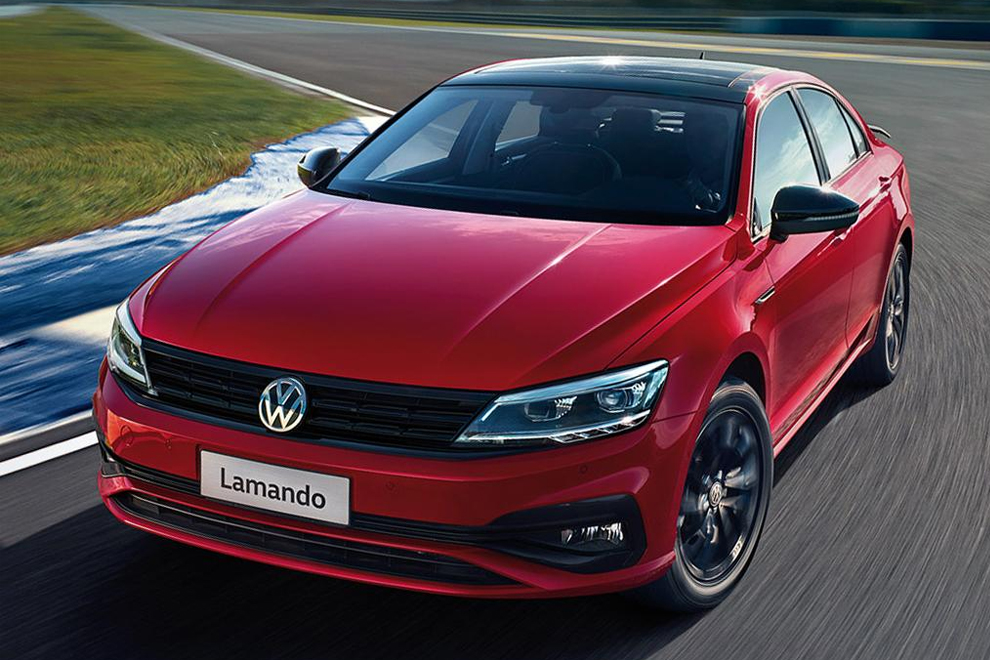
At a glance
- The Volkswagen Lamando is a China-market five-door compact crossover with a mainstream Volkswagen badge and several equipment-led editions.
- The 230TSI and 280TSI families provide different engine choices, while the 2.0T GTS serves as a separate performance-led option.
- New vehicles can offer specification consistency, whereas used Lamando examples require closer scrutiny of condition, mileage and service history.
- Export pricing changes with model year, trim, condition, exchange rates, freight, destination charges and the selected Incoterm.
- Steering configuration, destination-country homologation, parts support and aftersales capability should be confirmed before an order is committed.
Why the Volkswagen Lamando matters for export markets
The Volkswagen Lamando is a China-market compact crossover positioned between a conventional family hatchback and a larger SUV. That packaging appeals to overseas dealers serving buyers who want a raised, five-door vehicle without moving into a premium segment. For a Volkswagen Lamando for export, the attraction is not exotic engineering; it is a familiar marque, a broad 230TSI and 280TSI lineup, and configurations that can serve fleet, rental, and retail programmes. It gives import buyers a way to compare a mainstream Chinese-built SUV on equipment, running costs, and local-market suitability rather than relying on badge appeal alone.
Export relevance depends on market fit rather than global popularity in the abstract. The Lamando may be attractive where the Volkswagen name is trusted, compact SUVs are practical for urban use, and independent importers can support Chinese-origin spare parts and software. It may be less convincing where buyers expect a locally manufactured model, factory warranty coverage, or a simpler emissions and type-approval process. Buyers should therefore treat the model’s badge as only one part of the commercial case. Destination pricing, insurance, parts availability, and residual values can overturn that first impression quickly.
For distributors, the Lamando can fill a gap between a low-cost Chinese-brand SUV and a higher-cost European import. Its useful attributes are recognizable design, a conventional five-door layout, and several equipment-led editions, while the 2.0T GTS provides a separate performance-oriented comparison point. For fleet buyers, however, resale prospects, parts standardization, and aftersales support may matter more than sporty badges or acceleration. A local launch plan is therefore as important as the vehicle itself. That means checking expected resale, technician familiarity, and access to parts before committing to a substantial wholesale shipment.
- Compact five-door crossover utility
- China-market Volkswagen positioning
- 230TSI, 280TSI and GTS choices
Model range, trims and powertrain variants: how the lineup is structured and how to choose
The lineup is organized around displacement and market-facing edition names. The 230TSI represents the smaller-engine 230TSI DSG Trend Edition, while the 280TSI DSG family spans Comfort, Cool, Glamour, Sporty, Spicy, and Ultra Spicy Flagship descriptions. The 2.0T GTS is presented as a separate, more performance-led trim. Edition labels are useful for matching inventory, but they do not create a universal equipment hierarchy across model years. A buyer should request the exact build sheet, factory options, production date, and any version-specific changes before assuming one named edition is mechanically or visually equivalent to another.
For everyday fleet use, the smaller 230TSI choice is the rational baseline when its local tax, insurance, and fuel profile suit the market. The 280TSI versions add a larger engine family for buyers prioritizing stronger performance, towing capacity, or load-carrying reserve, although exact figures must be checked in the live listing. The GTS is best treated as a specialist purchase: it may appeal to a distributor building a sporty image, but running costs, insurance, and resale should be modelled before inclusion. Performance-oriented branding alone does not guarantee better commercial results.
When choosing a Volkswagen Lamando for export, start with the buyer and operating environment rather than the newest or most elaborate badge. City fleet operators may prioritize fuel economy, ease of servicing, and availability of basic parts. Premium dealers may want the 280TSI with a higher specification, while performance customers may select the GTS. Because equipment and calibration can change by year, the trim name is a starting point; the vehicle-specific listing and build documentation must confirm the final specification. Compare verified options against likely resale demand in the destination market.
- 230TSI: smaller-engine baseline
- 280TSI: broader DSG choice
- 2.0T GTS: performance-led option
- Confirm year-specific equipment
New vs used Volkswagen Lamando: how export inventory is structured and how buyers choose
Export inventory can be structured around new dealer stock, demonstrator vehicles, parallel-imported examples, and used cars sourced through used-car channels. The Volkswagen Lamando wholesale route is therefore not one homogeneous product: a new unit may offer a more predictable delivery and condition, while a used example can reduce the initial purchase commitment and make a particular model year easier to obtain. Buyers should classify condition before comparing price. A live listing should be assessed for age, mileage, prior use, paint condition, interior wear, service evidence, and whether the vehicle is road-ready.
A new Volkswagen Lamando generally makes sense for fleets that value specification consistency, known delivery timing, and the latest factory configuration available to the seller. A used Volkswagen Lamando can be attractive to a dealer seeking a lower acquisition cost, a specific older generation, or a vehicle with established demand in a particular segment. The trade-off is uncertainty: buyers must scrutinize wear, mechanical condition, previous repairs, documentation, and remaining useful life more closely. A lower sticker price can be offset by nearer service, downtime, or compliance work, so the total cost of ownership must be compared.
Condition grading should be verified rather than inferred from the words “new” or “used.” Ask for exterior and interior photographs, a cold-start and driving video where practical, odometer photographs, maintenance records, and a document list. For a used purchase, independent inspection is especially valuable because appearance alone cannot reveal suspension wear, fluid condition, or accident repair. For a new purchase, verify that the model year, trim, paint, options, and delivery status agree across the listing, invoice, and vehicle identification documents. Any discrepancy should be resolved before funds or transport are committed.
- Classify new, demo and used status
- Check mileage, repairs and service records
- Match VIN, trim and documents
How export pricing works: the factors behind a live listing price, and how to read one
A Volkswagen Lamando export price guide should explain variables rather than publish a fixed figure that may quickly become obsolete. The vehicle-side drivers are model year, trim, engine and transmission, mileage, condition, paint, options, and whether the unit is new, demonstrator, or used. Commercial variables add exchange-rate movement, Chinese export charges, insurance, inland transport, freight, terminal fees, and the selected Incoterm. A listing price is therefore a starting quote, not automatically a landed cost. Before comparing units, confirm whether the displayed amount excludes destination taxes, registration, customs clearance, and delivery.
To read a live Lamando listing, begin with identity: exact model year, trim, engine, transmission, mileage, condition, and location. Then check what the seller includes—roadworthy status, documents, export clearance, inland movement, or only the vehicle at origin. Compare offers under the same Incoterm so that one amount is not silently expanded while the other excludes freight, insurance, or handling. The same principle applies to taxes and charges that cannot be quoted until the destination and importer details are known. Ask for a written quote with inclusions, exclusions, validity, and payment conditions.
Currency conversion must also be handled consistently. A seller quoting in Chinese yuan, a buyer comparing in US dollars, and a freight forwarder settling in another currency can produce different headline totals. Sensible buyers use the same exchange-rate basis, confirm who bears currency movement, and separate vehicle cost from logistics. Current per-unit prices and availability should be taken from the live inventory rather than a remembered figure, because identical-looking Lamandos can differ materially. Trim, year and condition can change the commercial package even when the model badge and photograph appear the same.
- Compare identical year, trim and condition
- Normalize currency and Incoterm
- Request written inclusions and exclusions
- Use live listings for current figures
MOQ, ordering and payment: single units vs consolidating a container
The applicable MOQ belongs to the commercial offer, not to the Volkswagen Lamando model itself. A marketplace listing may support a one-vehicle inquiry, while a container plan normally combines several units to improve freight economics. Buyers looking for Volkswagen Lamando wholesale supply should check the MOQ displayed for each live listing and ask the seller how mixed trims can be consolidated. That avoids assuming either that every unit must be identical or that a single inquiry guarantees container priority. Confirm whether deposits, documentation, and payment milestones change at volume levels.
A single-unit order is appropriate for a trial vehicle, a replacement, or a dealer testing local demand. It offers simpler selection and less capital exposure, but the buyer may pay a higher effective freight rate per vehicle and may have less leverage on vehicle cost. A consolidated order can reduce transport cost per unit and improve model coverage, yet it increases working-capital exposure and makes it harder to correct a trim or specification error. Buyers should model both scenarios using the same quote basis. Also include port charges and inland delivery.
The ordering sequence should be documented before payment. Submit the destination, quantity, preferred trims, budget basis, and required Incoterm through the RFQ, then request a pro forma invoice identifying each vehicle and every charge. Agree on inspection rights, deposit, balance timing, cancellation terms, title transfer, and what happens if a unit does not conform. Payment instructions should be verified independently and released only against agreed milestones, rather than relying on informal seller assurances. Keep the approved specification, inspection report, invoice, transport document, and handover record together for each vehicle processed.
- Check MOQ on each live listing
- Compare unit and container economics
- Document specifications and payment milestones
Shipping, homologation and market compliance caveats: LHD/RHD and import rules by country
Volkswagen Lamando export shipments must be planned around steering configuration, vehicle identification, customs, and local type approval. China-market examples may be offered in left-hand-drive form, so do not assume a right-hand-drive unit is available merely because the destination market expects one. Ask the seller for the steering position, VIN, build plate, homologation documents, and photograph of the instrument cluster. Local conversion is possible in some markets but should be treated as a separate, regulated project. Confirm who performs and approves any conversion before including the vehicle in a delivered quotation.
Import rules differ by country and can affect whether a China-built car can be registered, how it is taxed, and which documents a dealer must retain. Check the applicable customs classification, duty and tax treatment, emissions requirements, noise limits, safety and equipment rules, insurance, and registration procedures with a local specialist. A homologation statement from the seller is useful evidence, but it is not a substitute for destination-country approval. Build this work into the launch timetable, because a rejected or modified vehicle can lose both time and value after the shipping expense is sunk.
Before loading, confirm that the VIN and paperwork match the contracted vehicle, that the 12-volt battery, tyres, fluids, and visible damage are recorded, and that export preparation does not damage warranty-sensitive systems. Container plans need a loading plan that prevents unsafe movement, while roll-on/roll-off or specialist vehicle transport requires suitable securing and route clearance. Insurance should reflect the agreed Incoterm and the period before delivery. On arrival, allow time for customs inspection, damage checks, registration, and any corrective work before handover to customers. Keep photographic evidence through each handover and transfer point.
- Confirm LHD or RHD before purchase
- Obtain destination-country compliance advice
- Match VIN, invoice and transport papers
- Inspect and document condition before loading
Who should buy the Lamando — and who should pick a different vehicle
The Lamando fits buyers who want a Volkswagen-badged compact SUV at a level that can make sense for parallel or dealer-led import. It is particularly relevant for fleet operators testing a Chinese-sourced alternative, dealers able to handle local registration and aftersales, and motorists who prefer the DSG-equipped 230TSI or 280TSI range over a larger, more expensive SUV. Its appeal is strongest when the chosen trim balances equipment with straightforward parts support and a realistic resale plan. It is not automatically the best choice where local Volkswagen service coverage, emissions rules, or financing favour other vehicles.
A larger SUV may be preferable when passenger space, cargo volume, high-altitude performance, or heavy towing are non-negotiable. A smaller crossover can be more economical for urban routes, while a hybrid or electrified model may better suit markets with low-emission incentives or company carbon policies. Buyers focused on track-oriented handling may find the 2.0T GTS more relevant than the mainstream editions, but should compare insurance, fuel use, tyres, and residual value. The correct alternative depends on use case, not badge. Verify any towing claim against the exact vehicle and local registration rules.
The model is also a weaker candidate for buyers who cannot support a niche Chinese-origin marque, require a long-established local service network, or expect factory warranty service in every country. Parts, diagnostic software, corrosion protection, and residual-value data may be less familiar than for a locally dominant rival. Conversely, those same factors can create a sourcing opportunity for an importer with the technical capability to stock parts and manage homologation. Before buying Volkswagen Lamando from China, ask whether the business can support the vehicle after the sale, not merely place the first order.
- Best for value-focused compact-SUV importers
- Strong for fleets with aftersales capability
- Weaker where local VW support is limited
- Consider size, emissions and towing needs
Main rivals and how the Lamando compares
The closest alternatives depend partly on the destination, but three real compact-SUV competitors illustrate the choice. The Geely Boyue is a China-built rival that can appeal on equipment and import economics; the deciding issues are engine, platform support, safety equipment, parts logistics, and resale in the chosen market. The MG HS offers another Chinese-sourced package with a more explicit SUV identity. It may compete closely on purchase terms, yet dealer familiarity, software support, and fuel efficiency can differ from the Lamando. Neither alternative is automatically cheaper once all landed costs are counted.
The Nissan Qashqai provides a useful benchmark for buyers who value a widely established nameplate and a different approach to packaging and ownership. It can be more immediately familiar to some overseas motorists, and local market versions may have different engines and equipment from China-spec cars. Compare the exact vehicle, not a generic badge. Boot practicality, fuel use, safety equipment, parts availability, and the importer’s ability to support the model should carry more weight than whether one badge feels more familiar. The same destination rules and Incoterm should frame the comparison.
The Volkswagen badge, DSG-equipped mainstream variants, and broad edition naming give the Lamando a distinct position, but they do not guarantee superiority. A buyer should create a shortlist from actual Lamando listings and like-for-like rivals, then score availability, specification, landed cost, compliance effort, service support, and resale assumptions. For Volkswagen Lamando wholesale decisions, this disciplined comparison is more reliable than choosing the newest model or the most dramatic-sounding trim. The best vehicle is the one whose total operating and market risks remain acceptable after delivery. That is the practical export advantage.
- Geely Boyue: China-built equipment rival
- MG HS: direct import-SUV alternative
- Nissan Qashqai: established-nameplate benchmark
Live Volkswagen Lamando export inventory
View all listings →Real units currently on ChinaCarDirect with per-unit asking prices and MOQ. Availability updates live from the catalogue.
How to buy a Volkswagen Lamando from China
-
1
Define the destination and use case
Record the destination country, required steering configuration, typical customer, operating conditions and compliance constraints. This prevents technically matching vehicles that are unsuitable for the intended market.
-
2
Shortlist live Lamando inventory
Review the current Volkswagen Lamando listings and shortlist units by year, trim, engine, transmission, condition and location. Reject listings that do not provide enough identity or documentary information.
-
3
Verify the exact vehicle
Request build-sheet details, option codes, VIN, photographs, service evidence, odometer information and the proposed export documents. Confirm that the listing description and invoice describe the same vehicle.
-
4
Request a comparable quotation
Send an RFQ stating the destination, quantity, preferred trims and preferred Incoterm. Ask for a written quote separating vehicle cost, export preparation, freight, insurance, destination charges and payment milestones.
-
5
Clear compliance before commitment
Have a local import specialist check homologation, customs classification, duty, taxes, emissions rules, safety requirements and registration. Confirm whether factory RHD, local conversion or another specification is required.
-
6
Agree the order and payment terms
Confirm the applicable MOQ, vehicle-level specifications, inspection rights, deposit, balance timing, cancellation terms and title-transfer process. Verify payment instructions independently before releasing funds.
-
7
Book transport and complete handover
Select a transport method appropriate to the vehicle and route, arrange insurance, and record condition before loading. After arrival, complete customs, damage inspection, registration and any corrective work before customer delivery.
Lamando vs rivals
| Geely Boyue | The Geely Boyue is a direct China-built compact-SUV competitor that may appeal on equipment and import economics. Compare engine choice, platform support, parts logistics, safety specification and likely resale support in the destination market. |
|---|---|
| MG HS | The MG HS is another China-sourced SUV that can compete closely on purchase terms and equipment. The Lamando may appeal to buyers wanting a Volkswagen badge and DSG-equipped variants, while MG familiarity, software support and servicing should influence the choice. |
| Nissan Qashqai | The Nissan Qashqai offers an established-nameplate alternative for buyers who prioritize recognition, packaging or local familiarity. Compare the exact engine, boot, equipment, fuel use, safety features and aftersales support rather than relying on brand reputation alone. |
Frequently asked questions
How is the Volkswagen Lamando export price determined?
The price is influenced by model year, trim, engine, transmission, mileage, condition, options, exchange rates, export charges, freight, insurance and the selected Incoterm. Current per-unit figures and availability should be checked on the live Volkswagen Lamando listings, and destination charges should be requested separately.
Which engine and transmission options are available?
The range includes 230TSI DSG, 280TSI DSG and 2.0T GTS listings. The GTS is a separate version, so its transmission, equipment and outputs should not be assumed to match the mainstream trims; verify the vehicle-specific listing before ordering.
Should I buy a new or used Volkswagen Lamando?
A new vehicle can provide better specification consistency and more predictable condition, while a used example may suit buyers seeking a lower acquisition cost or a particular model year. Used purchases require closer inspection of wear, repairs, mileage, service records and documentation.
What is the MOQ for a Volkswagen Lamando export order?
The applicable MOQ depends on the seller’s commercial offer and is shown or confirmed for each live listing. Ask whether mixed trims can be consolidated, what deposit applies and how payment milestones change when several vehicles are ordered together.
How long does shipping take, and what affects the cost?
Shipping time and cost depend on origin and destination ports, transport mode, vessel or vehicle-carrier space, route, season, unit dimensions, securing requirements, insurance and inland delivery. The supplier or forwarder should provide a route-specific schedule and an all-in quotation under the agreed Incoterm.
Can Volkswagen Lamando spare parts be ordered separately?
Parts may be sourced separately, but buyers should confirm catalogue availability and compatibility using the exact VIN and vehicle specification. Chinese-market components, electronic modules and service software may require specialist support, so include parts and diagnostic capability in the aftersales plan.
Is a right-hand-drive Volkswagen Lamando available?
Right-hand-drive availability must be confirmed for the individual listing because China-market examples may be offered in left-hand-drive form. Do not assume that a local conversion is factory-approved; verify the conversion, lighting, instruments, documentation and destination-market approval requirements.
How do I order a Volkswagen Lamando from China?
Submit the destination, quantity, preferred trims, condition and Incoterm through the RFQ, then review a written vehicle-specific quotation. Verify the specification and documents, agree inspection and payment milestones, complete the applicable compliance checks, and only then authorize transport.
Ready to source the Volkswagen Lamando?
Send ChinaCarDirect your destination, preferred trim, quantity and Incoterm for a current Volkswagen Lamando quotation.
Request a quote