
Volkswagen Magotan (Import) Export Buying Guide
Buy a Volkswagen Magotan (import) from China with practical guidance on trims, export pricing, MOQ, shipping, homologation and selection for dealers and fleets.
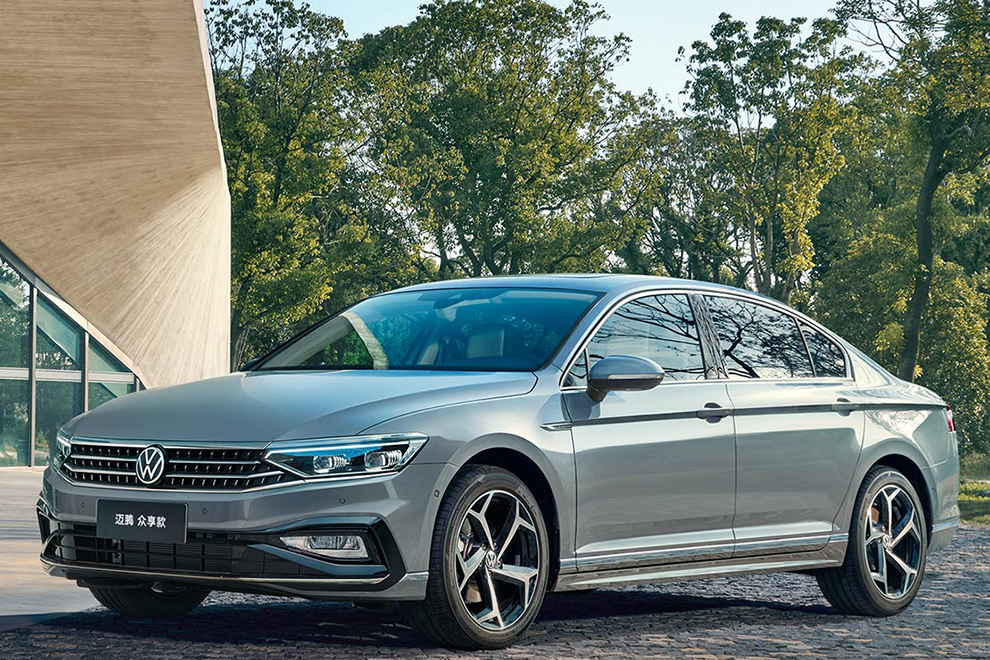
At a glance
- The Magotan is a mid-size Volkswagen saloon and estate suited to family, dealer and fleet sourcing.
- The 2.0 TSI is the mainstream petrol option, with front-wheel-drive and 4WD Wagons in the range.
- The 3.2 Prestige represents a larger V6 choice but calls for additional age, service and parts checks.
- A listing marked new may still be age-old stock, so production date and vehicle history matter.
- Export price and MOQ must be checked on the live listing and then converted into a landed-cost comparison.
- LHD/RHD suitability, homologation and destination-country import rules can determine whether a vehicle is feasible.
Why the Volkswagen Magotan (import) matters for export markets
The Volkswagen Magotan occupies a middle ground for overseas buyers: it combines VW's familiar engineering and resale recognition with a midsize footprint that can be more practical than a compact sedan. The import designation matters because specifications and condition can differ from cars sold under the related Passat name in Europe or other regions. For dealers and fleet operators, that makes the Magotan a candidate rather than a drop-in equivalent. It is especially relevant where a roomy saloon, understated styling and familiar VW parts matter more than the newest software.
Demand for the Magotan in export markets is strongest where buyers want a conventional, family-scale car without moving into a large luxury sedan. Its restrained design, established VW positioning and estate body make it useful for passenger-car dealers and mixed fleets. A 4WD version can suit regions with poor roads, wet climates or winter traction needs, while front-wheel-drive cars may offer simpler ownership. The model therefore competes as a practical European-style alternative to locally assembled sedans, rather than through one global specification. Its appeal depends on practical utility, not novelty alone.
For an importer, the important question is not simply whether the Magotan is popular, but whether a specific unit can be registered, serviced and resold economically. That requires matching body style, drive layout, engine and equipment to local demand rather than copying a domestic sales pitch. ChinaCarDirect’s Volkswagen hub is a starting point for narrowing the brand, while the live Magotan search supports comparisons of actual cars, documents and seller terms. Treat model recognition as a demand advantage, not proof that every imported example is compliant or properly supported locally.
- Saloon or estate.
- FWD or 4WD.
- Homologation is decisive.
Model range, trims and powertrain variants: how the lineup is structured and how to choose
Magotan’s range is organized around body style, engine and drivetrain rather than a simple luxury hierarchy. The model family includes a saloon and an estate, with the latter commonly called a Wagon. Export-facing names include Wagon 2.0TSI Comfort, Wagon 2.0TSI Luxury, Wagon 2.0TSI 4WD Comfort and Wagon 2.0TSI 4WD Luxury, plus a 3.2 Prestige version. These labels define the buying brief, but do not guarantee identical equipment across production years or markets. The VIN, build date and live listing remain the final references for the exact car under review before payment.
For most buyers, the 2.0 TSI is the central decision point. TSI denotes Volkswagen’s turbocharged petrol family, and the 2.0-litre version offers performance familiar to many global buyers. Comfort and Luxury indicate equipment hierarchy, while 4WD is the more consequential mechanical choice. Front-wheel-drive versions may be simpler to tire and service; a 4WD car adds hardware and potentially weight. Compare the complete drivetrain, gearbox, tires and condition rather than assuming the higher trim is automatically better value. Compare also the local parts plan, fuel availability and expected holding costs before committing.
The 3.2 Prestige serves buyers seeking the character and refinement of a larger petrol V6 rather than the mainstream 2.0 TSI. Its age can be an advantage for a lower entry point, or a liability when maintenance, insurance and parts availability matter. Before choosing it, request proof of engine specification, transmission, service history and roadworthiness. For a mixed fleet, the practical hierarchy is: choose body style, confirm engine, decide whether 4WD is necessary, then compare condition and equipment within that mechanical configuration. This sequence prevents an attractive badge from obscuring operating needs.
- Saloon or Wagon.
- Match 2.0 TSI.
- Review 3.2 Prestige.
New vs used Volkswagen Magotan (import): how export inventory is structured and how buyers choose
An export listing marked “new” may not mean factory-fresh stock. It can describe a vehicle registered or displayed in China and now offered as a new-condition or new-old-stock unit. Buyers should treat condition status as the starting point, not the end of inspection. Ask for the production month, VIN, registration history, odometer reading, accident disclosures and warranty terms. A low-mileage vehicle several years old should still be evaluated for tyres, fluids, seals and deferred maintenance, just as closely as a conventional used car. Age can offset otherwise attractive mileage alone.
Used cars and new-old stock suit different buyers. A genuinely newer car reduces wear uncertainty and may simplify fleet presentation, but age alone does not guarantee better reliability. An older, carefully maintained example may deliver a lower acquisition cost and the same core mechanical package, especially where replacement parts are available. Conversely, poor records, heavy wear or uncertain history can turn a low purchase quote into a costly ownership proposition. Compare expected costs over the intended holding period rather than purchase price alone and include scheduled maintenance, tire replacement and insurance.
Live availability changes, so a buyer interested in a used Magotan should search current inventory rather than assume a used option is present. When comparing new-condition and used listings, apply the same checklist: inspect body and underbody, verify cold starts and fluid condition, check tire age, confirm service invoices, test electrical functions, and match the VIN to the paperwork. Dealers should also check whether a unit can be sold without manufacturer-authorised status. For fleet purchases, one selected unit may be easier to standardise than a mixed batch, while retailers may prefer broader trim depth.
- Age-old stock may be “new”.
- Assess age and condition.
- Check live used supply.
How export pricing works: the factors behind a live listing price, and how to read one
A Magotan export listing price is a starting commercial figure, not automatically a landed cost. Production year, body style, trim, engine, 4WD system, mileage, condition, service history, paint and equipment affect value. Seller location and transport mode also matter because handling and storage can differ. Currency exchange can move the apparent price even when the underlying car has not changed. The Incoterm determines where responsibility transfers, so the same vehicle can look inexpensive under one quotation and expensive under another once freight, insurance and destination charges are included and properly defined.
To compare listings fairly, open each live record and separate vehicle attributes from logistics. Check model year, exact trim, drivetrain, transmission, odometer, condition, photographs, VIN availability and repair history. Then determine whether the displayed figure includes inland transport, export handling, marine insurance, ocean freight, terminal charges or duties. A seller-premises price is not comparable with a delivered-port quote unless the scope is written down. Ask for the currency, validity period, payment milestones and exact Incoterm named in the pro forma invoice. Those terms should be consistent for every quote being compared.
The reliable way to establish export price is to shortlist equivalent units, request matching written quotations, and calculate the landed total in the destination currency. Add registration, taxes, customs, port services and local delivery only if outside the seller’s quotation. ChinaCarDirect’s live Magotan listings are where to verify the current per-unit price and applicable minimum order, because both can change with seller and specification. Treat a displayed price as a prompt for diligence, not a delivered price, and do not compare it with a local advertisement without adjusting for year, condition, tax status and warranty.
- Specs set base value.
- Freight alters landed cost.
- Check live prices.
MOQ, ordering and payment: single units vs consolidating a container
MOQ on the Magotan is a commercial term attached to the selected offer, not a universal property of the model. It may allow a single vehicle for a trial order, while a seller or campaign may require several units of one configuration. The live listing should state the applicable minimum; if not, ask before reserving stock. For an importer testing demand, one unit can reduce inventory and working-capital risk, but freight economics may be less favorable. Confirm that the quoted price and available loading slot apply at the ordered quantity.
Container consolidation can improve unit economics when several Magotans share documentation, destination, loading plan and sales channel. A dealer network can combine base front-wheel-drive cars, Luxury versions or 4WD stock according to actual orders, but too many specifications create loading, parts and resale complexity. A vehicle’s dimensions and weight determine loading position and capacity, so confirm them from the live listing before assuming how many units fit. Consolidation also requires one clear contract party and aligned delivery deadlines. Freight savings should be weighed against slower turnover if some units are not yet sold.
A sound order process starts with a written pro forma invoice identifying the vehicle, condition, options, price basis, MOQ, deposit, balance trigger, stock status, inspection opportunity and release of original documents. Payment milestones should follow visible events such as inspection and shipment, with refund or cancellation terms stated for failed inspection, non-compliance or delayed cargo. Buyers purchasing for resale should keep the VIN, photographs, export declaration, commercial invoice and transport document together. For any multi-unit order, use the same specification checklist on every car so the batch can be managed consistently.
- Offer-specific MOQ.
- Single-unit market tests.
- Written payment milestones.
Shipping, homologation and market compliance caveats: LHD/RHD and import rules by country
Vehicle shipping moves under roll-on/roll-off or containerized service, with the method chosen by route, urgency and cargo volume. Transit time and cost are not fixed by the model name; they depend on origin and destination ports, carrier schedule, space, insurance, terminal handling, customs clearance and inland delivery. The Magotan’s dimensions and weight also affect handling, but should be verified for the exact unit. Obtain a door-to-door or port-to-port quotation naming every charge, then arrange pre-shipment inspection and handover. Marine transit is not proof that the car has arrived ready to register.
Import rules are national and may be stricter than the seller’s export description. Before contracting, check the destination’s rules for older vehicles, steering position, emissions, noise, safety equipment, VIN, roadworthiness, customs value, duty, taxes, quotas and age limits. Some markets distinguish a used import from a new or low-mileage vehicle for tax or licensing purposes, while others require approval or modification for particular features. Confirm which documents registration requires and retain evidence of compliance before the vehicle leaves China. Neither the model name nor a seller-provided certificate replaces the importing country’s written requirements.
LHD and RHD availability is a critical filter. A Magotan configured for one steering position cannot be assumed legal or comfortable in the other market; conversion adds cost, parts risk and inspection work. VW parts are widely known, yet a China-spec Magotan should not be assumed to share every component with a locally sold Passat. Use the VIN and manufacturer part numbers for suspension, body, electronic or service items, and confirm local technician access and parts lead times. If the destination strongly favors RHD, source a confirmed RHD example rather than solve an LHD mismatch after arrival.
- Confirm steering position.
- Check local approval rules.
- Name destination charges.
Who should buy the Magotan (import) — and who should pick a different vehicle
The Magotan (import) fits dealers and fleet operators seeking a comfortable, conventional saloon or estate with established VW branding and a choice between front-wheel drive and 4WD. It is particularly attractive where a station wagon is wanted for luggage, equipment or family use, or where mild winter and rough-road conditions make 4WD useful. Buyers seeking a European-style family car may also value the model’s long-running nameplate and familiarity. These benefits are strongest when the importer can arrange sensible servicing, maintain a parts plan and sell into a segment that understands mid-size cars.
It may be a weaker fit for buyers prioritizing fuel consumption, maintenance simplicity or the newest driver-assistance features. It is also unsuitable where local rules exclude the configuration, where RHD is mandatory but only LHD stock is available, or where a used example lacks credible service history. Commercial payloads, heavy towing and rough off-road work should not be assumed from a passenger-car platform. For city fleets, parking dimensions and operating costs may matter more than comfort. In those cases, a smaller hybrid, locally homologated model or purpose-built van may be more rational.
The decision should be framed around a use case and total-cost horizon. A dealer buying for resale should consider trim demand, warranty support, homologation and parts depth more than badge value. A buyer or small fleet should verify ownership costs, insurance class, service intervals, tire availability and residual demand. Those wanting factory-new condition, hybrid fuel economy or the newest active-safety stack should compare alternatives rather than accept an older Magotan. If the car is bought for its 4WD system or Wagon practicality, those features should justify the extra ownership costs.
- Suits saloon and estate.
- FWD or 4WD.
- Weak city-economy fit.
Main rivals and how the Magotan (import) compares
The closest alternatives to a mid-size Magotan are other family saloons with similar space, running costs and dealer-service support. The shortlist changes by country because the Toyota Camry, Honda Accord and Nissan Teana are offered in different generations, body styles and powertrain mixes. A fair comparison starts with the destination market, not the Chinese model year: match dimensions, seats, fuel, drive layout, condition, tax treatment and warranty. This matters when an imported China-spec car competes with a locally registered hybrid that may offer different fuel economy and residual-value expectations over time.
The Toyota Camry is a practical benchmark because many markets pair it with efficient hybrids and broad sedan availability. It may be better for buyers focused on fuel use and local support. The Magotan’s stronger argument is its estate option and, in relevant versions, 4WD; it may also give a European importer a more purposeful identity. The Honda Accord is another direct size-and-price rival, with a strong reputation for road manners and hybrid choices in some markets. Magotan buyers should identify why the VW alternative is preferable rather than relying on brand prestige.
The Nissan Teana is a useful comparator because it occupied a similar family-sedan position in China and, in some configurations, offered a larger petrol engine. It can appeal to buyers prioritizing size and equipment, although age, parts support and local resale conditions can dominate the decision. Against the Teana, the Magotan offers a clearer choice between front-wheel-drive and 4WD estates, while a buyer focused on the newest hybrid technology may prefer another path. The final choice should be made from a like-for-like landed-cost comparison and an assessment of parts availability, not brochure features alone.
- Camry and Accord rivals.
- Teana comparator.
- Compare landed costs.
Live Volkswagen Magotan (import) export inventory
View all listings →Real units currently on ChinaCarDirect with per-unit asking prices and MOQ. Availability updates live from the catalogue.

How to buy a Volkswagen Magotan (import) from China
-
1
Define the destination-market brief
Confirm LHD or RHD requirements, saloon or Wagon preference, available 4WD need, fuel expectations and local registration conditions before selecting a vehicle.
-
2
Shortlist the live inventory
Use the live Magotan listings to compare production year, exact trim, body style, drivetrain, condition, mileage and available documents. Save the VIN, photographs and listing references for each serious candidate.
-
3
Request evidence and inspection material
Ask for the production date, registration history, odometer reading, service invoices, equipment list, cold-start information and detailed body and underbody photographs. Request any repair or repainting disclosures.
-
4
Request comparable landed quotations
Ask each seller for the same price basis, currency, Incoterm and freight scope. Identify any taxes, customs, insurance, port, registration and inland-delivery charges that are not included.
-
5
Confirm MOQ and payment terms
Verify the applicable minimum order, required configuration, deposit, balance trigger, quotation validity and refund conditions in writing. For a multi-unit purchase, specify how mixed production dates and trim levels will be handled.
-
6
Approve a pre-shipment inspection
Have the agreed inspector check the VIN, exterior, interior, underbody, fluids, tires, warning lamps and service condition against the contract. Document every discrepancy before authorising shipment.
-
7
Arrange transport and registration
Book the agreed carrier, insurance and export documentation, then confirm customs clearance and destination inspection requirements. Keep the commercial invoice, export declaration, transport record and vehicle documents together through registration.
Magotan (import) vs rivals
| Toyota Camry | The Camry is the efficiency-led benchmark where local hybrid sedans are available, often offering straightforward ownership and broad service familiarity. The Magotan is more distinctive when an estate or 4WD variant is required or a European-brand specification is preferred. |
|---|---|
| Honda Accord | The Accord is a close family-sedan alternative for private and fleet buyers, with sedan availability and hybrid choices in some markets. The Magotan offers a different body-style and drivetrain proposition, while local Accord familiarity may influence the decision. |
| Nissan Teana | The Teana is a particularly relevant comparator in the Chinese family-sedan market and can offer larger petrol engines in some configurations. The Magotan provides a clearer estate and 4WD choice, while parts support and residual demand remain decisive for either model. |
Frequently asked questions
How is the export price of a Volkswagen Magotan (import) determined?
Export price is driven by the exact vehicle and terms: production year, trim, engine, drivetrain, mileage, condition, options, seller location, exchange rate, freight, insurance and Incoterm. ChinaCarDirect’s live Magotan listings show the current per-unit price and applicable MOQ for each offer. Ask for a written quotation and add any destination charges not included, because the displayed figure may not be the landed cost.
What engine, transmission and range should I expect?
The export range includes 2.0 TSI turbocharged petrol versions and a 3.2-litre V6 petrol Prestige version. The 2.0 TSI can be front-wheel drive or 4WD depending on trim, while transmissions are automatic; confirm the exact DSG or other automatic unit for the selected year. As a combustion vehicle, it has no battery-electric range figure, and real driving range depends on fuel use, load and conditions.
Should I buy a new-condition or used Volkswagen Magotan (import)?
A new-condition listing may be age-old stock rather than factory-fresh, so check production date, mileage, registration and history. A used car can offer lower acquisition cost but more wear and service uncertainty; compare total holding costs, service evidence and likely residual demand. Used availability is not continuous, so confirm a suitable example in the live listings.
What is the MOQ for a Magotan export order?
MOQ is set by the seller and offer rather than by the Magotan model. The selected live listing should show its applicable minimum, which may accommodate a trial unit or require a batch depending on the seller. Buyers should confirm the quantity, configuration, price and loading slot in writing before paying.
What determines shipping time and cost?
Shipping time and cost depend on origin and destination, carrier schedule, space, insurance, port and terminal charges, customs clearance, inland delivery and cargo handling. A Magotan’s dimensions and weight also affect handling and loading. Request a door-to-door or port-to-port quotation with every charge named rather than assuming a standard transit time or rate.
Are Volkswagen Magotan spare parts easy to source?
Parts support is destination-specific even within the VW brand. Use the VIN and manufacturer part numbers because a China-spec Magotan may not share every component with a locally sold Passat. Confirm technician familiarity, electronic-part support and expected lead times for wear items before importing.
Is a right-hand-drive Volkswagen Magotan (import) available?
Do not assume an RHD Magotan is available simply because listings show the model name. Confirm the steering position on the exact vehicle before ordering, because an LHD car may be unsuitable for registration or use in an RHD market. Conversion can add cost, parts risk and inspection requirements, so a confirmed RHD example is generally the safer route.
How do I order a Volkswagen Magotan (import) from China?
Start with the live Magotan listings, shortlist by body style, engine, drivetrain, production year and condition, then request the VIN, service history, photographs and a written pro forma invoice. Confirm MOQ, payment milestones, inspection rights, shipping terms and refund conditions before paying. After pre-shipment approval, arrange transport, customs clearance and destination registration using the agreed documents.
Ready to source the Volkswagen Magotan (import)?
Request an RFQ for a Volkswagen Magotan (import), specifying destination, body style, drivetrain, condition, MOQ and Incoterm for a comparable landed quote.
Request a quote