
Buy Volkswagen Polo from China: Export Buying Guide
Compare Volkswagen Polo trims, engines, export pricing drivers, MOQ, shipping and compliance, and source a compact petrol hatchback through live inventory and RFQ.
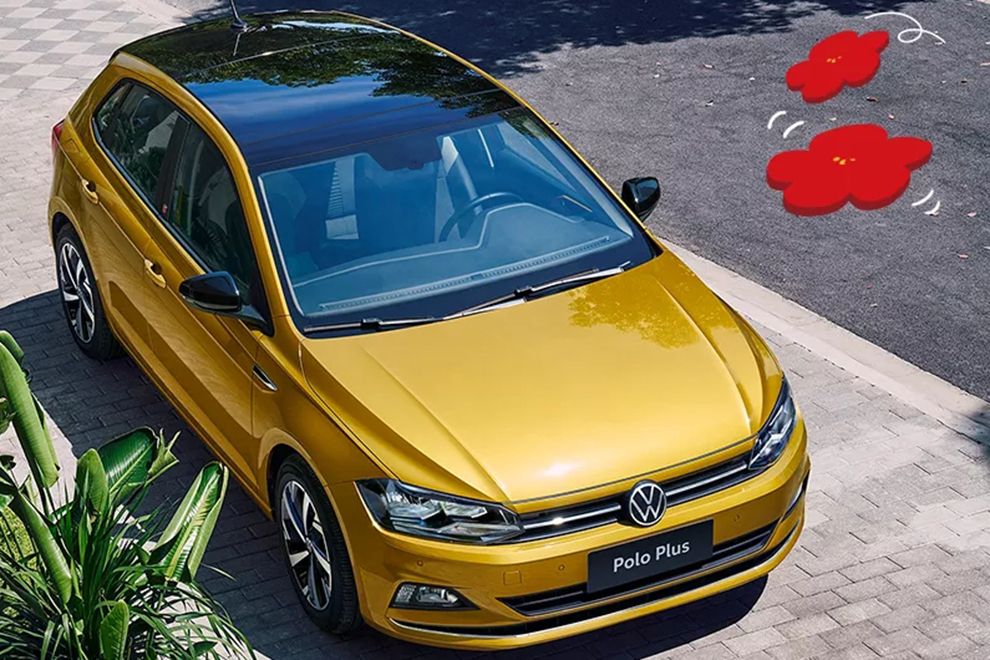
At a glance
- The Polo is a compact petrol hatchback suited to urban dealers and fleet operators seeking an easy-to-support small car.
- The export range includes 1.4L, 1.5L, and 1.6L petrol applications with manual or automatic transmissions, subject to unit confirmation.
- Live vehicle prices vary by age, specification, condition, market conditions, and the delivery terms included.
- Single-unit buying and multi-vehicle consolidation should be compared on MOQ, documentation, consistency, and freight efficiency.
- LHD/RHD availability, homologation, duties, and aftersales support must be confirmed for the destination country.
Why the Volkswagen Polo matters for export markets
The Volkswagen Polo is a compact hatchback with broad appeal across urban and regional markets, especially where importers need a practical car rather than a large premium product. Its relative size supports easier parking and city operation, while the Volkswagen badge can strengthen dealer positioning and buyer confidence. For overseas buyers looking to buy a Volkswagen Polo from China for export, the key attraction is familiar model positioning combined with Chinese-market trims, including automatic transmissions and higher-equipment editions. The strongest use case is a locally relevant compact fleet or dealer programme with clear servicing expectations and margin discipline.
Demand for this segment is driven less by performance figures than by operating practicality. A small petrol hatchback can serve daily commuters, rental or ride-hailing operations, and local dealer test fleets where fuel consumption, tyre availability, service intervals, and ease of maintenance influence lifetime cost. Importers can position the Polo above an anonymous economy car while keeping the vehicle accessible to price-sensitive business users. That balance makes the model relevant across Latin America, the Middle East, Africa, Asia, and parts of Europe, although the exact product mix must follow local preferences.
The export opportunity is not simply a matter of moving a European-badged car. Chinese-market Polos may have different equipment, calibration, steering configuration, and parts arrangements from versions sold in the buyer’s home market. A panoramic-roof or technology-focused Chinese trim can therefore offer useful equipment, but it should not be assumed to match a similarly named overseas derivative. Dealers should compare the actual vehicle, its documents, and local warranty arrangements rather than relying on the Polo badge alone. This discipline is especially important when importing into markets with strict type-approval or emissions requirements.
- Compact urban-market fit.
- Compare market derivatives.
- Verify documents and support.
Model range, trims and powertrain variants: how the lineup is structured and how to choose
A useful Volkswagen Polo specs comparison starts with petrol engines in 1.4-, 1.5-, and 1.6-litre displacements, depending on model year and market. Transmission choice includes manual and automatic versions, giving buyers a practical distinction between straightforward fleet operation and easier urban driving. Listing names also expose the trim hierarchy: Comfort, Style, Joy, Luxury, anniversary, and feature-oriented Plus editions such as Panorama Enjoyment and Colorful Tech. These labels are useful for initial screening, but the VIN-specific vehicle record is the authority for what is actually fitted before an importer commits funds.
Engine and gearbox selection should be driven by operating conditions rather than the largest or newest badge. A manual may suit drivers comfortable with a three-pedal layout and a fleet that values mechanical simplicity; an automatic can reduce stop-start fatigue and suit chauffeur, rental, or corporate use. The 1.4-litre versions cover the basic offer, while 1.5- and 1.6-litre versions appear in different comfort and luxury contexts. Buyers should compare local fuel availability, approved parts, gearbox serviceability, and the duty treatment of the engine before deciding for the target market carefully.
Equipment trims should be judged against fleet requirements. The Panorama Enjoyment naming points buyers toward a higher-feature cabin, but a panoramic roof, infotainment, and convenience equipment do not compensate for the wrong body, gearbox, or compliance status. For a fleet, prioritize parts interchangeability, easy cleaning, visibility, and a specification that technicians can support. For retail, match the edition to the buyer’s budget without assuming that a Chinese-market feature list will match Europe. Request photographs, the equipment list, and any known limitations in writing for the individual vehicle before financial commitment.
- 1.4L, 1.5L and 1.6L options.
- Manual or automatic transmission.
- VIN-specific equipment check.
New vs used Volkswagen Polo: how export inventory is structured and how buyers choose
Export inventory can include both factory-new vehicles and previously registered cars, often with different commercial logic. A new listing should be treated as new according to the seller’s status, not automatically as a current-production vehicle; age and specification still matter. A used Polo may represent a more accessible route into a familiar model for budget fleets, hire-car businesses, or secondary-market dealers. The buying task is to compare the same cost inputs: purchase price, expected condition, likely maintenance, compliance work, and residual risk over the intended holding period for each vehicle.
Used Volkswagen Polo examples require especially disciplined inspection. Ask for the VIN, registration history, odometer evidence, service records, accident and flood disclosures, photographs, and a recent inspection report. Check cold starting, idle quality, engine mounts, clutch or automatic-gearbox behavior, brakes, suspension, tyres, body condition, and electrical functions. An apparently polished cabin cannot offset missing history or uncertain mileage. For fleet use, prioritize a uniform model year and specification, because mixed condition and trim levels complicate spare-parts planning, technician training, and resale presentation. Inspection findings should become negotiated purchase terms wherever they affect safety, compliance, or expected service life.
New inventory can simplify initial condition checks and make fleet standardization easier, but it can also include older stock or options that are not aligned with the destination market. A new unit still needs document verification, production-date confirmation, option reconciliation, delivery inspection, and a clear warranty scope. The buyer should establish whether local aftersales support is organized around the engine and gearbox being purchased. This is why condition labels alone are not a complete purchasing strategy: the right decision comes from matching age, specification, paperwork, and warranty to the operating plan.
- Condition is only one factor.
- Verify VIN and history.
- Standardize fleet specifications.
How export pricing works: the factors behind a live listing price, and how to read one
A Volkswagen Polo export price guide should treat each live listing as the seller’s asking position for that specific vehicle, not a fixed market-wide tariff. Model year, trim, engine displacement, transmission, mileage, condition, and option content can materially change the comparison. Currency movements also affect the displayed amount, while freight, insurance, handling, customs charges, taxes, and registration are usually considered separately unless a quote expressly includes them. Read the listing’s Incoterm and inclusions carefully. The safest method is to compare equivalent vehicles and ask for a written landed-cost quotation against a stated destination and Incoterm basis.
Suppose a buyer compares an older manual Comfort car with a newer automatic Panorama Enjoyment car. The manual may win on acquisition cost, while the automatic may offer easier operation and more equipment; neither conclusion is complete until fuel use, repair exposure, and resale needs are included. A fleet manager should calculate expected cost per vehicle over the planned holding period, not compare headline listing amounts alone. A dealer can use the same method, adding target-market demand, preparation work, and likely warranty claims. This turns a catalogue price into a commercial decision.
Because every quote can move with exchange rates, freight cycles, and seller terms, treat a displayed price as time-sensitive even though the trim and vehicle remain identifiable. Confirm whether the amount is for one vehicle, which charges are included, how long the quotation remains valid, and what document set accompanies it. Current per-unit prices, stated MOQ, and availability should be read directly from each live Polo inventory entry on ChinaCarDirect, while a binding offer should be confirmed through the RFQ process. Do not infer duties, port charges, or delivery cost from the listing image or headline figure alone.
- Compare equivalent vehicles.
- Separate vehicle and landed costs.
- Check current live quotes.
MOQ, ordering and payment: single units vs consolidating a container
Minimum order quantity depends on the seller’s commercial setup and the way a vehicle is being financed, repaired, and shipped. An individual listing may be structured for a single unit, while larger dealer or fleet programmes may use tiered quantities or container consolidation. Never assume that a category-wide MOQ applies to every Polo listing; read the quantity field and ask for written confirmation. For Volkswagen Polo wholesale orders, compare the administrative savings of one consolidated order with the risk of receiving mixed years, specifications, or condition levels that are harder to market consistently.
A practical ordering sequence begins with vehicle selection, specification verification, document review, and seller confirmation, followed by a written commercial offer. Confirm the deposit amount and refund conditions, accepted payment methods, balance timing, invoice contents, and the party responsible for export documentation. Use traceable payment channels and verify the beneficiary against the seller or intermediary’s instructions; avoid transferring funds solely from an unverified message. The purchase contract should identify the exact VIN or vehicle, agreed condition, options, delivery term, and remedies if the vehicle or paperwork does not match the agreed description.
Container consolidation can reduce administrative effort and potentially improve freight efficiency, but it should not be treated as automatic savings. Group vehicles by compatible specification, colour, production period, condition, and delivery deadline so buyers and workshops receive a coherent batch. Require pre-shipment photographs, a loading plan, document checklist, and instructions for reporting transit damage. Decide who pays for inspection, storage, demurrage, rejected vehicles, and shortages. For a first-time importer, a smaller mixed order may offer better control; an experienced fleet buyer may gain more from standardized consolidation with clear accountability.
- Confirm listing MOQ.
- Document payment terms.
- Inspect before consolidation.
Shipping, homologation and market compliance caveats: LHD/RHD and import rules by country
Shipping choice affects cost, lead time, and damage risk. Small-car movements may be grouped in roll-on/roll-off vessels or carried in containers, with the practical option depending on booking volume, vehicle dimensions, port handling, and the freight provider’s loading plan. Obtain a freight quotation that specifies origin and destination ports, vessel or container allocation, insurance, customs clearance, terminal charges, delivery, and expected sailing schedule. Transit duration is not a fixed promise because vessel rotation, port congestion, documentation, weather, and customs can change it. Confirm the carrier and forwarder’s role before paying.
Steering configuration is a sourcing filter that cannot be left to assumption. Chinese-market examples are commonly left-hand drive, but the VIN-specific listing should be checked, and right-hand-drive availability may depend on the production run or local sourcing rather than a simple conversion. Converting steering, controls, lighting, displays, and instrumentation may add cost and can still leave software, safety, or type-approval issues unresolved. Importers needing RHD should ask for evidence of a genuine RHD vehicle where possible, or work with a qualified local specialist and the destination authority before committing. Local model availability may offer simpler parts support.
Import eligibility is determined by the destination country, not by the Polo badge. Before contracting, check VIN and production-date rules, emissions standards, noise limits, safety or type approval, customs valuation, tariff classification, VAT or GST, age restrictions, and any used-car inspection requirements. Chinese-market equipment and software may need language, lighting, or safety adaptation even when the mechanical platform is familiar. Also examine recalls, warranty transfer, local service authorization, and insurance implications. The importer or broker should confirm the regulatory path in writing; approval for one country does not automatically validate another market.
- Compare freight routes.
- Confirm steering side.
- Check destination compliance.
Who should buy the Polo — and who should pick a different vehicle
The Polo is a strong candidate for urban dealers, company-car programmes, airport and hotel shuttles, and fleet buyers that need a compact petrol vehicle with a familiar nameplate. It works well where roads are paved, parking is constrained, and a practical hatchback is more useful than a premium cabin or off-road capability. The manual option may suit experienced commercial drivers, while the automatic can simplify intensive stop-start urban use. For resale, a well-documented, locally serviceable specification with common parts is usually easier to support than a highly unusual imported configuration.
It is not the right answer for every buyer. Drivers restricted to zero-emission mandates need an EV rather than a petrol Polo, and buyers seeking premium performance, larger cargo volume, severe-duty capability, or advanced driver assistance may prefer a different class. Very hot or cold climates can raise the importance of cooling, heating, air-conditioning, or thermal management systems, so climate suitability should be checked rather than assumed. Commercial operators with heavy payloads or frequent towing should calculate load and towing requirements separately. A larger hatchback, wagon, crossover, pickup, or van may offer more useful capacity and duty-cycle economy.
A disciplined buyer should approve the Polo only when the destination’s demand, compliance route, service network, and total-cost assumptions are clear. Compare the selected trim with locally sold alternatives on warranty, fuel economy, safety equipment, parts, and resale proposition, not only on the imported price. For fleet purchases, standardize the engine and transmission where possible, inspect a representative vehicle when practical, and model workshop capacity around actual maintenance intervals. If those checks fail, a locally sourced rival may be cheaper and easier to own even when the Chinese example appears better equipped.
- Strong urban fleet fit.
- Weak fit for EV mandates.
- Serviceability matters.
Main rivals and how the Polo compares
The closest alternatives are not simply larger or newer cars; they are models competing for the same small-hatchback customer. The Hyundai i20, Toyota Yaris, and Honda Jazz—or Fit in some markets—are natural cross-shopping points because each offers a similar blend of compact dimensions, efficiency, practicality, and mainstream brand support. Availability, drivetrain choice, and aftersales coverage vary by country, so the comparison must be made with the exact local derivatives rather than global brochures. The Polo’s key advantage in this group is a broad choice of 1.4-, 1.5-, and 1.6-litre petrol applications, plus manual and automatic options.
Against the Hyundai i20, the Polo may appeal to buyers seeking an established Volkswagen identity, a visible manual option, and a wider selection of displacement and equipment labels in Chinese export supply. The i20, however, can be attractive where its local dealer network, warranty, safety package, or hybrid option is stronger, so model-year and country matter. An importer should compare landed cost and support rather than assume the Polo wins on badge familiarity. The same rule applies to safety: no generic Polo trim should be treated as equivalent to a specific i20 derivative without checking equipment and homologation.
Against the Honda Jazz/Fit, the Polo can suit a buyer who specifically wants a manual petrol car or a particular displacement, whereas Jazz/Fit availability may be dominated by automatic and hybrid derivatives. The Toyota Yaris can be stronger where its hybrid proposition and local support network are well established; the Polo can be stronger where broad conventional engine and transmission choices matter. Neither brand label settles the decision. Compare the exact derivative’s compliance, landed cost, fuel use, warranty, parts availability, and technician support over the intended ownership period before purchase.
- Compare local derivatives.
- Test support and compliance.
- Assess lifetime operating cost.
Live Volkswagen Polo export inventory
View all listings →Real units currently on ChinaCarDirect with per-unit asking prices and MOQ. Availability updates live from the catalogue.
How to buy a Volkswagen Polo from China
-
1
Define the market and operating requirement
Record the destination country, required steering side, duty route, expected annual distance, and preferred engine and transmission before shortlisting vehicles.
-
2
Filter the live Polo inventory
Review current Volkswagen Polo listings by year, trim, engine, transmission, condition, and equipment. Treat each vehicle’s description as unit-specific rather than representative of every listing.
-
3
Request evidence and a written quote
Ask for the VIN, photographs, equipment list, document status, live per-unit price, Incoterm, and quotation validity. Use the RFQ service for destination-specific commercial terms.
-
4
Build the landed cost
Separate the vehicle price from freight, insurance, port handling, customs, taxes, registration, and any conversion or compliance work required in the destination market.
-
5
Confirm MOQ and payment conditions
Verify the quantity requirement, deposit, refund conditions, balance timing, accepted payment methods, and cancellation terms in writing before transferring funds.
-
6
Inspect before shipment or consolidation
For used vehicles, review mileage, history, condition, and mechanical checks. For consolidated orders, align specifications, condition, colours, document sets, and loading responsibilities.
-
7
Arrange shipping and destination compliance
Confirm the freight method, insurance, port route, delivery scope, LHD/RHD configuration, and country-specific homologation with the forwarder or import broker before dispatch.
Polo vs rivals
| Hyundai i20 | The i20 is a close B-segment rival and may offer stronger local hybrid availability, warranty, or dealer support in some markets. The Polo can appeal where a manual petrol option and a broader selection of 1.4-, 1.5-, and 1.6-litre versions are needed, but the exact local derivatives determine the better fit. |
|---|---|
| Toyota Yaris | The Yaris is especially relevant where a locally supported hybrid and Toyota’s parts network reduce operating uncertainty. The Polo offers more conventional engine and transmission choices in the export range, so compare fuel use, taxes, maintenance, warranty, and import compliance over the planned ownership period. |
| Honda Jazz/Fit | Jazz/Fit competes through practical packaging and efficient powertrains, often with an automatic or hybrid focus in major markets. The Polo may better suit buyers seeking a manual petrol configuration or a specific displacement, yet local parts, safety specification, and service coverage should outweigh badge familiarity. |
Frequently asked questions
How is Volkswagen Polo export pricing determined?
Export pricing starts with the live asking price for the specific Polo and is then affected by the vehicle’s year, trim, engine, transmission, mileage, condition, and option content. Exchange rates, freight, insurance, customs, taxes, and the chosen Incoterm can change the landed total. Review the current per-unit price and inclusions in live inventory, then request a written destination-specific quote through the RFQ service.
What Volkswagen Polo engine and powertrain options can exporters expect?
Polo export listings in this range use petrol internal-combustion engines with 1.4-, 1.5-, or 1.6-litre displacement, paired with manual or automatic transmissions depending on trim. There is no EV battery or driving-range version to evaluate in this petrol range. Confirm the exact engine, gearbox, fuel, drive configuration, and equipment on the VIN-specific listing before ordering.
Should I buy a new or used Volkswagen Polo?
New vehicles can simplify initial condition checks and fleet standardization, but age, option content, warranty scope, and market fit still require verification. A used Volkswagen Polo may reduce acquisition cost, yet condition, mileage evidence, service history, accident disclosure, and local inspection requirements become more important. Select the route that matches the fleet’s budget and risk tolerance rather than relying on the new/used label alone.
How does MOQ work when ordering a Volkswagen Polo?
MOQ is set by the individual seller and transaction rather than by the Polo model name alone. A live listing may allow a single vehicle, while dealer or fleet orders can use tiered quantities or consolidated shipping arrangements. Confirm the quantity field, mixed-specification policy, deposit, balance, and cancellation terms in writing before sending payment.
How long does shipping take and what affects the cost?
Shipping time and cost depend on origin and destination ports, vessel or container allocation, customs clearance, port congestion, documentation, insurance, and final delivery. Small cars may move by roll-on/roll-off vessel or container, but the forwarder should confirm the method for the actual booking. Ask for the route, schedule, freight inclusions, and damage process in a written quotation.
Are spare parts available for imported Volkswagen Polo vehicles?
Spare-parts support depends on how closely the imported specification matches vehicles already operating in the destination market. Common engine and gearbox choices are generally easier to support than unusual imported configurations, but this is not guaranteed. Ask a local dealer for engine, gearbox, braking, electrical, and body-part references, and confirm warranty support before shipment.
Is a right-hand-drive Volkswagen Polo available from China?
Chinese-market Polos are commonly left-hand drive, so RHD availability must be checked for each listing rather than inferred from the model. A genuine RHD example may be unavailable for a particular year or trim, and a conversion does not automatically resolve type approval or software issues. Importers should confirm steering side, documents, and local compliance before purchase.
How do I order a Volkswagen Polo from China?
Start with the live Volkswagen Polo listings, select a vehicle, and verify its VIN-level specification and documents. Ask the seller to confirm price, MOQ, payment milestones, Incoterm, production information, and export-document responsibilities. After inspection and destination-specific freight and compliance review, approve the transaction through the agreed channel and retain the signed vehicle and shipping records.
Ready to source the Volkswagen Polo?
Request an RFQ for a current Volkswagen Polo export option, with destination-specific pricing, freight, MOQ, and compliance terms confirmed for your order.
Request a quote