
Volkswagen Santana Export Buying Guide for Overseas Buyers
Compare Volkswagen Santana trims, engines, new and used options, export pricing logic, MOQ, shipping and homologation before checking live overseas inventory.
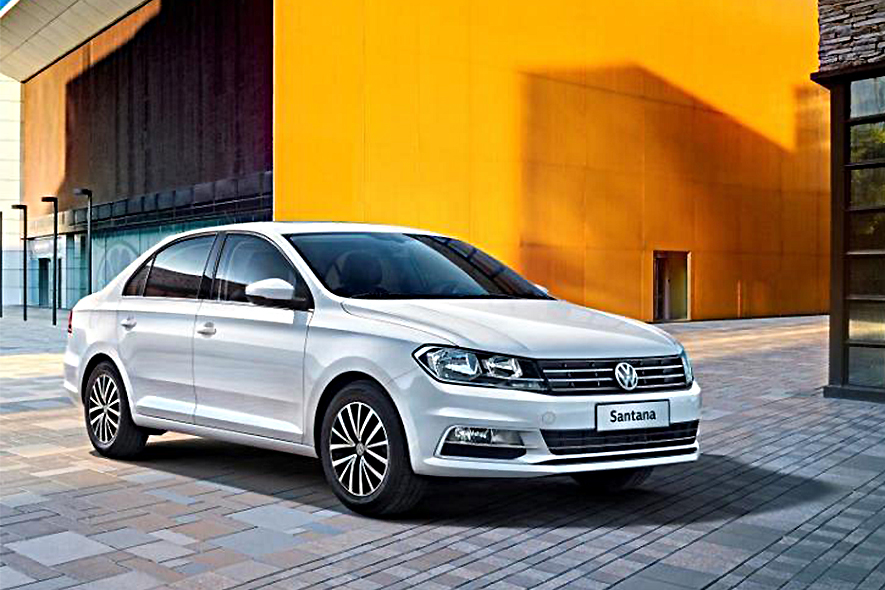
At a glance
- The Santana is a compact, gasoline-powered sedan suited to value-focused importers, fleets and dealer resale.
- The export-relevant family spans 1.4L, 1.5L, 1.6L and 1.8L engines, with manual and automatic choices.
- Buyers should match trim, transmission, emissions version and steering position to destination-market demand.
- New and used vehicles require different checks around condition, service history, title status, warranty and documentation.
- Current per-unit prices, MOQ and availability should always be confirmed in live inventory before payment.
Why the Volkswagen Santana matters for export markets
For overseas buyers looking to buy a Volkswagen Santana from China, the model occupies a practical position in the compact-sedan export segment: it combines a familiar Volkswagen identity with a vehicle format suited to private buyers, ride-hailing operators, taxi fleets and small dealer programs. China-origin examples are especially relevant where buyers want a gasoline-powered car without charging infrastructure associated with electrified alternatives. The appeal is practical rather than prestige-led, so an importer should judge the Santana on acquisition economics, local running costs and resale demand. Its familiar nameplate can also reassure buyers who value recognizable branding.
That positioning explains why the model continues to attract interest across price-sensitive overseas markets, although demand is never uniform. Urban buyers may prioritize easy maneuverability, air conditioning and low purchase outlay, while fleet operators focus on availability of parts, fuel economy and the ability to standardize a vehicle across multiple units. The trim and engine mix visible in export listings—including Trend, Comfort and Fashion-oriented versions plus Classic and Vista labels—gives buyers different levels of equipment and styling rather than a single standardized product. Compare equipment across production years, not just trim names.
Export relevance also depends on whether the vehicle can be used normally after arrival. A compact sedan is easier to place in ordinary passenger-car channels than a specialist model, but local safety, emissions, tax and inspection rules still determine whether a particular Chinese-market version is suitable. Buyers should therefore separate general appeal from legal eligibility: the model may have clear consumer demand, yet the specific engine, emissions label, steering position and paperwork must be approved for the destination before committing to a larger program. Avoid scaling demand assumptions before checking compliance.
- Confirm destination-market eligibility.
- Compare fleet operating fit.
- Verify local parts support.
Model range, trims and powertrain variants: how the lineup is structured and how to choose
The export-facing Santana family spans several engine displacements. Listings may be described as 1.4L, 1.5L, 1.6L or 1.8L models, sometimes under the Santana Classic or Santana Vista name. Engine displacement is only the starting point: when comparing Volkswagen Santana specs for export, read the exact trim designation, production year, fuel type, transmission and emissions version together. Two vehicles carrying the same headline displacement can differ materially in equipment, documentation and suitability for a particular tax band. Capture these variables before comparing commercial terms; the model name is not a complete vehicle description.
Manual transmission appears across multiple Santana variants, while the 1.6L Trend Edition is also offered with an automatic gearbox in the available export range. For fleet and ride-hailing use, a manual may offer straightforward operation and favorable acquisition cost; for private buyers or drivers in dense traffic, an automatic can reduce workload. The right choice depends on local driver familiarity, fuel-use priorities, maintenance capability and the residual demand for each configuration in the destination market. Automatic availability varies by market and year, so confirm the gearbox in the live specification and road test.
Trim labels help reveal expected positioning, but they are not a substitute for a condition or equipment audit. Trend, Comfort, Fashion, Scenic, Standard and Practical Style names appear across the family and should be translated into a checklist: exterior finish, cabin materials, infotainment, air conditioning, safety equipment and installed accessories. For an overseas dealer, factory equipment is easier to explain and resell when it matches familiar buyer expectations. For a fleet buyer, reliability, uptime, ease of cleaning and parts availability may matter more than cosmetic trim distinctions. Confirm every item against photos and the identification number.
- Match engine and gearbox to demand.
- Check destination emissions rules.
- Translate trims into equipment.
New vs used Volkswagen Santana: how export inventory is structured and how buyers choose
New and used Santanas serve different sourcing strategies, and the export catalogue may present both without treating them as interchangeable. A new listing should be evaluated on declared condition, production status, warranty and whether the seller can provide a clean ownership trail. A used listing may offer a lower entry outlay and more immediate model availability, but its value depends on mileage, service history, repairs, accident history and remaining durability. The word “new” or “used” should therefore be verified against documents and inspection evidence rather than accepted from the listing headline alone.
For a fleet buyer, a used vehicle can make sense when the business values predictable acquisition cost and can absorb replacement cycles, but a large batch of used cars introduces variation that a new-car program does not. Different mileage bands, wear levels, paint condition and option lists complicate standardization and resale. Newer cars may carry simpler warranty arrangements and more consistent interiors, yet they can still be ex-fleet or ex-display units. Ask for the vehicle’s actual status, production date, odometer disclosure and any history of commercial use before finalizing the purchase order.
The prudent process is to compare total operating scenarios rather than using age alone as a proxy for risk. For a used sedan, request recent maintenance invoices, inspect tires, brakes, suspension, cooling system and body repairs, and confirm that the engine and gearbox start consistently from cold. For a newer vehicle, verify factory warranty terms, delivery mileage, option fit, paint condition and whether accessories were added or removed. Where fleet history is acceptable, document it transparently because resale customers may value it differently from private buyers and in the local market.
- Verify status and production date.
- Inspect wear beyond mileage.
- Align history with resale expectations.
How export pricing works: the factors behind a live listing price, and how to read one
A Volkswagen Santana export price guide should treat every listing price as the result of several commercial variables, not as a universal rate for the model. The vehicle’s year, trim, engine displacement, gearbox, fuel and emissions version establish its baseline. Condition, mileage, ownership history and the completeness of documents can change the commercial position. At transaction level, currency movements, freight, insurance, port charges, inland transport and the selected Incoterm all affect the amount a buyer ultimately needs to budget. It is therefore essential to separate the vehicle’s quoted commercial value from destination charges and taxes that may be billed later.
To read a live quote correctly, start with the unit identifier and ask whether duplicate advertisements represent the same physical vehicle. Check the stated year, exact trim, engine and transmission against the photos and identification number. Then confirm whether mileage is disclosed, whether the seller labels the car new or used, and what documents can accompany it. The listing should also state the payment currency and price basis. These checks prevent a low headline figure from being compared with another vehicle whose condition, paperwork or delivery terms are materially different in the same market.
Buyers should build a landed-cost worksheet instead of treating the listing value as the final landed cost. Add ocean or other transport, cargo handling, insurance, documentation, destination port or terminal charges, inland delivery, customs duties and applicable taxes. Confirm whether quoted logistics are included and which party bears risk under the Incoterm. Exchange-rate movement can also change the final commitment between quotation and payment, especially when a supplier holds the price for a limited period. Exact current pricing and availability should therefore be taken from the live per-unit inventory on ChinaCarDirect, not from an old article or cached comparison.
- Separate price from landed cost.
- Verify price basis and Incoterm.
- Confirm the physical unit.
MOQ, ordering and payment: single units vs consolidating a container
MOQ depends on the seller’s commercial setup, so an importer should read it on each live listing and in the written quotation rather than assume a universal catalogue rule. Some vehicles may be sold as individual units, while promotional stock, mixed loads or supplier campaigns can carry different minimum quantities. One-unit buying is useful for testing a model in a new market, validating local preferences or replacing a small fleet. It also gives the buyer less freight leverage and may expose the importer to a higher transport cost per vehicle depending on route and consolidation options.
Container consolidation can improve freight economics, but it should not be confused with better vehicle quality. A buyer may combine several trims or powertrains for one shipment, reducing the amount of idle steel relative to the cargo value. The trade-off is greater logistical complexity: allocation must be documented, mixed specifications can complicate parts ordering and resale, and a single issue with paperwork or condition may affect the group. Any savings should be compared with the risk of holding a less marketable mix in the destination market for longer than planned.
Ordering should follow a documented sequence: reserve the exact unit, complete the agreed deposit, verify inspection and shipping documents, pay the balance under the stated terms, and retain records tied to the vehicle identification number and agreed specification. Payment methods, refund triggers, title-transfer timing and inspection rights should be settled in writing because marketplace interfaces alone may not capture every obligation. For a Volkswagen Santana wholesale program, use a signed allocation sheet and tie the final release of funds to satisfactory inspection and correct documentation rather than only to dispatch from the origin.
- Check MOQ on each quote.
- Match consolidation to demand.
- Link final payment to inspection.
Shipping, homologation and market compliance caveats: LHD/RHD and import rules by country
Most China-origin sedans are configured for left-hand drive, but a buyer must not infer steering position from the model name. Right-hand-drive availability can be limited and should be confirmed for the exact vehicle, conversion should be handled only where legally and technically acceptable, and a locally converted car may affect price, warranty and resale. The destination’s import rules also determine whether a Chinese-market Santana can be registered at all. Engine emissions, safety equipment, tax treatment and age restrictions can matter more than the vehicle’s basic mechanical condition for a given buyer.
China VI is a Chinese emissions designation, not automatic approval under an overseas emissions regime. A listing marked 1.5L Manual Trend China VI should therefore prompt a check of the destination’s applicable standard, even though the engine is a familiar gasoline unit. Imported vehicles may need a conformity assessment, certificate of conformity, customs clearance, local inspection or modification. The importer or local compliance specialist should establish the required evidence before shipping, because curing a non-compliant vehicle after arrival can be expensive and delay registration and weaken buyer confidence in the local market.
Logistics planning should start with the vehicle and destination together. A sedan may travel in a roll-on/roll-off vessel, container or other protected carrier arrangement, and the importer should confirm the loading method, cargo dimensions, weight, securing requirements and insurance coverage. Port selection affects inland distance and handling, while RoRo and container options differ in cost, security and scheduling. Complete a pre-shipment inspection, photograph the exterior and interior, record visible condition, and define who is responsible for damage during loading, transit and discharge. Transit duration and freight cost should be quoted for the actual route rather than generalized.
- Confirm steering position.
- Check China VI compliance.
- Define route and insurance duties.
Who should buy the Santana — and who should pick a different vehicle
The Santana is a strong candidate for importers serving value-conscious private buyers, taxi or ride-hailing fleets, airport and hospitality operators that need a conventional sedan, and dealers testing a lower-cost Chinese vehicle segment. It also suits buyers who value the Volkswagen name, a straightforward four-door layout and the availability of manual and automatic choices. The strongest case is where the selected engine is tax-efficient, parts are readily supported and the vehicle’s specifications align with local rules. In those markets, standardization can make the model easier to sell and maintain reliably.
It is a less suitable choice when the priority is a modern hybrid or battery-electric powertrain, extensive advanced-driver-assistance equipment, a larger executive cabin or SUV-like cargo flexibility. Buyers who require a specific steering configuration, emissions approval or advanced safety standard should not assume a China-market Santana will qualify. Likewise, a buyer focused on long-term residual value may prefer a more recently launched rival. These are not defects in the Santana; they are differences in product brief. Matching the use case and local regulatory envelope is more important than choosing the badge with the broadest international recognition.
Before committing, run a three-way comparison between the target retail segment, expected operating cost and regulatory requirements. Review actual local tax bands for each engine size, realistic fuel availability, the service network, parts lead times and the resale value of manual versus automatic cars. For fleet use, include downtime and replacement planning; for dealer use, include the customer’s equipment expectations and likely financing conditions. The right question is not whether the Santana is the cheapest vehicle in every scenario, but whether it is the most efficient and compliant choice for the particular market.
- Suited to value-focused fleets.
- Check local tax and parts fit.
- Choose another segment for EV or SUV needs.
Main rivals and how the Santana compares
The closest value-oriented alternatives depend on the destination, but the Toyota Vios, Hyundai Accent and Nissan Sunny are useful benchmarks. Each competes for compact-sedan buyers who prioritize a practical body, established service familiarity and manageable operating requirements. The exact engine, transmission and equipment vary by country, so an importer should compare the locally sold versions rather than assume a global trim. Used examples also differ sharply, making condition and history as important as the model badge against a new Chinese-market Santana before making a volume commitment at the correct specification.
Against the Toyota Vios, the Santana’s distinguishing consideration is its mix of manual and automatic configurations and its Chinese-market sourcing opportunity. Vios buyers may place greater weight on brand familiarity, local parts availability and the particular engine choices offered in their country. The Hyundai Accent often appeals through modern styling and a strong value proposition, so the comparison should include expected equipment levels rather than sticker appeal. With the Nissan Sunny, the key questions are similarly practical: engine size for local taxation, transmission preference, warranty and the availability of serviceable parts.
None of these rivals is universally better. A locally established rival may win on warranty, financing, emissions documentation or service convenience, while a China-sourced Santana may offer a wider choice of equipment or a more attractive acquisition route for the right market. The comparison should be conducted with equivalent vehicles: same body style, comparable engine and gearbox, similar age and condition, and a complete landed-cost view. That disciplined test reveals whether the Santana is a better commercial fit or simply a different source of the same compact-sedan demand in your market.
- Compare locally approved configurations.
- Check warranty and parts support.
- Use like-for-like landed costs.
Live Volkswagen Santana export inventory
View all listings →Real units currently on ChinaCarDirect with per-unit asking prices and MOQ. Availability updates live from the catalogue.
How to buy a Volkswagen Santana from China
-
1
Define the destination and use case
Identify the destination country, private or fleet buyer, preferred engine, transmission and steering position. Check local tax bands, fuel availability and expected residual demand before selecting a vehicle.
-
2
Build the required specification
Choose the body, displacement, gearbox, emissions version and equipment level that can be registered and supported locally. Translate the trim name into a written equipment checklist.
-
3
Review live inventory
Open the live Volkswagen Santana listings and note each unit's current price, MOQ, trim, year and condition. Treat duplicate advertisements cautiously and ask the seller to confirm the unique unit, SKU or identification number.
-
4
Request the verification pack
Ask for current photographs, identification details, mileage disclosure, ownership status, service history and available export documents. For a used vehicle, request evidence supporting the stated condition and mechanical inspection.
-
5
Request a landed quotation
Specify the quantity, destination and preferred Incoterm, then ask for freight, insurance, handling, documentation and inland charges separately where applicable. Confirm the live unit price, MOQ and payment milestones in writing.
-
6
Complete inspection and payment
Reserve the exact vehicle and agree inspection rights, refund triggers and document requirements. Tie the balance payment to satisfactory inspection, correct paperwork and a confirmed shipping schedule.
-
7
Book shipping and confirm compliance
Select the carrier or loading method, document pre-shipment condition and confirm insurance responsibilities. Complete destination homologation, customs clearance and local registration before placing the vehicle in service.
Santana vs rivals
| Toyota Vios | The Vios is a close global value-sedan benchmark with strong local recognition in many markets. Choose the Santana when its available configuration, equipment or China sourcing route better fits the importer; choose the Vios when local warranty and service depth dominate. |
|---|---|
| Hyundai Accent | The Accent is a strong alternative for buyers prioritizing modern design and locally backed ownership support. The Santana may offer a different engine and transmission mix or acquisition route, so compare equivalent specifications and complete landed costs. |
| Nissan Sunny | The Sunny competes for value-oriented fleet and private-buyer demand where it is sold. Compare local engine options, taxation, warranty and parts support against the Santana's Chinese-market specification and compliance route. |
Frequently asked questions
How is Volkswagen Santana export pricing determined, and where can I see the live price?
The live price reflects the vehicle's year, trim, engine, transmission, condition, mileage, currency conditions, freight, insurance and agreed Incoterm. Import duties and destination taxes may be separate, so ask whether they are included. Exact current per-unit prices are shown in the live Volkswagen Santana listings on ChinaCarDirect.
What engine and range options should I expect?
This Santana range uses gasoline engines of 1.4L, 1.5L, 1.6L or 1.8L, with manual and automatic transmissions depending on the variant. Because it is an internal-combustion range, fuel economy and usable range depend on the installed tank and driving conditions rather than battery capacity. Confirm the exact engine, gearbox, fuel and emissions version in the live listing.
Should I choose a new or used Volkswagen Santana?
New vehicles are easier to standardize and may include a clearer factory warranty, but they can still carry delivery mileage or prior fleet use. Used cars can reduce the initial acquisition burden, yet condition, service history and remaining life vary more widely. Compare equivalent vehicles and inspect the specific unit before choosing.
How does MOQ work for Volkswagen Santana orders?
MOQ is set by the seller and product offer, not by the Volkswagen Santana name alone. Individual-unit purchases may be available, while campaigns or mixed-container programs can use different minimums. Check the MOQ on the live listing and repeat it in the written quotation and pro forma invoice.
What determines shipping time and cost?
Shipping time and cost depend on the route, vessel or carrier schedule, port handling, cargo method, insurance, destination charges, exchange rates and the Incoterm. One sedan and a consolidated container cannot be quoted with the same logistics assumptions. Request a route-specific estimate and confirm which charges and risks are included.
How should I assess spare-parts availability?
Before ordering, ask for the engine, trim, transmission and chassis references needed to identify replacement parts, and check local dealer or aftermarket support for that exact version. For Classic, Vista and other older configurations, parts availability and packaging deserve particular attention. Clarify how warranty claims, shipping documents and cross-border parts support will be handled.
Is right-hand-drive Volkswagen Santana availability guaranteed?
Most China-origin sedans are left-hand drive, while right-hand-drive availability depends on the exact unit. Ask the seller to state the steering position in the written quotation and confirm whether any conversion is original, approved or aftermarket. Do not assume that a right-hand-drive market can accept a left-hand-drive vehicle without local checks.
How do I order a Volkswagen Santana from China?
Start with the live inventory, shortlist the exact vehicle and request an RFQ for the destination, configuration, quantity and shipping terms. Before paying, confirm the identification number, specification, MOQ, price basis, inspection rights, payment milestones and export documents. Then complete the agreed inspection, payment and shipping process, with destination homologation handled before registration.
Ready to source the Volkswagen Santana?
Request a Volkswagen Santana RFQ with your destination, preferred configuration, quantity and Incoterm for current unit-level pricing and MOQ details.
Request a quote