
Volkswagen Talagon Export Buying Guide for Dealers
Buy a Volkswagen Talagon from China with confidence: compare trims, powertrains, pricing logic, shipping, compliance and ordering for overseas dealers.
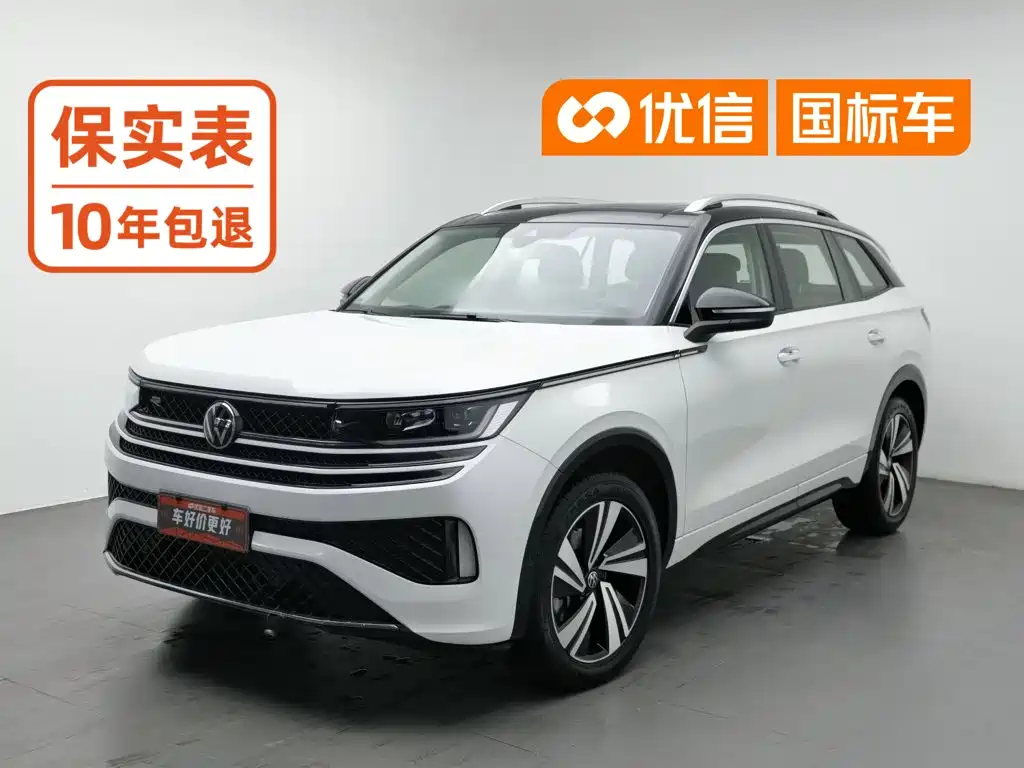
At a glance
- The Talagon is a China-built midsize three-row SUV offered in six- and seven-seat layouts for family, executive and fleet use.
- The range spans 330TSI, 380TSI, 450TSI and 530TSI gasoline designations, with R-Line, Luxury, Flagship, Victory and Touring-style grades.
- Four-wheel drive is explicitly identified on some 380TSI and 530TSI versions, but drivetrain must be verified for each vehicle.
- New vehicles suit predictable handover, while used vehicles require documented mileage, condition and service-history checks.
- Export buyers should compare landed costs, destination approvals, steering configuration and after-sales support before ordering.
Why the Volkswagen Talagon matters for export markets
The Volkswagen Talagon is a China-built, three-row SUV positioned between family-focused models and more premium large SUVs for international buyers. Its six- and seven-seat layouts make it relevant to importers, dealer groups and fleet operators needing passenger capacity without moving to a van. For overseas customers, the appeal is less about exotic performance than the combination of Volkswagen branding, configurable equipment and practical family transport. That makes it a useful starting point when a buyer wants a familiar badge, a broad equipment hierarchy and a vehicle sized for luggage or executive duty.
Demand is strongest in markets where large family SUVs are established and where buyers associate the Volkswagen name with familiar engineering and dependable dealer support. Where the Talagon has no long-standing local presence, recognition may be lower, making resale, parts access, software support and warranty coverage more important than badge appeal alone. Exporters should treat it as a market-specific proposition rather than a globally interchangeable Volkswagen SUV. Smaller roads, tight parking and high fleet running costs can also make a more compact crossover easier to operate despite its less spacious cabin.
For dealers and fleet buyers, the key commercial question is whether the Talagon can be supported after delivery, not simply whether it looks attractive in a listing. Before importing, compare the exact Chinese specification with locally available Volkswagen products and confirm parts-catalogue access, technical documentation, warranty handling and workshop capability. A model that fits local road use and can be maintained consistently is usually a stronger export candidate than a higher trim carrying features the destination cannot support. That serviceability test often determines success more than brochure equipment or short-term buyer interest.
- Six- or seven-seat family flexibility.
- China-built imports require local support.
- Serviceability matters more than badge appeal.
Model range, trims and powertrain variants: how the lineup is structured and how to choose
The Talagon naming structure links engine family, drivetrain and equipment tier, making the full designation important during any export search. Listings represented in this market include 330TSI, 380TSI, 450TSI and 530TSI designations, together with R-Line, Luxury, Flagship, Victory and Touring-style names. Some 380TSI and 530TSI versions are explicitly badged 4WD, while seating can be either six or seven places. Do not assume that two vehicles carrying the same TSI number share the same output, equipment, transmission calibration or market specification without verified documents and should not be treated as interchangeable by buyers.
When comparing Volkswagen Talagon specs, TSI identifies Volkswagen's gasoline powertrain family, but the badge is not a substitute for a verified specification. Output, torque, transmission calibration, fuel economy and towing capability can vary by market and trim, so they should be confirmed from seller documents or the vehicle record. A dealer should never build a customer quotation around inferred power figures or visual trim assumptions. The safer approach is to compare certified engine output, drivetrain and technical data for the exact SKU, then preserve that evidence properly for the final customer handover and sales file.
Seat count is the next decisive choice because it changes access, comfort, luggage flexibility and the vehicle's appeal to different customer groups. Six-seat layouts can improve second-row access for executive or premium use, while seven-seat layouts provide flexibility expected by larger families and group buyers. R-Line-led cars may emphasize exterior appearance, whereas Luxury, Flagship and Victory-labelled versions may indicate higher comfort or convenience equipment. Those names describe positioning, not guaranteed equipment in every country, so buyers must check the option list, documents and photographs for the exact vehicle before ordering.
- 330TSI through 530TSI naming.
- Some 380TSI and 530TSI versions list 4WD.
- Six seats favor comfort; seven favor flexibility.
New vs used Volkswagen Talagon: how export inventory is structured and how buyers choose
A Talagon export listing may describe a factory-new vehicle or a used example, and these categories should be evaluated as different products rather than simple price points. Factory-new units generally offer the cleanest handover process, the most predictable mileage and the strongest basis for a warranty discussion. Used units can widen trim choice or reduce acquisition cost, but condition, service history and remaining mechanical or cosmetic life become central to the decision. Age alone therefore proves little, especially across vehicles that have covered very different duty cycles or been maintained under different conditions.
For fleet buyers taking Volkswagen Talagon units for consistent deployment, factory-new vehicles generally simplify preparation, inspection and customer handover. They reduce uncertainty over wear, previous ownership and repairs, although production date, transport timing and exact specification still need confirmation. A new vehicle is not automatically right if the importer lacks a homologation path or if a lower-demand trim will remain in stock longer than expected. Dealers should instead match production characteristics to their sales cycle, financing plan and ability to prepare each unit correctly before the vehicle reaches the destination market.
Used Talagon vehicles can suit dealers with a clear refurbishment operation, rental operators or buyers comfortable with disclosed mileage. Inspect them for wear, accident repair, paint condition, interior condition, tyre condition and evidence of servicing, because photographs alone cannot reveal every defect. Compare the remaining useful life with the cost and delay of preparation rather than relying on the original list price. A used unit with documented condition may be more rational than a new vehicle in the wrong specification, particularly for a short-term or secondary-market need at destination locally.
- New vehicles reduce condition-related uncertainty.
- Used vehicles require documented inspection.
- Age alone does not prove value.
How export pricing works: the factors behind a live listing price, and how to read one
Volkswagen Talagon export pricing is built from vehicle attributes and the scope of the transaction. Model year, exact trim, engine designation, six- or seven-seat layout, drivetrain, mileage, condition, paint and installed options influence the seller's asking position. Currency movements, financing, insurance, inland transport, documentation, freight and the selected Incoterm can change the final commercial exposure. The useful comparison is therefore between like-for-like landed costs, not between two visually similar listings or isolated headline figures, especially when destination taxes, port charges, registration and local handling remain unallocated in the written quotation.
On a live listing, read the title, year, trim, mileage, condition, drivetrain, seating and option notes before examining the displayed amount. Check whether the seller quotes the vehicle alone, port-to-port freight or a wider delivery package. Confirm whether taxes, duties, registration, insurance and local handling are included or left for the buyer. ChinaCarDirect's live Talagon inventory is the binding reference for each unit's current quote, with exact current price and availability displayed for that individual vehicle rather than a general market average or historical snapshot at the time of enquiry.
Buyers should request a written quotation with the SKU, vehicle identity, model year, trim, transmission, drivetrain, seats, mileage, condition, equipment, currency, payment stages and Incoterm. Ask for separate values for the vehicle, inland logistics, freight, insurance and destination charges wherever possible. That breakdown identifies variables that can be reviewed or negotiated and prevents a low vehicle price from being mistaken for a low delivered cost. It also creates a clearer basis for comparing financing needs, insurance limits, landed-cost forecasts and the likely breakeven point at destination after duties are paid.
- Compare like-for-like year, trim and condition.
- Separate vehicle cost from destination charges.
- Confirm currency, Incoterm and live unit price.
MOQ, ordering and payment: single units vs consolidating a container
Wholesale purchasing still starts with minimum order quantity, which is a seller and transaction condition, not a universal feature of the Talagon. The MOQ displayed or confirmed for the chosen SKU determines how many matching units that seller will release in one order. A single-unit purchase may be feasible, while some sellers, custom-production arrangements or mixed allocations may require more. Buyers should verify the applicable MOQ in writing before budgeting or promising a customer, especially when consolidating several destinations under one purchasing programme and when restrictions apply to model year, trim, colour or dealer allocation rules.
Container consolidation can improve freight efficiency, but it creates operational and allocation risk. Combining six- and seven-seat versions, different trims or model years in one shipment can complicate allocation, customs descriptions and retail planning. A buyer should decide whether freight savings justify losing configuration flexibility, particularly when homologation or local demand varies by market or when dealer groups need different equipment for launch campaigns. Separating programme inventory from mixed consolidation stock often makes vehicles easier to place, document and price locally, especially where each destination has its own approval, specification and launch schedule.
A sound ordering sequence starts with a written specification, then seller confirmation, a pro forma invoice, agreed payment milestones and documentary instructions. Verify the vehicle identity and condition before final payment or release, and record the agreed inspection, loading, shipping and claims process. Payment terms should reflect control of documents and the vehicle rather than follow a generic template. For a first order, keeping the specification and payment trail aligned is more important than chasing a volume discount that could compromise the programme's cash flow or delivery timetable later or customer commitments.
- Verify the SKU-specific MOQ.
- Weigh freight savings against configuration flexibility.
- Tie payments to documentary and inspection controls.
Shipping, homologation and market compliance caveats: LHD/RHD and import rules by country
Talagon shipping arrangements depend on vehicle dimensions, the carrier's loading method, port pair, sailing schedule and Incoterm. Some exporters move SUVs by roll-on/roll-off vessels, while enclosed container or specialist vehicle-carrier options may suit different buying strategies. Obtain packed dimensions and weight, the loading plan, freight quote, insurance coverage, port charges and estimated sailing and transit information. The booking should state whether buyer or seller controls the main carriage and where risk transfers, so duties, claims responsibility and insurance obligations can be allocated without ambiguity before dispatch and loading starts.
Steering configuration is an early technical gate that should be settled before payment milestones are completed. Do not assume a China-built Talagon will arrive in the steering format required by the destination; request the hand of drive and dashboard photographs. For right-hand-drive markets, confirm whether a compliant vehicle, documented conversion or locally supported variant is acceptable under registration rules. Never start shipping before the steering question, modification implications and supporting documents are resolved in writing, including who bears responsibility for technical, customs and registration compliance at final handover or delivery.
Import compliance extends beyond steering and must be assessed for the specific destination country. Authorities may review emissions, roadworthiness, VIN and vehicle identification, taxes and duties, insurance, cybersecurity and software provisions, radio equipment, language labels, safety equipment and model approval. Local certification, modification or registration may be required before the vehicle can be sold or used commercially. Obtain a destination-specific regulatory assessment before paying a balance, because approval work can alter both the economics and the delivery timetable and should identify who carries each cost and delay in the project.
- Check dimensions, route and loading method.
- Resolve steering configuration before dispatch.
- Assess destination approvals, modifications and insurance.
Who should buy the Talagon — and who should pick a different vehicle
The Talagon is a strong candidate for importers seeking a spacious, gasoline-powered, three-row SUV with a premium or semi-premium badge and several equipment levels. It suits dealers catering to large families, premium taxi and chauffeur operations, airport transfers, company vehicles and customers who value seven-seat flexibility. The strongest business case is in a market where those needs are common, parking is workable and Volkswagen aftersales support can be established. Buyers should also confirm that fuel choice, tax treatment and expected residual value suit their operating model, rather than relying on generic assumptions alone.
It is a weaker choice for buyers whose priority is the lowest purchase cost, minimal operating complexity or a small urban footprint. A more compact crossover may be easier to park, ship, fuel and maintain in regions with limited service networks. It may also be unsuitable for fleets requiring a proven local residual value, emissions strategy or official manufacturer warranty. The Talagon should not be chosen merely because its equipment sheet looks richer than a rival's, once fuel, insurance, maintenance, certification and resale costs are included rather than on the vehicle's purchase value alone.
Decision-makers should map the Talagon against real operating scenarios: passengers, luggage, daily routes, towing needs, refuelling, service intervals and resale channels. For executive use, a six-seat Luxury or Flagship-style derivative may make more sense than paying for unused third-row flexibility. For commercial transport, durability, parts access and uptime may matter more than appearance or premium branding. The best version is the one whose configuration and ownership case remain sound after shipping, registration, insurance and local operating costs are fully included in advance for buyers before the final purchase commitment is made.
- Strong for spacious family and executive use.
- Six seats favor comfort; seven favor flexibility.
- Judge post-import operating economics, not image.
Main rivals and how the Talagon compares
The closest global alternatives depend on how the Talagon is positioned after taxes, specification and currency conversion. The Hyundai Palisade and Kia Telluride are credible three-row SUV alternatives for buyers who value six- or seven-seat packaging, mainstream family utility and established competitor-brand identities. Their local dealer coverage, powertrain choices and pricing may differ by country, so an overseas importer should compare the actual destination-market derivative rather than the China specification. The comparison is therefore local-market evidence rather than a simple specification-sheet contest or generic online judgement at destination for buyers.
The Jeep Grand Cherokee is another relevant benchmark for buyers who want a substantial road-oriented SUV with four-wheel-drive capability and a more rugged brand image. The Talagon generally emphasizes family space, equipment hierarchy and familiarity with the Volkswagen marque, while the Jeep competes more directly through heritage and positioning. Neither is automatically cheaper to operate: tax bands, parts prices, fuel use, insurance and resale support can reverse the apparent advantage. That is especially relevant for a small-volume importer with limited workshop and parts-distribution resources at destination throughout and over time.
A useful comparison sheet should place the Talagon beside locally available rivals using the same body format, engine class, four-wheel-drive availability, safety equipment, warranty, boot space and service access. Then add vehicle price, freight, duty, registration and expected holding cost so the buyer compares cash requirements rather than catalogue headlines. The Talagon can be persuasive where a buyer wants a distinctive, well-equipped Chinese-built option with European-brand recognition, but a rival may be easier to stock, finance, certify and resell. Run the comparison with the actual destination derivatives and written freight and compliance assumptions, not imported brochures.
- Palisade and Telluride target mainstream family utility.
- Grand Cherokee emphasizes rugged SUV positioning.
- Compare destination derivatives and after-sales access.
Live Volkswagen Talagon export inventory
View all listings →Real units currently on ChinaCarDirect with per-unit asking prices and MOQ. Availability updates live from the catalogue.
Volkswagen Volkswagen Talagon 2023 380TSI 4WD R-Line Touring Edition
Volkswagen Volkswagen Talagon 2021 380TSI 4WD Flagship Premium Edition
Volkswagen Volkswagen Talagon 2021 530TSI 4WD Flagship Victory Edition Pro
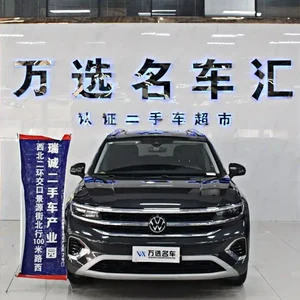
Volkswagen Volkswagen Talagon 2022 380TSI 4WD Luxury Premium Pro Edition 7-Seater
How to buy a Volkswagen Talagon from China
-
1
Define the destination market
Name the country, port, intended use and steering requirement before shortlisting vehicles, because import rules and service expectations differ by market.
-
2
Shortlist the exact configuration
Compare model year, trim, TSI designation, seating, drivetrain and options on the live Volkswagen Talagon listings; request the option sheet and vehicle documents.
-
3
Request an itemized quotation
Ask for the SKU, currency, payment stages, Incoterm, inland transport, freight, insurance and destination charges so vehicle cost is not confused with landed cost.
-
4
Confirm MOQ and allocation
Verify the seller-specific MOQ and any model-year, trim, colour or allocation restrictions in writing before paying a deposit.
-
5
Inspect before final release
Agree inspection standards and documentary checks for identity, condition, mileage and equipment, then tie the final payment to satisfactory results.
-
6
Book compliant transport
Confirm packed dimensions, loading method, carrier, route, insurance and risk-transfer point, then align customs and homologation work with the shipment timetable.
-
7
Complete arrival registration
Use the agreed documents for destination clearance, registration and local handover, and verify warranty and after-sales support before releasing the vehicle to customers.
Talagon vs rivals
| Hyundai Palisade | A close family-SUV benchmark with six- or seven-seat packaging and broad market recognition. Choose it where local Hyundai service and residual-value evidence are stronger; the Talagon offers distinct European-brand styling and a broad China-specific trim range. |
|---|---|
| Kia Telluride | The Telluride is a credible alternative for buyers prioritizing a mainstream three-row SUV and established Kia after-sales support. The Talagon may appeal more to those seeking a distinctive Volkswagen-badged cabin, while the better choice should follow local support and landed cost. |
| Jeep Grand Cherokee | The Grand Cherokee competes in the same large road-oriented SUV segment with a more rugged brand identity, although four-wheel-drive availability varies by market. The Talagon places greater emphasis on family space, seating choice and its equipment hierarchy. |
Frequently asked questions
How is Volkswagen Talagon export pricing determined?
Pricing is set from the exact vehicle's year, trim, powertrain, drivetrain, seating, condition, mileage and options, then adjusted for currency, freight, insurance and Incoterm. A low asking price can still produce a higher landed cost. Exact current pricing for each unit appears on the live ChinaCarDirect Talagon listings, and the binding quote should be requested for the selected vehicle.
What engine and powertrain options should I expect?
The Talagon range represented for export is gasoline-powered, using 330TSI, 380TSI, 450TSI and 530TSI designations. These labels do not by themselves establish output, torque, transmission, fuel economy or towing limits, and 4WD must be checked on the exact listing. Review the seller documents and confirmed vehicle specification before quoting a customer.
Is a new or used Volkswagen Talagon better for export?
New units generally provide predictable mileage, condition and handover, while used units can offer a suitable trim at a lower acquisition outlay. Used purchases require inspection of service history, mileage, accident repair and wear. Choose according to refurbishment capability, financing and residual-value needs rather than assuming one category is always better.
What is the MOQ for a Volkswagen Talagon?
MOQ is seller- and SKU-specific rather than a fixed Talagon rule. A single-unit order may be possible, but the applicable requirement must be confirmed on the selected listing before any deposit. Consolidation may improve freight efficiency but reduces allocation flexibility and can complicate trim or destination matching.
How long does Talagon shipping take and what affects the cost?
Shipping time and cost vary with loading method, route, port, sailing schedule, season, insurance and Incoterm. SUV dimensions and cargo-securing requirements can affect available capacity and charges. Ask for a written freight plan and risk-transfer point; a responsible quote should not separate vehicle, freight and destination charges ambiguously.
Are spare parts available for the Volkswagen Talagon?
Parts support depends on whether the exact China specification is covered by the destination Volkswagen network. Common service items may be straightforward, while trim-specific body parts, electronics, seat components and software-related items can take longer. Provide the VIN or chassis identity and equipment details to obtain a parts list, maintenance schedule, manuals and warranty procedure.
Is a right-hand-drive Volkswagen Talagon available?
Do not assume a right-hand-drive example is available; request hand-of-drive details for each vehicle. For an RHD market, confirm whether a compliant RHD unit, an approved conversion or a locally supported variant is acceptable and whether modified vehicles receive the intended approvals. Resolve this before dispatch because steering changes can affect registration, insurance and warranty.
How do I order a Volkswagen Talagon from China?
Start with the live listings, select a SKU and request a written quote identifying the vehicle, terms, payment stages and delivery scope. Confirm MOQ, inspection, documents and release conditions before final payment. After shipment, complete customs, destination registration and handover using the agreed documentation.
Ready to source the Volkswagen Talagon?
Send your destination, preferred Talagon configuration and required quantity to ChinaCarDirect for a current itemized export quotation and RFQ.
Request a quote