
Volkswagen Tayron X Export Buying Guide for Dealers
Compare Volkswagen Tayron X trims, powertrains, pricing logic, MOQ, shipping and compliance before ordering a China-sourced SUV for your market.
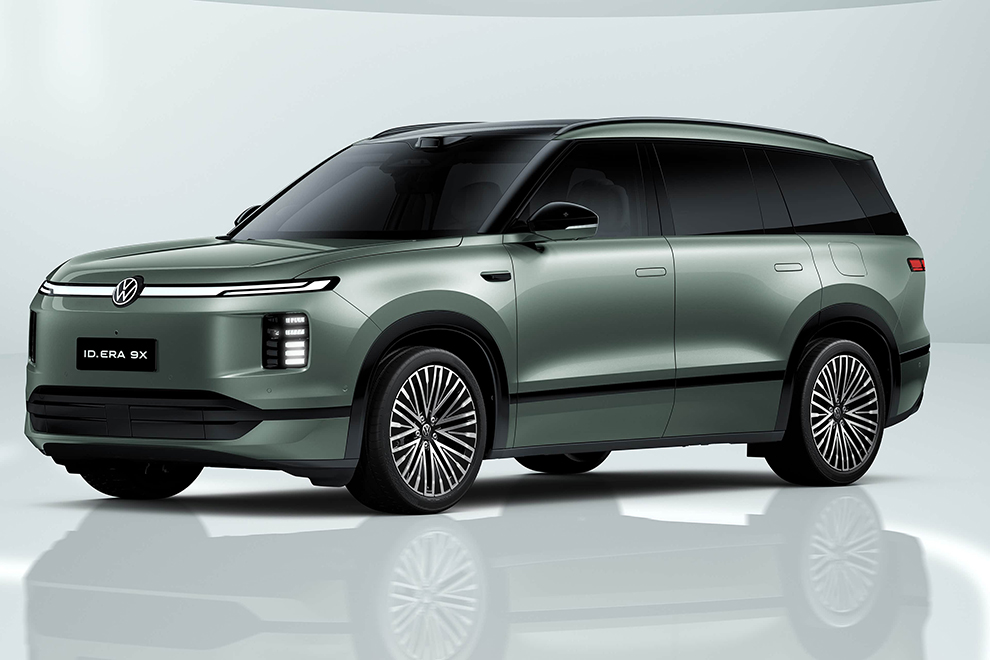
At a glance
- The Tayron X is a China-market Volkswagen SUV, so European Tayron assumptions should not be carried into an export decision.
- Volkswagen Tayron X specs center on 2.0-liter turbocharged TSI gasoline engines; electric range and battery capacity do not apply.
- The core choice is 330TSI 2WD for operating simplicity or 380TSI 4WD for added traction.
- New and used examples require different checks: standardized condition versus mileage, history and condition risk.
- Current vehicle price, MOQ and availability are unit-specific; compare the live listing with a written landed-cost quote.
Why the Volkswagen Tayron X matters for export markets
The Volkswagen Tayron X is a China-market Volkswagen SUV that gives overseas buyers a recognizable marque, a practical five-door body and a choice between front-wheel-drive and four-wheel-drive configurations. Its relevance is strongest in the mainstream SUV segment, where importers need a model that combines familiar Volkswagen positioning with specifications aimed at Chinese buyers. For a Volkswagen Tayron X for export, the appeal is therefore not novelty alone, but the combination of brand recognition, SUV utility and two broad powertrain routes. This makes it relevant to dealers testing a model line and fleet buyers comparing equipment.
Demand for this model should be evaluated by segment rather than by assuming every Volkswagen SUV has the same export prospects. Compact and midsize SUVs attract interest where buyers want a raised driving position, usable passenger space and a vehicle suitable for family, cross-border or light-commercial duties. The Tayron X’s China-specific positioning also matters: it should not be treated as a drop-in European Tayron, because equipment, homologation and aftersales expectations can differ by destination. A dealer seeking a European-brand product without importing from Europe may find that balance useful in practice.
Importers should also distinguish market attractiveness from vehicle readiness. Global demand for Volkswagen products does not automatically make a China-built specification sellable in every country, yet the model can broaden a distributor’s affordable SUV portfolio when the right paperwork and support plan are in place. The strongest case is a market that accepts China-spec vehicles, has credible workshop capacity and can source parts consistently. In less mature channels, a locally supported alternative may convert more readily because buyers value warranty certainty and familiar service networks over a particular imported badge.
- China-specific Volkswagen SUV.
- 330TSI 2WD or 380TSI 4WD.
- Compliance decides readiness.
Model range, trims and powertrain variants: how the lineup is structured and how to choose
The export-facing Tayron X line is organized around the 330TSI 2WD and 380TSI 4WD. Listed trims include Premium Smart Edition, Premium Smart Connect, Premium High-Performance Edition and Flagship Smart Edition, with some vehicles carrying a Facelift designation. That hierarchy gives buyers a practical shorthand: compare drivetrain first, then equipment tier, then model-year presentation. Exact equipment can change between trims and facelifts, so the live vehicle description, photographs and option list should control the final purchase decision. Trim names aid searching but do not confirm options such as infotainment, seats, cameras or driver-assistance functions.
The 330TSI 2WD route is the simpler mechanical proposition: a turbocharged gasoline engine, front-wheel drive and the 330TSI output designation. It is generally the logical choice where road conditions are predictable, operating and servicing costs need control, and buyers prioritize operating economy over added traction hardware. The 380TSI 4WD route adds four-wheel drive and a higher output tune. That can suit wet regions, snow climates, rough access roads or fleets assigning vehicles to less forgiving duty cycles, but buyers should confirm the axle system and tires on the exact listing in detail.
For specification purposes, this is an internal-combustion model rather than an EV or hybrid range, so electric range and battery capacity do not apply. The TSI engines are 2.0-liter turbocharged gasoline units, normally paired with Volkswagen’s seven-speed DSG dual-clutch automatic in this family; confirm the transmission specification before ordering. A facelift designation may also mean revised exterior and cabin details, not a different energy source. Buyers should therefore prioritize torque behavior, fuel economy, service intervals and real-world tax or fuel rules over a meaningless EV range figure for this model.
- 330TSI: 2WD simplicity.
- 380TSI: 4WD traction.
- Verify trim details.
New vs used Volkswagen Tayron X: how export inventory is structured and how buyers choose
New and used Tayron X units serve different commercial purposes. A new vehicle offers a more standardized condition, clearer ownership history and easier presentation to fleet customers, although the buyer still pays for that consistency through the purchase price. A used or demonstrator vehicle can reduce initial capital exposure and may be attractive to dealers with an established refurbishment operation. The deciding issue is not age alone: mileage, service history, paint condition, accident repair, tires and remaining manufacturer coverage can matter more to resale value in the local destination market.
Export inventory structure should be read from each live record rather than inferred from the model name. Check whether the seller labels a unit new, used, demonstrator or parallel-import stock, and ask for the production or model year, odometer reading and VIN. Photograph the body, cabin, dashboard, wheels and underbody, and request service invoices where available. A clean title alone is insufficient: imported used vehicles can carry unresolved cosmetic issues, non-disclosed accessory wear or service gaps that become expensive once the vehicle enters a local workshop for local resale.
Selection should follow the buyer’s business model. Dealers seeking a turnkey stock lane may favor a new, higher-spec vehicle with consistent presentation, while used-unit traders can profit when they understand local reconditioning and resale margins. Fleet managers should calculate total cost over the planned service life and may prefer a carefully selected used example, but must avoid vehicles whose age or condition undermines reliability. For both routes, price one specific vehicle at a time; identical trim names do not guarantee identical condition, equipment, history or landed cost or perceived value.
- New: standardized condition.
- Used: higher inspection risk.
- Check VIN and mileage.
How export pricing works: the factors behind a live listing price, and how to read one
Volkswagen Tayron X export pricing is built from the vehicle’s own identity and the transaction structure around it. Model year, trim, 330TSI or 380TSI drivetrain, facelift status, mileage, condition, ownership history and optional equipment all influence what a seller will accept. External variables then alter the landed calculation, including the renminbi exchange rate, domestic transport, freight, insurance, destination charges and Incoterm. Consequently, two units carrying the same trim name can differ materially once condition and commercial terms are included. The visible listing price is a starting point, not necessarily the amount payable at the importer’s gate.
Read a live Tayron X listing as a specification and commercial document. Start with year, exact trim, drive layout, facelift wording, condition and mileage; then verify whether the displayed amount is an asking price, a promotional price or a quote valid only for a particular unit. Check which costs are included: export documentation, Chinese inland transport, loading, ocean freight, insurance and destination charges should each be identified. Ask whether the seller accepts a deposit, how long the quotation remains valid, and what event would cause the final amount to be recalculated.
For a sound buying process, build two figures. The first is the vehicle and export-service subtotal shown in the live listing; the second is the estimated landed cost after freight, insurance, import duty, taxes, port, documentation and inland delivery. Then compare the landed total against expected registration, homologation, servicing and residual-value costs in the destination market. This exposes whether a seemingly attractive Chinese purchase price survives the complete transaction. Exact current figures are unit-specific, so use the live inventory as the binding source and request a written all-in quotation before sending funds.
- Identity drives vehicle price.
- Freight changes landed cost.
- Use written quote validity.
MOQ, ordering and payment: single units vs consolidating a container
Minimum order quantity is a negotiation and listing parameter, not a permanent property of the Tayron X model. Some sellers may release one vehicle; others may set a lot requirement for a particular trim, container plan or production release. Read the MOQ shown against the exact listing, then obtain written confirmation in the pro forma invoice. A single-unit purchase suits a dealer testing demand, an importer securing one anchor vehicle or a fleet buyer needing a limited batch. Consolidation suits buyers with confirmed demand, but it concentrates capital, storage and unsold-stock risk.
The ordering process normally begins with a specific vehicle or a defined trim request. Review the live record, ask unresolved technical questions, confirm MOQ and commercial terms, and request a pro forma invoice showing the selected unit or production specification. Agree the deposit, balance trigger, payment currency, beneficiary details, documentary requirements, inspection rights and cancellation or refund conditions before remitting funds. Payment timing should follow verifiable milestones, and any bank charges should be allocated in writing. The contract must identify the VIN or pre-delivery production standard where a unit has not yet been assigned.
Container consolidation can improve freight efficiency per vehicle, but it is not necessarily cheaper. A consolidated order may reduce transport cost per unit, yet it can require larger upfront payment, longer storage, more working capital and a broader mix of trims or model years. Mixed inventory can complicate resale if buyers expect a narrow specification. Model the full cash cycle: deposit, production or stock allocation, balance, transit, clearance, storage and dealer margin. Only consolidate units with realistic sales channels and agreed acceptance criteria, rather than filling a container merely because a freight threshold is available.
- MOQ is listing-specific.
- Singles reduce inventory risk.
- Consolidation needs proven demand.
Shipping, homologation and market compliance caveats: LHD/RHD and import rules by country
Chinese-built Tayron X vehicles are commonly encountered with left-hand-drive steering, so right-hand-drive availability should never be assumed. A buyer requiring RHD must ask whether a genuine factory RHD version is available, whether a conversion has already been performed or whether a local conversion is acceptable under national rules. Steering conversion affects safety, warranty, software, parts and resale; it is not simply a matter of moving the steering wheel. Country-specific approval and inspection remain decisive, and the exact vehicle must be checked before any non-refundable payment is committed in the destination market.
Import requirements should be treated as a country-by-country workstream, not a generic Volkswagen badge assumption. The importer may need a VIN check, customs valuation, proof of origin, emissions compliance, roadworthiness approval, local type approval, registration documents and evidence that the lighting, safety and software systems fit the destination. Import duty, VAT or sales tax, excise and other levies can change the effective cost. Some vehicles may need modification or a conformity assessment, while others may be excluded or heavily penalized. Use a customs broker or compliance specialist before committing to a shipment.
Shipping method should match the vehicle, destination and delivery window. Enclosed vehicle carriers, roll-on/roll-off vessels and, where suitable, flat-rack or container options each present different handling and cost structures. Secure the vehicle against movement, verify lashing and protective requirements, and photograph loading and condition at handover. The shipping plan must also cover pre-export inspection, spare wheel or repair kit availability, 12-volt battery disconnection for long storage, insurance, document originals and destination port charges. Transit time is only one factor: congestion, customs holds, terminal handling and inland delivery can extend the schedule.
- Confirm LHD or RHD.
- Check type approval.
- Record loading condition.
Who should buy the Tayron X — and who should pick a different vehicle
The Tayron X is a sensible candidate for a dealer or importer that wants a Volkswagen-badged SUV, a broad choice of equipment tiers and both 2WD and 4WD orientations. It can suit family-oriented buyers who prioritize cabin space and road presence, and 380TSI 4WD vehicles can appeal to buyers in places where all-weather traction is operationally important. Fleet use is plausible for employees, regional staff or non-executive travel, provided cargo volume, towing limits, fuel rules and duty cycles are checked against the exact specification rather than inferred from the model name.
It is a weaker choice when the destination has a tightly controlled homologation regime, when factory RHD supply cannot be secured, or when after-sales expectations exceed what a local importer can support. Buyers should be cautious if their business depends on a nationwide Volkswagen warranty network, rapid parts delivery or a simple registration process. A China-spec SUV also needs a clear plan for software, diagnostic tools, routine servicing and accident repairs. Compare the total ownership ecosystem, not merely the vehicle’s purchase cost or the recognition of the Volkswagen name abroad.
The decision also changes with fleet economics. A 330TSI 2WD vehicle may suit high-mileage operations where fuel use and maintenance simplicity dominate; a 380TSI 4WD can justify its added hardware where traction, payload confidence or road resilience matter more. Neither designation alone establishes the right answer. Analyze annual kilometers, route quality, driver profile, local fuel taxation, expected downtime and resale assumptions, then compare the results with a locally supported compact or midsize SUV. If the import case survives those assumptions, the Tayron X offers a differentiated, commercially sensible option for buyers.
- Best for differentiated ranges.
- 4WD favors traction use.
- Requires local support.
Main rivals and how the Tayron X compares
The closest buying decision is not made by badge alone. A Toyota RAV4 offers a similarly mainstream SUV proposition with a strong global identity and, in many destination markets, a more established dealer and residual-value framework. A Hyundai Tucson provides another mainstream alternative, often presented with a different equipment and ownership proposition. The standard Volkswagen Tayron is the most direct internal comparison because it shares the broader family identity, but the Tayron X is a distinct China-market variant. Exact body dimensions should be checked against each candidate.
Against the Toyota RAV4, the Tayron X’s distinguishing case is a European-brand badge, a China-specific product and a choice between two TSI drivetrain concepts. The RAV4 may be easier for buyers who prioritize widespread local servicing, model familiarity and a simpler resale proposition. Against the Hyundai Tucson, the comparison shifts toward equipment, warranty confidence, powertrain choice and the cost of establishing aftersales support for an imported specification. Neither comparison should be reduced to purchase price, because taxes, compliance, parts and inventory velocity can reverse a narrow price advantage at resale.
Against the regular Tayron, the X should win where its China-market specification and equipment proposition suit the channel, while the standard model may be easier to place where buyers want the most familiar Volkswagen SUV. If the buyer needs RHD, a locally supported warranty or rapid parts fulfillment, a less involved import, another brand should lead the shortlist. The strongest selection process is a blind comparison of the same criteria—space, drivetrain, equipment, compliance, landed cost and support—rather than assuming that the newest badge or the imported price creates the strongest business case.
- RAV4: local-service benchmark.
- Tucson: ownership benchmark.
- Tayron: closest family rival.
Live Volkswagen Tayron X export inventory
View all listings →Real units currently on ChinaCarDirect with per-unit asking prices and MOQ. Availability updates live from the catalogue.
Volkswagen Volkswagen Tayron X 2020 330TSI 2WD Premium Smart Edition
Volkswagen Volkswagen Tayron X 2020 380TSI 4WD Flagship Smart Edition
Volkswagen Volkswagen Tayron X 2023 Facelift 380TSI 4WD Flagship Smart Edition
Volkswagen Volkswagen Tayron X 2020 380TSI 4WD Premium Smart Connect
How to buy a Volkswagen Tayron X from China
-
1
Define the destination and compliance route
Name the destination country, port, required steering configuration and intended registration method before selecting vehicles. Ask a customs broker whether China-spec Tayron X units require VIN, emissions, safety, lighting or type-approval checks.
-
2
Choose the drivetrain and trim
Select 330TSI 2WD or 380TSI 4WD according to road conditions, load and operating costs, then verify equipment against the exact listing. Treat facelift and trim names as search filters, not proof of an identical specification.
-
3
Open the live Tayron X inventory
To buy a Volkswagen Tayron X from China, compare unit-level year, condition, mileage, photographs, VIN and seller information. Check the current price and availability directly on each live listing rather than relying on a general market range.
-
4
Request a wholesale quotation
Ask for the chosen vehicle or production specification, current unit price, MOQ, deposit, balance trigger, Incoterm and quotation validity. For a Volkswagen Tayron X wholesale order, request written inclusions for documentation, inland transport and loading.
-
5
Review documents and payment protection
Check the pro forma invoice, VIN or production standard, beneficiary details, refund terms, inspection rights and bank charges. Tie payment milestones to verifiable documentary and vehicle milestones.
-
6
Approve a pre-export inspection
Inspect the body, paint, tires, fluids, cold start, diagnostics, underbody and included accessories, with dated photographs. Record every discrepancy before the balance payment or release.
-
7
Book freight and destination clearance
Compare enclosed carrier, roll-on/roll-off and other feasible transport, then confirm insurance, lashing, export documents, customs broker, port charges and inland delivery. Keep handover records until the vehicle is accepted.
Tayron X vs rivals
| Toyota RAV4 | The RAV4 is a strong alternative for buyers who prioritize a globally familiar SUV and, where available, a more established local service and resale ecosystem. The Tayron X offers a China-specific Volkswagen option with 2WD and 4WD TSI choices, but its import and support case needs verification. |
|---|---|
| Hyundai Tucson | The Tucson competes as a mainstream family SUV with a different equipment and ownership proposition. Choose it when local warranty and service coverage are decisive; consider the Tayron X when its trim hierarchy, drivetrain choice and China sourcing create a better commercial fit. |
| Volkswagen Tayron | The standard Tayron is the closest badge-and-family comparison and may be easier to place with buyers seeking familiar Volkswagen proportions. The Tayron X is a distinct China-market version, so compare dimensions, equipment and homologation rather than assuming shared costs or parts support. |
Frequently asked questions
How is Volkswagen Tayron X export pricing determined?
Price is determined per vehicle and transaction: year, trim, drivetrain, facelift, condition, mileage, options, exchange rate, freight, insurance and Incoterm all matter. Check the current amount on the live Tayron X listings and request a written, time-limited quotation showing inclusions and exclusions.
What powertrain does the Tayron X use, and does it have an electric range?
The Tayron X lineup is gasoline-powered, with 330TSI 2WD and 380TSI 4WD versions using 2.0-liter turbocharged TSI engines and a DSG automatic. It is not an EV version, so battery capacity and electric range do not apply; confirm the final engine, transmission and output on the specific listing.
Is a used Volkswagen Tayron X better value than a new one?
New vehicles generally offer more consistent condition and easier customer presentation, while used vehicles can lower entry cost but add mileage, history and reconditioning risk. Compare condition reports, service records, tires, paint, accident evidence and VIN for each unit before deciding.
What is the MOQ for buying a Tayron X from China?
MOQ is set by the listing or seller, not by the model name, and can differ by trim and stock plan. Read the live unit’s MOQ and get it repeated in the pro forma invoice; a single unit may suit a trial order, while a larger batch needs stronger demand and cash-flow planning.
How long does shipping take, and what changes the cost?
Shipping time and cost depend on origin and destination ports, carrier availability, vessel or vehicle-carrier schedule, route, insurance, handling, customs clearance and inland delivery. Ask for a door-to-door or port-to-port breakdown, including surcharges, rather than relying on a generic transit estimate.
Can spare parts be ordered for a China-spec Tayron X?
Parts for common service items may be obtainable, but China-spec electronic modules, body parts, software and diagnostics can be harder to source than for a locally supported model. Confirm VIN-based part identification, expected lead times and technical support before committing, and consider holding critical spares for fleet use.
Is a right-hand-drive Volkswagen Tayron X available?
Most China-market examples are left-hand drive, and factory right-hand-drive availability should not be assumed. Ask whether a genuine RHD vehicle exists or whether conversion is lawful and acceptable in the destination, including safety, software, warranty and inspection implications.
How do I order a Volkswagen Tayron X wholesale?
Start from a live listing or RFQ, select a vehicle or production specification, confirm price, MOQ and Incoterm, then review the pro forma invoice and payment milestones. Complete inspection and export documents before shipment and use a customs broker for destination clearance.
Ready to source the Volkswagen Tayron X?
Share your destination, preferred Tayron X trim, condition and target quantity with ChinaCarDirect for a current unit-level quote and RFQ.
Request a quote