
Volkswagen Teramont Export Buying Guide for Overseas Buyers
Buy a Volkswagen Teramont from China with clear guidance on trims, export pricing, MOQ, shipping, compliance and the best vehicle for family or fleet use.
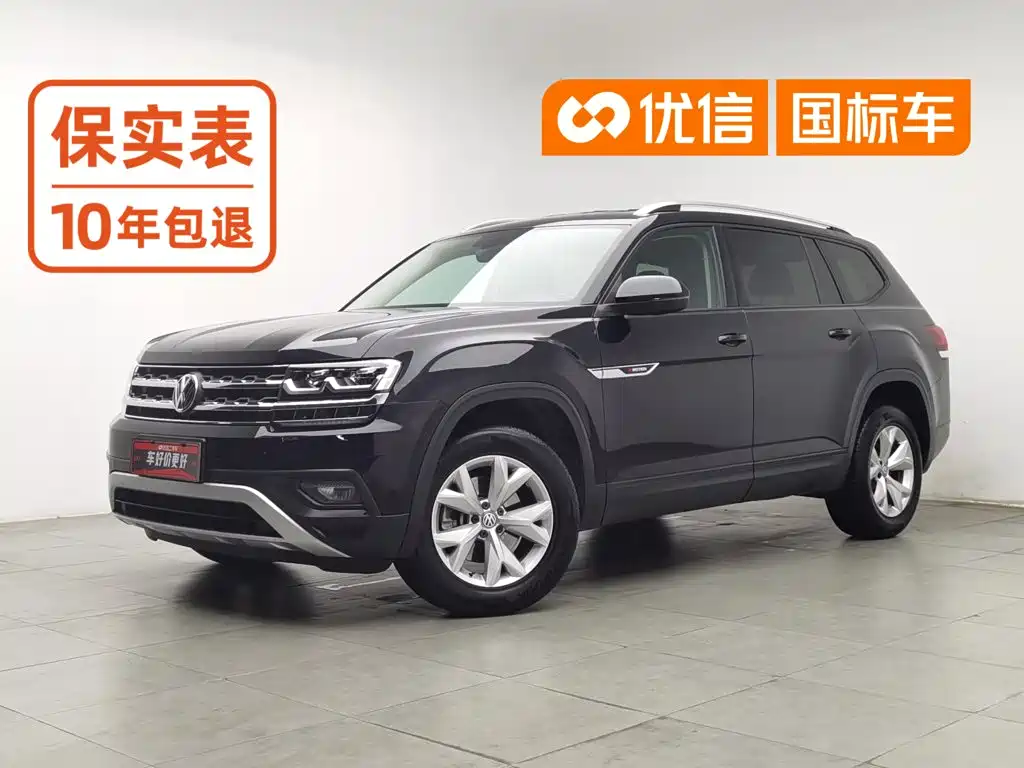
At a glance
- A three-row Volkswagen crossover suited to family, chauffeur and multi-passenger fleet use.
- The range includes 330TSI 2WD, 380TSI 4WD variants, 530 V6 4WD and the Teramont Pro 450TSI branch.
- New cars can provide clearer specification and warranty pathways; used cars require careful inspection.
- Export pricing changes with trim, model year, condition, freight, Incoterms and destination charges.
- Current specifications and binding quotes should be confirmed on live, unit-specific listings.
Why the Volkswagen Teramont matters for export markets
The Volkswagen Teramont is a three-row crossover developed for the Chinese market, positioned between a family SUV and a people carrier. Its export appeal comes from a high-roof, multi-passenger-oriented layout, Volkswagen branding and a spread of two-wheel-drive and four-wheel-drive versions. Buyers can choose simpler 330TSI cars or move upward to 380TSI, 530 V6 and 450TSI Pro derivatives, depending on load, road conditions and equipment priorities. The model is relevant to dealers serving family transport, executive shuttles and premium fleet duties where passenger room and brand image matter as much as urban maneuverability.
Demand is strongest where buyers value a full-size, three-row vehicle but do not need a premium European SUV. The Teramont can serve families, chauffeur and airport-transfer operators, hotels, and company mobility fleets. It gives overseas dealers a recognizable Volkswagen product where some competing nameplates have less local recognition. Its large footprint, energy demand and service needs may narrow its best markets to places with suitable roads, parking and aftersales coverage. Buyers should assess local operating conditions before treating global demand for large SUVs as proof of local demand in that market.
For export planning, the important distinction is not simply whether the model is popular in China. A buyer must compare the exact derivative, steering configuration, emissions version, option list and certification route against the destination market. The same trim name can appear with facelift, comfort, luxury, prestige, premium or flagship equipment. The [live Teramont inventory](https://chinacardirect.com/products?q=Teramont&brands%5B%5D=8) shows the variants to examine, while a written build sheet and destination-specific compliance review are more reliable than the model badge alone. For fleets, a uniform specification may be more valuable than a particular lower-cost individual vehicle.
- Three-row family and fleet use.
- 2WD, 4WD and V6 choices.
- Verify destination compliance.
Model range, trims and powertrain variants: how the lineup is structured and how to choose
The core Teramont range is organized around the 330TSI, 380TSI, 450TSI and 530 V6 badges, with drivetrain and equipment defining each car. The 330TSI appears with two-wheel drive in Luxury versions, making it the simpler choice for paved-road fleet work where road coverage and fuel efficiency matter more than traction hardware. The 380TSI is the broadest branch, appearing with 4WD, 4MOTION and AWD wording across several comfort, luxury and prestige grades. A 380TSI listing is therefore incomplete: check axle configuration, transmission, tires, cabin equipment, facelift status and fleet availability before ordering.
Upper trims include 530 V6 4WD Luxury and Flagship editions, while the Teramont X label introduces its own 380TSI four-wheel-drive versions. A Teramont Pro 450TSI 4WD Summit Edition represents a separate newer branch. Because the basic listing may not disclose displacement, output, gearbox, hybrid hardware or battery data, buyers should request the build sheet rather than infer those specifications from the badge. The same caution applies to equipment: Luxury, Prestige, Premium, Comfort and special-edition names can carry materially different contents. For fleets, a written equipment list should outweigh a headline trim label.
Choose the derivative by operating scenario. A 2WD 330TSI may suit urban transfers and cost-sensitive fleets with good roads; a 380TSI 4WD provides a broader choice for mixed surfaces, while the 530 V6 4WD targets buyers prioritizing engine capacity and four-wheel drive. Teramont X and Pro models may serve different design or powertrain needs. Compare payload, towing needs, fuel availability and resale prospects, then confirm the exact car in live inventory rather than ordering from a generic trim description. For used imports, similarly named vehicles may differ in factory, options or software.
- 330TSI: road-focused fleets.
- 380TSI: broad 4WD grades.
- 530 V6, X and Pro branches.
New vs used Volkswagen Teramont: how export inventory is structured and how buyers choose
Export inventory for the Volkswagen Teramont can contain new vehicles, late-model used cars and earlier examples with substantial road use. New cars are easier to compare when buyers need a known mileage reading, production configuration and clearly stated manufacturer warranty terms. Their disadvantages are a higher acquisition commitment, narrower color or trim availability and showroom depreciation. For a fleet, a new purchase is usually preferable when uptime and standardized handover documents are the priority. Confirm that Chinese warranty coverage and service support transfer or remain available in the destination market.
A used Volkswagen Teramont can make sense for a budget-conscious importer or a buyer who values a known configuration at a lower acquisition point. The trade-off is greater uncertainty around service history, wear, accident repair, tires, condition of any electrified hardware and residual value. Early and facelift cars can differ materially in driver assistance, infotainment and safety equipment. Odometer reading is only one part of condition, so an independent inspection and document review should precede any deposit. For commercial use, request maintenance invoices and verify that commercial-use history is fully disclosed.
The best choice depends on the vehicle's role, not simply new versus used. A company may choose a new car for predictable servicing and residual-value planning, while a chauffeur business can accept an older luxury derivative after rigorous inspection. A dealer restocking should use used stock only when sourcing and reconditioning remain competitive. Compare the full acquisition and operating case: vehicle cost, homologation, insurance, fuel, maintenance, downtime and expected resale. Never use asking labels as evidence of condition or commercial suitability, because compliance work or repairs can erase the apparent saving.
- New: clearer specification path.
- Used: greater inspection risk.
- Compare full operating cost.
How export pricing works: the factors behind a live listing price, and how to read one
The Volkswagen Teramont export price guide should be read as a methodology, not a fixed market quotation. A live vehicle price is shaped by model year, trim, engine and drivetrain, mileage and condition for used cars, color, options, exchange rates and seller terms. Freight, marine insurance, port handling, destination taxes and import charges may sit outside or be layered onto the vehicle figure. For a Volkswagen Teramont wholesale purchase, ask whether the displayed amount is vehicle-only, includes domestic logistics, uses FOB or another Incoterm, or already includes some export services.
Read each listing in the live inventory as a vehicle-specific offer, then normalize its terms. Confirm model year, exact trim, drivetrain, mileage, condition, VIN, color, options, and whether the seller will export directly. Compare like with like: a 330TSI two-wheel-drive car should not be benchmarked against a 530 V6 four-wheel-drive vehicle, and a used example should not be compared directly with a factory-new one. Ask for the quote basis, validity period, payment milestones and exclusions so freight, insurance and destination charges are not confused with the vehicle price itself in writing.
Because exchange rates and logistics change, an old email or copied market range is not a valid offer. Current per-unit price, MOQ and availability are shown on ChinaCarDirect's live Teramont listings, and an importer should request a landed-cost quotation for its destination, Incoterm and timeline. Clarify who arranges export customs, terminal handling, transport, insurance, duty and value-added tax. A lower figure can become more expensive after those additions, while a higher figure may include services a competitor leaves out. Compare the full scope and payment schedule, not just the headline.
- Confirm vehicle identity.
- Define freight and Incoterm scope.
- Request a landed quotation.
MOQ, ordering and payment: single units vs consolidating a container
The minimum order quantity is a listing-specific commercial term. A dealer can often request one export-ready Teramont, subject to the seller's stated MOQ, payment requirements and stock allocation, but it should never be assumed from the model name. Check the MOQ field on the live record and obtain written confirmation before placing funds. One-unit purchasing suits test-car programs, fleet pilots and dealers filling a specification gap. It also keeps the buyer exposed to a single vehicle's condition, option mismatch and availability, so the selected unit should be identified in the contract.
Container consolidation is a different purchasing method. The importer can combine several Teramont units from one seller or coordinate purchases that meet compatible destination requirements, then release the cargo under separate vehicle-level documents. Compatible does not merely mean the same badge: year, trim, drivetrain, emissions version, steering, color and handover condition should suit the receiving market. Grouping units may improve freight planning, but mixed specifications can complicate customs, parts stocking and resale. Each vehicle still needs its own VIN, condition record and commercial line. Agree this rule before paying the balance, not during loading.
A sound order process starts with a pro forma invoice and sales contract, followed by the agreed deposit and balance schedule. Confirm the registered seller name, payment beneficiary, vehicle identity, delivery scope and cancellation terms. Prefer traceable bank transfers and retain every invoice, receipt, inspection report and vehicle document. For new vehicles, confirm whether payment releases the unit after allocation and stock verification; for used vehicles, tie final payment to satisfactory inspection and verified title documents. These controls protect the buyer when a vehicle is damaged in transit or does not match the agreed specification.
- Check listing-specific MOQ.
- Single units suit pilots.
- Consolidate compatible vehicles only.
Shipping, homologation and market compliance caveats: LHD/RHD and import rules by country
Most China-market Teramont vehicles are left-hand-drive configurations, so right-hand-drive availability cannot be assumed. Some buyers need a factory right-hand-drive car, while others consider a conversion or a locally homologated vehicle; each route carries different engineering, safety and certification consequences. A steering-wheel swap alone does not make a Chinese vehicle compliant in the destination market. Require clear photographs, the VIN, homologation plate and steering details for every candidate, and state the required hand of drive in the purchase specification before payment. For right-hand-drive programs, early supplier screening avoids costly rework after arrival.
Import rules are destination-specific. In Europe and the United Kingdom, check whole-vehicle type approval, emissions, safety, VAT and registration; in Australia and New Zealand, right-hand-drive configuration and local vehicle standards can be decisive; Gulf, African and Latin American markets vary by country rather than following one regional template. Use a broker or competent authority to verify VIN and title documents, customs classification, taxation, insurance and local registration. Some listing names include a China VI designation, but that identifies the source-market emissions version and does not automatically satisfy another country's approval regime. Local rules may also affect cameras, lighting, driver assistance, connectivity and software language, so no vehicle should be treated as export-ready until its exact configuration is checked.
Shipping method affects risk, lead time and cost. Roll-on/roll-off transport is common for vehicles moving on their wheels, while specialist container or enclosed-carrier options may suit higher-value, smaller-volume shipments. The route, vessel space, port congestion, customs clearance, weather and inland delivery all influence timing. Complete a pre-shipment inspection covering panels, glass, tires, underbody, interior, fluids, warning lights and VIN. Photograph loading and condition, verify the bill of lading and marine insurance, and avoid releasing the balance before the vehicle and documents reconcile with the agreed contract at origin or loading point.
- Confirm LHD or RHD.
- Check country-specific approval.
- Inspect before loading.
Who should buy the Teramont — and who should pick a different vehicle
The Volkswagen Teramont fits buyers who need three-row space more than they need a compact footprint. Families, executive chauffeurs, hotel and airport-transfer fleets, and companies moving several passengers can benefit from its high-roof packaging and Volkswagen identity. The 330TSI two-wheel-drive version may suit road-focused fleets, while four-wheel-drive derivatives offer additional flexibility for regional roads or harsher conditions. For dealer programs, the model can broaden a three-row portfolio, but only if local servicing, parts supply and residual-value support are credible. That makes advance parts planning and technician training central to the business case.
Different buyers should choose another vehicle when the operating brief conflicts with the Teramont's strengths. A compact SUV is easier to park and often more efficient in mixed urban traffic, while a large pickup or van may serve commercial load duties better. Drivers requiring a factory right-hand-drive model, very low fuel consumption, minimalist maintenance or access to subsidized electric vehicles may find alternatives more suitable. Buyers focused on off-road capability should not mistake four-wheel drive for off-road certification; tires, ground clearance and local support matter too in the intended operating region.
A used Teramont can suit an importer with a disciplined inspection budget and a clear view of likely refurbishment work, but acquisition cost is only part of the equation. For a business buyer, evaluate downtime, insurance, fuel, parts lead time, technician familiarity and resale channels before choosing new. For family use, test-drive the actual trim, confirm cargo practicality and verify that driver-assistance features function as expected in the export market. The right purchase is the one whose configuration, compliance and running costs fit the actual use case rather than the market.
- Strong for passenger fleets.
- Compact rivals may suit cities.
- Used purchases need inspection.
Main rivals and how the Teramont compares
The closest global comparison depends on size, equipment and destination, but three rivals regularly appear in Teramont shortlists. The Toyota Highlander is the most direct established-brand alternative for three-row family and fleet buyers, often carrying local familiarity for servicing and resale. The Hyundai Palisade provides a mainstream three-row alternative with a more urban-oriented footprint. The Kia Telluride competes in the same broad family-SUV class, but specification and value vary by market. These vehicles allow buyers to compare packaging, fuel use and local support rather than treating the Volkswagen badge as decisive.
The Teramont's strongest argument is the combination of a relatively substantial three-row body, a broad choice of 2WD and 4WD-oriented derivatives, V6 availability in the range, and a badge familiar to many Chinese buyers. Its main cross-border disadvantages are equally practical: local homologation, parts planning, technician familiarity and model-year standardization can be harder than for a rival already established in the destination market. The Highlander, Palisade and Telluride should therefore be tested against the buyer's service network and compliance route, not compared only on brochure equipment or local launch timing.
For an overseas dealer, the most useful comparison sheet includes exact dimensions, seating, cargo measurements, engine output, drivetrain, fuel economy, warranty, safety equipment and landed cost in the destination market. Because those figures change across years and trims, verify them from each model's build sheet and current local homologation data. The Volkswagen Teramont is most persuasive when its three-row proposition and drivetrain choice solve a defined customer need, while its servicing and compliance package has already been made workable. Otherwise, a locally established rival may reduce execution risk for the buyer.
- Highlander: global three-row benchmark.
- Palisade: urban family alternative.
- Telluride: equipment-led family rival.
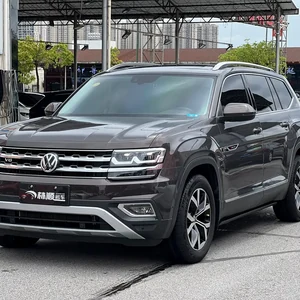
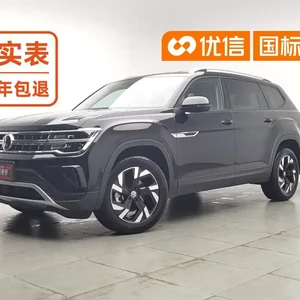
Live Volkswagen Teramont export inventory
View all listings →Real units currently on ChinaCarDirect with per-unit asking prices and MOQ. Availability updates live from the catalogue.
How to buy a Volkswagen Teramont from China
-
1
Define the destination requirement
Record the destination country, steering side, passenger capacity, daily route, towing requirement and local operating conditions. This prevents a compliant-looking but commercially unsuitable vehicle from entering the shortlist.
-
2
Select the powertrain and trim
Compare 330TSI 2WD, 380TSI 4WD, 530 V6 4WD and Teramont Pro derivatives against road conditions, load and equipment needs. Confirm the exact trim rather than relying on the engine badge.
-
3
Review live vehicle listings
Use the [live Teramont inventory](https://chinacardirect.com/products?q=Teramont&brands%5B%5D=8) to identify the model year, drivetrain, condition, VIN and visible options of each candidate. Treat availability as vehicle-specific and verify it before ordering.
-
4
Request the build sheet and documents
Ask the seller for the factory build sheet, VIN, title or ownership documents, emissions version, equipment list and service history where applicable. Reconcile every document with the vehicle shown in the listing.
-
5
Obtain a landed export quotation
Request the current per-unit price, accepted MOQ, Incoterm, freight, marine insurance, payment milestones and destination charges. Separate vehicle, logistics and customs costs so the commercial comparison remains clear.
-
6
Contract and pay securely
Review the pro forma invoice, seller identity, payment beneficiary, vehicle reference, delivery scope and cancellation terms before transferring funds. Tie any final balance to satisfactory inspection and verified ownership documents.
-
7
Complete inspection and shipment
Authorize a pre-shipment inspection, photograph the vehicle during loading and verify the bill of lading and insurance. Complete customs clearance, destination homologation and local registration through qualified partners.
Teramont vs rivals
| Toyota Highlander | The closest global rival for buyers seeking a three-row family SUV with an established aftersales network. The Teramont differentiates with broad 2WD and 4WD choices plus V6 availability, while the Highlander may offer greater local brand familiarity and simpler resale planning. |
|---|---|
| Hyundai Palisade | A mainstream three-row alternative that may be easier to manage in urban markets and for fleets focused on efficiency. The Teramont offers a larger-feeling, more distinctive Volkswagen package and broader upper-powertrain choice, but Palisade's local service familiarity can reduce operating risk. |
| Kia Telluride | A close class alternative with market-dependent equipment and a strong family-SUV proposition. Choose between it and the Teramont using verified dimensions, fuel and safety specifications, warranty, parts support and landed cost rather than brochure value alone. |
Frequently asked questions
How is Volkswagen Teramont export pricing determined?
Export pricing is built around the exact vehicle's year, trim, powertrain, mileage and condition, then adjusted for seller terms, exchange rates, freight, insurance and destination charges. A live listing should be read as vehicle-specific, not as a fixed market-wide price. Check the current amount in the live Teramont inventory and request a written landed-cost quotation for the destination, Incoterm and timeline. Only the confirmed unit and quotation are binding.
Which engine and drivetrain options are available?
The referenced lineup includes 330TSI 2WD, 380TSI 4WD, 4MOTION or AWD, 530 V6 4WD, and Teramont Pro 450TSI 4WD variants. Exact displacement, output, transmission, fuel economy and any hybrid or battery details must come from the unit's build sheet because a badge alone is incomplete. Select the derivative according to road conditions, load, drivetrain need and destination compliance rules.
Are used Volkswagen Teramont vehicles a better value?
Used cars can offer a lower entry point and a known configuration, but they carry more risk around service history, accident repair, wear, equipment and residual value. New cars simplify fleet standardization and warranty planning, yet they usually require a larger acquisition commitment and may narrow trim or color availability. Compare the complete operating cost and obtain an independent inspection for any used purchase.
What is the MOQ for a Teramont export order?
MOQ is the minimum quantity the seller requires for a particular listing, and it may differ by seller, vehicle and commercial arrangement. A dealer can request a single-unit export where the listing permits it, while container buyers group compatible units under separate vehicle documents. Check the live MOQ field and include the accepted quantity, deposit, balance and cancellation terms in the contract.
How long does shipping take and what affects the cost?
Shipping time and cost depend on origin and destination ports, vessel space, sailing schedules, congestion, customs clearance, insurance, securing method and inland delivery. Vehicle condition does not determine freight rate, but the selected unit, options and destination can affect commercial terms and total cost. Ask for separate vehicle, freight, insurance and destination-charge lines so the quotation remains auditable.
Can spare parts be ordered for an imported Teramont?
Parts can usually be matched using the VIN and original part numbers, but Chinese-market trims may differ from models sold in the destination country. Confirm catalog compatibility, supplier availability, lead time, freight and return terms before ordering, and ask whether the seller can support common fleet consumables. For ongoing operations, establish a local parts plan because imported vehicles may not use the same supplier network as locally sourced rivals.
Is a right-hand-drive Volkswagen Teramont available for export?
Most China-market Teramont examples are left-hand drive, so right-hand-drive supply should be checked rather than assumed. Factory right-hand-drive vehicles, approved conversions and locally homologated examples involve different approval routes and may carry different availability and cost implications. State the required hand of drive and destination rules before selecting a vehicle or paying a deposit.
How do I buy a Volkswagen Teramont from China?
Begin with the live Teramont inventory, identify a suitable vehicle or specification, and request an RFQ with the destination, Incoterm, quantity and timing. Ask for the MOQ, per-unit price, pro forma invoice, payment schedule, document list, inspection condition and shipping plan in writing. Submit the request through [ChinaCarDirect's RFQ form](https://chinacardirect.com/contact) before treating any vehicle as reserved.
Ready to source the Volkswagen Teramont?
Send ChinaCarDirect your destination, quantity, timing and required Teramont specification for a current vehicle-level export quotation.
Request a quote