
Volvo S60 Export Buying Guide for Overseas Dealers
Buy a Volvo S60 from China with clear guidance on trims, powertrains, export pricing, MOQ, shipping, compliance and rivals for overseas dealers.
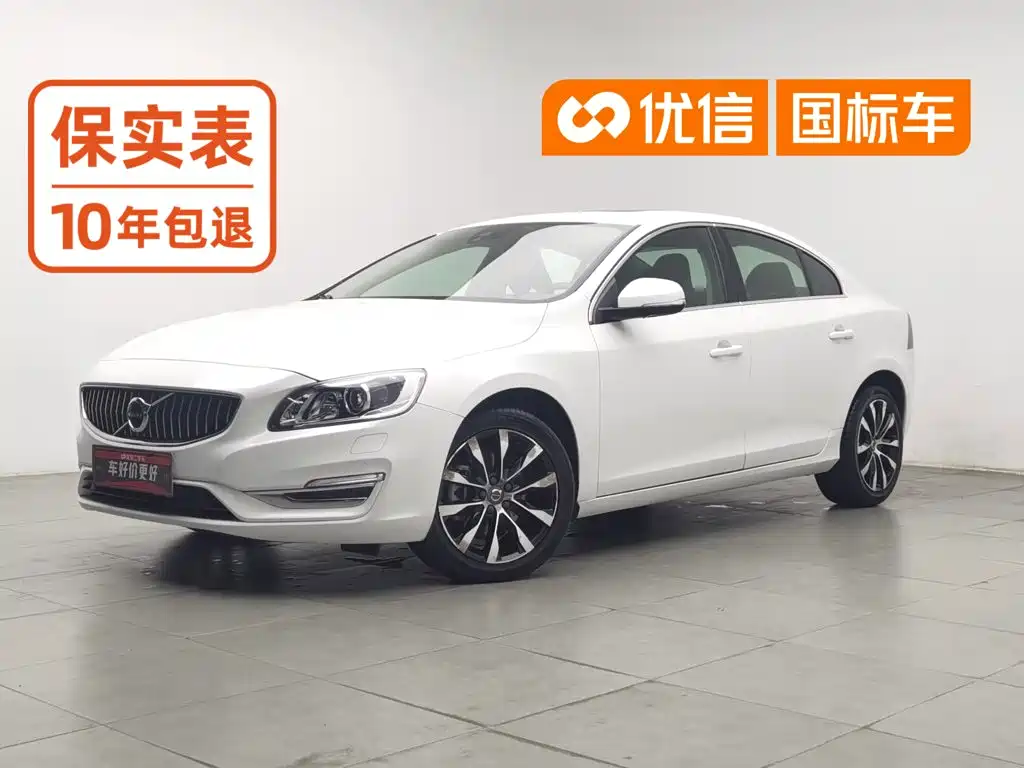
At a glance
- The S60 is a premium compact sedan suited to corporate fleets, chauffeur operators and buyers seeking Volvo safety and understated design.
- Selection spans T3/T4/T5/T6 gasoline, B4/B5 mild-hybrid and T8 plug-in-hybrid versions, plus standard-wheelbase and S60L long-wheelbase bodies.
- Exact trim, year, condition, drivetrain and equipment vary, so verified vehicle specifications should drive every purchase decision.
- Export pricing should be assessed as landed cost, separating vehicle value from freight, insurance, Incoterm and destination charges.
- Single-unit purchasing may be possible, but MOQ, payment milestones and shipping terms must be confirmed for each seller and transaction.
- RHD availability, emissions, safety approval, VIN consistency and local registration rules require confirmation before commitment.
Why the Volvo S60 matters for export markets
The Volvo S60 occupies a useful middle ground in the premium compact-sedan segment: it offers an upscale badge and driver-focused character than a mainstream family saloon, while remaining easier to park and operate than a full-size executive car. For overseas dealers, that positioning matters because it can serve company fleets, executive customers and private buyers who want European design and Volvo's safety-led identity without moving to a larger premium segment. The deciding question is whether local demand supports the S60's ownership, after-sales and homologation costs profitably over the long term.
Because the S60 is an established nameplate, buyers recognize its proportions, badge and strengths. Chinese export examples may differ from European and North American specifications, so overseas buyers should compare the exact listing—not assume a home-market badge matches the imported car. This matters particularly for S60L versions, which prioritize rear-seat space and differ from standard-wheelbase cars. Export demand is strongest where premium-sedan competition is weaker, dealer aftersales support is credible, and retail and corporate demand overlap. A familiar model shortens the sales explanation, although product quality and service remain decisive.
For a buyer assessing a Volvo S60 for export, the strongest case is a premium sedan with a safety proposition and enough performance variety for markets. The car can appeal to chauffeur services, airport transfers and executive fleets, but these businesses should compare fuel policy, insurance classifications and parking access before committing. Volvo's restrained Scandinavian design and comfortable touring character help it stand apart from sporting saloons. Conversely, it may be a poor fit where rear-seat legroom, trunk capacity or infotainment conventions matter more than road holding and brand image.
- Premium sedan; strong fleet appeal.
- S60L prioritizes rear-seat space.
- Confirm local aftersales support.
Model range, trims and powertrain variants: how the lineup is structured and how to choose
The lineup is easiest to understand as four-door S60 sedans with different powertrain and chassis propositions. T3, T4, T5 and T6 designate gasoline versions, while B4 and B5 add mild-hybrid assistance and the T8 Twin Engine is a plug-in hybrid. S60L long-wheelbase editions also appear, alongside equipment lines such as Smart, Momentum, Elegance, Zhijin and Inscription. These names are not one global hierarchy: equipment, motors and market origin can change together. Buyers should read the complete trim label and verified vehicle specification rather than choosing by the most prominent badge.
Choosing among S60 powertrains starts with operating case, not badge. T3 and T4 examples are positioned around efficiency and everyday use, T5 and B5 blend performance with electrified assistance, and T6 versions add a performance-oriented proposition, often with all-wheel drive. The T8 plug-in hybrid is the clearest choice for buyers seeking electric-assisted daily running without relying on a battery-electric vehicle. Because output, gearbox, cabin and regional equipment can differ, treat these descriptions as selection logic, not substitute technical data. Compare outputs, fuel ratings and drivetrain before making a commercial decision.
For fleet buyers, compare a conventional S60, a mild-hybrid version and the T8 plug-in hybrid. Conventional models offer simpler refueling and fewer charging dependencies, while mild hybrids add electrical assistance without plug-in charging. A T8 suits operators with charging access and a duty cycle that rewards electric running, but its battery system, charging procedure and homologation need review. S60L cars suit chauffeur or executive use where rear space matters; the standard body is easier to manage in tighter markets. Compare equipment with buyer priorities instead of assuming a trim lowers ownership cost.
- Compare complete trim specifications.
- Verify output, gearbox and drivetrain.
- T8 needs dependable charging access.
New vs used Volvo S60: how export inventory is structured and how buyers choose
Export inventory should be read as a set of vehicles with different ages, conditions and commercial descriptions, not one interchangeable pool. A dealer may evaluate factory-new cars, very low-mileage examples, former demonstrator vehicles or older imports, but each category carries a different risk profile. The listing label matters: “new” can refer to a vehicle presented as new by the seller, while an imported or registered example may require more due diligence even if its odometer is low. Confirm registration status, production date and history before describing a vehicle as new.
New units are generally easier to compare because condition, warranty terms and factory specification are documented, and they may offer interior and convenience equipment. Their disadvantages can include quicker depreciation and less flexibility when negotiating one vehicle. A used Volvo S60 may offer value for a budget-conscious buyer, but that value depends on mileage, service history, paint, tire wear, accident repair and parts availability for the exact generation. Compare total ownership cost over the planned holding period, not purchase price alone. Dealers should factor reconditioning, warranty gaps, registration and resale effects.
Buyers evaluating a used Volvo S60 should request the VIN, registration documents, service records, odometer reading and photographs of body, interior, underbody and tires. Independent inspection is valuable for older examples because structural work, altered mileage or deferred maintenance may not be obvious from photographs. Check whether the vehicle is left- or right-hand drive and whether its homologation suits the use. If a unit will be re-exported or registered for fleet use, destination rules on age, emissions and documentation can outweigh mechanical condition. Never infer compliance from the model name alone.
- Separate registration from listing labels.
- Inspect older cars for concealed work.
- Calculate full holding-period cost.
How export pricing works: the factors behind a live listing price, and how to read one
An export quote combines the vehicle's intrinsic value with the cost and risk of delivery. Base factors include model year, exact trim, engine or hybrid configuration, mileage, condition, standard equipment and originality. Transaction costs then reflect exchange rate, seller margin, payment terms and requested transport services. Freight and insurance depend on route, shipping method, port handling and the Incoterm selected. Destination taxes, duties, registration and compliance work are separate landed-cost items and should not be confused with the vehicle sale price. A quote is meaningful only when its inclusions are explicit.
Model year is one calculation factor. A newer S60 may have different residual value from an older example, but high mileage can outweigh model year. Likewise, a T8 plug-in hybrid and gasoline S60 are not directly comparable without considering fuel use, charging access and local tax treatment. Condition adjustments can be substantial when a seller discloses repainting, replaced wheels, accident history or ended factory warranty. Buyers should confirm the written quotation basis, documented repair evidence and any current exclusions, plus whether the quote is per unit and its stated validity period.
This is why a Volvo S60 export price guide should explain methodology, not publish a fixed figure that quickly becomes outdated. On ChinaCarDirect, use live Volvo S60 listings for each vehicle's current asking price, MOQ and availability, then request a formal quote for the chosen configuration. Read the listing title, condition wording, photographs, specifications, seller terms and shipping options together; the headline number is not a complete offer. Record quote currency, payment schedule, Incoterm, named port and exclusions. This creates repeatable comparison between sellers and avoids treating an obsolete snapshot as current.
- Separate vehicle value from landed charges.
- Confirm currency, Incoterm and validity.
- Use current live S60 quotes.
MOQ, ordering and payment: single units vs consolidating a container
The minimum order quantity, or MOQ, is the smallest number of units a seller accepts in one transaction. It should be confirmed for the vehicle, seller and Incoterm rather than inferred from a category. Some export arrangements may allow one-unit purchasing, while a seller using a container model may set a larger requirement. The useful question is not whether one can be bought, but under what payment, documentation and freight terms a seller accepts one unit. Ask in writing about mixed-model or consolidated-shipment allowance, and treat verbal flexibility as non-binding.
An ordering process separates vehicle selection from payment and shipping authorization. After agreeing the VIN or exact trim, condition report and commercial terms in writing, the buyer can pay a deposit against the contract. The balance is linked to inspection and shipment documents, but milestones must be agreed. The contract should identify the vehicle or selection rule, price currency, MOQ, Incoterm, delivery point, inspection rights and remedy for nonconformity. Credit or an irrevocable letter may suit larger corporate transactions; smaller buyers should use protected methods and verify the seller's identity.
For Volvo S60 wholesale buyers consolidating vehicles, the attraction is lower logistics cost and diverse retail stock. The trade-off is that vehicles must meet the destination's registration, emissions, equipment and axle-load requirements before shipment, while mixing grades can complicate parts planning and dealer training. Confirm whether the seller can consolidate units, whether cargo insurance covers declared value and how shortages or claims are resolved. A container plan should show how papers identify every VIN, since an invoice summary may not satisfy port requirements. Match consolidation to retail demand, not speculative stock.
- Confirm MOQ for every seller.
- Lock VIN or selection criteria.
- Match consolidation to real demand.
Shipping, homologation and market compliance caveats: LHD/RHD and import rules by country
After sale, shipping planning must match the vehicle's condition and route. Enclosed carriers such as roll-on/roll-off or container vessels are used for cars, but method, securing standards, route frequency and insurance terms need confirmation with the forwarder. A carrier may be preferable for a valuable unit if available at the port. The Incoterm fixes where responsibility transfers, but it does not determine customs admissibility, suitability or inspection rights. Inspection timing should be agreed before release. Packing should protect the vehicle against movement, moisture and contact damage during loading and discharge.
Left-hand-drive and right-hand-drive markets are not interchangeable for registration, even though the S60 platform may be offered in both configurations. A Chinese-market car with a fixed steering position may need conversion, but conversion can affect safety, electronics, warranty and local type-approval requirements. Importers should establish whether the destination expects LHD or RHD and whether a locally compliant version is easier to homologate. For UK, Japan, Australia and other RHD markets, that verification is essential; LHD markets still apply local emissions, safety and electrical rules. Never assume an overseas homologation transfers between countries.
Compliance is jurisdiction-specific and should be settled before a non-refundable payment. The importer may need to address customs classification and valuation, VAT or sales tax, emissions standards, safety equipment, VIN reconciliation, warranty provisions and registration. Plug-in hybrid imports may face rules concerning battery declarations, charging standards or low-emission zones, while used vehicles can be restricted by age, emissions category or proof of conformity. These duties belong to the importing entity, not the marketplace, so use a customs broker and obtain written confirmation rather than relying on an internet answer.
- Verify LHD or RHD configuration.
- Obtain destination-specific homologation advice.
- Confirm insurance and inspection rights.
Who should buy the S60 — and who should pick a different vehicle
The S60 suits buyers who want a premium four-door sedan with a safety image, recognizable branding and a choice of gasoline, mild-hybrid and plug-in-hybrid powertrains. It can be persuasive to corporate buyers, ride-hailing operators, chauffeur companies and dealers seeking an alternative to mainstream German premium saloons. An S60L may suit customers prioritizing rear passenger comfort, while the standard body can be more practical for mixed urban and regional use. The strongest case is a destination with active premium-sedan demand and dealer support that can be maintained over the planned ownership cycle.
It is less suitable for buyers who need a cargo bay, seven seats, high ground clearance or the lowest operating cost in a low-emission market. A battery-electric vehicle may be a better match where charging and range are established and policy favors zero-emission operation. Buyers carrying bulky goods should consider an estate, MPV or pickup instead, while organizations needing seven seats should not force a five-seat saloon into fleet duty. An S60 also needs an aftersales plan: parts availability, technician training, diagnostic equipment and insurance repairs must be viable in the destination.
Before buying, map the S60 against operating use rather than showroom image. Compare fuel consumption under local duty cycles, expected resale, tax treatment and downtime against German premium sedans and locally favored alternatives. Fleet buyers should model residual value because export history, registration taxes and aftersales quality can affect liquidation more than equipment. Dealers can mix trims for different budgets, but only if every vehicle has documented condition, clear pricing and a route to market. If ownership economics do not work locally, the model may be wrong despite its badge.
- Strong for premium fleet and chauffeur use.
- Unsuitable for cargo or seven-seat needs.
- Model local support and residual value.
Main rivals and how the S60 compares
The closest global rivals for most S60 evaluations are the BMW 3 Series, Audi A4 and Mercedes-Benz C-Class. They occupy a similar premium compact-sedan class and compete for business and affluent private buyers. Their engines, cabins and regional equipment differ, so compare the S60 against locally relevant variants rather than a showroom headline. In Europe, the S60 can compete through restrained design, safety positioning and electrified powertrains; elsewhere, brand awareness and service coverage may be more decisive. The strongest rival is the locally supported model, not the one with the longest option list.
Against the BMW 3 Series, the S60 often feels more restrained and safety-centered, while the BMW carries a stronger performance identity and broad dealer network in many markets. The Audi A4 may appeal to buyers seeking a more technology-focused cabin and wider performance range, but its market positioning can differ significantly from the Chinese-specification S60. Neither comparison is complete without checking legroom, infotainment compatibility, carry capacity and service parts. Buyers should consider whether the S60's standard or long-wheelbase layout better fits expected use, and whether familiar equipment helps local resale.
Against the Mercedes-Benz C-Class, the S60 offers restrained Scandinavian character and a comparable premium-sedan proposition, but the C-Class may benefit from badge recognition or denser luxury support in some markets. Volvo's emphasis on safety and comfort can make the S60 persuasive to families and professionals, while Mercedes may appeal more to those prioritizing prestige. The decisive test is a comparison of equivalent grades: drivetrain, engine or hybrid system, dimensions, safety equipment, infotainment and aftersales. Select the vehicle easier to support and resell in the destination, not the one with the most attractive badge.
- BMW 3 Series: performance-led alternative.
- Audi A4: cabin-technology alternative.
- Mercedes-Benz C-Class: prestige-led alternative.
Live Volvo S60 export inventory
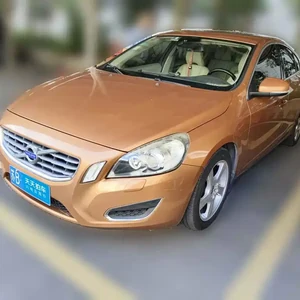
View all listings →Real units currently on ChinaCarDirect with per-unit asking prices and MOQ. Availability updates live from the catalogue.
How to buy a Volvo S60 from China
-
1
Set the destination and use case
Specify the destination, driving side, fuel needs, passenger load and budget. This prevents technically attractive but locally unsuitable cars from entering the shortlist.
-
2
Shortlist the live inventory
Review live Volvo S60 listings and compare the full trim description, powertrain, body, drivetrain, condition and seller terms. The vehicle's verified specification is more reliable than a badge alone.
-
3
Verify identity and condition
Request the VIN, registration, odometer and service records, plus body, interior, underbody and tire photographs. Use an independent inspection for an older or imported unit.
-
4
Build a landed quote
Ask for a quote stating currency, validity, payment schedule, Incoterm, port, freight, insurance and destination charges. Separate the vehicle sale price from taxes, duties, registration and compliance work.
-
5
Confirm MOQ and contract
Ask whether one unit is accepted and under which terms. Put the exact VIN or approved selection rule, condition standard, MOQ, payment milestones, inspection rights and remedies in the contract.
-
6
Complete pre-shipment checks
Approve inspection and verify VIN, shipping documents, export declaration, insurance and cargo-securing requirements with the forwarder. Address any mismatch before authorizing release or final payment.
-
7
Ship and complete import clearance
Book transport to the named port, monitor loading and discharge, and use a qualified broker for customs, tax and destination registration. Confirm local type approval, emissions rules, warranty and parts support before dispatch.
S60 vs rivals
| BMW 3 Series | The 3 Series is the closest performance-led rival in the same premium compact-sedan class. The S60 emphasizes understated design, comfort and safety, while BMW may have the stronger performance image and wider dealer familiarity; compare locally relevant versions directly. |
|---|---|
| Audi A4 | The A4 competes through a technology-focused cabin and broad model spread. The S60's appeal lies more in restrained styling, safety positioning and electrified drivetrains, so the better fit depends on buyer priorities and local support. |
| Mercedes-Benz C-Class | The C-Class is the closest prestige-led rival, with badge recognition that can aid resale. The S60 offers comparable premium-sedan utility with a more restrained Scandinavian identity, but Mercedes support may be more established in some markets. |
Frequently asked questions
How is Volvo S60 export pricing determined?
A live quote reflects model year, exact trim, powertrain, mileage, condition, equipment, exchange rate, seller terms, freight, insurance and the selected Incoterm. Destination duties, taxes, registration and compliance costs belong in the landed-cost calculation. Check the live Volvo S60 inventory for the current per-vehicle figures, then request a written quote as the commercial reference.
Which Volvo S60 specs should confirm for powertrain and range?
The range includes T3/T4/T5/T6 gasoline versions, B4/B5 mild-hybrid versions and the T8 Twin Engine plug-in hybrid, subject to market and year. Exact displacement, output, gearbox, battery, electric range, dimensions and drivetrain must be checked in the live listing for the specific car.
Are used Volvo S60 models worth considering?
New units generally make condition, warranty and factory configuration easier to verify. A used Volvo S60 can offer lower acquisition cost and more attractive depreciation, but buyers should price in inspection, maintenance, parts, registration and residual-value risk. The best choice follows the holding period and condition evidence, not the listing label alone.
What is the MOQ for Volvo S60 exports?
MOQ is set by the seller and transaction, not by a universal S60 rule. One-unit purchases may be accepted, while container-based sellers may require a larger batch or compatible consolidation. Confirm the quantity, model mix, payment terms and freight basis in writing before paying a deposit.
How long does shipping take, and what affects the cost?
Transit duration and cost depend on origin and destination ports, carrier and vessel schedule, sailing or roll-on/roll-off availability, cargo size, insurance, handling and Incoterm. A forwarder should quote the route and charge basis; customs clearance and destination delivery can add time beyond the main carriage.
Can spare parts be ordered for an imported Volvo S60?
Use the VIN and exact trim to identify compatible parts because generation, engine, market and production date can change fitment. Confirm whether replacement items can be sourced through Volvo, an authorized network or an independent supplier before importing a vehicle. Parts availability should also be reflected in the operating plan.
Is a right-hand-drive Volvo S60 available for export?
Right-hand-drive availability depends on the source vehicle and destination market. A Chinese-market left-hand-drive S60 may require conversion, which can affect electronics, safety, warranty and type approval, so factory RHD examples should be sought where possible. Search the live listings for the required configuration and verify it with the seller.
How do I buy a Volvo S60 from China?
Start with the live Volvo S60 inventory, select the closest configuration and submit an RFQ with the destination, quantity and preferred Incoterm. Then verify documents and condition, obtain a written landed quote, confirm MOQ and payment milestones, complete inspection and authorize shipping. ChinaCarDirect's RFQ channel is the appropriate place to request the current unit-level quote.
Ready to source the Volvo S60?
Send your destination, S60 configuration and purchasing plan to ChinaCarDirect for a current export quote.
Request a quote