
Volvo Xc60 Export Guide for Dealers and Fleet Buyers
Buy a Volvo Xc60 from China with practical guidance on trims, engine options, export pricing, MOQ, shipping, homologation and practical sourcing decisions.
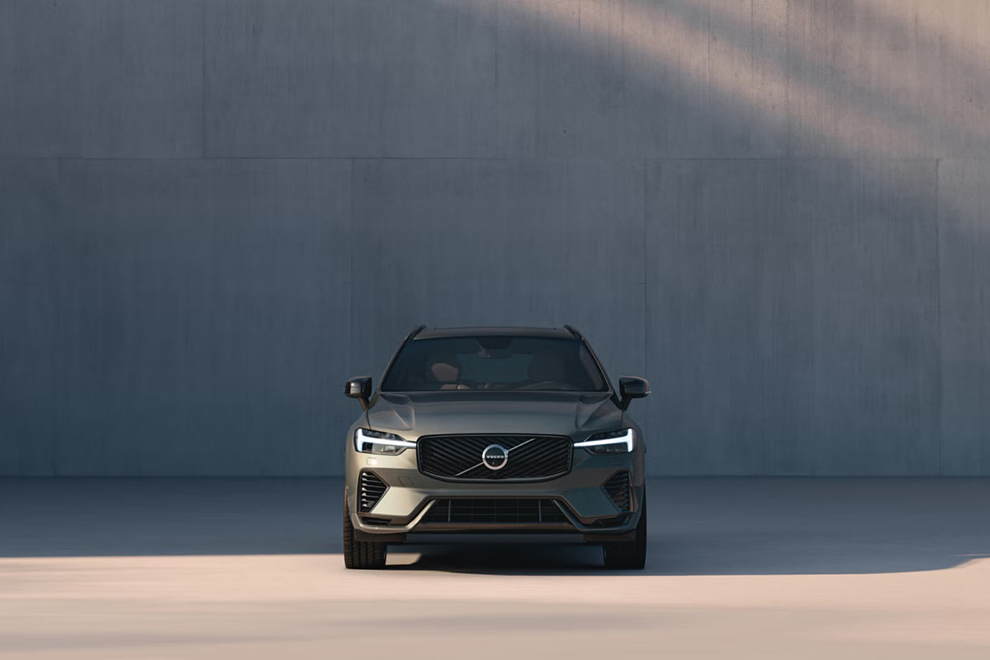
At a glance
- The Xc60 positions Volvo in the midsize premium SUV segment for family, dealer and fleet buyers.
- T5 and B5 petrol powertrains give buyers a conventional efficiency or mild-hybrid refinement choice.
- Four-wheel-drive configurations and broad local trim naming make exact-unit comparison essential.
- Used Xc60s can suit value-focused importers when condition and documents are fully verified.
- Landed cost, steering side, homologation and aftersales support matter as much as the vehicle price.
Why the Volvo Xc60 matters for export markets
The Volvo Xc60 occupies the useful middle ground between a compact luxury SUV and a full-size family flagship. Its five-door body combines premium-brand presence, a comfortable ride and usable cargo space without the bulk and running cost of a larger vehicle. That positioning gives it broad appeal to overseas dealers serving professional families, company-car customers and buyers who want a Volvo but do not need a seven-seat model. The result is a globally recognised name that can fit fleet and retail programmes without overwhelming the market or tying up disproportionate inventory capital.
China-origin Xc60 sourcing is especially relevant because the model is offered with several familiar Volvo configurations rather than a single export-only specification. The available mix includes T5 and B5 engines, four-wheel-drive layouts and a broad set of comfort, styling and equipment grades. For an importer, this creates useful choice, but it also makes exact-unit inspection essential. Chinese edition names do not always map neatly to global trim designations, so buyers should compare mechanical specification and equipment rather than assuming that two vehicles carrying the same Volvo badge are equivalent for the intended market.
For export markets, the Xc60’s strongest case is as a practical premium SUV: it suits long-distance use, family travel and all-weather road conditions while retaining a more manageable footprint than a large luxury model. A dealer can build a coherent offer around the model’s restrained Scandinavian design, comfort and driver-focused road manners. However, global demand does not remove local obligations. Steering configuration, emissions approval, equipment legality, parts support and expected resale value must be checked against the destination country before stock is committed; freight and after-sales budgets should not be assumed in advance.
- Premium midsize SUV positioning.
- T5 and B5 powertrains.
- Local compliance essential.
Model range, trims and powertrain variants: how the lineup is structured and how to choose
Chinese-market Xc60 trims combine an engine grade with a drivetrain, an equipment tier and, in some cases, an emissions designation. Live names include T5 4x4 and B5 4x4 configurations, together with Smart, Comfort, Touring, Luxury, Zhiyi, Zhiyuan, Sport and R-Design expressions. The nomenclature is not a simple global trim ladder: “Smart Touring” or a China VI label may tell an importer more about equipment and homologation than a familiar retail badge does. Read the complete title, then verify the specification sheet for each vehicle before comparing units or requesting a firm quote.
The T5 and B5 are the key powertrain choices. Both use a turbocharged 2.0-litre petrol four-cylinder family and an eight-speed automatic in the common Chinese-market configuration; B5 adds a 48-volt mild-hybrid layer for smoother power delivery and improved energy recuperation. T5 is normally the simpler value proposition, while B5 is attractive to fleet buyers who prioritise refinement and operating efficiency. Neither is a plug-in hybrid or battery electric vehicle, so there is no external-charging decision and no battery-range figure to assess. This keeps fleet procurement straightforward for most buyers operating under the relevant local rules.
Equipment choice should follow the buyer rather than the badge. A dealer serving corporate fleets may prioritise durable upholstery, rear-seat comfort, driver-assistance functions and a comprehensive equipment list; a private importer may place more weight on warranty history, fuel economy and the condition of the car. Compare seat material, infotainment, climate control, lighting, wheels, tyres and driver aids on the actual unit. Also establish whether heated seats, panoramic glass, tow equipment or other options are standard, optional or absent, because similar trim names can conceal meaningful configuration, cost or condition differences.
- Verify engine and drivetrain.
- Compare equipment by VIN.
- Interpret local trim labels.
New vs used Volvo Xc60: how export inventory is structured and how buyers choose
Export inventory should be read as a mixed market rather than a single new-car catalogue. Supply can reach the export channel through manufacturer allocation, dealer stock, demonstrator fleets, corporate disposal and used-car channels. An Xc60 may therefore be factory-new, an unregistered demonstrator, a lightly used vehicle or a higher-mileage used import. The most useful distinction is documentary: original sales status, registration history, production date, odometer reading and service records. Ask for evidence rather than relying on labels such as “new,” “demo” or “used.” The same badge and trim can conceal materially different commercial and technical risk, so record the distinction in writing before it enters the final landed-cost comparison.
A used Xc60 can make economic sense when the buyer accepts older infotainment, a shorter remaining life for wear items and the possibility of deferred maintenance. It may also be the only practical route to a particular equipment level or lower running-cost entry point. Inspect paint and panel alignment, cabin wear, tyre age, brake condition, fluid leaks, battery or charging-system condition, road-wheel balance, air-conditioning performance and cold starting. Verify the VIN, service invoices, recalls, keys, title documents and evidence of accident or flood exposure before agreeing to the final purchase terms.
New or newer Xc60 units suit dealers that want a uniform specification, current driver-assistance technology and a clearer warranty position. They reduce uncertainty about wear and prior use, although the buyer accepts rapid depreciation, higher acquisition outlay and potentially a longer wait for the right configuration. The best choice is not simply the newest or oldest vehicle: compare total acquisition cost, expected annual mileage, likely service plan and local residual value. For a mixed fleet, one carefully selected used unit may be more rational than overpaying for unnecessary equipment on a new vehicle.
- Verify ownership documents.
- Inspect condition and history.
- Assess lifetime operating cost.
How export pricing works: the factors behind a live listing price, and how to read one
A Volvo Xc60 export price is a negotiated result, not a fixed model-level rate. The vehicle’s year, exact T5 or B5 grade, four-wheel-drive configuration, trim equipment, mileage, condition, ownership history and production status all influence its asking value. Market effects matter too: exchange-rate movements, Chinese supply and demand, and the seller’s available stock can move the achievable market level. Freight, marine insurance, destination charges, taxes and the selected Incoterm may sit outside the displayed vehicle price but still determine the amount needed to land the car properly and with complete documentation.
To read a live listing correctly, first establish whether the amount shown is the seller’s vehicle price, a deposit, or an indicative starting point, and which currency applies. Then identify what is included: export documents, inspection, inland transport, marine insurance, loading, ocean freight, customs clearance and destination delivery. Confirm whether the seller can supply a VIN, registration or ownership papers, production month and photographs of the actual unit. A quote that looks competitive may become less attractive once the buyer adds the same missing services and taxes to every candidate in the same format.
The most disciplined comparison is a landed-cost sheet using the same assumptions for each car. Normalise the currency, add inland haulage, freight, insurance, port fees, duty, VAT or sales tax, compliance work and expected dealer margin, then assess residual value separately. Request a written quote with a validity period and payment milestones. ChinaCarDirect’s live Xc60 listings are the place to verify the current per-unit asking price and availability; use the RFQ process for transaction-specific terms rather than treating an old message or comparison as binding for the actual unit involved.
- Normalize quote currencies.
- Add freight, duty and taxes.
- Confirm quote validity.
MOQ, ordering and payment: single units vs consolidating a container
Minimum order quantity depends on the listing and the seller’s operating model, so the buyer should check the terms shown against the exact vehicle rather than assume either a one-unit rule or a container commitment. ChinaCarDirect listings can be reviewed for the applicable MOQ and current availability, but a live enquiry is still needed for a binding offer. One-unit purchases suit test-market importers and specialist dealers. Larger fleet orders may obtain better freight efficiency, although vehicle mix, documentation, working capital and unsold stock create additional exposure if the launch is unsuccessful.
A typical order moves from specification to evidence, then to a quote, payment milestones, inspection and release for shipment. The buyer confirms engine, drive system, trim, options, condition, VIN and document set; the seller supplies photographs and records; both sides agree the price, Incoterm and schedule. Payment terms should state the deposit, balance trigger, accepted method, refund conditions and who bears bank or transfer charges. Avoid relying on informal messages: attach the agreed vehicle details to the pro forma invoice and have any unusual ownership or payment arrangement reviewed before funds are sent.
Consolidating several Xc60s into one container can improve freight efficiency where vehicle dimensions, loading rules and capacity permit, but it should be planned around actual units rather than a theoretical load plan. Confirm exterior dimensions, wheel position, packing rules and loading supervision with each seller, and ensure every VIN and document set can be reconciled before sealing. Mixed trims are manageable when keys, batteries, loose equipment and paperwork are controlled. Compare the saving from fuller loading with added port handling, damage exposure, storage at destination and the risk of holding several vehicles that turn more slowly than planned.
- Check each live MOQ.
- Use written payment milestones.
- Reconcile VINs before sealing.
Shipping, homologation and market compliance caveats: LHD/RHD and import rules by country
Transport mode should match cargo volume, urgency and risk tolerance. Finished vehicles commonly move on Ro-Ro car carriers; container or other consolidation arrangements may apply when vehicles are grouped, while smaller lots may be consolidated differently by the forwarder. Quote the complete route, not ocean freight alone: origin charges, terminal fees, documentation, marine insurance, destination handling and delivery can materially alter the bill. Transit time is likewise variable because vessel schedules, transshipment, congestion, customs inspection and weather all affect the timetable. The confirmed shipping plan should state expected milestones without treating them as guaranteed.
Steering configuration is a critical sourcing issue. Chinese-market examples are predominantly left-hand drive, whereas some destination markets require or strongly prefer right-hand drive. An LHD vehicle may need conversion, but swapping steering, screens, controls, safety systems and warning equipment is not simply a mechanical task and may affect homologation. RHD Xc60 availability can also be limited. Importers should check whether a locally homologated RHD alternative would be safer and more supportable than converting an individual Chinese car. A specialist conversion provider should confirm feasibility, parts availability, warranty limits and the destination inspection implications in writing.
Chinese V or China VI labels describe the vehicle’s domestic emissions configuration; they do not automatically confer approval in the EU, UK, Gulf, Southeast Asian or Latin American markets. China VI should not be treated as automatic Euro VI approval. Destination rules may cover used-vehicle age, emissions, VIN checks, roadworthiness, safety equipment, customs classification, duty, VAT or sales tax, and the documents required for registration. Some jurisdictions apply exemptions or special procedures to older vehicles, while others restrict imports or require substantial modification. Buyers should engage the destination importer, customs broker and a local conformity specialist before committing, because rejection after arrival can erase any apparent saving on paper and delay the launch.
- Confirm steering-side requirements.
- Domestic labels are not export approval.
- Use local compliance advice.
Who should buy the Xc60 — and who should pick a different vehicle
The Xc60 fits buyers who want a premium midsize SUV without stepping up to a large, expensive model. It is particularly suitable for dealer groups targeting professional families, executive fleet programmes, airport transfers or company vehicles where comfort, road presence and all-weather traction matter. A dealer in a wet or wintry region may favour the available four-wheel-drive configurations, while a buyer with a modest family and regular road use can focus on equipment and total cost. The model’s understated design also helps it appeal to customers who do not want the visual prominence of a full-size luxury SUV.
It is a weaker choice for buyers whose priorities are urban running cost, zero-emission compliance, maximum payload or a genuinely off-road platform. The T5 and B5 are petrol-powered; neither provides the charging and fuel flexibility of a plug-in hybrid or battery electric vehicle. Families needing seven seats should consider a larger SUV or MPV, while commercial operators should compare load capacity and duty cycles rather than assume a passenger vehicle is suitable. Buyers requiring the newest driver assistance may also prefer a more recent local-market model if homologated examples are available.
For fleet and dealer decisions, calculate total cost over the intended ownership period rather than focusing on acquisition cost alone. Include fuel, scheduled servicing, tyres, insurance, local taxes, likely downtime, residual value and the cost of sourcing compatible spare parts. The Xc60 can be compelling where its size, comfort and four-wheel-drive availability match the operating brief, but it may be less efficient than a smaller SUV or less capable than a rugged utility model. A mixed procurement strategy can place carefully chosen used units in higher-mileage roles and newer vehicles in lower-mileage or higher-visibility fleet use, subject to local rules.
- Strong family and fleet fit.
- Weak EV and payload fit.
- Assess lifetime ownership cost.
Main rivals and how the Xc60 compares
The closest class-and-price rivals are the Audi Q5, BMW X3 and Mercedes-Benz GLC. All are five-door premium SUVs sold for similar professional-family and company-car purposes, although engine mix, equipment and local pricing differ by market. The Xc60 competes most directly when the buyer values a restrained cabin, straightforward ownership and available four-wheel drive. Audi and BMW buyers may prefer a more extensive established dealer or service network, while Mercedes buyers may prioritise cabin presentation. Actual Chinese-spec cars should be compared like for like, including drivetrain, warranty and equipment, and landed cost.
Against the Audi Q5 and BMW X3, the Xc60 offers a distinctive ownership proposition rather than a decisive advantage in every category. The Q5 is a familiar alternative for buyers who prioritise a quattro drivetrain option and a polished, technology-rich environment; the X3 often appeals to drivers who want a more engaging road car and a broad global service presence. The Xc60 generally retains a comfort-focused, safety-oriented character. However, parts pricing, insurance, residual values and technical support can vary sharply by destination, so local market evidence should outweigh brand reputation.
The Mercedes-Benz GLC is the closest comfort-and-premium alternative in this set, with a polished cabin and strong brand appeal for some fleets. Its powertrain and option complexity can make direct ownership-cost comparison more involved, while the Xc60’s simpler T5-versus-B5 decision may be easier to manage for buyers focused on conventional petrol operation. Neither vehicle can be declared universally cheaper: insurance, servicing, tyres, taxation, homologation and resale support vary by market. The correct rival is the one whose costs, equipment and aftersales network match the buyer’s operating country, local support network and vehicle-use plan.
- Q5: quattro and technology.
- X3: road engagement and support.
- GLC: comfort and brand presence.
Live Volvo Xc60 export inventory
View all listings →Real units currently on ChinaCarDirect with per-unit asking prices and MOQ. Availability updates live from the catalogue.
How to buy a Volvo Xc60 from China
-
1
Define the destination and import requirement
Record the destination country, import category, steering-side requirement, preferred T5 or B5, new-or-used condition and expected annual mileage. Also identify local emissions, safety and taxation constraints before selecting a vehicle.
-
2
Screen the live Xc60 inventory
Use the live Volvo Xc60 listings to compare complete trim titles, engines, drive systems, model years and documented condition. Treat each listing as an individual vehicle rather than assuming every unit of a named trim is identical.
-
3
Compare powertrain and equipment
Confirm the engine, automatic transmission, four-wheel-drive system, emissions label and key equipment from the vehicle records. Compare options against the intended fleet role rather than paying solely for a premium trim name.
-
4
Verify the exact vehicle and documents
Request the VIN, production month, registration or ownership history, service records, recall information, keys and detailed photographs. For used vehicles, include a physical or professional inspection in the acceptance conditions.
-
5
Request a written landed quote
Ask for the currency, per-unit vehicle price, MOQ, documentation, inland transport, freight, insurance, taxes, port charges, Incoterm and quote-validity period. Use the same cost structure for every candidate.
-
6
Agree payment and inspection milestones
Record the deposit, balance trigger, accepted payment method, refund conditions, inspection standard and release authority in the pro forma invoice. Avoid transferring funds against an informal specification without written approval.
-
7
Ship and complete the import
Book the forwarder, confirm loading and insurance arrangements, and reconcile all VINs and documents before dispatch. Arrange customs clearance, destination conformity and registration before the vehicles arrive.
Xc60 vs rivals
| Audi Q5 | A direct premium-midsize rival that often appeals to buyers prioritising quattro availability and a more technology-led environment. Compare the exact Chinese powertrain, equipment, aftersales coverage and landed cost because local variants differ. |
|---|---|
| BMW X3 | A close alternative for buyers who value a more engaging driving character and an established international service network. The Xc60 may suit comfort-focused fleets better, but parts, insurance and residual-value evidence should be checked locally. |
| Mercedes-Benz GLC | A strong comfort-and-premium rival with a polished cabin and high brand recognition. Its powertrain and option complexity can affect ownership costs, so compare like-for-like servicing, insurance and homologation requirements. |
Frequently asked questions
How is the Volvo Xc60 export price determined?
A live export price reflects year, T5 or B5 powertrain, AWD configuration, trim and equipment, mileage, condition, ownership history and whether the unit is new or used. Exchange rates, Chinese market conditions, freight, insurance, duties, taxes and the Incoterm affect the final landed amount. Check the live Volvo Xc60 listings for each current asking price, then request a written quote for the exact vehicle and destination.
What engine and powertrain options should an overseas buyer expect?
Common Chinese-market Xc60 configurations use a 2.0-litre turbocharged petrol four-cylinder with an eight-speed automatic. T5 is the conventional turbo version, while B5 adds 48-volt mild-hybrid assistance; neither is plug-in or fully electric. Four-wheel-drive layouts are prominent, but the engine, transmission, drive system and emissions label must be verified on the individual listing.
Is a new or used Volvo Xc60 better for export?
A newer car reduces wear and prior-use uncertainty and may carry more current equipment, but it normally requires more capital and can depreciate quickly. A used Xc60 can offer better acquisition value when mileage, service history, VIN, condition and documents are fully verified. Choose from total operating cost, warranty position and local residual value rather than age alone.
What is the MOQ for a Volvo Xc60 wholesale order?
MOQ is set by the listing and seller, so there is no dependable model-wide figure to assume. Some purchases may be possible as single units, while wholesale or container programmes depend on the seller’s terms and available allocation. Check the MOQ and availability shown on each live listing, and have the quantity, vehicle mix and delivery schedule stated in the quotation.
What determines shipping time and cost from China?
Shipping cost depends on transport mode, origin and destination ports, distance, vessel or sailing schedule, container or vehicle-carrier space, insurance and handling charges. Time is affected by transshipment, port congestion, customs inspection, weather and documentation readiness. Ask the forwarder for a route-specific landed shipping quote and milestone plan rather than relying on a generic transit estimate.
Can spare parts for a China-sourced Xc60 be obtained?
Parts can generally be ordered against the VIN and exact production specification, but availability and lead time vary by trim and destination. Chinese-market equipment may require parts not held by every local Volvo workshop, so confirm recurring items before import. Establish a parts contact, realistic lead times and the effect of shipping on workshop downtime before supporting the model commercially.
Is a right-hand-drive Volvo Xc60 available for export?
Chinese-market Xc60 examples are predominantly left-hand drive, and right-hand-drive availability is limited rather than guaranteed. Converting an LHD car can affect controls, safety systems, documentation and warranty, so it should not be assumed to satisfy local type approval. Where RHD is required, compare a locally supported RHD source with specialist conversion before ordering.
How do I order a Volvo Xc60 from China?
Start with the live Xc60 inventory, shortlist by engine, drive system, trim, condition and destination, then request photos, documents, VIN details and a written landed quote. After verification and inspection, agree the MOQ, price, deposit, balance trigger, Incoterm, inspection standard and release process. Payment and shipment should follow the agreed milestones, with local customs and conformity work arranged before arrival.
Ready to source the Volvo Xc60?
Send ChinaCarDirect your destination, preferred T5 or B5 configuration and condition requirement for a live Volvo Xc60 export quote.
Request a quote