
Volvo XC60 Plug-in Hybrid Export Buying Guide for Dealers
Buy a Volvo XC60 Plug-in Hybrid from China with guidance on trims, export pricing, MOQ, shipping, homologation and rival alternatives for dealers.
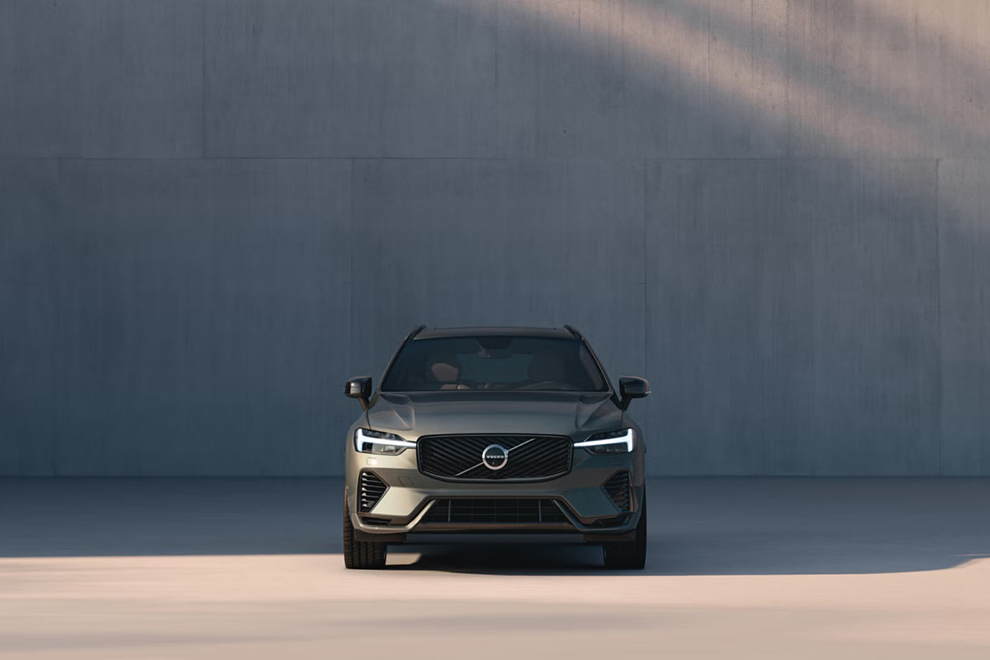
At a glance
- The XC60 PHEV pairs premium midsize SUV packaging with electric-assisted daily driving and petrol flexibility.
- A Long Range or trim badge is not enough; verify battery, range and equipment by VIN.
- New and used buying cases differ in warranty, condition, battery risk and residual value.
- Export quotes must be compared on landed cost, Incoterm, shipping terms and destination compliance.
- The strongest fit is for premium fleets with workplace charging and mixed-distance duty cycles.
Why the Volvo Xc60 Plug-in Hybrid matters for export markets
The Volvo Xc60 Plug-in Hybrid occupies a useful middle ground in the global midsize luxury SUV market. It combines a premium Scandinavian position with a petrol-electric powertrain for buyers who want electric daily driving without depending on public charging. The XC60's familiar proportions and upscale cabin make it easier to compare with established European premium SUVs, while its plug-in system gives fleet operators another route to reduce routine fuel use. For export markets, its appeal is strongest where charging infrastructure is developing but remains mature only in some cities and regions.
Demand is not simply a function of fuel prices or emissions policy. In many destination countries, fleet buyers balance acquisition against duty, tax, charging access and residual value. The XC60 PHEV can address several priorities at once, particularly for company cars, hotel and executive transport, and mixed urban-highway use. Volvo benefits from a recognisable safety-led brand identity, which helps importers position the vehicle against German premium counterparts. The decisive factor remains local operating economics, not badge appeal alone. Each market must be modelled around charging behaviour and duty rules.
For overseas buyers, the Xc60 PHEV is compelling as a premium hybrid that bridges two operating models. A dealer can offer it to customers seeking electric range for commuting but retaining petrol flexibility for long trips. A fleet buyer can compare total ownership cost against conventional hybrids and plug-ins, while considering resale, servicing and parts support. That makes the model relevant even where charging is sparse: the vehicle is not dependent on daily plugging in for each journey. Its value proposition rests on balanced capability, premium branding and a practical powertrain.
- Midsize premium SUV with petrol-electric flexibility.
- Fleet value depends on charging and duties.
- Brand cannot replace operating-cost analysis.
Model range, trims and powertrain variants: how the lineup is structured and how to choose
The lineup is easiest to understand by separating the core powertrain from market-specific trim names. Catalogue titles use T8, PHEV, AWD, Long Range and editions such as Inscription, Momentum, Sport, Elegance, Zhiya, Zhiyuan and Smart Elite. Those labels are not a global equipment hierarchy: Chinese-market naming, model year and imported-market branding can make similar versions appear different. Match the exact listing to a VIN and production year, then verify standard and optional equipment. This prevents a cosmetic trim badge from becoming a misleading proxy for capability across model years and destination markets.
Most XC60 PHEV versions use a turbocharged petrol engine paired with an electric motor and an automatic transmission, normally feeding an all-wheel-drive layout. This arrangement provides electric assistance, engine torque and more efficient cruising than a conventional powertrain, retaining petrol-fuel familiarity. Listings include E-Drive Hybrid and Long Range designations, indicating that battery and range packages vary by year and market. A Long Range label is not enough for procurement: request certified electric range, battery capacity, charging specification and real-world consumption for the exact vehicle, especially for fleet TCO calculations and procurement.
Choice should start with the operating profile. For an urban fleet with controlled depot charging, prioritize usable electric range, charging compatibility, fuel consumption and battery warranty terms. For a buyer moving vehicles between regions with limited charging, compare towing capacity, luggage capacity, drivetrain consistency and service support. Cosmetic Sport or Luxury editions can then be judged on driver comfort, infotainment, upholstery and safety equipment actually fitted. Since specifications change across model years and source markets, request a written equipment sheet tied to the VIN rather than relying on the marketplace title.
- Verify Long Range claims by VIN and battery.
- Match AWD, equipment and support separately.
- Choose by routes, charging and towing needs.
New vs used Volvo Xc60 Plug-in Hybrid: how export inventory is structured and how buyers choose
XC60 PHEV export supply has several channels rather than one pool. New vehicles may be dealer stock or prepared for an overseas programme; used examples may come from trade-ins, fleet disposal or corporate sourcing. The key distinction is not the year shown, but whether the vehicle is documented as new, demonstrator or previously registered. Each route has a different evidence trail, warranty position and residual value. Buyers should therefore inspect the category label and supporting documents for every candidate rather than assuming every listing has the same commercial background.
New units offer the cleanest ownership history and easiest alignment between advertised specification and physical vehicle, subject to pre-delivery checks. They are the safer choice for a dealer building consistent stock or a fleet prioritizing factory warranty, diagnostic baseline and predictable cosmetic condition. Used units can reduce initial outlay and offer broader model-year coverage, but they introduce mileage, service-history, battery-condition and residual uncertainty. Because high-voltage systems and software can be affected by use, age and maintenance, a used PHEV deserves at least the same inspection discipline as a used petrol vehicle.
For a dealer, new and used vehicles should be bought for different reasons. New stock may support a standardized sales proposition, easier warranty administration and more predictable preparation costs; used examples can provide an entry point or fill a specific trim and model-year request. Fleet buyers should discount the initial saving because battery health, warranty transfer, recall completion and cross-border homologation can erase part of the saving. Compare total landed cost and risk, not purchase price alone. Check ChinaCarDirect's live XC60 PHEV inventory for category, condition, model year and unit-level terms.
- New vehicles simplify warranty and history.
- Used PHEVs need battery and history checks.
- Compare landed cost and residual risk.
How export pricing works: the factors behind a live listing price, and how to read one
A live XC60 PHEV export price is not a fixed factory value. It reflects the vehicle and commercial path used to move it. Buyers should expect the quote to combine a base vehicle price with adjustments for model year, trim, battery package, mileage and condition, then add market-specific costs such as inspection, documentation, freight, insurance and destination charges according to the agreed Incoterm. A lower headline number can still produce a higher landed cost if it excludes export preparation or uses a less suitable shipping term. Always request the commercial breakdown.
To read a live listing, separate the advertised vehicle price from landed cost and final retail price. Check whether the figure uses the seller's currency, applies to one unit, and is valid for stock or only indicative. Ask what is excluded: domestic transport, export customs clearance, destination taxes, duty, registration, charging adaptation and warranty administration may all sit outside the visible number. A credible quote should identify the vehicle by VIN or SKU, state Incoterm, payment terms and validity, and show all remaining charge categories in a written pro forma.
Currency and freight movements can alter vehicle comparisons. The seller's base price may move with exchange rates, while container space, fuel surcharges, port congestion, route complexity and insurance affect logistics. For a plug-in hybrid, transport preparation also matters because damaged or disconnected high-voltage systems can reduce usable electric range or trigger faults. Request a pre-shipment function check covering charging, warning systems, fault memory and physical condition. Compare landed and operating costs side by side rather than treating the smallest visible price as the best offer for the same destination market.
- Check currency, unit basis and Incoterm.
- Clarify freight, duty and clearance.
- Require a pre-shipment charging and HV check.
MOQ, ordering and payment: single units vs consolidating a container
MOQ is a commercial term negotiated per transaction, not a permanent property of the XC60 PHEV model. For a test order, a seller may agree to one vehicle or a mixed list, subject to freight efficiency and destination handling. For a full-container wholesale programme, unit quantity rises because vehicles occupy scarce cargo space alongside other models. Ask for unit price, total MOQ, permitted mix, deposit, balance trigger and cancellation terms in writing. A quantity discount is useful only if the additional vehicles can be sold or absorbed without costly stock for the receiving market.
The practical ordering route begins with a written RFQ that identifies model years, trims, AWD requirement, battery or Long Range preference, condition, destination and Incoterm. The seller should return a vehicle-level proposal with photographs, VIN, options, specification sheet and cost assumptions. After selection and technical review, the buyer can reserve units against a pro forma invoice. Payment schedules often combine an earnest deposit with a balance before release, but the sequence must be verified in the sales terms. Never treat a chat message or deposit request as proof of vehicle ownership.
When consolidating a container, treat the operation as vehicle procurement and logistics. Confirm that every vehicle has the specification, condition and documentation needed for the same market, because mixing trims complicates loading and customer delivery. Agree how deposits are allocated if one unit fails inspection, how title and shipping documents are released, and whether the balance is payable against a bill of lading, original-document release or another milestone. Independent inspection and a dispute process are especially valuable on larger orders, where one concealed defect can affect the whole group's economics.
Shipping, homologation and market compliance caveats: LHD/RHD and import rules by country
Planning for an overseas XC60 PHEV requires treating the vehicle, charging and paperwork as one compliance package. Chinese production is generally left-hand drive, so a destination requiring right-hand drive needs an RHD vehicle, a documented conversion where legally permitted, or sourcing from a correctly configured market. Do not assume that swapping the steering wheel creates a compliant RHD car: lighting, controls, parking sensors, safety equipment, emissions and type approval may also require attention. Confirm destination-authority requirements before paying for a vehicle or booking freight for the vehicle and its intended use.
Shipping method should match battery state of charge, vehicle dimensions and route. Car carriers are practical for vehicles, while RoRo and container options depend on schedules and equipment. The onboard lithium-ion battery must be described and handled under the carrier's rules; confirm state-of-charge instructions before loading. Export stages include preparation, booking, loading, voyage, discharge, customs, delivery and registration. Durations and cost vary with route, port congestion, season and shipping terms. Do not assume booking, voyage and customs schedules are fixed; obtain carrier-specific dates and the latest route instructions before committing.
Vehicle approval is separate from customs clearance. Duties and taxes may apply, while road legality can require a certificate of conformity, emissions or noise compliance, functional safety checks and proof of local homologation. PHEV systems raise questions about charging connectors, electrical compatibility and software settings; check these against infrastructure and rules rather than assuming transferability. Confirm VIN and model-year consistency across the invoice, customs declaration and registration documents, and obtain written advice from a local importer or compliance specialist. Rules differ by country, so one market's approval does not transfer automatically.
Who should buy the Xc60 Plug-in Hybrid — and who should pick a different vehicle
The XC60 PHEV fits a buyer who wants a premium midsize SUV, comfortable long-distance travel and meaningful electric assistance for routine urban use. It suits company-car programmes, premium taxis, executive fleets and dealer customers who value a safety-focused brand without giving up petrol range. These users can benefit from electrified daily mobility and refuelling convenience without dependence on one charging network. It can also make sense where workplace charging is available but public infrastructure is intermittent. That is an operating case, not a universal reason to pay for electrified hardware.
It is less suitable for buyers whose priority is the lowest acquisition cost rather than refinement and practicality. High towing needs, maximum cargo volume or seven-seat flexibility may point to larger SUVs, while parking pressure may favour a compact PHEV. A driver with daily charging and short routes may get better value from a battery-electric vehicle after accounting for charging access and resale risk. A buyer without reliable charging should consider a conventional hybrid rather than assume the PHEV will deliver electric benefits. High-mileage fleets should model tax, fuel and maintenance carefully.
Before approving the XC60, build a local total-cost model covering acquisition, freight, duty, registration, insurance, fuel, electricity, charging, servicing, battery warranty and residual value. If the vehicle will mostly sit in urban traffic, calculate the benefit from electric kilometres and charger utilization rather than headline electric range. If long-distance mileage dominates, compare hybrid consumption and tank range. Test the proposal against a conventional hybrid, a battery-electric SUV and direct PHEV rivals. This prevents the Xc60 from being selected for its badge rather than its operating fit in the destination market.
- Best for workplace charging and mixed-distance fleets.
- Consider BEV or conventional hybrid if unsuitable.
- Model tax, energy and residual costs.
Main rivals and how the Xc60 Plug-in Hybrid compares
The closest direct PHEV rival in the compact-to-midsize premium SUV class is often the BMW X3 xDrive30e. It offers a comparable electrified proposition with strong dealer familiarity in many markets, but the X3 is generally smaller and may feel less generous for rear passengers and luggage than the XC60. Specification, charging equipment and local availability can change the comparison, so match comparable trims rather than badge values alone. For buyers seeking a smaller PHEV and compact footprint, the X3 is a relevant benchmark; for space, the XC60 has the clearer advantage.
The Audi Q5 TFSI e is another close electrified SUV competitor, with a design and market position that can appeal to urban-focused buyers. Unlike the XC60, the Q5 offers a smaller footprint, but cargo and rear-seat differences depend on generation, trim and specification. Focus on usable electric range, charging time, safety equipment and operating costs rather than the PHEV label alone. Local availability and aftersales support may favor one brand in a destination, so importer evidence should inform the decision. A written specification comparison is more useful than showroom assumptions.
The Lexus RX 450h+ is a useful benchmark even though it is a self-charging hybrid rather than a plug-in. It offers a similar broad premium midsize SUV proposition without external charging and a different ownership-risk profile, while the XC60 can provide electric driving when charging is available. Buyers with unreliable charging may find the Lexus more logical; those with controlled depot charging and a need for electric commuting may prefer the XC60. Compare total cost, fuel supply, servicing and residual values rather than assuming either powertrain is universally superior.
- BMW X3 competes on size and electrification.
- Audi Q5 TFSI e targets urban premium buyers.
- Lexus RX 450h+ avoids plug-in charging requirements.
Live Volvo Xc60 Plug-in Hybrid export inventory
View all listings →Real units currently on ChinaCarDirect with per-unit asking prices and MOQ. Availability updates live from the catalogue.
Volvo Volvo XC60 Plug-in Hybrid 2021 T8 E-Drive Hybrid Inscription Sport
Volvo Volvo XC60 Plug-in Hybrid 2022 T8 PHEV AWD Inscription Sport
Volvo Volvo XC60 Plug-in Hybrid 2019 T8 E-Drive Hybrid Zhi Ya Sport Edition China V
Volvo Volvo XC60 Plug-in Hybrid 2019 T8 E-Drive Hybrid Zhi Ya Sport Edition China V
How to buy a Volvo Xc60 Plug-in Hybrid from China
-
1
Define the use case and destination
Record the destination, annual mileage, urban share, charging access, cargo needs and expected Incoterm. This prevents a trim that looks attractive in isolation from becoming a poor operational fit.
-
2
Shortlist live, unit-specific vehicles
Review the live XC60 PHEV inventory and filter for model year, trim, condition, AWD and range package. Ask for unit photographs, VIN, odometer reading and a complete options sheet.
-
3
Verify powertrain and compliance
Confirm engine, transmission, battery capacity, usable electric range, charging connector, emissions specification and VIN. For an RHD market, confirm the drivetrain configuration before payment.
-
4
Request an itemized export quote
Ask for unit price, MOQ, deposit, balance trigger, freight basis, insurance, inland transport, customs scope, destination charges and quote validity. Keep the visible vehicle price separate from landed cost.
-
5
Inspect and secure payment
Use an independent pre-shipment inspection covering paint, panel gaps, tyres, fluids, charging, warning systems and fault memory. Pay only against verified documents and agreed milestones, with title and ownership documents specified.
-
6
Book compliant shipping
Confirm the carrier, route, battery state-of-charge instructions, loading plan, insurance and original-document process. Use a freight forwarder or customs adviser familiar with the destination and vehicle type.
-
7
Complete registration and parts planning
Arrange customs clearance, local conformity checks, registration and warranty transfer before arrival. Confirm spare-parts sourcing, diagnostic support, software coverage and service-partner access for the exact VIN.
Xc60 Plug-in Hybrid vs rivals
| BMW X3 xDrive30e | The BMW X3 xDrive30e is a close direct PHEV benchmark with a smaller footprint and strong brand familiarity in many markets. It can suit compact-fleet buyers, while XC60 space and rear-seat comfort favor those prioritizing passenger and luggage room; compare equivalent trims and local support. |
|---|---|
| Audi Q5 TFSI e | The Audi Q5 TFSI e is another electrified premium SUV alternative, generally smaller and more urban-focused. Its fit improves for buyers prioritizing footprint and charging usability, while XC60 buyers gain more space; actual range, equipment and aftersales depend on year and market. |
| Lexus RX 450h+ | The Lexus RX 450h+ competes in the same broad premium midsize SUV segment and buyer profile, but it is a self-charging hybrid rather than a PHEV. It avoids plug-in charging dependence, while the XC60 suits operators with controlled charging who want electric-assisted daily mileage; compare local fuel, tax and residual-value outcomes. |
Frequently asked questions
How is Volvo Xc60 Plug-in Hybrid export pricing determined?
Export pricing combines the selected vehicle's year, trim, battery package, mileage and condition with exchange-rate movements and the agreed sales terms. Freight, insurance, inland transport, customs clearance, duty and destination taxes can sit outside the visible vehicle quote, so ask for an itemized landed-cost breakdown. The live listings show the current unit price and terms.
Which engine, drivetrain and electric range should I expect?
XC60 PHEV versions use a turbocharged petrol engine, electric motor and automatic transmission, with all-wheel-drive configurations prominent. T8, E-Drive Hybrid and Long Range labels vary by year and source market, so verify the exact engine, usable electric range, battery capacity and charging data against the VIN in the live listing.
Is a new or used XC60 PHEV better for export?
New vehicles generally provide cleaner ownership history, factory warranty alignment and more predictable preparation. Used examples can offer a lower initial outlay but require additional checks for mileage, service records, battery condition, software faults, recall completion and warranty transfer.
How does MOQ work for an XC60 PHEV order?
MOQ is negotiated for each shipment rather than fixed permanently for the model. A seller may accept a pilot vehicle or mixed unit list, while a container programme naturally carries a larger MOQ because cargo space is limited. Check the live listing and written quotation for the applicable unit and volume terms.
How long does shipping take and what determines its cost?
Shipping time and cost depend on the carrier, route, port congestion, season, vehicle dimensions, battery handling, insurance and the agreed Incoterm. Preparation, loading, voyage, customs clearance and inland delivery are separate stages, so request carrier-specific dates and an itemized freight quote.
Are spare parts available for exported XC60 PHEVs?
The XC60 nameplate is sold across many international markets, but parts availability and lead time still vary by destination and VIN. Request a parts-supplier check for high-voltage, charging and common service items before shipment. Also confirm diagnostic access, software coverage and local service-partner support.
Is a right-hand-drive XC60 PHEV available for export?
China-produced vehicles are generally left-hand drive, so an RHD requirement may mean sourcing a correct-market vehicle or undertaking a locally permitted conversion. Conversion does not automatically resolve lighting, safety, emissions or type-approval requirements. Check the live inventory and obtain local importer confirmation before paying.
How do I order a Volvo Xc60 Plug-in Hybrid from China?
Start with the live listings, then send an RFQ stating the destination, acceptable model years, trim, condition, range preference and Incoterm. Compare the VIN-level specification and itemized quote, complete inspection and agreed payment milestones, and confirm shipping, customs and registration documents before vehicle release.
Ready to source the Volvo Xc60 Plug-in Hybrid?
Send your destination, preferred model year, trim and Incoterm to request a current unit-specific XC60 PHEV export quote from China.
Request a quote