
VOYAH Dream Export Buying Guide for Overseas Dealers
Plan a VOYAH Dream export purchase with a practical guide to PHEV and range-extender trims, used-vehicle checks, pricing, MOQ, shipping and market compliance.
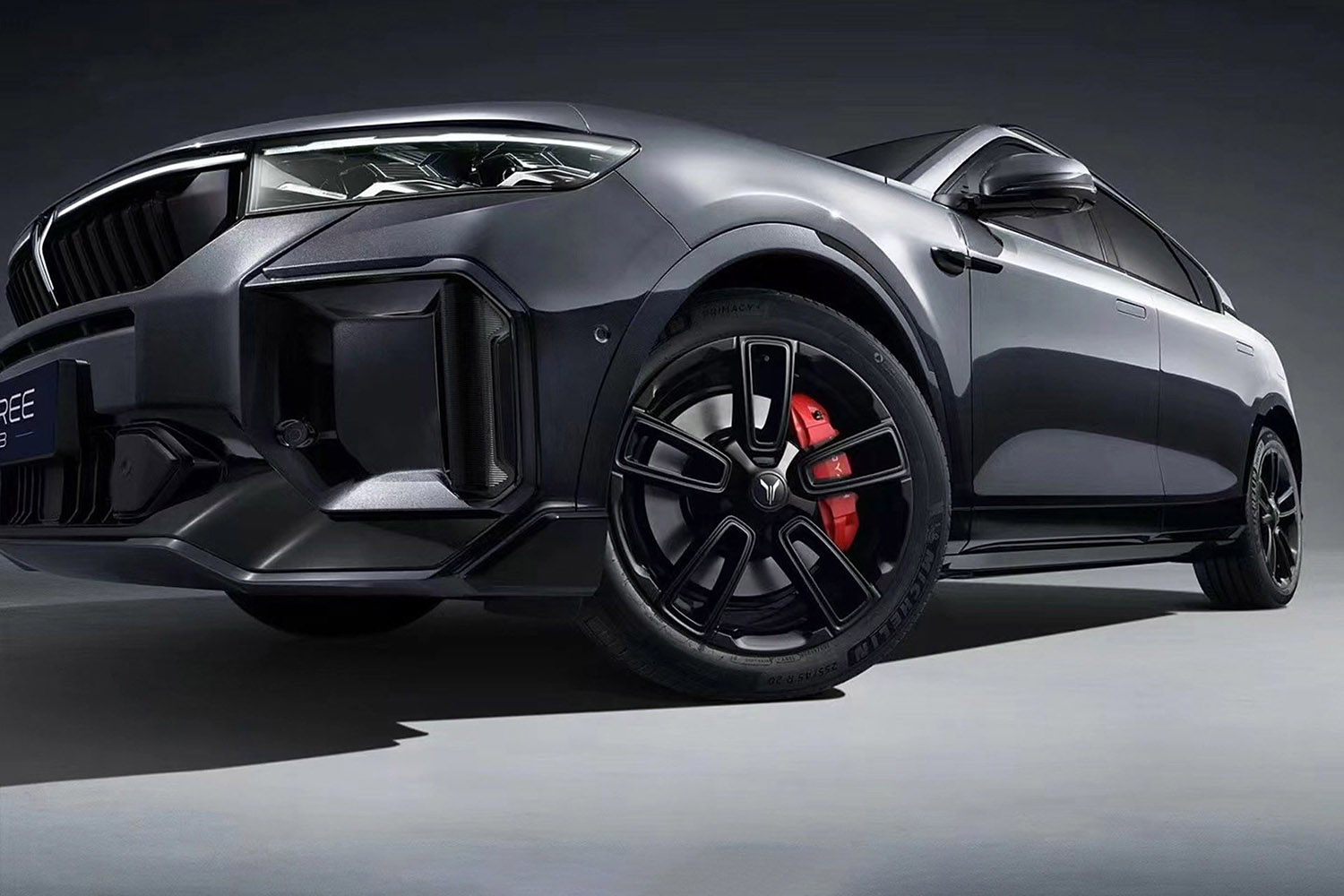
At a glance
- The Dream is a large luxury SUV built around plug-in hybrid and extended-range-labelled configurations.
- Multiple range, drivetrain, seating and equipment variants make careful build-sheet verification essential.
- Used units can broaden trim choice, but battery condition, fault history and service records require independent scrutiny.
- Export pricing is vehicle-specific, while the landed total also depends on freight, Incoterms, taxes, insurance and currency.
- Confirm factory steering position and destination homologation before making the final payment.
Why the VOYAH Dream matters for export markets
VOYAH Dream sits in the large luxury SUV segment, combining a high-roof body, three-row practicality and an electrified powertrain with the comfort expected by family and executive buyers. For overseas dealers, it is more than a China-only premium name: it offers a recognizable alternative to imported European plug-in hybrids without requiring buyers to accept a small crossover as the price of electrification. The model’s relevance is strongest where long-distance travel, passenger capacity and a mix of city charging and non-charging routes matter. It also gives fleet buyers a distinctive alternative to conventional gasoline SUVs.
The Dream’s export case is not simply “more technology.” Buyers can assess a premium body, flexible energy use and a broad equipment hierarchy, but the right version depends on local infrastructure and duty treatment. In markets with unreliable public charging, a plug-in hybrid or range-extender format can reduce operational anxiety by preserving the ability to travel on fuel. Where charging is routine, the same vehicle can support more electric-only journeys. This makes the model relevant to both private importers and corporate fleet programs, provided each buyer separates passenger needs from commercial running-cost assumptions.
Global demand should still be treated as a testable proposition rather than a sales claim. VOYAH is a Chinese marque with a shorter international track record than many established premium brands, so buyers should assess service-parts access, software support, residual-value assumptions and workshop familiarity before committing. Dealer groups with strong Chinese sourcing experience can use the Dream to build a differentiated offer; first-time importers should first compare it with more familiar rivals on parts logistics, insurance and resale. The brand gains credibility when evidence of ownership support travels with the vehicle.
- Premium passenger and executive focus.
- Useful where charging access varies.
- Parts support affects dealer value.
Model range, trims and powertrain variants: how the lineup is structured and how to choose
VOYAH Dream listings are structured around plug-in hybrid and extended-range families, with differences in electric range, drivetrain, seating, comfort equipment and driver assistance. The model is not a simple two-version catalogue: export listing names can combine phrases such as Flagship, Prestige, Excellence, Ultra, Max, Champion, Kunpeng and Qiankun. Because translated grade names are not standardized across markets or sales channels, buyers should treat them as search labels rather than a universal ladder. The vehicle specification and factory build sheet are the authoritative comparison points. Any quoted range should also identify the test cycle and whether it is electric-only or combined.
A sensible selection starts with the duty cycle. A buyer with dependable charging and frequent urban travel should prioritize usable electric range, cabin usability and charging compatibility. A long-distance operator with limited charging access should examine total combined range, fuel support and range-extender operation. Four-wheel-drive versions may suit buyers prioritizing traction on poor-surface roads or vehicles carrying substantial loads, but they can add cost and consume more energy. Non-four-wheel-drive configurations should be compared on efficiency, payload and price rather than treated as automatically inferior. Ask for the axle ratio, motor arrangement and towing limit when those factors affect the purchase.
Seating and equipment can be as decisive as propulsion. The Dream is offered as a large three-row SUV, and configurations can differ in seat count, second-row treatment, luggage capacity and infotainment. “Ultra-Long Range” suggests a priority on endurance, while a flagship designation normally points to a richer equipment list, but neither phrase proves a particular battery or option in an export listing. Compare build sheets line by line, including audio, suspension, safety systems, cameras, cockpit software and whether connected functions are enabled for the destination country. This avoids paying for unusable imported equipment.
- Match range to charging access.
- Justify four-wheel drive.
- Verify seating and equipment.
New vs used VOYAH Dream: how export inventory is structured and how to choose
Export sourcing can take two forms: factory-new allocations and independently sourced used vehicles; the live Dream listings reflect the units actually available. Factory-new examples offer the cleanest warranty path, the latest model-year specification and predictable delivery, but they carry depreciation and may require you to accept factory allocation or a specification that is not yet in stock. Used examples can provide broader trim availability and lower initial acquisition cost, yet every unit needs individual inspection. Do not infer condition from the year badge, seller label or attractive listing photography. Request dated photographs, a vehicle identification number check and a signed condition record.
For a used Dream, the electric powertrain makes condition reporting more important than a simple odometer glance. Ask for battery state-of-health reporting where available, charging tests, fault-memory checks, service invoices and evidence of accident repair. Cosmetic condition should be separated from structural or electronic condition. A vehicle that has rarely charged its battery, sustained repeated DC fast charging, or lacks maintenance records may carry more uncertainty than its mileage suggests. A pre-purchase inspection by an independent technician is sensible when the unit is being bought sight unseen. Also confirm overseas battery-warranty coverage.
New inventory is usually more relevant to buyers who need a specified color, seat layout, driver-assistance package or current warranty from the outset. Used inventory is often more useful for a wholesale dealer testing demand in a niche segment or for a buyer seeking a particular four-wheel-drive or flagship configuration without waiting for factory production. The right comparison is total cost of ownership over the planned holding period, including insurance, expected residual value, maintenance and downtime. A cheaper acquisition can still be wrong if parts availability or warranty transfer is weak.
- Used units require technical inspection.
- New units require allocation checks.
- Compare full ownership costs.
How export pricing works: the factors behind a live listing price, and how to read one
A live VOYAH Dream export price is the starting point for a vehicle-specific transaction, not a universal price for the model. The asking amount can move with production year, exact trim, electric-range or battery version, drivetrain, mileage, condition, service history, ownership count and visible options. It may also change with the seller’s commercial position or the currency in which a quote is presented. Two vehicles carrying similar edition names can therefore differ materially. Always work from the complete listing and ask for the VIN-specific build and condition documents before comparing them.
The landed cost can differ again from the displayed listing price. Freight, marine insurance, export handling, terminal charges, inland transport and destination customs or taxes may be excluded or may sit outside the vehicle price depending on the Incoterm and seller arrangement. Exchange-rate movements can also alter a quote before a contract is signed. A disciplined importer should request an all-in quotation that identifies what is included, the destination port or city, the delivery term, payment currency and validity period. This prevents a low headline figure from becoming an expensive vehicle after logistics and compliance costs are added.
Use the live inventory as a comparison tool, not as evidence of the market’s absolute value. Filter for the intended body, edition, energy format, drivetrain and steering position, then compare similar units rather than mixing every Dream. For a used vehicle, ask the seller to explain material price differences against the condition report; for a new vehicle, confirm whether the price is tied to a factory allocation or a reseller in-stock unit. Any negotiated discount should be reconciled in writing to the deposit invoice, total vehicle price and export scope. Live listings show current unit-specific prices.
- Compare equivalent vehicle specifications.
- Request written landed costs.
- Check live binding prices.
MOQ, ordering and payment: single units vs consolidating a container
Minimum order quantity is a commercial term that should be confirmed on each quotation, not assumed from the model or marketplace. A dealer may be willing to sell a single demonstrator or used vehicle, while a factory allocation or a mixed container request may have different minimums, configuration rules or payment terms. State the intended quantity, grade, destination, delivery term and timeline in the inquiry. The supplier should then confirm whether the order can be handled directly, consolidated with other buyers, or allocated from a production batch. Keep that answer attached to the offer and purchase documents.
Consolidating several vehicles can improve freight efficiency, but it should not be mistaken for simple volume buying. Units intended for the same destination may need compatible configurations, matching documentation and sufficient value to justify the shipping method. A mixed container can also create challenges if one buyer’s inspection fails or if different vehicles need different compliance treatment. For pilot imports, a smaller shipment or individual unit may offer better control. For fleet programs, a written consolidation plan should identify the approved specification of each vehicle, inspection responsibility, insurance, and the point at which title and risk transfer.
A typical cross-border purchasing sequence begins with a written specification, followed by a refundable or creditable deposit, inspection or documentary approval, balance payment and release against shipping documents. The exact sequence varies by seller and financing arrangement, so do not assume that a deposit creates an unconditional obligation to ship. Before paying, verify the seller’s legal identity, the vehicle identification number, title or ownership documents, export-consistency checks and the bank-account beneficiary. Use a contract that states the model, trim, condition, price, payment milestones, Incoterm, estimated sailing window and remedies if the vehicle does not match the agreed specification.
- Confirm MOQ in writing.
- Approve vehicles before final payment.
- Align contracts with payment stages.
Shipping, homologation and market compliance caveats: LHD/RHD and import rules by country
Left-hand-drive and right-hand-drive availability must be established before the final vehicle is chosen. The Dream is sold in different market configurations, and steering position can affect the build sheet, parts supply, resale positioning and local inspection. ChinaCarDirect’s live listings should be checked for the actual steering side and destination suitability rather than assumed from the vehicle’s origin. A conversion can involve substantial cost and may affect warranty or conformity, so it should never be treated as a routine substitute for factory configuration. For destinations with limited support, confirm that RHD supply is available.
Import rules are determined country by country, and a Chinese-market vehicle does not automatically satisfy the destination’s type-approval requirements. Depending on the market, the importer may need to address emissions, roadworthiness, braking and lighting, cybersecurity and software updates, radio equipment, type plates, VIN records, safety equipment, charging components and environmental or low-emission-zone registration. PHEV and range-extender versions should be declared accurately because fuel use, electric range and local tax treatment may affect approval. A customs broker or homologation specialist should review the exact vehicle before shipment rather than after arrival in the destination market.
Shipping planning must cover more than port-to-port carriage. Decide the shipping method, carrier booking process, loading date, export declaration, insurance, inspection certificates, container securing and destination clearance. For used vehicles, loading supervision or a third-party inspection reduces the risk that pre-existing damage becomes disputed in transit. Confirm who pays duties and taxes, what documents are required at each border and whether the vehicle will be registered before or after arrival. Delays can arise from customs queries, document mismatches or physical inspections, so leave realistic time in the sales and fleet-planning schedule.
- Confirm factory steering position.
- Pre-clear homologation and customs.
- Budget beyond port-to-port freight.
Who should buy the Dream — and who should pick a different vehicle
The Dream is a strong candidate for importers serving premium family transport, chauffeured or executive use, airport and hotel operations, and clients who want a large electrified SUV with flexible fuel and charging options. Its size and three-row packaging can make it especially useful where passengers, luggage and comfort matter more than urban maneuverability. A dealer can build a credible offer around a flagship four-wheel-drive model for higher-end clients and a separately equipped range-focused version for fleet buyers, provided the displayed specification is confirmed rather than inferred from the name.
It is less suitable for buyers whose priority is a compact footprint, low acquisition cost, cargo efficiency or easy servicing in a country without a VOYAH network. Large vehicles can be harder to park and less attractive to shared-car or ride-hailing operators even when their energy system is efficient. The model may also be a poor fit for a buyer expecting mature residual values and effortless warranty coverage in an unfamiliar market. These constraints do not disqualify the Dream, but they shift the decision toward careful sourcing, transparent landed costing and a realistic after-sales plan.
The decision should be framed around a specific use case and a total-cost threshold. For a fleet, calculate energy, maintenance, insurance, downtime and residual-value assumptions; for an individual importer, test charging access, luggage needs and the availability of a qualified workshop. It is sensible to ask ChinaCarDirect for a specification and quotation for the precise Dream version, then compare it with one or two direct rivals under the same destination assumptions. A shortlist built this way avoids choosing a badge first and discovering later that the drivetrain, steering position or paperwork does not fit.
- Best for premium passenger use.
- Weak fit for compact operations.
- Model fleet economics first.
Main rivals and how the Dream compares
Li Auto L9 is a close large-family SUV comparison. It also emphasizes electrified range, passenger space and family comfort, so buyers should compare the Dream on seating flexibility, interior execution, driver assistance, real-world energy use and the availability of parts in the destination. The L9 may appeal to buyers already familiar with its range-extender proposition, while the Dream’s distinctive design and four-wheel-drive flagship options provide differentiation. Neither should be selected on headline range or brand positioning alone; test both against the same charging and mileage assumptions. In particular, compare usable cargo volume and the real-world support burden for each brand.
AITO M9 competes at the upper end of the large electrified SUV market with a more technology-led presentation and, depending on version, extended-range or battery-electric choices. The M9 may be attractive where premium cockpit technology and brand familiarity are decisive, while the Dream’s design and range-focused PHEV lineup give importers another route. Because the M9 exists in multiple energy formats, it can be a useful benchmark for buyer preference: a buyer choosing the Dream’s combustion-assisted system may value flexibility, while another may prefer a pure battery-electric alternative. Parts support and serviceability should carry equal weight in that comparison.
Denza N9 is another credible large luxury PHEV rival, with a similar emphasis on premium styling, electrified range and a spacious SUV body. It is particularly useful for evaluating whether the Dream’s brand, cabin design and equipment package justify the sourcing decision. The N9 may appeal where buyers want a more recent-looking premium alternative, but neither model’s imported success can be assumed. Buyers should compare certified documents, shipping options, warranty treatment and workshop support. The Dream therefore suits importers equipped to support Chinese premium vehicles and buyers who value its PHEV character.
- Compare real-world ownership support.
- Match energy format to charging.
- Treat rivals as true alternatives.
Live VOYAH Dream export inventory
View all listings →Real units currently on ChinaCarDirect with per-unit asking prices and MOQ. Availability updates live from the catalogue.
Used VOYAH Dream 2025 PHEV Four-Wheel-Drive Flagship Kunpeng Edition
Used VOYAH Dream 2025 PHEV Four-Wheel Drive Excellence Kunpeng Edition
Used VOYAH Dream 2025 PHEV Four-Wheel-Drive Flagship Kunpeng Edition
How to buy a VOYAH Dream from China
-
1
Define the destination specification
Set the steering position, energy format, drivetrain, seat count and intended operating environment before selecting a trim. Factory LHD or RHD availability and connected features should be confirmed for the destination market.
-
2
Shortlist comparable live vehicles
Use the live VOYAH Dream inventory to compare vehicles with equivalent editions, drive layouts, mileage and condition. Review the current per-unit price, availability and stated MOQ rather than relying on a model-wide average.
-
3
Verify each selected vehicle
Request the VIN, factory build sheet, ownership documents, service history and option list. For a used vehicle, arrange an independent inspection covering bodywork, battery condition, high-voltage systems and stored faults.
-
4
Calculate the complete landed cost
Ask for a written quotation separating the vehicle price from freight, insurance, export handling, terminal charges, inland delivery, duties and taxes. Confirm the currency, delivery term and quote-validity period.
-
5
Confirm order and payment terms
Put the MOQ, vehicle specification, inspection approval, deposit, balance-payment trigger, documents and shipping responsibility into the contract. Pay only to the beneficiary named in the verified contract or invoice.
-
6
Pre-clear compliance and shipping
Have a destination broker or homologation specialist review emissions, safety, type approval, VIN records and import eligibility. Book freight and insurance only after confirming the export declaration, inspection and document requirements.
-
7
Ship, clear and register
Approve loading or container securing, release the shipment and retain the original export, transport and ownership documents. Complete customs clearance, payment of applicable charges and destination registration while retaining evidence for any later warranty claim.
Dream vs rivals
| Li Auto L9 | Li Auto L9 is a close large-family electrified SUV rival, with a strong focus on passenger space and range-extender convenience. Compare usable cargo, real-world energy use, four-wheel-drive availability, software and local parts support; the Dream’s distinctive design and extensive four-wheel-drive range may give dealers more differentiation. |
|---|---|
| AITO M9 | AITO M9 competes at the premium large-SUV level and is offered with extended-range and battery-electric configurations. It may suit buyers prioritizing a technology-led cockpit or pure-electric option, while the Dream offers a combustion-assisted route with greater fueling flexibility; compare homologation and support in the destination. |
| Denza N9 | Denza N9 is a close luxury PHEV alternative with similar ambitions in space, comfort and electrified range. Compare equipment, materials, ride, warranty and service reach; the Dream may be more attractive to importers already familiar with VOYAH sourcing, but neither should be assumed to enjoy strong residual values abroad. |
Frequently asked questions
How is VOYAH Dream export pricing determined?
The price is set for the individual vehicle or production allocation, not by the model name alone. Production year, trim, range or battery version, drivetrain, mileage, condition, service history, options, exchange rate, freight, insurance, Incoterms and destination charges can affect the quote. Check the live VOYAH Dream listings for the current per-unit price and request a written landed-cost quotation before paying.
What powertrain and range options does the VOYAH Dream have?
The Dream range includes plug-in hybrid and extended-range-labelled versions, with different battery, range and drive configurations. Electric-only and combined range are different measures, and the applicable test cycle may vary, so ask for the exact build sheet rather than comparing one headline figure. ChinaCarDirect’s live listings and supplier confirmation should identify the powertrain for the unit being considered.
Is a used VOYAH Dream better than a new one?
New vehicles generally offer the latest factory specification and a clearer warranty path, while used vehicles can provide broader trim choice and lower initial cost. A used Dream requires battery and high-voltage checks, fault-memory review, service-history validation and inspection for accident repair. Choose according to the holding period and total ownership cost, not the year badge alone.
How does MOQ work when exporting a VOYAH Dream?
MOQ is confirmed on the seller’s quotation and may differ for a used unit, factory allocation or consolidated shipment. Check the live VOYAH Dream listings for current unit-level MOQ and availability rather than assuming a catalogue-wide minimum. Record the agreed quantity, specifications, payment milestones and shipping responsibility in the contract.
What determines VOYAH Dream shipping time and cost?
Shipping time and cost depend on origin and destination ports, carrier schedule, container availability, vehicle dimensions, route, insurance, customs clearance and terminal handling. A vehicle-only quote may omit inland delivery, duties and registration costs. Book only after confirming export documents, destination requirements, inspection timing and the Incoterm.
Are spare parts available for exported VOYAH Dream vehicles?
Do not assume every part or software service is available in the destination market. Before purchase, ask for the model-year parts catalogue, battery and high-voltage component support, diagnostic software, warranty route and expected lead times for common wear items. For fleet buyers, local inventory and a workshop relationship can be more important than a small purchase-price difference.
Is right-hand-drive VOYAH Dream availability confirmed?
RHD availability depends on the specific Dream configuration and the market being served, so it must be checked unit by unit rather than inferred from the Chinese origin. Confirm the steering position in the live listing and in the factory build sheet before ordering. Steering conversion is not a substitute for factory RHD and may affect compliance, warranty and parts.
How do I order a VOYAH Dream from China?
Start with the live VOYAH Dream listings, select a close specification and verify the VIN, build sheet, condition, steering position and export documents. Ask for the MOQ, written price, payment stages, Incoterm and shipping plan, then use the RFQ process to request an export quotation. Complete final payment only after the vehicle and documents match the agreed specification.
Ready to source the VOYAH Dream?
Submit an RFQ to buy a VOYAH Dream from China with a specification-matched export dossier and confirmation of current live-unit availability.
Request a quote