
VOYAH Free Export Buying Guide for Overseas Dealers
Buy a VOYAH Free from China with practical guidance on range-extended variants, export pricing, MOQ, compliance, shipping and rival comparisons for dealers.
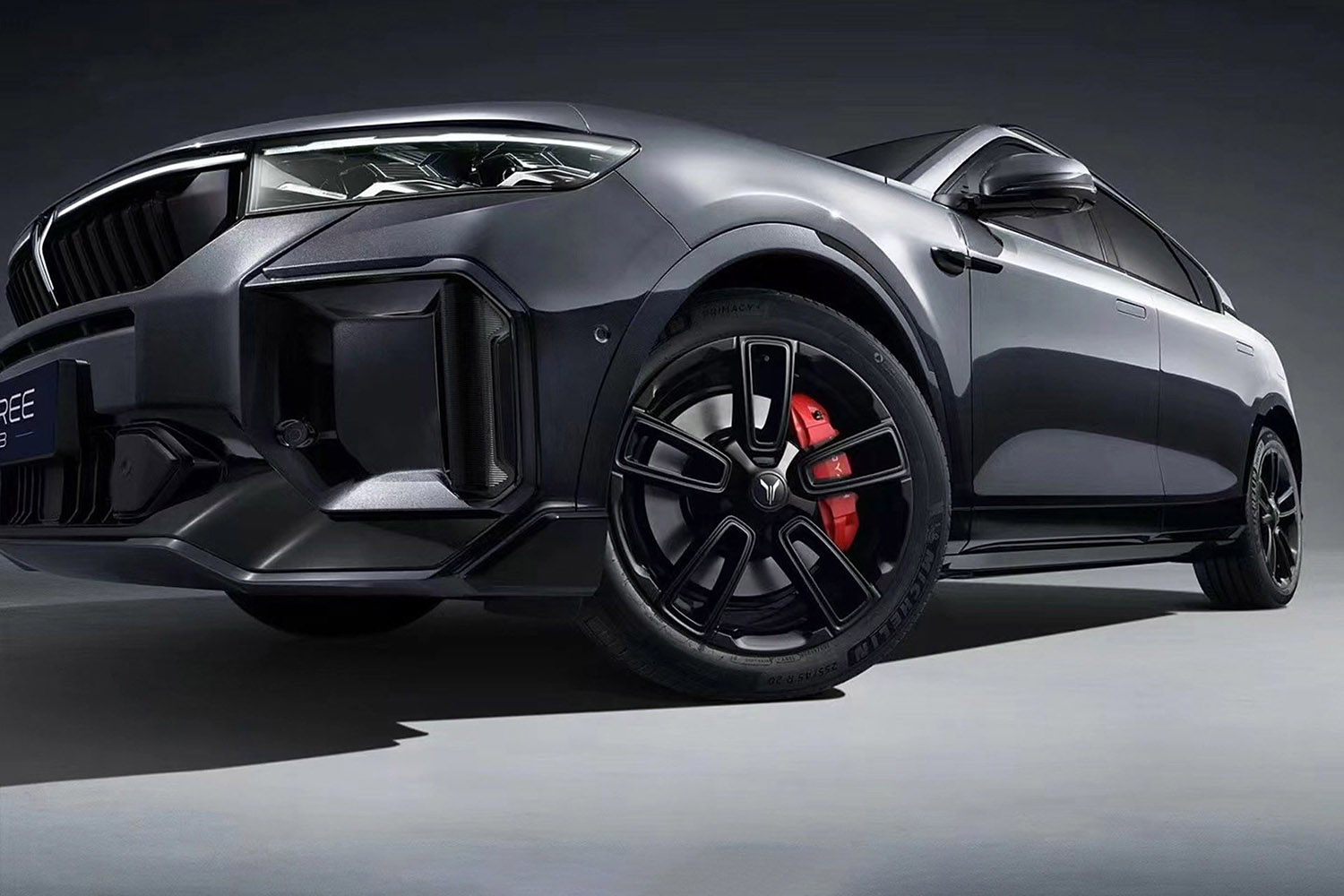
At a glance
- The VOYAH Free is a mid-size premium crossover with range-extended and battery-electric family options.
- The identified variant adds four-wheel drive and Exclusive Luxury equipment, but exact ranges require unit-level confirmation.
- Used examples can suit budget-conscious importers, yet battery health, wear and documentation need specialist scrutiny.
- Export price depends on the exact vehicle, condition, currency, freight, Incoterm, duties and compliance.
- Native right-hand drive, local homologation and after-sales support can be decisive in destination markets.
Why the VOYAH Free matters for export markets
The VOYAH Free matters because it combines the packaging and premium positioning of a mid-size luxury crossover with electrified powertrain choices suited to markets where charging coverage is uneven. For overseas dealers, the range-extended version is especially relevant: it supports electric driving in normal use while retaining a combustion-based energy source for longer journeys. That combination addresses a common fleet concern better than a pure EV can, without requiring the buyer to choose between premium cabin space and long-distance flexibility. It positions the Free between mainstream electrified SUVs and higher-priced executive models.
Demand is strongest among importers and fleet operators that need a premium image, generous passenger space and the ability to travel beyond reliable charger networks. The Free's four-wheel-drive range-extended format is particularly relevant in markets with long intercity routes, variable weather or dispersed operations. For a dealer, it can broaden an electrified showroom without abandoning customers who cannot charge every trip at home. The buying case is practical rather than purely technological: fewer charging constraints, a substantial electric-use case and a premium product that still needs careful local compliance planning.
Global acceptance will not be automatic. Chinese vehicle standards, software environments, parts support and emissions rules do not transfer directly into every destination. Buyers should evaluate the Free as a product-platform proposition, not simply as a range figure or imported showroom feature. A vehicle that feels sophisticated in China can still create ownership friction if diagnostic tools, battery warranty, spare-parts channels or service procedures are unavailable locally. The decisive export case combines product fit, predictable homologation, accessible after-sales support and a landed-cost model that remains defensible without optimistic catalogue assumptions.
- Best for premium fleets needing charging flexibility.
- Export logic: electric use plus long-distance support.
- Homologation and service support remain essential.
Model range, trims and powertrain variants: how the lineup is structured and how to choose
The Free has been offered in both battery-electric and range-extended forms, so buyers should identify the powertrain before comparing vehicles. This export variant is the Four-Wheel Drive Standard Range-Extended Exclusive Luxury Package, which establishes four-wheel drive and a range-extended powertrain but does not disclose battery capacity, engine specification or certified ranges. Trim names change across model years and markets. That makes the exact listing record more useful than a generic model-level sheet, particularly for a used vehicle that may have different equipment, market-specific software or factory condition changes by model year.
Range-extended operation is an energy strategy, not simply a larger battery. Electric motors drive the vehicle over many normal journeys, while the engine provides energy when the battery is depleted or additional range is needed. A buyer with dependable home or workplace charging can prioritise electric utility and cabin refinement for daily mileage; a buyer covering sparse routes should value stopping flexibility without sacrificing long-distance usability. Relevant checks are certified electric-only range, combined range, usable battery capacity, fuel-tank capacity and the real-world route profile rather than one headline distance number for the intended operating territory.
Four-wheel drive can aid traction on wet, snowy or poor surfaces, but it is not a substitute for correct tyres, braking, service and local rules. The Exclusive Luxury Package should be interpreted through its equipment list rather than assumed to include every feature on newer Free variants. For fleet buyers, the best trim decision follows operating duty cycles: daily commuting, highway travel, load requirements, passenger mix and charging access should be mapped before choosing range versions, equipment levels or model years. Confirm those variables on the live listing and supporting documents.
- Confirm battery-electric versus range-extended first.
- Check battery and both range figures.
- Match drive and luxury equipment to duty cycles.
New vs used VOYAH Free: how export inventory is structured and how buyers choose
New and used VOYAH Free vehicles should be assessed as separate purchasing channels because their risks differ. A new vehicle offers the latest factory configuration and clearer warranty origin, while a used vehicle can provide a more accessible entry into a premium model. Export marketplaces may list vehicles from dealers, fleet operators or private sellers, so disclosure quality can vary. Inventory structure matters less than each unit's record: verify photographs, model year, trim, mileage, service history, title documents and powertrain details before committing to a deposit or final purchase order.
A used Free is most attractive to a buyer who can interpret condition rather than rely on a factory warranty. The inspection should cover body and interior wear, chassis condition, tyre age, fluid leaks, brakes, engine or range-extender service, generator output and high-voltage battery health. Ask for a state-of-health record where available, charging-test evidence and records of software updates, recalls or accidents. Unexplained warnings, improvised electrical repairs or incomplete service documents should affect valuation and may limit resale. These checks are more informative than assuming every same-trim vehicle is equivalent.
New inventory can reduce technical risk but may involve delivery timing, factory configuration, local homologation work and uncertainty over the battery-warranty start date. For a first-time importer, a controlled used-unit pilot can provide real-world evidence about customer charging habits, service demand and residual values before a larger fleet order. The best choice depends on cash-flow tolerance, warranty access, holding period and technician availability. Never substitute a general market trend for a unit-specific inspection: current condition, history and the commercial terms shown in the live listing determine whether that vehicle is suitable.
- Used units require battery and service scrutiny.
- New units require delivery and warranty confirmation.
- Pilot one vehicle before fleet scaling.
How export pricing works: the factors behind a live listing price, and how to read one
A VOYAH Free export price is a quotation for a specific vehicle, not a permanent model price. The starting point reflects model year, trim, range-extended or battery-electric version, mileage, condition, service history, options and ownership history. For a used vehicle, undisclosed damage or battery uncertainty creates a wider negotiation range than a well documented example. Currency movements also matter because the price may be set in yuan while the importer settles in another currency. Request the currency, tax treatment and validity period of every quote rather than comparing headline numbers alone.
Export logistics then alter the delivered economics. Depending on the Incoterm, the quoted amount may include or exclude inland transport, export handling, ocean or roll-on/roll-off freight, insurance, inspection, destination port charges, customs brokerage, duties, taxes and local delivery. Vehicle dimensions and gross weight affect carrier and container planning, while a unit needing special handling can add cost. Compare total landed cost on the same basis: vehicle price, international freight, insurance, origin and destination charges, compliance work, financing and warranty reserve. A lower vehicle quote can be more expensive once omissions are added.
Read each live listing as a structured offer. Confirm model year, trim, powertrain, battery version, mileage, condition grade, seller location, equipment, photos, documents, price currency and whether the displayed price is FOB, CIF, DDP or another basis. Ask what is excluded, who arranges customs clearance, when the quote expires and whether a deposit or inspection condition applies. Compare like-for-like units rather than averaging unrelated trims or model years. Exact price, MOQ and availability are shown per unit in the live inventory on ChinaCarDirect and remain binding at quotation.
- Compare matching years, trims and condition.
- Separate vehicle price from landed charges.
- Use live listings for current commercial figures.
MOQ, ordering and payment: single units vs consolidating a container
MOQ is a commercial term that can differ by seller, vehicle, destination and shipping plan. A marketplace listing may be available to one buyer, while a factory or wholesale allocation may require a batch or mixed-model container. Do not infer a universal MOQ from the model name or another transaction. Check the individual listing, then ask the seller to confirm in writing whether it can ship alone and whether price changes with volume. A dealer testing demand can make one verified vehicle a legitimate first order if landed cost and compliance still work.
Consolidation can improve freight efficiency, but it changes risk. Combining vehicles from different sellers or model years requires coordination of inspection, payment, documents, export declarations and arrival dates. A mixed container can complicate claims if one vehicle is damaged, delayed or found non-compliant. Agree the allocation method, custody process, inspection location, handling responsibility and insurance coverage before committing. Less-than-container-load or specialist roll-on/roll-off options may suit smaller volumes, while a full-container plan deserves a separate freight quotation. Compare cost and administration per saleable vehicle, not simply freight paid per unit alone.
A safe ordering sequence starts with specification confirmation, a unit-specific inspection and written commercial terms. Agree the deposit, balance trigger, inspection standard, document list, cancellation terms and refund conditions for a material discrepancy. Use a documented payment channel and ensure the payee, vehicle and invoice correspond. After inspection and payment clearance, confirm the packing mark, loading plan, booking party and handover evidence. For a consolidated order, make the sales allocation contractual before vehicles reach the port. Never assume that a deposit or generic vehicle page reserves a unit until the seller confirms.
- Confirm listing-specific MOQ in writing.
- One-unit orders suit pilots.
- Consolidation can reduce freight friction.
Shipping, homologation and market compliance caveats: LHD/RHD and import rules by country
Left- and right-hand-drive configuration is an early export filter. Most vehicles sourced from China are left-hand drive, while some markets require right-hand drive. A conversion affects steering components, safety systems, wiring and dashboard layout and may affect approval status. It can raise cost and reduce service convenience if parts or calibration are limited, so the better route is a compliant right-hand-drive example when available. Importers must verify lighting, seat belts, airbags, mirrors, wipers, instrumentation and local equipment rules rather than assuming a converted vehicle is road-ready because it steers on the correct side.
National import rules can be more decisive than the vehicle itself. Dealers need to confirm customs classification, valuation, duties, VAT or taxes, emissions treatment, type approval, roadworthiness, cybersecurity and software-update requirements, and any used-vehicle age or condition restrictions. A range-extended model's tax or emissions treatment may differ from a battery-electric version, so obtain advice from a local compliance specialist rather than extrapolating from another powertrain. Imported vehicles may need registration, insurance and local inspection. Budget homologation work before shipment because modifications, certificate changes and third-party testing can alter cost and delivery timing.
Shipping method should match the vehicle, route and risk appetite. Enclosed container and roll-on/roll-off transport are common choices, with availability and economics determined by port pair, sailing schedule, dimensions, gross weight, carrier space and handling rules. High-voltage battery transport requires compliant packaging and documentation, and a used vehicle may carry different battery condition from a new one. Freight quotations should state origin and destination charges, insurance, loading, storage and delivery scope. Inspect and photograph the Free at handover, retain condition records and understand the claims process before it leaves the terminal.
- Prefer native right-hand-drive examples.
- Clear customs, tax and type approval first.
- Compare freight options on equal scope.
Who should buy the Free — and who should pick a different vehicle
The VOYAH Free is a strong candidate for importers serving executives, premium ride-hailing, hotel and corporate transport, or long-distance fleets where passengers value space, quietness and a high-grade cabin. Its range-extended format is especially useful when vehicles must cover routes beyond dependable charging infrastructure or drivers cannot charge consistently overnight. Four-wheel drive may appeal in regions with harsh weather, provided the fleet has suitable tyres and disciplined maintenance. The Free can serve as a demonstrator for a dealership expanding into premium electrified vehicles, giving buyers a tangible alternative to larger luxury models.
The vehicle is less suitable for buyers prioritising the lowest purchase and operating cost in a market with excellent charging coverage and strong access to battery-electric alternatives. Fleet managers should compare the range extender's additional hardware and servicing against operational resilience; a range-rich headline does not reveal fuel use once the battery is depleted. It may be wrong for operators with tight parking limits because the Free is a substantial crossover rather than a compact SUV. High-mileage use, uncertain charging contracts and limited workshop capability argue for a simpler, better-supported platform.
Before ordering, define the duty cycle: daily distance, highway share, overnight charging reliability, annual mileage, passenger load, climate, service radius and expected holding period. Then test the business case at landed cost, including compliance, insurance, charging or fuel provision, spares, warranty and residual risk. A pilot is often more informative than a speculative bulk order when local rules and charger usage remain unproven. The Free should solve a defined operating requirement. If charging is dependable, local support is weak or the budget cannot absorb hidden homologation and maintenance costs, a simpler rival may produce the commercial result.
- Suits premium fleets needing range flexibility.
- Weakens where charging is dependable.
- Pilot before scaling uncertain support.
Main rivals and how the Free compares
The Li Auto L7 is the closest rival: a premium five-seat crossover sold with range-extended and battery-electric powertrains, aimed at business and family transport. Both compete for buyers wanting an upscale cabin and longer-distance flexibility. The L7 may appeal to households prioritising family-oriented packaging and a broader high-volume brand ecosystem, while the Free may better suit drivers who prioritise its distinctive chassis, four-wheel-drive specification and luxury-oriented presentation. Equipment, software, regional charging interfaces and after-sales terms can change by model year, so compare the exact derivative rather than relying on badge-level assumptions.
The AITO M7 is another credible range-extended alternative, with a larger cabin-oriented footprint and range-extended or battery-electric versions. It can suit buyers prioritising passenger room, family technology and a broad feature set. The VOYAH Free is positioned as the more driver-focused, mid-size premium crossover, and its four-wheel-drive range-extended trim gives it a distinct appeal. However, size can work against the Free in dense cities and tight showrooms. Compare seating usability, luggage capacity, rear-seat comfort, software, service coverage and total cost for the intended route rather than assuming the larger rival is automatically better.
The BYD Tang DM-i provides a mainstream plug-in-hybrid alternative for price-sensitive fleet and family buyers. Its hybrid architecture and broad service familiarity may simplify ownership where local BYD support is strong, while the Free offers a premium product with a four-wheel-drive range-extended specification. The Tang is not a direct substitute for a buyer prioritising the Free's electric-focused cabin and positioning. Compare verified local operating costs, charge-holding capability, warranty, parts and residual-value prospects. For every rival, obtain destination-market specifications; imported configurations change, and none should be judged from a brochure.
- Li Auto L7: closest premium range-extended rival.
- AITO M7: roomier, family-focused alternative.
- BYD Tang DM-i: mainstream plug-in-hybrid option.
Live VOYAH Free export inventory
View all listings →Real units currently on ChinaCarDirect with per-unit asking prices and MOQ. Availability updates live from the catalogue.
Used VOYAH FREE 2021 Four-Wheel Drive Standard Range-Extended Exclusive Luxury Package
Used VOYAH FREE 2021 Four-Wheel Drive Standard Range-Extended Exclusive Luxury Package
Used VOYAH FREE 2021 Four-Wheel Drive Standard Range-Extended Exclusive Luxury Package
Used VOYAH FREE 2021 Four-Wheel Drive Standard Range-Extended Exclusive Luxury Package
How to buy a VOYAH Free from China
-
1
Define the operating case
Map daily mileage, highway share, charging access, passenger load, climate and holding period before choosing a powertrain or trim.
-
2
Shortlist like-for-like units
Use the live VOYAH Free listings to compare model year, trim, powertrain, mileage, condition, equipment and seller location.
-
3
Verify condition and documents
Request VIN or chassis details, photographs, service history, title documents, battery-health information and an independent inspection before paying the balance.
-
4
Build the landed cost
Place the unit price, freight, insurance, origin and destination charges, duties, taxes, compliance, financing and warranty reserve on one Incoterm basis.
-
5
Confirm MOQ and payment terms
Confirm the listing-specific MOQ, allocation method, deposit, balance trigger, inspection standard, document list and cancellation terms in writing.
-
6
Clear destination compliance
Check right-hand-drive availability, customs classification, type approval, emissions treatment, taxes, registration, insurance and used-vehicle restrictions with a local specialist.
-
7
Book freight and handover
Choose the transport method, confirm battery documentation and cargo terms, then record the vehicle condition at loading and destination handover.
Free vs rivals
| Li Auto L7 | The L7 is the nearest range-extended, premium five-seat alternative and competes for family and business buyers. The Free may appeal more to drivers prioritising four-wheel drive and a luxury-oriented presentation, while the L7 places greater emphasis on family-oriented packaging. |
|---|---|
| AITO M7 | The M7 overlaps through range-extended and battery-electric versions but offers a larger, more family-oriented cabin and technology focus. It suits buyers prioritising room and family features over the Free's more driver-focused, mid-size positioning. |
| BYD Tang DM-i | The Tang DM-i is a more mainstream plug-in-hybrid choice for price-sensitive buyers with strong local BYD support. It may offer a more straightforward ownership proposition, but buyers seeking the Free's premium range-extended specification should compare equipment, warranty and support directly. |
Frequently asked questions
How is VOYAH Free export pricing determined?
A unit's export price combines model year, trim, powertrain and battery version, mileage, condition, repair history, options, currency movements and the agreed Incoterm. Freight, insurance, origin and destination charges, customs duties, taxes and compliance work belong in the landed-cost comparison. Check the live VOYAH Free listings for the current per-unit price and request a written quotation before transferring funds.
Which powertrain and range should I choose?
The Free has been offered with battery-electric and range-extended powertrains, so the exact energy system must be identified. The trim represented here is four-wheel drive, Standard Range-Extended and Exclusive Luxury Package; battery capacity, electric-only range, combined range and engine details vary by vehicle and must be confirmed from the live listing and documents.
Is a new or used VOYAH Free better for an importer?
New vehicles reduce wear and uncertainty about inherited condition, but model-year specification, homologation, delivery timing and battery-warranty coverage need confirmation. Used vehicles can be economical if battery health, accident repair, service history and document completeness pass inspection. For first-time importers, a representative used pilot can reveal demand and support requirements before a larger fleet purchase.
What is the MOQ for a VOYAH Free?
MOQ is set by the individual listing and seller rather than by the VOYAH Free model name. A unit may be sold separately, while wholesale allocations may require batches or a mixed container. Confirm the listing-specific minimum and ask whether consolidation is allowed before reserving a unit.
How long does shipping take and what determines the cost?
Shipping time and cost depend on origin and destination ports, carrier schedules, congestion, vehicle dimensions and weight, handling method, insurance, inspection and customs clearance. Roll-on/roll-off and container options have different planning and damage-risk profiles, and battery documentation can affect acceptance. Obtain a door-to-door freight quotation with a stated route, transit estimate, surcharges and claims process.
Are spare parts available for the VOYAH Free?
Spare-parts availability is model-year and market dependent. Confirm that the seller or a local distributor can supply high-voltage, range-extender, charging and body parts for the exact trim before purchase. For a used vehicle, ask for removed-parts evidence and repair history; a complete service package may be safer than sourcing every component separately.
Is a right-hand-drive VOYAH Free available for export?
Most China-sourced examples are left-hand drive; a right-hand-drive example may be available through specialist channels, but availability is not a model-wide guarantee. Confirm steering configuration, conversion quality and local type approval before paying, because a converted vehicle may face higher compliance and service costs.
How do I order a VOYAH Free from China?
Start with the live listings, shortlist an exact vehicle, request documents and inspection, then ask for a written quote covering unit price, Incoterm, MOQ, payment milestones and validity. After confirming destination compliance and freight, pay only through the agreed documented channel and retain the handover record. The RFQ team can help structure these requests, but the supplier must confirm the vehicle and binding terms.
Ready to source the VOYAH Free?
Request a unit-specific VOYAH Free quote and confirm current availability, MOQ, Incoterm and landed-cost assumptions before ordering.
Request a quote