
Weltmeister Ex5 Export Guide for Overseas Buyers
Buy a Weltmeister Ex5 from China for export with clear guidance on trims, range, live pricing, MOQ, shipping, compliance, rivals, and due diligence.
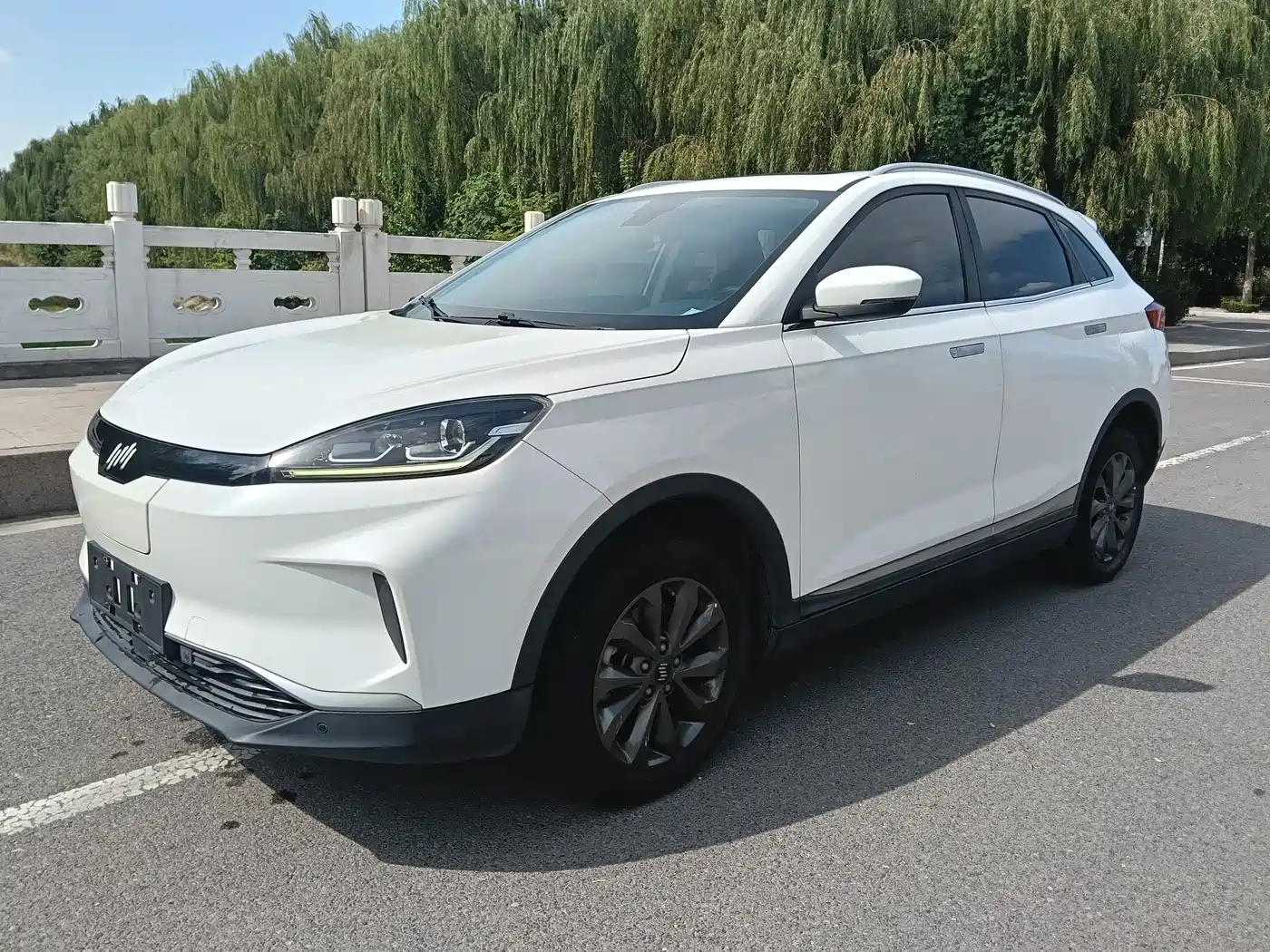
At a glance
- The Ex5 is positioned as a compact battery-electric crossover for urban, fleet, and rental use.
- The EX5 400 and EX5-Z families require unit-level specification checks because edition names are not complete equipment descriptions.
- CLTC range data should be translated into destination-homologation, route, load, and weather assumptions.
- Live listing prices may exclude freight, insurance, taxes, port charges, and other destination costs.
- MOQ, payment milestones, and LHD or RHD availability should be confirmed for the specific order.
- New units simplify fleet standardisation, while used units require stronger battery-health and repair-history checks.
Why the Weltmeister Ex5 matters for export markets
The Weltmeister Ex5 occupies the compact electric crossover segment: a vehicle type that appeals to overseas dealers seeking a practical alternative to larger premium EVs without moving into a small hatchback. Its export relevance comes from combining a familiar SUV-like body with battery-electric operation. For import businesses, that positioning supports fleet use in urban and mixed-duty settings where a larger vehicle would add unnecessary purchase, operating, and shipping burden. The model is therefore most relevant to buyers who prioritize manageable dimensions, electrified running costs, and flexible branding for fleet or rental programs rather than maximum long-distance capability.
The Ex5's appeal also comes from presenting a full-size infotainment-and-crossover format in a relatively compact package. Fleet managers can evaluate the five-seat layout, luggage usability, and daily range requirements more easily than with a van or premium crossover, while private importers may prefer a five-seat design over a four-seat performance EV. Because published range figures are usually tied to China's CLTC cycle, overseas buyers should treat them as comparison data, not a promise of real-world distance. Battery size, weather, speed, load, and charging habits can all change the result, so route planning remains essential.
Export demand for the Ex5 should be assessed by market, not inferred from global EV headlines. Urban markets with dense charging networks, municipal procurement, ride-hailing, and short-to-medium routes are the logical starting points. A dealer entering a smaller or less electrified market must first confirm service access, parts planning, insurance acceptance, and charging coverage. Those checks often determine whether the Ex5 is a viable product line more than its brochure positioning does. The brand hub and live Ex5 inventory provide the right starting points for that market-by-market review without relying on outdated assumptions.
- Compact electric crossover positioning
- CLTC figures need local interpretation
- Service access drives market viability
Model range, trims and powertrain variants: how the lineup is structured and how to choose
The lineup is structured around two visible name groups: the EX5 400 family and the EX5-Z. Edition labels seen in export listings include Lite Explorer, Extra Innovation, Jike Travel, Mate Power Alliance, Fun Dynamic, Nex Explorer or Exploration, and Lead Pioneer. These names help organize the catalogue but they are not an equipment standard. An importer should map each named edition to the actual battery, motor output, charging equipment, interior, and driver-assistance content on its specific unit. Check model-year consistency before treating it as an equivalent alternative for the destination market.
The 400 designation and the EX5-Z label are the most useful first filters when comparing variants, but neither should replace a verified specification sheet. Buyers should ask whether a listing gives battery capacity, rated range, motor output, curb weight, and charging limits, then request evidence tied to the vehicle identifier. A nameplate may be accurate while an export unit has different regional software, connector, or charging configuration, so version confirmation is essential. This is particularly important for fleet buyers who plan to combine several visually similar vehicles but need comparable range, charging times, and service documentation.
Selection should start with use case rather than the longest headline number. City operators may prioritize maneuverability, cabin equipment, and reliable charging access, while longer-route or higher-load buyers should focus on usable range, battery capacity, thermal management evidence, and payload. Compare the same specification across quotes: a higher-output motor can improve performance but may reduce efficiency, and a larger battery adds weight and freight implications. Request the live specification for each EX5 400 or EX5-Z edition before finalising the trim mix. Avoid paying for unusable equipment or unrealistic route assumptions.
- Two visible model families
- Edition names are not specifications
- Compare range with real routes
New vs used Weltmeister Ex5: how export inventory is structured and how buyers choose
Export inventory for the Ex5 should be read as a changing mix of production years, editions, and condition categories rather than a fixed catalogue. The relevant comparison is not simply old versus new, but whether the vehicle's age, specification, and history fit the importer's launch plan. Start with the model year and edition, then inspect mileage or kilometres, prior-use evidence, cosmetic condition, battery condition, and availability of original documentation. These checks should be repeated for every candidate unit. Live listings should remain the source for current condition and availability, rather than an assumed market-wide stock profile.
A new Ex5 is generally easier to standardise for fleet handover because its history, presentation, and warranty position can be simpler to explain than those of a previously registered vehicle. It also allows the buyer to select the edition, colour, and equipment needed for launch. The trade-off is a higher acquisition commitment and potentially slower depreciation if imported into a market where model familiarity is still developing. Confirm the warranty territory, start date, and transferable terms instead of assuming Chinese domestic cover applies overseas. Local labour and battery-service terms should be verified too.
A used Ex5 can suit a budget-led dealer or a replacement project where the buyer accepts more variability, provided the discount is assessed against battery health, repairs, and residual risk. For an EV, mileage alone is an incomplete condition signal; ask for battery state-of-health evidence, charging-cycle history, accident inspection, software status, and confirmation that high-voltage components have not been repaired outside the approved network. If those records are absent, price the uncertainty rather than treating the vehicle as equivalent to a newer unit. A pre-purchase inspection remains essential for either condition category.
- Compare year, edition, and condition
- New units simplify fleet handover
- Used EVs need health evidence
How export pricing works: the factors behind a live listing price, and how to read one
An Ex5 export price is not a fixed value attached to the model name. It moves with production year, exact edition, battery and range version, motor specification, mileage and condition, and the commercial terms attached to the unit. New-versus-used status can also change the risk premium, while model-year depreciation affects how a seller positions the offer. The correct method is to compare like with like: same year, same named trim, same energy and range configuration, and a documented condition history. Any apparent saving should be evaluated after transport, tax, and compliance costs are added.
Freight, insurance, port charges, exchange rates, and Incoterms can move the landed total as much as the vehicle-side quote. A comparison based only on the visible listing amount may therefore be misleading: one seller may quote before shipping while another includes documentation or transport, and container space is finite. Ask for a written pro forma that identifies the vehicle price, inland handling, export fees, sea or rail freight, insurance, destination charges, and the exact trade term. This makes quotations comparable without relying on an outdated price band. It also exposes exclusions.
Read each live listing as a starting point, not as a binding landed-cost estimate. Confirm the SKU, production year, edition, range or battery version, condition, mileage, equipment, and whether the displayed amount includes domestic charges or export preparation. Then request a fresh quotation for the same identifier and confirm whether it remains valid through payment. Current per-unit price, MOQ, and availability are shown on live ChinaCarDirect inventory, so the binding figures should always come from the active listing and written seller response, not a remembered market average. This prevents hidden delivery costs from distorting comparisons.
- Match year, trim, and configuration
- Separate vehicle and landed cost
- Verify the active live listing
MOQ, ordering and payment: single units vs consolidating a container
MOQ is a commercial minimum set by the seller for a particular vehicle or consolidated order, not an inherent property of the Ex5. Wholesale buyers testing a market can request a single vehicle, but availability and terms must be confirmed on that unit's live listing or in an RFQ. The same seller may apply a larger minimum for factory-direct allocation, special colour, or a multi-model container programme. Buyers should therefore ask for the MOQ in writing and tie it to a specific SKU rather than relying on a platform-wide assumption for that quotation.
Single-unit purchasing and container consolidation suit different businesses. One or several test vehicles may be shipped through an approved consolidator or less-than-container logistics, depending on destination and cargo rules. A fuller container can improve freight efficiency but locks more capital into slower-moving trims and exposes the buyer to destination demand, storage, and unsold-stock risk. Before ordering, compare actual vehicle dimensions, battery shipping requirements, loading plan, and realistic sell-through—not just the number of units that fit. Mixed trim levels can complicate private-label distribution when customer preferences differ from the original purchase plan.
The normal transaction sequence is specification confirmation, quotation, identification of the unit or production slot, payment, inspection, release, and dispatch. Payment commonly follows a deposit-and-balance structure, while documentary or other protected methods may be negotiable; the exact split should be stated in the contract. Tie every payment milestone to objective events such as signed vehicle identification, inspection acceptance, and shipping-document release. Verify title, seller identity, and export-registration requirements before funds are committed. Do not treat a verbal assurance about ownership or dispatch as a substitute for inspectable documents and a traceable contract.
- MOQ is quote-specific
- Container loading raises stock risk
- Tie payment to objective milestones
Shipping, homologation and market compliance caveats: LHD/RHD and import rules by country
Steering configuration is the first export check. ChinaCarDirect's Ex5 export context is primarily associated with left-hand-drive vehicles, while some destination markets require or strongly prefer right-hand drive. A buyer must not infer RHD availability from the model name or assume a local conversion is automatically acceptable. Ask whether an RHD factory variant exists for the exact model; otherwise obtain approval and engineering evidence before conversion because altered steering systems, controls, visibility, and safety equipment can affect homologation and insurance. Confirm this before reserving shipping space or paying a balance for the vehicle.
Import rules are country-specific rather than universal. Depending on the market, the vehicle may need local type approval, registration, emissions and safety compliance, proof of battery conformity, cybersecurity or software requirements, insurance, and evidence of lawful ownership. EV incentives can depend on residency, tax status, local production rules, and battery sourcing, so a subsidy assumed in China may not survive export. Buyers should obtain a written homologation assessment from a local specialist before shipment and avoid changing hardware or software after approval. This is especially important for fleet tenders with local registration deadlines.
Shipping begins with vehicle identification, export preparation, booking, loading, transit, customs clearance, and final registration or delivery. The battery and charging equipment may require transport documentation, while used vehicles can attract additional inspection, restrictions, or environmental scrutiny. Transit time and cost depend on origin and destination ports, sailing or rail schedules, container availability, vehicle dimensions, battery handling, insurance, customs work, and inland delivery. Insure the vehicle for the full agreed value through export and delivery, and use a freight forwarder or broker experienced with electric vehicles. Schedule buffers for port congestion.
- Confirm LHD or RHD early
- Check destination homologation rules
- Plan battery-safe transport
Who should buy the Ex5 — and who should pick a different vehicle
The Ex5 is a strong candidate for overseas dealers serving urban commuters, ride-hailing operations, company shuttles, and rental fleets that can charge between shifts. It may also suit importers looking for a modern compact SUV with a distinctive Chinese-brand identity and a simpler transition into battery-electric products than a premium model. The decisive question is infrastructure: if vehicles return to a depot nightly and reliable charging is available, operating fit can outweigh the Ex5's less-established brand recognition in some markets. For private buyers, home charging and realistic route planning matter just as much.
It is a weaker choice for buyers who require long-distance certainty without robust charging networks, heavy towing, severe off-road capability, or a large seven-seat cabin. Very high-mileage commercial users should also examine battery degradation, warranty exclusions, and repair network depth before committing. Dealers in markets with weak residual-value data may prefer a better-known model because restocking and financing depend on predictable resale. None of these concerns makes the Ex5 unsuitable; they define the conditions under which its compact EV proposition is most efficient. Total-cost assumptions should include charging time.
Before ordering, score the Ex5 against the buyer's own operating model rather than against a generic EV benchmark. Compare usable range with route length and weather, cargo needs with fleet equipment, charging compatibility with installed infrastructure, and warranty support with local repair capability. For mixed fleets, one carefully specified Ex5 allocation can test demand without committing the whole container. Expand only after collecting service data, customer feedback, and verified landed-cost performance. This staged approach reduces exposure to unfamiliar trim labels and residual-value uncertainty. It also creates evidence for a better next order.
- Best for charge-based urban fleets
- Weak fit for towing or seven seats
- Pilot before scaling inventory
Main rivals and how the Ex5 compares
Among direct alternatives, the BYD Yuan Plus, sold in many export markets as the Atto 3, is a natural benchmark because it occupies the same compact electric-crossover class. Its widely established badge and stronger recognition in several destinations can reduce customer-acquisition and resale risk. The Ex5 may provide a more distinctive product and an alternative specification/equipment proposition, but the importer should compare local warranty execution, parts access, software support, and homologated range rather than assume a trim label or visible equipment creates an advantage. The Atto 3 may be the safer commercial bet.
The Chery Omoda E5 is another credible compact electric SUV for fleet and private-car importers, often benefiting from a more visible international brand and a broader prospect of established after-sales support. Its importance for the Ex5 buyer is as a negotiation and sourcing benchmark: compare real delivered terms, standard equipment, battery warranty, service parts, and residual outlook. The Ex5 may still be attractive where its edition mix, compact packaging, or commercial terms create a clearer fleet fit. The deciding evidence should be local, not a generic international comparison alone. Local evidence outranks international marketing claims.
The MG ZS EV is a useful direct-size benchmark for buyers considering a compact battery-electric SUV, although its body, cabin, and charging proposition should be checked against the exact Ex5 unit rather than treated as identical. MG's longer market presence can make buyers more comfortable with the badge and may help parts planning, while the Ex5 can offer a different design and specification choice. Compare homologated range, usable cargo, seat comfort, charging access, software, and warranty with local test-drive data. If support and resale are equal, the better-equipped and better-supported vehicle should win.
- Atto 3: stronger market recognition
- Omoda E5: direct fleet benchmark
- MG ZS EV: compact-SUV alternative
Live Weltmeister Ex5 export inventory
View all listings →Real units currently on ChinaCarDirect with per-unit asking prices and MOQ. Availability updates live from the catalogue.
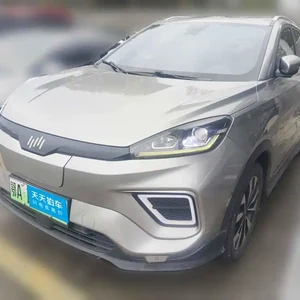
Weltmeister Weltmeister EX5 2019 EX5 Mate Power Alliance Edition 400
How to buy a Weltmeister Ex5 from China
-
1
Define the destination and duty cycle
Record the destination, steering requirement, expected annual mileage, charging access, load, and required delivery date. Include local registration, homologation, and aftersales constraints in the brief.
-
2
Shortlist like-for-like Ex5 listings
Compare the EX5 400 and EX5-Z families by production year, edition, battery or range version, condition, and equipment. Read the current per-unit price, MOQ, and availability on the active ChinaCarDirect listing rather than relying on an older catalogue.
-
3
Request a unit-linked specification and quote
Ask the seller to confirm the vehicle identifier, battery, rated range, motor, charging configuration, dimensions, condition, and included documents. Request a written landed quotation stating the Incoterm and every charge or exclusion.
-
4
Verify identity, ownership, and terms
Check the seller's legal identity, ownership evidence, export-registration route, contract, and payment protection. Ensure the selected trim and configuration match the quotation before committing funds.
-
5
Place the order against clear milestones
Tie deposits and balances to the signed vehicle specification, production or unit allocation, inspection acceptance, and document release. Keep all amendments and payment instructions traceable in writing.
-
6
Complete a pre-shipment inspection
Inspect the exterior, interior, mileage, VIN or chassis identification, software, charging equipment, warning systems, and battery condition. Record any discrepancy before authorizing dispatch.
-
7
Book compliant transport and clear customs
Use an electric-vehicle-experienced forwarder or broker to prepare battery documents, cargo insurance, freight booking, customs classification, and destination delivery. Coordinate port release and local registration with the importer's compliance adviser.
Ex5 vs rivals
| BYD Yuan Plus / Atto 3 | The Atto 3 is a close compact electric-SUV benchmark with stronger brand recognition in many export markets, which can reduce customer-acquisition and resale risk. The Ex5 offers a more distinctive product, but the buyer should compare local parts support, warranty execution, and homologated range. |
|---|---|
| Chery Omoda E5 | The Omoda E5 provides a similar fleet-SUV alternative and may benefit from greater international visibility. The Ex5 may be more attractive where its edition mix, compact packaging, or commercial terms create a clearer operating fit, making delivered terms and local support the decisive factors. |
| MG ZS EV | The MG ZS EV is a direct compact-SUV alternative with longer-established market recognition that may simplify parts planning and resale. Compare the exact vehicles for usable cargo, charging access, homologated range, software, and warranty rather than treating their dimensions or equipment as equivalent. |
Frequently asked questions
How is Weltmeister Ex5 export pricing determined?
Export pricing combines the vehicle's year, exact EX5 400 or EX5-Z edition, battery and range version, condition, and commercial terms. Freight, insurance, port charges, exchange rates, taxes, and Incoterms affect the landed total. Current per-unit prices are shown in the live ChinaCarDirect Ex5 listings; request a written quote for the specific SKU and destination.
What powertrain and range should I expect from the Weltmeister Ex5?
The Ex5 is a battery-electric compact crossover with electric drive and trim-dependent battery and range configurations. The 400 designation and EX5-Z name are useful filters, but CLTC-labelled figures are not directly comparable with destination test cycles. Verify the unit-linked battery, rated range, motor, and charging data in the live listing.
Is a used Weltmeister Ex5 better value than a new one?
A used unit can reduce acquisition exposure but adds uncertainty in battery health, repairs, history, and residual value. A new vehicle is easier to standardise and document for fleet handover. Compare total cost, warranty, inspection evidence, and expected demand rather than assuming either condition is automatically cheaper.
What is the MOQ for buying an Ex5 from China?
MOQ is seller- and order-specific and can differ between single-unit purchase requests, mixed-model allocations, and consolidated shipments. Do not infer a blanket minimum from the model or platform. Check the unit's live listing and ask the seller to state the MOQ, total order value, and payment conditions in the quotation.
How long does shipping take and what affects cost?
Transit time and cost depend on the Chinese origin, destination port or rail route, sailing schedules, container availability, vehicle dimensions, battery documentation, insurance, customs clearance, and inland delivery. Incoterm allocation also determines which party bears costs and risks. Ask the freight forwarder for a door-to-door schedule and written landed-cost breakdown.
Can dealers order spare parts for the Ex5?
Parts can be ordered, but availability should be confirmed by VIN, model year, and exact EX5 or EX5-Z edition before shipment. Common wear items may be easier to source than body parts, electronic modules, or battery components. Include warranty claims, diagnostic capability, and a parts lead-time plan in the launch budget.
Is a right-hand-drive Ex5 available for the UK or other RHD markets?
RHD availability must be confirmed for the exact vehicle; it should not be assumed from the model name or a general China-origin listing. If only LHD units are available, a conversion may affect homologation, safety, insurance, and residual value. Obtain a country-specific assessment before paying for a conversion or shipment.
How do I order a Weltmeister Ex5 for export?
Start with the live Ex5 inventory, compare like-for-like editions and specifications, then submit an RFQ with the destination, Incoterm, quantity, and compliance requirements. Confirm seller identity, ownership, vehicle identification, inspection, payment milestones, export documents, freight booking, and customs responsibilities before release. Live listings carry the current unit price and availability, while the written quotation should govern the order.
Ready to source the Weltmeister Ex5?
Send your destination, quantity, preferred EX5 400 or EX5-Z edition, and Incoterm to request a current Ex5 quotation.
Request a quote