
WEY Vv5 Export Buying Guide for Overseas Dealers
Buy a WEY Vv5 from China with a view of 1.5T and 2.0T trims, export pricing, MOQ, shipping, compliance and rival choices for overseas dealers and importers.
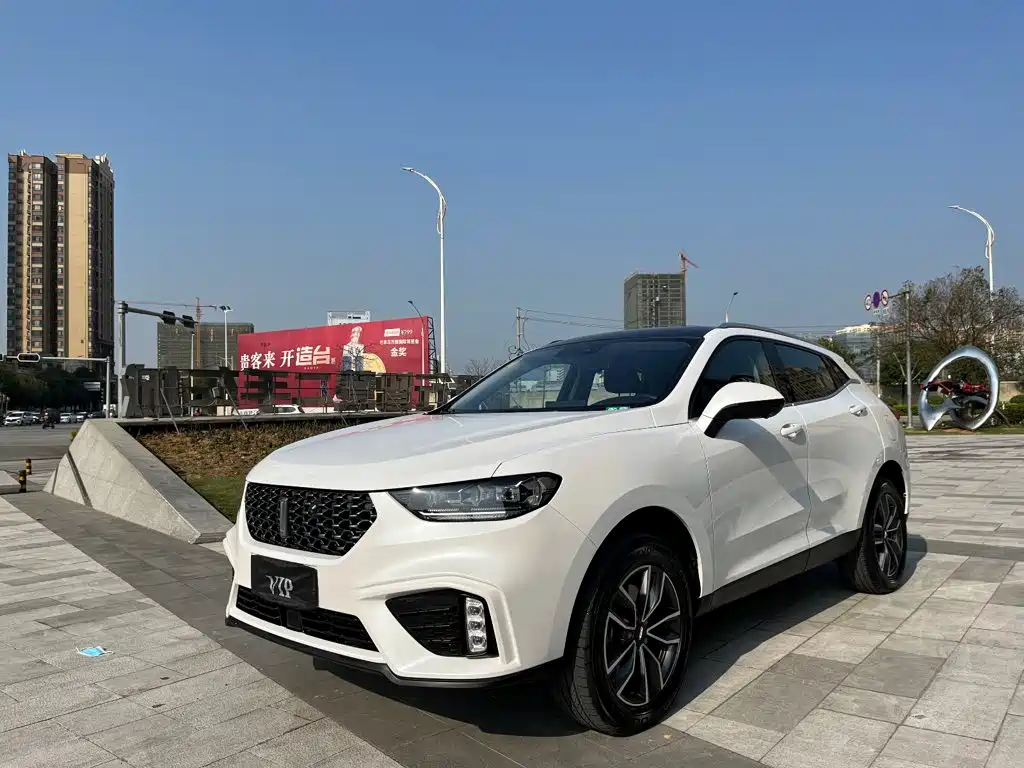
At a glance
- The WEY Vv5 is a design-led Chinese compact crossover with 1.5T and 2.0T turbocharged gasoline choices.
- The range includes two-wheel-drive editions from Style and Smart Pioneer through Final Edition and China V grades.
- New units can simplify showroom standardization, while used units require documented condition and service-history reviews.
- Price and MOQ are unit-specific and should be taken from the live listing, not assumed for the entire model.
- LHD or RHD, homologation, shipping scope, parts support and residual value determine export suitability.
Why the WEY Vv5 matters for export markets
The WEY Vv5 is a Chinese-brand compact crossover positioned above many mass-market SUVs in perceived equipment and design, while remaining below larger premium models in size and operating complexity. For overseas dealers, its attraction is differentiation: a distinctive WEY-badged vehicle can broaden a showroom beyond familiar Japanese, Korean or established European brands. Buyers should assess that appeal against local recognition, parts support and resale expectations rather than assuming a China-market badge transfers directly into overseas demand. It is best viewed as an image-led, feature-oriented SUV whose market case depends on product fit, distributor strategy and after-sales execution.
The model gives export buyers a useful middle ground: a compact crossover format, turbocharged gasoline choices and a hierarchy of equipment-focused trims, without the space and logistics burden of a full-size premium SUV. Its strongest markets are likely to be those where independent importers want a distinctive Chinese product, urban dealers need a manageable right-hand-drive conversion project, and fleet or company-car buyers can justify premium equipment. It is less compelling where fuel economy, proven resale value or immediate parts availability outweigh brand image for the importing dealer during the first ownership cycle.
Demand should be evaluated segment by segment. WEY competes for attention with familiar compact and upper-compact crossovers, but WEY Vv5 for export buyers usually means securing units, homologating them and supporting them as a new name; it is not simply a low-cost shipping shortcut. Dealer research should cover the target country's safety and emissions rules, realistic servicing arrangements, expected insurance classification and the availability of compatible parts. That preparation determines whether the Vv5's design and equipment create a durable sales proposition against lower-cost Chinese alternatives already familiar in the market at launch.
- A design-led Chinese compact crossover.
- 1.5T and 2.0T 2WD choices.
- Compliance and after-sales determine export fit.
Model range, trims and powertrain variants: how the lineup is structured and how to choose
The Vv5 range can be understood through two turbocharged gasoline engine choices and two-wheel drive. Common designations include 1.5T 2WD Style Pioneer, Smart Pioneer and Vitality Orange Edition, plus 2.0T 2WD Final Edition, Ultra Luxury China V and Flagship China V forms. This structure gives buyers a simple decision axis: displacement and engine character first, then equipment and visual packaging. Exact WEY Vv5 specs can differ by model year and trim, so the seller's build sheet must confirm the final configuration, including gearbox, equipment, standard options and market designation details in writing before contracting.
For fleets and cost-conscious importers, the 1.5T models are the logical starting point because they place the emphasis on the smaller turbo engine while retaining the Vv5's premium presentation. The Smart and Style Pioneer labels should not be read as a universal equipment formula across years: named editions can change, and the China V label belongs to a China-market trim hierarchy rather than a universal equipment standard. Compare the photographed cabin, options list and document descriptions rather than choosing from the trim name alone; confirm the quoted vehicle in full with the seller.
The 2.0T 2WD choices suit buyers who prioritize stronger performance and higher-level equipment, particularly the Final Edition and the China V luxury-oriented grades. That higher-output pairing may also appeal to executive-fleet and premium-dealer buyers, but it should be evaluated for fuel use, insurance and taxation in the destination market. There is no single Vv5 configuration that is automatically best for every importer: the right decision is the one whose powertrain, equipment and running costs match the customer and the local tax regime rather than simply the newest badge on offer for the buyer.
- 1.5T targets fleet cost priorities.
- 2.0T favors performance and equipment.
- Verify year-specific build sheets.
New vs used WEY Vv5: how export inventory is structured and how buyers choose
New and used WEY Vv5 vehicles serve different commercial strategies. A new unit offers a cleaner ownership history and easier creation of a consistent showroom specification, although model year, price, specification and delivery timing remain linked to the individual listing. A used WEY Vv5 can reduce initial capital exposure or provide a known specification at a lower entry point, but buyers must examine mileage, service history, accident repair, wear and residual value. Neither condition should be assumed from a catalogue label alone; vehicle-level inspection and documentation review should come before contracting.
For a dealer building its first WEY programme, new inventory is generally easier to standardize and may present a clearer warranty pathway if the seller and distributor support it. For a used WEY Vv5, the value case depends on evidence rather than age alone. Request the vehicle identification number, registration documents, service records, inspection photographs, diagnostic information and a clear account of cosmetic condition. A lower acquisition figure can be offset quickly by repairs, missing equipment, unresolved faults or higher financing and insurance costs once the vehicle enters the destination market.
The export category should be read at listing level, not as a promise that every unit shares one condition, year or equipment standard. Filter by the condition shown on each unit, then compare the trim name, model year, photos, mileage where relevant and seller notes. A WEY Vv5 wholesale decision for multiple units should preserve a common specification where possible, because mixed cabins, engines and cosmetic packages complicate staff training, parts stocking and customer-facing consistency. Always request the exact live listing and written condition report before placing a deposit in writing.
- New units ease showroom consistency.
- Used units demand documented condition.
- Standardize wholesale builds for support.
How export pricing works: the factors behind a live listing price, and how to read one
WEY Vv5 export price is not a fixed model-level figure. The live asking price for a particular unit is shaped by model year, 1.5T or 2.0T engine, trim, equipment, paint or edition package, mileage and condition for used vehicles, and the seller's commercial terms. Currency movements can also alter the displayed or quoted amount over time. Treat every listing as an individual negotiation starting point rather than evidence of a universal market value. A useful comparison sheet should keep those variables visible so that a cheaper vehicle is not mistaken for a better-equipped or newer one.
To read a listing correctly, first confirm whether the displayed amount is the vehicle price or a broader landed quotation. Then check the model year, exact trim, engine, drive configuration, condition, included options and whether the seller is offering a single unit or a batch. A practical WEY Vv5 export price guide should separate vehicle acquisition cost from inland transport, export documentation, marine insurance, freight, terminal charges, import duty, tax and compliance work. These latter costs vary by origin, destination, route, Incoterm and currency used in the transaction being agreed in writing.
Buyers who want to buy WEY Vv5 from China should request a written, unit-specific quotation and ask what each charge covers. If the seller and buyer use different Incoterms, the point at which risk and cost transfer can materially change the comparison. Obtain the current live price, MOQ and availability from the ChinaCarDirect inventory page for the exact unit, then model the landed budget separately. That discipline prevents a low vehicle figure from being mistaken for a low delivered cost and creates a record for approval before payment or deposit.
- Match year, trim, engine and equipment.
- Separate vehicle price from landed cost.
- Check each live listing for price and MOQ.
MOQ, ordering and payment: single units vs consolidating a container
Minimum order quantity depends on the seller's listing and the chosen transaction structure. A listing may permit an individual professional purchase, while another quotation may be tied to a batch, allocation or consolidated shipment. Do not infer a universal MOQ from the model or marketplace. The binding quantity, unit allocation and any volume condition should be checked on the exact live listing and repeated in the pro forma invoice, together with the payment schedule and delivery terms, so there is no ambiguity after the commercial discussion and before any deposit begins.
Ordering one unit is operationally different from filling a container. A single-unit purchase offers more flexibility for testing local demand and reduces exposure to one large payment, but the buyer may bear less freight efficiency and fewer supplier concessions. A consolidated container can lower transport cost per vehicle and support consistent marketing, yet it locks more capital, requires careful unit allocation and may expose the importer to unsold stock. Compare the vehicle price and total landed cost separately; a larger order does not automatically produce the better commercial result for the buyer.
A safe order begins with a specific SKU or vehicle description, followed by a written pro forma invoice that states quantity, trim, engine, model year, condition, vehicle price, shipping scope, taxes if any, MOQ, deposit, balance trigger and expected dispatch process. Payment milestones should be linked to verifiable events, such as order confirmation or pre-shipment inspection, rather than informal promises. Before remitting funds, confirm the beneficiary details, documentary requirements and who is responsible for customs clearance and transport insurance, or any local conversion work covered in writing by the seller where required.
- Check MOQ on each specific listing.
- Single units reduce inventory exposure.
- Let the pro forma invoice control terms.
Shipping, homologation and market compliance caveats: LHD/RHD and import rules by country
Shipping planning starts with the finished vehicle's configuration, not just its destination. Chinese-market vehicles may be left-hand drive, and a right-hand-drive destination must not assume that RHD units are available. The seller should identify the steering configuration, lighting and equipment market, VIN and any proposed conversion. Local conversion can affect cost, delivery time, warranty and homologation, so it should be treated as a planned engineering and inspection task rather than a last-minute swap. For fleet deliveries, a sample vehicle should be inspected before the remaining units are committed or produced and approved.
Import compliance is country-specific and may include type approval, VIN and registration rules, emissions, safety, lighting, noise, cybersecurity, software updates, local-language labels, customs classification, duties and taxes. A Chinese-market infotainment system may also use region-specific apps, connectivity or navigation services that are unavailable elsewhere. Buyers should provide the destination country and intended use before ordering, then ask the importer, broker or regulator what evidence is required. Passing customs clearance is not automatically the same as obtaining road-legal registration or local operating permits for commercial or fleet deployment where required locally by law.
Freight cost and transit time depend on origin and destination ports, route, sailing frequency, container allocation, customs workload, documentation accuracy and seasonal congestion. Vehicle shipping also requires suitable equipment, securement and discharge arrangements; roll-on/roll-off, container and consolidated options have different handling characteristics. Do not estimate the schedule from vehicle production alone. Build a milestone plan covering inspection, booking, export clearance, loading, voyage, import clearance and delivery, while assigning responsibility for every handover and the documents needed at each stage. The same plan should include contingency time for inspections and corrections before dispatch.
- Confirm steering side and conversion scope.
- Check destination approval, registration, duty and tax.
- Allow for freight, customs and delivery delays.
Who should buy the Vv5 — and who should pick a different vehicle
The Vv5 is most suitable for an importer or dealer that can differentiate a compact SUV, has a realistic workshop and parts plan, and can meet local compliance rules without relying on the Chinese badge to create demand. It may work well in markets familiar with Chinese vehicles, for company fleets seeking a feature-rich gasoline crossover, and for buyers wanting turbocharged performance in a manageable footprint. The strongest case is a focused launch in which the Vv5's design, ride, equipment and price can be explained clearly to consumers and fleet managers.
It is a weaker choice for a buyer whose priority is a long-established resale market, minimal homologation work or immediate access to every service part. A new-name SUV can require more explanation in insurance, used-car valuation and fleet procurement, and Chinese trim equipment may not match overseas expectations. Fuel-intensive use may also face poor economics where taxation is high. If the importer cannot support parts diagnostics or maintain a realistic service network, a more established rival may offer lower operational risk despite a less distinctive product and steadier resale outcomes in the market.
The vehicle also needs a clear target customer. The 1.5T 2WD versions may make more sense where fleet cost sensitivity and straightforward operation matter, while the 2.0T 2WD grades suit buyers prioritizing performance and richer equipment. Neither engine should be selected solely from the badge. Compare insurance, fuel, tax, service intervals, parts lead times and residual assumptions in the destination market. If the business case depends on a narrow set of those factors, the Vv5 may not be the safest overall wholesale bet for a first-time importer in that market.
- Best for dealers seeking distinctive design.
- Conditional for performance-focused fleets.
- Weak where service, compliance or fuel costs dominate.
Main rivals and how the Vv5 compares
The Haval H6 is a close practical competitor because it is widely positioned as a mainstream compact SUV with several engine and equipment levels. Depending on the destination, buyers may find broader service familiarity or a clearer parts pathway with the H6. The WEY Vv5 competes through stronger visual differentiation and its own 1.5T and 2.0T 2WD choices. A fair comparison should match equipment, warranty, landed cost and after-sales support for the buyer, rather than comparing the lowest-priced versions of one against the highest of the other in each range.
The Chery Tiggo 7 is another direct Chinese-brand alternative for importers seeking a compact crossover without a new marque. Chery's wider international presence may make comparison straightforward in some markets, and the Tiggo 7 can appeal where conservative badge recognition and broad trim familiarity are priorities. Against it, the Vv5 offers a more premium visual identity and a distinct 1.5T/2.0T hierarchy. However, WEY's lower familiarity makes the quality of local servicing, parts planning and residual-value support more decisive in markets where WEY has not yet built a mature dealer and owner community.
The Changan CS75 Plus is the closest Chinese-market comparison in style, positioning and the use of turbocharged powertrains to create premium compact-SUV appeal. It can be persuasive for buyers who want a familiar Chinese product family with established export logistics. The Vv5 differentiates through its own design language, WEY branding and 1.5T or 2.0T 2WD selection. Changan may carry the advantage in some markets, while the Vv5 may feel more distinctive. Confirm local homologation, parts coverage and warranty terms, and consult a local importer before choosing either or placing an order.
- Haval H6: familiar mainstream support.
- Chery Tiggo 7: direct Chinese-brand alternative.
- Changan CS75 Plus: closest design comparison.
Live WEY Vv5 export inventory
View all listings →Real units currently on ChinaCarDirect with per-unit asking prices and MOQ. Availability updates live from the catalogue.
How to buy a WEY Vv5 from China
-
1
Define the market and use
State the destination, road use, retail or fleet channel, preferred engine and required steering side before comparing vehicles. This narrows homologation and operating-cost work at the start.
-
2
Review the live listings
Open the Vv5 inventory and compare unit photographs, year, trim, engine, condition and seller notes. Request the build sheet for shortlisted vehicles rather than assuming all trim names are equivalent.
-
3
Request a landed quotation
Ask the seller to state the vehicle price, Incoterm, freight scope, insurance, documentation, export handling and any quoted taxes or duties. Compare the landed budget, not the asking price alone.
-
4
Confirm MOQ and payment
Check the MOQ and unit allocation on the live listing, then repeat them in the pro forma invoice. Pay only against written beneficiary details and agreed payment milestones.
-
5
Order and inspect
Issue a purchase order for the exact SKU and arrange a pre-shipment inspection. Verify the VIN, documents, condition and equipment, and correct discrepancies before paying the balance.
-
6
Complete compliance checks
Confirm destination type approval, emissions and safety requirements, registration, customs classification and any RHD conversion. Assign responsibility for certificates and local road registration.
-
7
Book freight and release documents
Select the vessel, route, securement and insurance, then track export clearance, loading and import clearance. Release the balance and shipping documents only after the inspection and compliance conditions are met.
Vv5 vs rivals
| Haval H6 | The H6 is a mainstream compact-SUV alternative with several engine and trim levels, often easier for buyers to source in markets where Haval has an established network. The Vv5 stands out for design and its 1.5T/2.0T 2WD positioning, so choose it when differentiation matters more than badge familiarity. |
|---|---|
| Chery Tiggo 7 | The Tiggo 7 competes directly with the Vv5 in the Chinese-brand compact-SUV segment and may have broader international recognition. The Vv5 offers more premium-oriented design and a different 1.5T/2.0T hierarchy; service coverage and residual support should decide the outcome. |
| Changan CS75 Plus | The CS75 Plus is a close stylistic and market-positioning rival with turbocharged powertrains and established Chinese-brand familiarity. The Vv5 has its own WEY design language and 2WD lineup; compare homologation, parts, warranty and landed cost in the target market. |
Frequently asked questions
How is WEY Vv5 export pricing determined?
Export pricing is unit-specific and reflects year, trim, engine, equipment, condition, exchange rates, freight, insurance and the Incoterm. The live ChinaCarDirect listing shows the current price and MOQ for the exact vehicle. Treat that figure as vehicle acquisition cost unless the seller confirms a broader scope, and calculate destination charges separately.
Which engine and range options does the WEY Vv5 have?
This is a gasoline crossover rather than an EV, so battery-electric range is not the relevant metric. Export trims include 1.5T and 2.0T two-wheel-drive versions; exact output, transmission, fuel consumption and dimensions should be confirmed from the unit listing and build sheet.
Should an overseas buyer choose a new or used WEY Vv5?
New units offer a clearer ownership history and easier specification consistency, while used units can reduce acquisition cost but add inspection, repair and residual-value risk. For a used WEY Vv5, review the VIN, service records, accident evidence, diagnostic information and condition photographs.
Can I order one WEY Vv5 without a bulk order?
MOQ is determined by the individual listing and transaction, not by a permanent model-wide rule. A listing may permit a single-unit purchase, while batch or container quotations may have different allocation and payment terms. Check the exact listing and have the quantity repeated in the pro forma invoice.
What determines shipping time and cost for a WEY Vv5?
Shipping time and cost depend on the origin and destination, sailing schedule, container allocation, customs workload, documentation, congestion and Incoterm. Build a milestone plan that separates production, inspection, export clearance, loading, transit, import clearance and final delivery.
Are spare parts readily available for the WEY Vv5?
Parts planning should use the VIN and original part numbers because China-spec trims and RHD conversions can affect components. Confirm serviceability, software support and local stock before launch, then include realistic parts lead times and after-sales support in the operating budget.
Is right-hand-drive WEY Vv5 availability guaranteed?
Do not assume RHD availability from a China-market Vv5 listing. Ask the seller to confirm the steering side, destination-market equipment and any conversion plan; conversion should be completed and inspected before destination-country homologation.
How do I order a WEY Vv5 from China?
Start with the live Vv5 inventory, shortlist an SKU, and request a written specification plus landed quote. Approve a pro forma invoice stating quantity, MOQ, price scope and payment milestones, then complete inspection and destination compliance before releasing the balance and shipping documents.
Ready to source the WEY Vv5?
Send a WEY Vv5 RFQ with your destination, preferred engine and trim, quantity and Incoterm for a unit-specific export quotation.
Request a quote