
WEY Vv6 Export Buying Guide for Overseas Dealers
Plan a WEY Vv6 import from China with guidance on 2.0T trims, 2WD and 4WD options, export pricing, MOQ, shipping, homologation and key rivals.
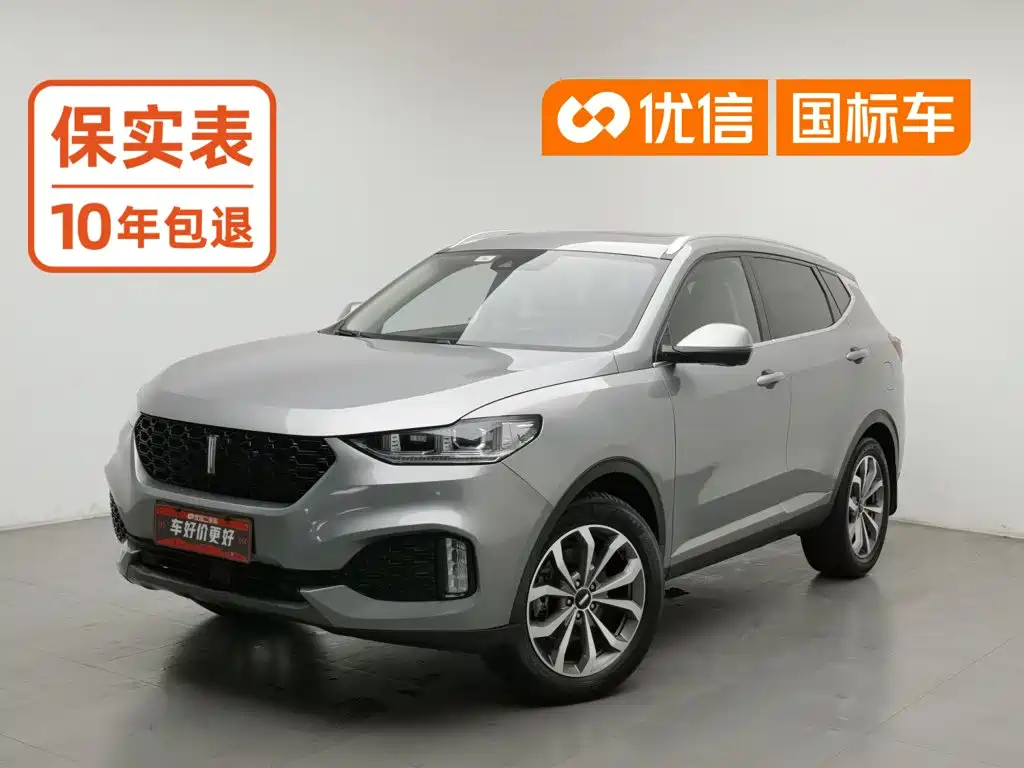
At a glance
- The Vv6 is a premium-styled, 2.0T petrol compact SUV for buyers seeking more presence than a budget crossover.
- Front-wheel-drive variants are available, with selected 4WD versions for buyers prioritizing traction.
- Smart, Luxury, Flagship and Intelligent Drive labels indicate an equipment hierarchy that must be checked unit by unit.
- China V and China VI are version identifiers, not evidence of approval in a destination country.
- Live per-unit prices, availability and MOQ should be confirmed on ChinaCarDirect’s current Vv6 listings before any budget is approved.
- Dealers should model freight, insurance, duty, tax, port charges and compliance work before calculating landed margin.
Why the WEY Vv6 matters for export markets
The WEY Vv6 occupies an export position: a Chinese-brand compact SUV combining a premium-looking cabin and 2.0T powertrain with positioning below many global premium models. It appeals to dealers serving customers who want SUV styling, higher road presence and a familiar combustion platform without moving into a larger or luxury-priced class. For importers, the attraction is the ability to build a differentiated showroom around a recognizable nameplate rather than compete only through fleet discounting. That makes model-year continuity, equipment verification and after-sales planning as important as the headline vehicle specification.
Global demand for the model should be understood in terms of use case rather than assumed from the badge. Compact SUVs suit importers in markets where customers prioritize cabin space, elevated visibility and everyday versatility, while the Vv6’s 2.0T character can appeal to drivers who find smaller engines less reassuring. Dealer interest is strongest where Chinese vehicles are already accepted for local registration and servicing, because those conditions reduce the commercial risk of adding a relatively new marque. Price competitiveness alone cannot overcome weak parts support or unfamiliar model recognition.
For overseas buyers, the Vv6 is most credible as a showroom-led compact SUV rather than an untested high-volume fleet proposition. Its appeal depends on convincing local customers that the brand’s design, equipment and driving character justify a Chinese import. The strongest candidates are markets with flexible homologation rules, dealer familiarity with China-origin vehicles and realistic access to replacement parts. Before committing, compare the Vv6 with locally familiar rivals on warranty handling, residual values and serviceability—not simply on the vehicle’s appearance or the lowest advertised export figure in the chosen market.
- Premium-styled compact SUV
- 2.0T petrol platform
- 2WD/FWD and 4WD options
Model range, trims and powertrain variants: how the lineup is structured and how to choose
The lineup shown in export listings is built around 2.0T petrol versions, but it is broader than the engine headline suggests. Names include Smart Protection+, Smart Enjoy, Smart Enjoyment+, Smart Joy+, Super Luxury China V, Flagship China V, Flagship China VI and Intelligent Drive+. These labels point to different equipment and market positioning rather than radically different vehicle architectures. A buyer should therefore compare the complete equipment list, not assume that two similarly named Vv6 units are interchangeable. This is especially important when translating a Chinese trim into an overseas sales specification.
Drivetrain selection is one of the clearest decisions in this range. Listings labeled 2WD or FWD describe front-wheel-drive vehicles, so those terms should not be treated as separate mechanical packages. Selected Flagship and Intelligent Drive+ versions are labeled 4WD and suit buyers who prioritize traction, towability or confidence in poor-weather and rough-road conditions. Front-wheel-drive versions will generally align with buyers focused on simplicity, packaging and operating economy, although the exact tax, insurance and equipment consequences must be checked in the destination market. These are configuration choices, not quality guarantees for importers.
China V and China VI appearing in some names are market or emissions-version identifiers, not evidence that a vehicle has been approved for a particular overseas country. Confirm the emissions certificate, vehicle identification number and production documentation rather than relying on the trim string. Because equipment can differ even within the same named trim, ask for a photograph of the VIN plate, factory build sheet and option list. Then test whether every claimed feature is legal, serviceable and useful in the destination. This prevents an attractive showroom car from becoming an expensive compliance exception.
- Compare complete build sheets
- 2WD equals FWD
- Verify China V/VI documents
New vs used WEY Vv6: how export inventory is structured and how buyers choose
Export inventory should be read by condition, age and documentation status, not by the model names alone. New vehicles may be dealer stock, parallel-export units or vehicles prepared for another market; used examples may have registration history, mileage or prior damage that affects their export treatment. A live search can change its condition mix, so the catalogue should never be treated as a permanent supply guarantee. The reliable approach is to select a specific unit and review its year, condition, mileage, title history and supporting documents before discussing price or freight.
New WEY Vv6 units are generally easier for an importer to standardize because their condition, delivery history and warranty route can be clearer from the outset. They also avoid the accumulated depreciation and condition uncertainty attached to an older vehicle, although a new unit will still depreciate once it enters the destination market. Used WEY Vv6 stock can offer a more predictable entry cost or preserve a desirable earlier specification, but buyers must price in remediation, wear and the possibility that original features have been modified or removed by a previous owner.
For a used vehicle, inspection should extend beyond paint and roadworthiness. Verify the VIN against documents, review service records and recall completion, inspect underbody and accident repairs, and confirm that the odometer reading is consistent. Also ask whether the vehicle has been adapted for another market, because steering-hand configuration, lighting, emissions equipment or software may differ from the factory specification. For fleet or repurchase programs, a repeatable inspection standard is more valuable than the listing’s age label. A pre-purchase inspection should be treated as a condition precedent to final balance payment.
- New: clearer vehicle history
- Used: lower entry, more risk
- Verify VIN and service history
How export pricing works: the factors behind a live listing price, and how to read one
An export listing price is the starting point for a vehicle-level comparison, not necessarily the landed cost in your market. Model year, exact trim, 2WD or 4WD configuration, production version, mileage and condition can materially change the commercial terms. Currency movements also affect how a China-based price is translated, while local taxes, registration fees and compliance work are market-specific. For a used unit, repair history and cosmetic condition can be as influential as the trim name. Compare like with like and avoid treating differently equipped cars as equivalent in any forecast.
The shipping basis is also decisive. Depending on the Incoterm, the seller may arrange export handling and transport to a named port, or the buyer may take responsibility from the seller’s premises. Ocean freight, insurance, terminal charges, documentation, inland haulage and customs can sit inside or outside the displayed price. A lower vehicle figure may therefore produce a higher delivered cost. Ask whether the quote includes export clearance, insurance, terminal fees and delivery to the destination. For consolidation, identify who pays each charge and where risk transfers. This should be stated clearly.
Reading a live listing correctly means expanding the vehicle record, confirming the selected trim and condition, then requesting a written quotation for the same reference. Check whether the price is negotiable, what documentation is supplied, how long the quotation remains valid and whether shipping is included. ChinaCarDirect’s live WEY Vv6 inventory is the place for current per-unit prices, availability and MOQ; those figures apply only to the unit and terms shown. Do not build a business case from an old enquiry, a remembered result or an unconfirmed message received months earlier.
- Compare like-for-like vehicles
- Separate vehicle and freight
- Check quote exclusions
MOQ, ordering and payment: single units vs consolidating a container
MOQ on a vehicle listing is the minimum quantity the seller will accept for that specific transaction; it is not a permanent property of the WEY Vv6 model. ChinaCarDirect listings may support single-unit purchases, but the live unit record and supplier confirmation govern the current requirement. Importers testing a model should feel free to order one vehicle if the seller permits it, subject to the agreed commercial terms. The key is to obtain the MOQ in writing before reserving funds or arranging consolidation. Never assume a container-sized commitment is required.
Consolidating several vehicles can improve freight efficiency and give a dealer a broader stock mix, but it introduces coordination risk that a single-unit purchase does not. Units should have compatible documentation, destination requirements, payment terms and delivery schedules, while their physical dimensions and securement needs must be acceptable to the forwarder. A mixed-SKU shipment may be possible, yet it can complicate inspection, claims and allocation on arrival. Agree how damage is recorded, who handles customs clearance and how a unit is replaced or credited if it fails the agreed acceptance check.
The ordering process normally begins with a vehicle reference and written specification, followed by a pro forma invoice covering the vehicle, options, freight, insurance and any applicable charges. The buyer and seller then agree on the deposit, documentary-payment method and balance trigger. Inspection should occur before the final balance or release where practical, using agreed criteria rather than subjective dissatisfaction. Only the nominated party should authorise changes to model, trim, colour, options or shipping terms, because even a seemingly small substitution can alter price, compliance and expected margin for the buyer.
- Confirm unit-specific MOQ
- Consider single-unit testing
- Link balance to inspection
Shipping, homologation and market compliance caveats: LHD/RHD and import rules by country
Shipping time and cost for a Chinese-built Vv6 depend on origin port, destination, transport mode, seasonality, consolidation and the selected Incoterm. Dealers may compare sea, rail or road movement to Europe, Central Asia, the Middle East, Africa, South America or other regions, but routes and carrier schedules change. A complete vehicle may move differently from a loose cargo shipment, and a RoRo or container arrangement affects loading and handling. Obtain an all-in freight proposal with the pickup location, destination address, transit assumptions, insurance and charge inclusions stated for the actual vehicle.
Left-hand-drive and right-hand-drive are separate market configurations, and a vehicle configured for one should not be assumed to be readily convertible to the other. Confirm the steering-hand position offered in the live listing, then verify whether your destination accepts that configuration for registration. If conversion is considered, the cost, parts availability, safety implications and reinspection must be evaluated; it may also affect the vehicle’s identity, warranty and approvals. Never import on the assumption that overseas RHD availability exists for every Vv6 trim or production year. Local conversion expertise does not replace regulatory approval.
Market compliance is broader than emissions. Depending on the country, authorities may assess type approval, VIN and identity documents, lighting, mirrors, seat belts, tyres, noise, fuel labelling, software, radio equipment and seating. Customs classification, import duty, value-added tax or equivalent charges, port inspections and registration can all affect whether a unit is commercially viable. Build a destination-specific checklist with a customs broker and confirm that spare parts, workshop information and diagnostic support can be maintained locally before committing stock. Compliance should be cleared before the vehicle enters the transport chain.
- Confirm steering-hand setup
- Check destination approval
- Include taxes and port costs
Who should buy the Vv6 — and who should pick a different vehicle
The Vv6 is a strong candidate for an importer that wants a visually distinctive, 2.0T compact SUV and can support a Chinese premium marque through a focused dealer programme. It also makes sense for customers who value front-wheel-drive simplicity but want the option of a 4WD listing where available. Dealer groups with established China-export logistics, multilingual sales staff and access to technical documentation can turn the model’s China-specific naming and equipment into a curated offering rather than a drawback. It is less suitable for buyers seeking effortless global residual-value recognition.
It is a weaker choice for fleet buyers whose main criteria are low operating cost, long charging range, ubiquitous parts or an immediately established residual-value market, because this Vv6 generation represented here is a combustion SUV rather than an electric or plug-in hybrid range model. Large-cargo operators may find another vehicle more practical if their load volume regularly exceeds a compact SUV’s limits. Buyers focused on right-hand-drive availability should proceed only after a matching vehicle and destination approval are documented. A test purchase can reduce the risk of scaling the wrong proposition.
The best use case is usually a staged market entry: select the simplest 2WD configuration first, establish a realistic parts and warranty process, and use actual customer feedback to determine whether 4WD or higher equipment versions deserve inventory space. For a fleet pilot, compare total operating cost, fuel consumption, insurance classification and downtime rather than purchase price alone. For a retail dealer, test whether the brand can support an upselling conversation against locally familiar compact SUVs. In either case, compliance and aftersales readiness should precede volume ordering for the destination market.
- Suited to premium showrooms
- Best for staged testing
- Unsuitable for EV-first fleets
Main rivals and how the Vv6 compares
The BYD Song Plus is a close China-market rival for buyers comparing mainstream compact SUVs, particularly where electrified powertrains are part of the local range. The Vv6 differentiates through WEY’s more upscale presentation, a consistent 2.0T focus and selected four-wheel-drive choices. A buyer prioritizing fuel or electricity should compare the homologated powertrain, tax treatment and charging provision rather than assuming similar size means similar economics. The better choice depends on the destination’s energy mix and the aftersales network behind each name. Neither brand deserves a decision without checking local parts support.
The Changan CS75 Plus competes for the same style-conscious compact SUV buyer and may appeal where broader trim and powertrain choice is important. Against it, the Vv6 offers a clearly positioned 2.0T range and WEY’s premium-brand identity, which can reduce the need to explain an unfamiliar marque at retail. Changan may be the more natural fit for buyers who prioritize general value and model familiarity. For either vehicle, check destination homologation, spare-parts access and resale assumptions before deciding. Badge preference should follow those operating and compliance checks rather than replace them.
The Geely Boyue, also known in many export markets as the Geely Atlas, is a practical comparator for a global SUV audience that recognizes Geely’s name and format. The Vv6 may be the stronger showroom choice for a buyer deliberately seeking a more premium Chinese-brand identity and the option of 4WD. Geely can be the safer operational choice where local awareness and service familiarity are already substantial. Neither brand removes the need to model residual values, parts continuity and compliance costs for the specific destination before any inventory is committed onsite.
- Song Plus: electrified choices
- CS75 Plus: mainstream focus
- Boyue/Atlas: familiar benchmark
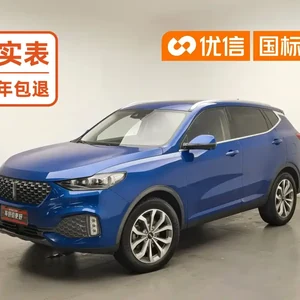
Live WEY Vv6 export inventory
View all listings →Real units currently on ChinaCarDirect with per-unit asking prices and MOQ. Availability updates live from the catalogue.
How to buy a WEY Vv6 from China
-
1
Define the destination requirement
Record the country of import, destination port, required steering-hand configuration and available homologation pathway. Give this information to the seller before shortlisting vehicles.
-
2
Choose the trim and drivetrain
Start with 2WD/FWD for straightforward market testing; consider 4WD only where traction demand justifies its purchase and ownership implications. Compare named trims by their full option lists.
-
3
Review the live vehicle record
Open the current Vv6 listings and confirm year, exact trim, drivetrain, condition, VIN, photographs, MOQ and seller location. Treat the selected unit—not the model name—as the ordering object.
-
4
Request a written quotation
Ask for the vehicle price, payment schedule, documentation, lead time and Incoterm. State whether freight, insurance, export clearance and inland transport are included or excluded.
-
5
Reserve and inspect
Use the agreed deposit and documentary-payment method, then complete an inspection before the balance if the contract permits. Record any condition discrepancy before releasing the vehicle.
-
6
Export, clear and deliver
Book transport through an experienced vehicle forwarder, verify export and destination documents, and use a customs broker for classification, duty, tax, inspection and registration.
Vv6 vs rivals
| BYD Song Plus | A close competitor in China’s compact SUV market, particularly where buyers can consider electrified powertrains. The Vv6 offers a more upscale WEY identity and selected 4WD choices, while the better fit depends on destination energy policy, taxes, charging provision and aftersales support. |
|---|---|
| Changan CS75 Plus | A mainstream alternative for style-conscious buyers who prioritize value and broader configuration choice. The Vv6 is more attractive when the dealer needs a clear premium-brand proposition around a consistent 2.0T range, provided local serviceability is established. |
| Geely Boyue/Atlas | A familiar SUV benchmark for many export markets, with Geely recognition that may reduce customer-education and service-resistance risks. The Vv6 is the more deliberate premium-showroom choice, especially where a matching 4WD configuration is available. |
Frequently asked questions
How is the WEY Vv6 export price determined?
Export pricing reflects year, trim, drivetrain, condition, mileage, currency movement, freight, insurance and the agreed Incoterm. Local duty, tax, port and compliance costs may sit outside a listing. ChinaCarDirect’s live WEY Vv6 listings show current per-unit prices and availability; request a written quote for the exact vehicle and destination.
What engine and range does the WEY Vv6 have?
The Vv6 range represented here uses a 2.0T turbocharged petrol engine, not a battery-electric powertrain, so battery capacity and electric range do not apply. Drivetrain can be 2WD/FWD or 4WD depending on trim; confirm transmission, fuel consumption and dimensions in the live listing.
Should I buy a new or used WEY Vv6 for export?
New units generally offer clearer history and warranty route, while used units can reduce initial depreciation but add wear, repair and documentation risk. Choose from condition, mileage, service records and expected residual value rather than year alone. A used purchase should follow VIN verification and an independent pre-purchase inspection.
How does MOQ work when ordering a WEY Vv6?
MOQ is set by the seller and transaction, not by the model itself. Some live listings accept single-unit orders, while a container consolidation may require several compatible vehicles; confirm the requirement and any consolidation rules in writing. Exact MOQ is shown on the current unit listing and must be reconfirmed before payment.
What affects shipping time and cost for a WEY Vv6?
Transit time and cost depend on origin and destination, transport mode, route, seasonality, consolidation, Incoterm and cargo handling. Vehicle shipping, insurance, terminal, port, customs and inland charges should be quoted separately or explicitly identified. Ask the forwarder for a current all-in freight proposal against the specific destination.
Can spare parts be ordered for the WEY Vv6?
Parts can usually be ordered, but availability for a specific Vv6 trim or production year depends on the supplier’s stock and the destination’s import rules. Confirm common service items, diagnostic tools and software support before scaling. For early-stage entry, arrange a parts pathway with the seller or an experienced China-based parts supplier.
Is right-hand-drive WEY Vv6 availability guaranteed?
RHD availability is not guaranteed for every WEY Vv6 trim or year. Check the live listing for steering-hand configuration and obtain local approval before ordering; do not assume that a China-market LHD car can be converted without cost, safety, warranty and homologation consequences.
How do I buy a WEY Vv6 from China?
Start with the live WEY Vv6 inventory, select a specific vehicle and send the seller a complete request covering trim, drivetrain, condition, destination, Incoterm and quantity. The seller should issue a pro forma invoice and agreed payment schedule. After inspection and document verification, the vehicle proceeds to export, customs clearance and delivery.
Ready to source the WEY Vv6?
Send ChinaCarDirect your required WEY Vv6 trim, destination and quantity for a current vehicle-level quote and RFQ.
Request a quote