
Wuling Air Ev Export Buying Guide for Dealers
Plan a Wuling Air Ev purchase from China with practical guidance on trims, CLTC range, export pricing, MOQ, shipping, compliance, and live listings.
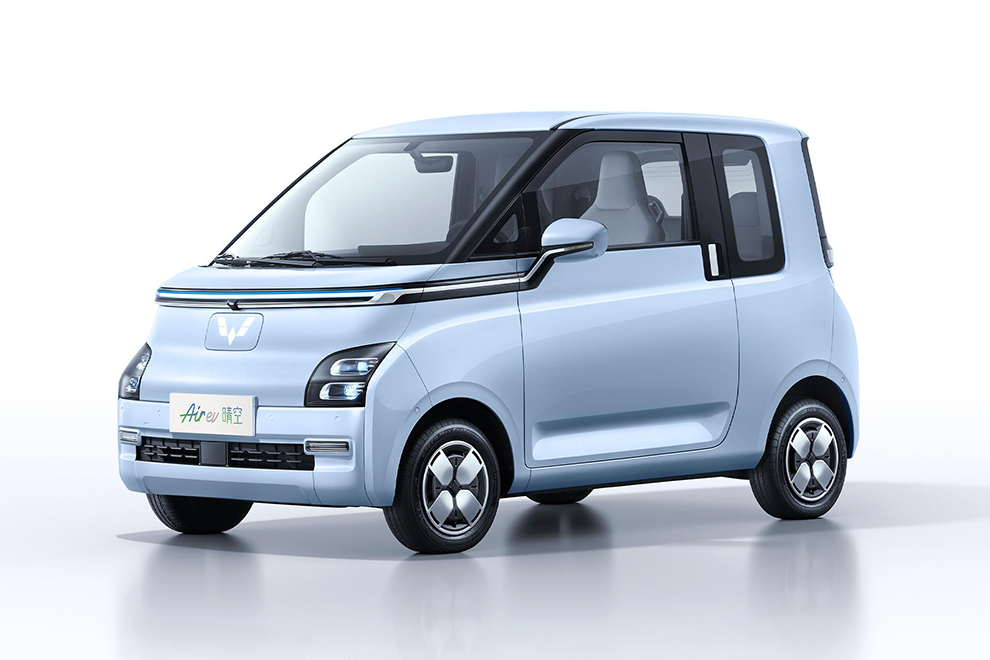
At a glance
- A compact battery-electric city car for short, repeatable routes rather than intercity travel.
- Two-seat and four-seat Standard configurations plus a four-seat Advanced Edition define the core lineup.
- Battery and CLTC range options must be matched to the exact listing before purchase.
- Used sourcing is viable when battery condition, service history, and handover documents are independently checked.
- Export cost depends on the live unit quote, Incoterm, logistics, taxes, and destination compliance.
- Right-hand-drive availability and homologation must be confirmed before a unit or container is committed.
Why the Wuling Air Ev matters for export markets
The Wuling Air Ev is a compact, battery-electric city car designed around short-distance mobility rather than long-distance touring. Its small footprint, low-energy drivetrain, and two- or four-seat layouts suit urban shuttles, campus transport, hotel and resort operations, last-mile delivery, and small commercial fleets. For overseas buyers, the proposition is not simply a cheap new car; it is a purpose-built vehicle that can add useful capacity where daily routes are predictable, charging is available, and operators value maneuverability and low running costs. Its three-door shape also makes the seating and luggage trade-offs central to any fleet decision.
Demand for this kind of vehicle is strongest in dense operating environments where short routes dominate. Air Ev-style micro-EVs can be attractive where many trips are urban, routes return to a depot, and operators need to add vehicles without the space burden of a conventional car. Their electric drivetrain also suits fleets pursuing lower fuel use and reduced tailpipe emissions. However, low demand-side emissions do not remove the need for responsible battery handling, charging planning, or suitable end-of-life arrangements. They are therefore better treated as a specific operating solution than as evidence that every small EV will suit every market.
Buyers considering the Wuling Air Ev for export should not treat the model as a universal replacement for a mainstream hatchback or SUV. Its value depends on matched route profiles, access to reliable electricity, manageable cargo, and a clear local approval path. Where those conditions exist, the model can provide a simple fleet platform with few operating parts and straightforward charging. Where they do not, a larger battery, more seats, stronger weather equipment, or broader service coverage may matter more than the Air Ev's compact dimensions. For importers, that distinction prevents a low-cost purchase becoming an expensive operational mismatch.
- Matched to short, predictable urban routes.
- Two-seat and four-seat layouts.
- Charging access and approval are decisive.
Model range, trims and powertrain variants: how the lineup is structured and how to choose
The Air Ev lineup is structured around body use and equipment level. Buyers can compare a two-seat Standard Edition with four-seat Standard and Advanced Edition configurations, so seat count should be settled before trim. The two-seat version favors passenger-plus-luggage duty or short shuttle work, while the four-seat version is more relevant to small teams and family-style fleet use. Advanced Edition denotes a higher equipment tier, but exact comfort, infotainment, and safety content must be checked on the specific vehicle rather than inferred from the badge. A VIN-level equipment check is essential for fleet specification.
Technically, the core Air Ev is a rear-wheel-drive battery EV using a 50 kW electric motor and single-speed reduction gearing. The China-market family has been offered with 10, 20, and 30 kWh battery options, associated with CLTC ranges of about 170, 200, and 300 km respectively. These are configuration-level figures, not guarantees for every export listing. Because CLTC is a Chinese test cycle, buyers should expect the certified test basis and real operating range to be documented separately. Charging hardware, battery chemistry, and equipment can also change by production batch and market version.
Choosing among these versions starts with the daily distance and return-to-depot pattern, then the number of people or bags that must travel. A vehicle that clears an average route comfortably may still be inadequate for airport runs, peak-hour delays, detours, or hot-weather air-conditioning loads. Four-seat buyers should test rear-seat usability and luggage space, not just headroom. For export review, request the battery capacity, rated range, charging connector, charger inclusion, and any battery-swap or warranty provisions in writing for the exact listing. A battery-swap label is especially important because infrastructure and procedures are part of the purchase.
- Standard and Advanced equipment tiers.
- CLTC range is not real-world range.
- Confirm battery, connector, and charger.
New vs used Wuling Air Ev: how export inventory is structured and how buyers choose
Export inventory for the Air Ev can include newly registered examples and used vehicles sourced from the Chinese market, but the available mix changes over time. New units are attractive when a buyer wants known delivery condition, standardized specification, and the earliest available warranty. Used units can be equally rational for a launch or pilot fleet when the lower acquisition cost offsets the need for inspection and a shorter remaining warranty. The relevant structure is not a headline stock count; it is the condition and documentation attached to each physical vehicle.
A used Wuling Air Ev needs a more disciplined evaluation because battery health, usage pattern, and prior repair history can affect value. Ask for the odometer reading, battery state-of-health report if available, charging test, fault-history scan, accident and flood checks, tire condition, and evidence of the charger and accessories. Review whether the battery or motor has been repaired and whether software or recall work is current. Photos alone cannot establish battery condition; a documented test and inspection are the stronger basis for acceptance. Ask for a written handover record tied to the VIN.
The best way to compare a used unit with a new alternative is on landed operating cost, not purchase sticker alone. Build a simple total-cost model covering acquisition, international freight, insurance, duties and taxes, charging, maintenance, replacement tires, downtime, and expected residual value. Include the cost of charging access if the vehicle cannot charge at the depot. A well-maintained used car may win for a controlled pilot, while a new unit may be easier to standardize when the fleet must support many drivers and maintenance locations across several operating depots.
- New units favor standardized delivery.
- Used units require battery and history checks.
- Compare landed cost, not sticker price.
How export pricing works: the factors behind a live listing price, and how to read one
An export price for an Air Ev is a negotiated unit quote assembled from several variables, not a permanent model price. The vehicle year, seat and equipment configuration, battery version, mileage, condition, service history, charger inclusion, and desired documentation all affect the starting point. Currency movements, origin charges, inland transport, marine insurance, inspection fees, and the selected Incoterm can change the total. Ask whether each quoted amount is FOB, CIF, or another basis and what costs are excluded. A lower vehicle amount can still produce a higher total after logistics and entry charges.
When reading a live listing on ChinaCarDirect, treat the displayed amount as the current seller's unit quote and then build a landed-cost worksheet. Add destination charges, customs duties, taxes, registration, local inspection, and charging infrastructure only where they apply to the buyer. Confirm whether the price includes the charging cable, documentation, warranty, and export preparation. Because specifications can be linked to the VIN or physical unit, request a fresh written quotation for the exact vehicle rather than relying on a category page or an earlier enquiry. A fresh date matters in a moving market.
Buyers should also compare equivalent configurations rather than different trims with unexplained price gaps. A two-seat Standard vehicle is not a direct substitute for a four-seat Advanced vehicle, and a used battery condition should not be valued like a standard warranty package. If the same SKU appears more than once in the results, ask the seller whether each entry represents a separate physical car. Finally, confirm quote validity, payment stages, and the event that causes the price or allocation to change. This simple control helps prevent accidental comparison errors across a mixed marketplace.
- Start with the live unit quote.
- Check the Incoterm and exclusions.
- Match equivalent trims and battery versions.
MOQ, ordering and payment: single units vs consolidating a container
For buyers considering a Wuling Air Ev wholesale order, minimum order quantity is a seller and transaction rule, not an inherent property of the model. Some export offers are sold unit by unit, particularly for sample, pilot, or evaluation purchases; others are structured around a batch or container. The live listing should state the requirement for that vehicle, and the buyer should confirm whether it applies to one SKU, one trim, or a mixed order. Do not infer a universal MOQ from a marketplace category or from availability on another model. Written confirmation is essential before arranging payment or transport.
For a dealer planning a first container, consolidation can lower per-unit handling and freight costs when several compatible vehicles are bought together. Group models with similar dimensions, battery format, handling requirements, and destination documentation so the shipment can be loaded safely and cleared efficiently. Obtain an independent loading plan and compare it with the seller's proposal. A mixed container may be possible, but battery-related segregation, securing, weight distribution, and importer records must all be resolved before committing. The vehicle count alone does not determine whether freight is economical for a given route.
For buyers who want to buy Wuling Air Ev from China, a sound ordering sequence is specification lock, inspection, contract, deposit, final inspection, balance, release of documents, and transport. The purchase contract should identify the vehicle or agreed production specification, battery version, seat layout, condition report, accessories, warranty, Incoterm, payment milestones, and cancellation remedies. Use a protected payment method with documented release conditions. Verify that the seller's company and bank details match, and make the importer of record and responsible parties explicit before paying the balance. Serial numbers, keys, charging equipment, and service documents should be checked against the handover inventory before release.
- Confirm MOQ for the exact listing.
- Consolidate only with compatible vehicles.
- Use milestone-based payment and inspection.
Shipping, homologation and market compliance caveats: LHD/RHD and import rules by country
Import approval starts with identifying the destination market's type-approval rules for a small battery-electric passenger vehicle. Depending on the country, the importer may need UNECE compliance, European whole-vehicle type approval, UK approval, Gulf Cooperation Council documentation, ASEAN procedures, or another local regime. Requirements can cover crash protection, brakes, lighting, tires, batteries, charging, cybersecurity, radio equipment, software updates, and roadworthiness. Confirm the exact homologation route before paying for a vehicle described only as export-ready. Local registration rules may add further conditions. For example, charging hardware and software obligations may differ from local type approval.
Sea freight for lithium-ion vehicles requires careful planning rather than ordinary-car booking alone. The forwarder should confirm the applicable dangerous-goods classification, UN 38.3 test information, battery state-of-charge limits, packing and securing requirements, and the carrier's acceptance conditions. Shipping documents must reconcile the VIN, vehicle description, declared battery specification, and commercial invoice. Weather protection, discharge or isolation procedures, port handling, and pre-delivery charging also need clear responsibility because these vehicles should not be left without an agreed energy-management plan. Insurance terms should reflect the vehicle's value. Any local terminal restrictions also matter.
Steering configuration is a separate sourcing decision from homologation. A China-market Air Ev may be left-hand drive, and right-hand-drive availability cannot be assumed for a particular trim or battery version. Do not treat a steering-wheel swap as a local-conversion solution without engineering, safety, and approval review. Also check charging voltage and plug standards, software language, road signs, lighting, radio, emergency systems, and local service capability. The right-hand-drive and market-ready combination must be confirmed before the unit is committed. For fleets, this avoids discovering a conversion issue after the container has arrived.
- Homologation precedes shipment commitment.
- Battery freight needs specialist documentation.
- Verify RHD availability and local equipment.
Who should buy the Air Ev — and who should pick a different vehicle
The Air Ev is strongest for buyers with short, repeatable routes and reliable charging. It can suit airport and hotel transfers, university campuses, municipal pilots, resort shuttles, urban service fleets, and last-mile operations where compact dimensions matter. A two-seat vehicle may work well for a driver plus luggage, while a four-seat model serves a small team. The decisive question is not whether the car looks unusual, but whether its capacity matches each trip and the charging process fits the operating schedule. Reliable uptime matters more than nominal range for every scheduled shift.
It is a poor fit for intercity travel, motorway-heavy routes, emergency response, large families, frequent roadside operation, or sites without dependable charging. A small battery can also be exposed to heat, cold, full charging, and prolonged storage, so route and climate resilience deserve attention. For high-mileage commercial work, downtime and payload can outweigh the purchase advantage. Buyers in such cases should consider a larger-battery EV, a plug-in hybrid where charging is uncertain, or a combustion vehicle suited to the duty cycle. A conventional car can be the rational choice if the operating network is extensive but energy costs are lower.
Before approving a fleet purchase, build a worked route and total-cost example rather than relying on headline specifications. List the shortest and longest normal shifts, charging locations, dwell time, payload, climate, and vehicle downtime tolerance. Then compare acquisition and logistics with energy, maintenance, insurance, charging setup, and residual value over the intended holding period. A vehicle that looks inexpensive per unit can be unsuitable if it spends too long at a charger. Pilot a representative route and record actual energy use before scaling. That evidence is especially valuable for mixed urban and regional duties.
- Best for short routes and depot charging.
- Weak for long routes or poor charging.
- Pilot real routes before fleet scaling.
Main rivals and how the Air Ev compares
The closest small-car alternative from the same Chinese manufacturer is the Wuling Mini EV. It shares the approachable micro-EV format and simple fleet appeal, but the Air Ev is generally larger and offers a broader battery and range hierarchy, making it the more practical choice when luggage, comfort, or longer daily routes matter. The Mini EV remains attractive when minimum footprint and acquisition simplicity dominate. Because versions differ by seat count and battery, compare the actual homologated specification rather than assuming every Mini EV is cheaper or less capable. Service and parts support should be checked locally.
The Dongfeng Box is a closer alternative for buyers who want a conventional five-door hatchback rather than the Air Ev's three-door and two-row design. Its larger cabin and liftback-style practicality can be better for mixed passengers and cargo, while its specification and charging support vary by market. The Air Ev's main advantage is its very compact, purpose-built footprint and straightforward low-speed urban operation. Choose between them by measuring usable cargo, rear-seat access, route needs, local approval, and the availability of parts and technician support. These checks matter more than brochure equipment alone.
The BYD Dolphin sits one segment higher as a larger five-door battery hatchback, generally offering more interior space, a broader performance and range portfolio, and a more conventional global product image. It is a sensible option when payload, motorway travel, comfort, or brand familiarity outweigh the Air Ev's size advantage. The Air Ev remains more compelling for tightly budgeted short-route fleets. A fair comparison should use the same destination, warranty assumptions, charger inclusion, and landed-cost basis for both. Neither should be selected before local charging capability and homologation are confirmed for import.
- Choose by cargo, range, and homologation.
- Compare service and parts access.
- Use a common landed-cost basis.
Live Wuling Air Ev export inventory
View all listings →Real units currently on ChinaCarDirect with per-unit asking prices and MOQ. Availability updates live from the catalogue.
How to buy a Wuling Air Ev from China
-
1
Define the operating case
Record average and peak route distance, passenger count, payload, dwell time, climate, and depot access to charging. This prevents a trim or battery choice based only on appearance.
-
2
Shortlist equivalent live vehicles
Compare seat layout, edition, battery version, range basis, condition, and included accessories using the current live inventory. Keep equivalent configurations together when evaluating quotations.
-
3
Request condition evidence
For a used vehicle, obtain the odometer reading, battery report if available, charging test, diagnostic scan, service history, and accident or flood disclosures. Tie the inspection and handover record to the VIN.
-
4
Build a landed-cost quote
Request the unit price, Incoterm, freight basis, documentation charges, and exclusions in writing. Add destination duties, taxes, registration, local delivery, and charging setup to calculate the buyer's actual commitment.
-
5
Lock market compliance
Confirm steering configuration, local type approval, charging standards, lighting, radio, software language, and importer responsibilities before paying the balance or releasing the vehicle.
-
6
Contract and pay by milestones
Identify the unit or agreed specification, accessories, warranty, condition report, payment stages, and cancellation terms in the contract. Release funds only against defined inspection and document milestones.
-
7
Book freight and complete handover
Use a forwarder experienced with lithium-ion vehicle transport and confirm packing, securing, battery documentation, insurance, and port procedures. Reconcile the VIN, keys, charger, service records, and final condition before acceptance.
Air Ev vs rivals
| Wuling Mini EV | The Wuling Mini EV is the closest same-brand micro-EV alternative and shares a simple, compact fleet profile. It can suit minimalist shuttle duty, while the Air Ev's greater cabin and battery flexibility generally makes it better when luggage, a rear passenger, or longer daily routes matter. |
|---|---|
| Dongfeng Box | The Dongfeng Box provides a larger five-door alternative with more conventional hatchback access and cargo flexibility. The Air Ev offers a more compact urban footprint, while the Box may fit mixed passenger-and-bag routes better. |
| BYD Dolphin | The BYD Dolphin is a larger, more conventional battery hatchback with more space and typically broader range choices. The Air Ev suits tighter short-route fleet budgets, while the Dolphin may be worth the step-up for motorway use, comfort, payload, or wider brand familiarity. |
Frequently asked questions
How is the export price for a Wuling Air Ev determined?
Each live listing combines a unit-specific vehicle amount with export costs such as transport, insurance, documentation, and the chosen Incoterm. Year, trim, battery version, mileage, condition, accessories, exchange rates, and destination charges can all move the total. Check the current per-unit quote and ask for a written landed-cost breakdown before treating any figure as binding.
What powertrain and range does the Wuling Air Ev use?
The core Air Ev is a rear-wheel-drive battery EV with a 50 kW motor and single-speed gearing. Depending on version, it has been offered with 10, 20, or 30 kWh batteries and corresponding CLTC ranges around 170, 200, or 300 km. CLTC is a Chinese test cycle, so confirm the exact battery, test basis, charger, and any swap arrangement in the live listing.
Is a used Wuling Air Ev suitable for export?
Yes, provided it is matched to the duty cycle and passes a documented inspection. Compare mileage, battery condition, charging performance, fault history, accident or flood exposure, warranty, and included accessories rather than relying on price alone. A used vehicle can suit a controlled pilot, while a new unit may be easier to standardize for a larger fleet.
How does MOQ work when buying Wuling Air Ev from China?
MOQ is set by the seller and shown for the specific live offer, not by the model name. Some offers accept one vehicle for sample or pilot use, while others require a batch, so ask whether the limit applies to one SKU, a trim, or the whole order. Consolidated wholesale orders should still specify each unit, configuration, and allocation in the contract.
What determines shipping time and cost for a Wuling Air Ev?
Origin transport, container availability, routing schedules, port handling, battery-compliance work, insurance, and destination delivery all affect the quote. Lithium-ion vehicles need an approved packing and documentation plan, and fees can vary with the Incoterm and destination. Ask the freight forwarder for the chargeable route, included services, and any shipment restrictions before booking.
Can spare parts be secured for an exported Wuling Air Ev?
Availability depends on the destination and the specific vehicle, especially for battery, motor, electronic-control, and charger parts. Ask the seller to confirm parts support, common service items, charger availability, and expected dispatch routes before shipment. Local dealer support or compatible cross-border supply should be included in the after-sales plan rather than assumed from the Wuling badge.
Can I buy a right-hand-drive Wuling Air Ev?
Right-hand-drive availability cannot be assumed for a trim or battery version sourced from China, and many vehicles are configured for left-hand drive. Confirm steering configuration, local type approval, lighting, radio, software language, and charging standards before payment. A steering conversion should never be treated as equivalent to factory RHD homologation.
How do I order a Wuling Air Ev from China?
Start with a live listing, then send the seller the seat layout, battery preference, destination, Incoterm, and required documents for a written quotation. Lock the vehicle condition and accessories in the contract, use milestone-based inspection and payment, and confirm freight, homologation, and importer responsibilities before release. ChinaCarDirect can help turn the shortlist into a current RFQ.
Ready to source the Wuling Air Ev?
Send ChinaCarDirect your route, seat, battery, and destination requirements to request a current export quotation and vehicle shortlist.
Request a quote