
Wuling Hongguang S3 Export Guide for Dealers and Fleet Buyers
Wuling Hongguang S3 export buying guide covering trims, 1.5L and 1.5T manual variants, pricing logic, shipping, homologation, rivals, and live inventory.
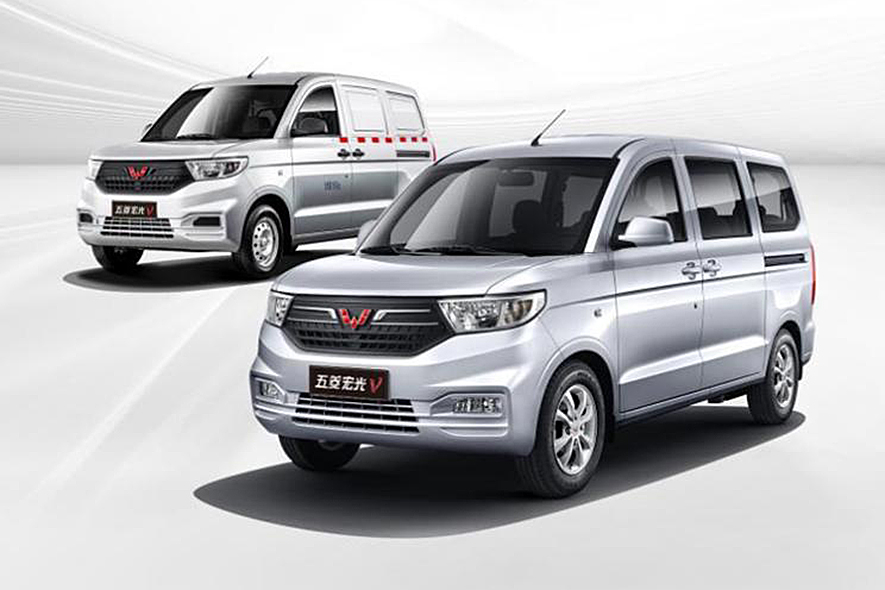
At a glance
- The Hongguang S3 is a compact, multi-row gasoline MPV suited to family, shuttle, and light staff-transport duties.
- The relevant range includes 1.5L and 1.5T engines with manual transmissions across Standard, Comfort, and Luxury trims.
- China V and China VI describe Chinese emissions generations; they do not by themselves establish destination-market approval.
- Used units demand VIN, history, mechanical, and corrosion checks, while a new unit should justify its price through condition consistency and warranty.
- Export pricing and minimum quantities are unit- and transaction-specific, so buyers should compare written quotations on the same Incoterm and destination.
- Steering side, homologation, freight method, parts support, and landed charges must be settled before placing a binding order.
Why the Wuling Hongguang S3 matters for export markets
The Hongguang S3 occupies a middle ground between a family car and a compact people carrier. Global demand for its multi-row MPV format is linked to markets where dealers need passenger flexibility beyond a sedan but not the size or commercial carrying capacity of a van. It suits importers, airport and hotel shuttles, and staff-transport fleets. Its appeal is strongest where fuel economy, straightforward manual operation, easy access, and a modest footprint matter more than premium cabin refinement or sporty driving. The format balances passenger utility with manageable road presence.
Demand for this kind of vehicle is driven less by fashion than by operating economics. A multi-row passenger car can serve family groups, hotel transfers, and employee transport while presenting a lower-complexity alternative to diesel vans. For dealers, the S3 creates a clearer use case than an SUV: prioritize row access, cabin flexibility, luggage solutions, and total running cost before styling or acceleration. The result is a model that can be sold on practical utility, provided the importer confirms local rules, road coverage, and the availability of parts and servicing.
The buying case still depends on destination-market fit. Wuling vehicles are best evaluated where local buyers understand Chinese marques, workshop networks can support them, and the importer can manage parts, emissions, and insurance requirements without conversion. Buyers should not assume that a China-market Hongguang S3 is road-ready elsewhere. Steering configuration, registration rules, fuel labeling, tax treatment, and serviceability should be settled before committing to a shipment. A live unit can still be the right choice when the importer has already built the compliance and aftersales pathway needed for that model.
- Compact MPV for passenger-led use.
- Manual gasoline options simplify operations.
- Compliance and service support decide fit.
Model range, trims and powertrain variants: how the lineup is structured and how to choose
The S3 is an internal-combustion vehicle, not a battery-electric model, so range and charging figures do not apply. The export-relevant engine choices are 1.5L and 1.5T units paired with a manual transmission in the named variants. This gives buyers a decision axis: naturally aspirated capacity for use or the higher-output 1.5T option where performance and load carry more weight. The live listing remains the source for exact engine code, output, drivetrain, gearbox ratios, fuel consumption, dimensions, and option equipment, because specifications can differ across production runs and local markets.
Within each engine family, the lineup uses Standard, Comfort, and Luxury designations. Those names indicate a hierarchy, but they do not replace an equipment sheet: seating materials, infotainment, safety aids, climate control, and convenience equipment should be checked against the vehicle. A trim name can appear under China V and China VI descriptions, so buyers should compare the listing rather than rely on a badge description. China V and China VI are Chinese emissions-generation references, not destination-market approvals; they identify the vehicle, but do not replace approval or tax analysis.
Selection should begin with operating conditions, not the most luxurious badge. Fleets with frequent stops, steep roads, heavy passenger loads, or hot climates should compare the 1.5T against the 1.5L using verified output, consumption, service intervals, and local fuel availability. Daily private use may favor the simpler 1.5L where operating cost is the priority. Because the marketplace changes, the live listing—not a remembered trim chart—must confirm the engine, gearbox, condition, and included options. A sensible shortlist also identifies which documents and services the importer can verify locally before choosing.
- Engines: 1.5L and 1.5T.
- Named variants use manual gearboxes.
- Compare trims by equipment sheet.
- China V/VI identify emissions generation.
New vs used Wuling Hongguang S3: how export inventory is structured and how buyers choose
For export buyers, the Wuling Hongguang S3 is commonly evaluated as a used vehicle because it is an established China-market model rather than a current electric launch. That does not make used stock automatically cheaper or riskier; it changes the inspection process. A buyer should read the model year, exact trim, engine, emissions reference, mileage, ownership status, condition, and seller disclosures on each live unit before comparing options. New supply, when offered through a local distributor or parallel-import channel, should be evaluated separately for warranty, consistency, and delivery lead time.
For a used S3, condition should be read tier by tier. Start with the VIN and registration documents, then verify ownership history, accident or flood evidence, odometer consistency, engine and gearbox operation, chassis corrosion, suspension, brakes, tires, glass, lighting, air conditioning, and service records. Photograph sets are useful, but a pre-shipment inspection is more valuable because listings cannot show fluid leaks, hot-start faults, gearbox wear, or repairs beneath the paint. For an S3 used as a people carrier, test doors, tailgate access, seat rails, restraints, cabin ventilation, and cargo flexibility.
New and used units serve different procurement priorities. A genuinely new vehicle may offer more predictable condition, warranty support, and easier fleet specification; a used vehicle can offer better value when the buyer accepts depreciation and conducts stronger due diligence. The right choice depends on the mission and holding period. Confirm whether the seller is authorized, whether the unit is new or used, and whether any warranty is valid in the destination rather than relying on labels such as “standard,” “comfort,” or “luxury.” The signed sale record should resolve those points.
- Used purchases prioritize inspection.
- New purchases prioritize warranty.
- Verify status in the sale record.
How export pricing works: the factors behind a live listing price, and how to read one
A Hongguang S3 export price is not determined by the model name alone. The live quote begins with a unit-specific combination of production year, Standard, Comfort or Luxury trim, 1.5L or 1.5T engine, China V or VI reference, mileage, ownership, condition, defects, and included equipment. A vehicle can move for different reasons: age, service history, cosmetic work, or mechanical condition may matter as much as the trim hierarchy. Exchange rates affect a foreign-currency quote, while freight, insurance, Incoterms, taxes, and destination charges can change the amount a buyer ultimately budgets.
Read a listing as a starting point, not a landed-cost statement. Separate the vehicle price from freight, marine insurance, export documentation, origin handling, destination terminal charges, customs duties, taxes, registration, inland delivery, and financing. Check which Incoterm is used, where responsibility transfers, and whether the displayed amount covers one vehicle or a consolidated shipment. The same unit may produce different totals on different delivery terms or ports. Because exchange rates, fuel surcharges, congestion, and customs treatment can change, obtain a dated written quote tied to the selected VIN or SKU.
Price comparison should therefore use like-for-like units and the same commercial boundary. Compare the same engine, trim, emissions reference, year, and condition; then add the same freight method, destination charges, tax assumptions, payment terms, and inspection requirements. Ask whether the seller will hold the unit at the quoted terms and what event invalidates it. Current binding figures are shown on the live Hongguang S3 inventory, so use the listing price as the starting point and a written quotation as the commitment. Avoid comparing headline figures that use different scopes or omissions.
- Compare like-for-like specifications.
- Separate price from landed charges.
- Use dated, unit-specific quotations.
MOQ, ordering and payment: single units vs consolidating a container
Minimum order quantity is a seller and transaction rule, not a fixed attribute of the Hongguang S3 model. A dealer may accept one vehicle for a test order or fleet pilot, while a container-consolidation offer may require several units. Buyers should ask whether the quantity applies to the particular vehicle, the trim, or the freight booking, and whether a single-unit buyer can share a container. The relevant answer is the one attached to the live offer and confirmed in the purchase contract. Treat verbal assurances as preliminary until confirmed in writing.
Wholesale consolidation of several S3 units can improve freight planning and may reduce duplicated fixed charges per vehicle, but it is not the cheapest route. Each vehicle adds capital exposure, inspection workload, storage needs, and the risk that one damaged or non-compliant unit delays the group. Loading plans also depend on verified dimensions and securing requirements. For a small importer, one chosen unit may offer more control than filling a container before destination demand is proven. A shared service can improve unit economics without forcing the same commitment level as a full purchase.
The order should move through commercial gates. Select a unit, agree quantity and price, confirm the Incoterm and payment schedule, place the agreed deposit, complete inspection and document checks, pay the balance under the conditions, and authorize release for shipment. The contract should identify the vehicle or SKU, serial or VIN where applicable, condition report, included accessories, delivery boundary, inspection rights, refund triggers, and insurance responsibilities. Currency choice and bank fees should be stated as well. Never rely on a bank-transfer screenshot as proof that ownership documents have been released.
- Confirm quantity for each offer.
- Compare single and consolidated freight.
- Contract for inspection and release.
Shipping, homologation and market compliance caveats: LHD/RHD and import rules by country
Steering configuration is a destination check. The China-market vehicles represented by these listings are typically left-hand-drive, so a right-hand-drive buyer should not assume local availability. A conversion may involve relocating or replacing steering components, adapting controls and wiring, and obtaining required inspection approval. It can affect safety, warranty, insurance, and residual value. For markets with established RHD supply, comparing an approved RHD alternative may be more practical than converting after shipment. The decision should be made with a local conversion specialist and the authority, not solely on estimated conversion cost.
Homologation is separate from possession of the vehicle. A buyer should confirm VIN documentation, customs classification, emissions compliance, roadworthiness requirements, registration, insurance, and local standards for safety equipment or modifications. Used imports may face age limits, inspection rules, or different tax treatment, while China V and China VI references do not automatically satisfy destination requirements. Rules vary by country and can change, so the importer should obtain confirmation from a customs broker or local authority in writing before the vehicle is released. Record approvals and parties in the import plan.
Shipping method affects cost, timing, and risk. Depending on verified dimensions and availability, an importer can compare containerized, roll-on/roll-off, or consolidated freight with a carrier. The quote should include origin handling, terminal charges, sea or inland legs, insurance, documentation, destination fees, and last-mile delivery. Vehicles can be delayed by inspection, port congestion, customs queries, damage, or documentation discrepancies. Photograph and inspect the S3 at handover, record container or vessel details, and use marine cargo cover. A named freight contact and realistic delivery window are as important as the freight rate.
- Confirm steering side early.
- Treat homologation as a separate gate.
- Price freight charge by charge.
Who should buy the Hongguang S3 — and who should pick a different vehicle
The Hongguang S3 is a candidate for buyers who need a people-centered vehicle at a practical operating cost. It fits family importers, community transport operators, hotel and airport shuttle businesses, and fleets moving staff over urban roads where a compact footprint is easier to manage than a large van. The manual 1.5L can suit straightforward duties, while the 1.5T merits consideration where load, grades, or operating frequency justify the additional mechanical complexity. Equipment should then be matched to passenger comfort and regulations. A local service plan should be in place.
It is less suitable for buyers whose core requirement is a battery-electric vehicle, extensive off-road capability, heavy cargo, or a premium driving experience. There is no battery range or charging package to evaluate, and the fuel MPV layout will not replace a true utility van when payload volume is the priority. It may also be a poor choice for RHD markets if no approved vehicle or acceptable conversion path exists. In those cases, an electric MPV, a purpose-built van, or a locally supported SUV will usually reduce operational friction materially.
The decision should be based on total cost over the intended holding period, not purchase price alone. Add registration, taxes, insurance, freight, pre-delivery work, fuel, scheduled maintenance, tires, downtime, and likely parts availability. A manual vehicle may be straightforward for a local workshop familiar with it, but an unsupported model can still create hidden ownership costs. Before ordering, run a three-way check against an electric MPV, a locally supported combustion MPV, and a van, using the same passenger, route, and regulatory requirements. Document the assumptions so quotes remain directly comparable.
- Strong fit for passenger transport.
- Weak fit for EV or cargo briefs.
- Assess full holding-period economics.
Main rivals and how the Hongguang S3 compares
The closest alternatives divide into Chinese compact-MPV value models and globally familiar people carriers. For an importer already familiar with Wuling, the Baojun 730 is a natural comparison because it occupies a similar practical MPV segment. The JAC Refine M5 is another China-market alternative with a different design and equipment emphasis. The Suzuki Ertiga, sold under the Maruti Suzuki brand in some markets, is the internationally established benchmark. No rival wins automatically; local taxes, parts, homologation, and buyer recognition often decide the outcome. Compare delivered operating scenarios, not brochure positioning.
Against the Baojun 730, the S3 is often a closer choice for buyers already comfortable with the Wuling brand and its dealer or parts ecosystem. The comparison should center on the exact engine and manual configuration, passenger accommodation, safety equipment, aftersales coverage, and the cost of registering and maintaining each model in the destination. The JAC Refine M5 may appeal where its styling, packaging, or local parts network is preferable. Neither relationship is a blanket recommendation: obtain comparable vehicles, inspect them, and build a like-for-like cost model before placing funds.
The Suzuki Ertiga has the advantage of greater international name recognition and, in some markets, a broader established service network. It can therefore be more reassuring to private buyers or fleets that value resale and local familiarity. The Hongguang S3 can offer a China-direct sourcing route, a manual gasoline range, and distinct trim choices, but those benefits should be weighed against destination support. Where the Ertiga is locally approved and competitively delivered, it may be simpler; where Wuling support is stronger, the S3 may be the more practical export choice.
- Baojun 730: closest domestic comparison.
- JAC Refine M5: China-market alternative.
- Suzuki Ertiga: familiar in some markets.
Live Wuling Hongguang S3 export inventory
View all listings →Real units currently on ChinaCarDirect with per-unit asking prices and MOQ. Availability updates live from the catalogue.
Used Wuling Hongguang S3 2018 1.5L Manual Luxury Model China V Standard
Used Wuling Hongguang S3 2018 1.5L Manual Comfort Model China V Standard
Used Wuling Hongguang S3 2018 1.5L Manual Luxury Model China V Standard
Used Wuling Hongguang S3 2018 1.5L Manual Standard Version China V Standard
How to buy a Wuling Hongguang S3 from China
-
1
Define the destination-market brief
Confirm the destination, steering side, passenger requirements, routes, tax treatment, and aftersales coverage. Separate private-import needs from fleet or shuttle operating priorities.
-
2
Shortlist live China inventory
Search the live Hongguang S3 listings and compare like-for-like 1.5L or 1.5T manual vehicles. Review the complete trim, emissions reference, condition, documents, and included equipment for each candidate.
-
3
Verify the unit identity
Match the listing name, VIN, engine, gearbox, production year, and trim before discussing commercial terms. Ask for ownership, registration, mileage, service, and defect disclosures.
-
4
Request a comparable landed quotation
Specify the destination, Incoterm, quantity, freight method, and required services. Ask for a dated quote that separates the vehicle price from freight, insurance, taxes, and destination charges.
-
5
Arrange an independent inspection
Have a qualified inspector review the VIN, cold start, engine, gearbox, chassis, brakes, tires, air conditioning, restraints, and passenger-area condition. Record every defect and required correction in the sale record.
-
6
Confirm compliance and payment terms
Obtain written confirmation on registration, emissions, customs classification, insurance, and any conversion requirements. State the deposit, balance, document release, inspection rights, and refund conditions in the contract.
-
7
Choose single-unit or wholesale freight
Compare direct, shared-consolidation, container, and roll-on/roll-off options for the verified dimensions. Photograph the vehicle at handover, secure marine cargo cover, and track the agreed delivery milestones.
Hongguang S3 vs rivals
| Baojun 730 | A close Chinese compact-MPV value competitor. The S3 may be more attractive to buyers already familiar with Wuling; compare actual engine, equipment, parts support, and homologated delivery rather than assuming a brand advantage. |
|---|---|
| JAC Refine M5 | Another China-market MPV competing for budget passengers and fleet use. Its design and equipment mix can appeal differently, so compare current local support, registration requirements, and total operating cost. |
| Suzuki Ertiga | A more globally recognized compact people carrier and often a simpler RHD-market choice where officially sold. The S3's China-direct sourcing and 1.5L or 1.5T manual range are advantages only if local parts and compliance support are in place. |
Frequently asked questions
How is the Wuling Hongguang S3 export price determined?
A live quote reflects the selected vehicle's year, trim, engine, emissions reference, mileage, condition, ownership history, and available equipment. Exchange rates, freight, insurance, Incoterms, taxes, and destination charges can further change the total cost. Current binding per-unit figures appear in the live Hongguang S3 listings, while a dated written quote should confirm the commercial scope.
What engine and powertrain options are available?
The Hongguang S3 is a gasoline internal-combustion vehicle, not an EV, so battery capacity and electric range do not apply. Export variants represented by the model use 1.5L or 1.5T engines with a manual transmission across Standard, Comfort, and Luxury trims. Verify the exact output, gearbox details, consumption, and dimensions on the selected live listing.
Is a used Wuling Hongguang S3 better than a new one?
A used vehicle can offer stronger value when the buyer accepts depreciation and completes a rigorous VIN, history, mechanical, and corrosion inspection. A genuinely new unit can provide more consistent condition and clearer warranty support. The better choice depends on the fleet mission, holding period, local service network, and the unit-specific purchase terms.
What is the minimum order quantity for the Hongguang S3?
There is no model-wide quantity that applies to every seller or shipment. A dealer may accept a single unit for a pilot order, while a container-consolidation offer may require several vehicles or participation in a shared load. Confirm the quantity for the selected live offer and include it in the purchase and freight contracts.
What determines Wuling Hongguang S3 shipping time and cost?
Freight time and cost depend on the origin terminal, loading method, vessel or inland schedule, destination port, congestion, customs procedures, insurance, and last-mile delivery. Verified dimensions also determine suitable loading options. Request a charge-by-charge quotation using the same Incoterm for every vehicle being compared.
How easy is it to obtain spare parts for the Hongguang S3?
Parts support depends on the destination, the age and specification of the vehicle, and the local Wuling workshop network. Before ordering, confirm availability for the engine, manual transmission, brake, suspension, electrical, air-conditioning, and high-wear items that may require early replacement. Use the exact vehicle and engine code when requesting parts.
Is a right-hand-drive Hongguang S3 available?
China-market Hongguang S3 vehicles are typically left-hand-drive, so right-hand-drive availability should not be assumed in any market. A lawful conversion may be possible, but it can affect inspection approval, safety, warranty, insurance, and resale value. Compare an officially approved RHD alternative with the cost and compliance of conversion.
How do I buy a Wuling Hongguang S3 from China?
Shortlist comparable vehicles in the live listings, verify their specifications and documents, and request a written quotation for your destination and required quantity. Complete an independent inspection and agree the Incoterm, payment schedule, document release, and freight plan in the contract. Pay the balance only against the stated inspection and documentation conditions, then track the shipment through a named freight contact.
Ready to source the Wuling Hongguang S3?
Request a current Wuling Hongguang S3 quote with your destination, quantity, preferred trim, and required inspection terms.
Request a quote