
Wuling Nammiev Export Buying Guide for Dealers
Compare trims, live pricing, MOQ, shipping and compliance before buying a Wuling Nammiev from China for urban resale or fleet use in overseas markets.
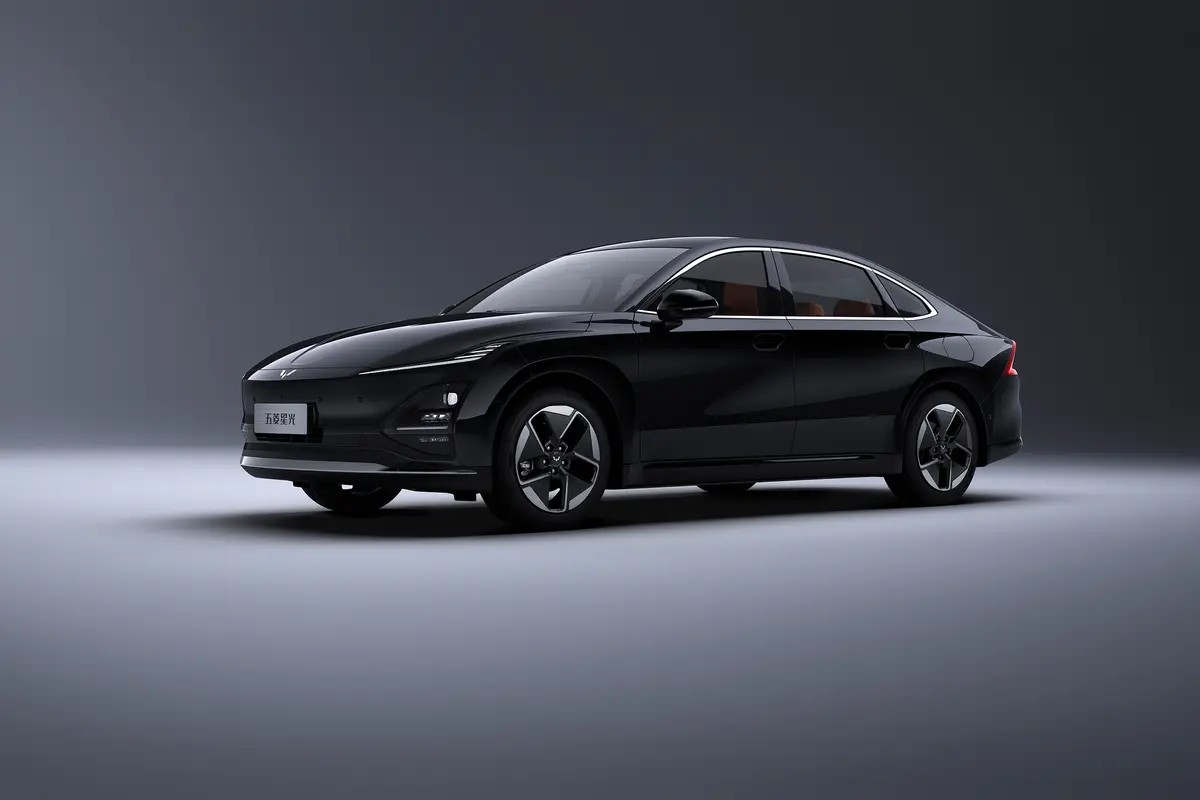
At a glance
- A compact battery-electric city car designed for short urban trips and light fleet duties.
- The export naming covers Play Edition, Playful Model – High-Power Version, and Passion Edition.
- Range, battery, motor and charging figures must be verified on the selected live listing.
- Used Nammiev purchases require battery-health, repair-history and roadworthiness checks.
- Export pricing changes with trim, condition, freight, Incoterms, duties and exchange rates.
- Local type approval, charging access and import rules determine real-world deployability.
Why the Wuling Nammiev matters for export markets
The Wuling Nammiev matters in export markets because it targets a practical gap: small, battery-electric passenger vehicles for cities where space, energy use and acquisition cost matter more than long-distance capability. Its compact city-car format suits short commutes, hotel and campus shuttles, local delivery fleets and rental programmes. For overseas dealers, the proposition is not simply “small”; it is a vehicle category that can serve dense urban customers while avoiding the bulk of a conventional sedan. It also gives fleet buyers a clearer way to evaluate charging access, payload and route length before expanding beyond pilots.
Global demand for this segment is strongest where urban congestion, short travel distances and growing charging access overlap. The Nammiev can be relevant in Latin American city centres, South and Southeast Asian urban routes, Middle Eastern tourist and delivery operations, and island markets, although local rules and charging habits differ. The correct export question is not whether the model is popular everywhere, but whether its operating envelope matches a specific city’s route profile, parking constraints and electricity supply. Buyers should validate these assumptions with local fleet data before committing to a meaningful test programme.
The model’s export appeal also comes from Wuling’s established position in China’s compact electric-vehicle ecosystem. That background is relevant to sourcing, spare-parts planning and the availability of multiple trim labels, but it does not guarantee overseas readiness. Importers still need to verify documentation, service support, parts access and type approval. In practical terms, the Nammiev works best as the first stage of a controlled market entry: select the right configuration, prove availability of charging and parts, then scale only after operating feedback. Avoid scaling on assumptions.
- Best fit: dense urban and light fleets.
- Check charging, parts and approval.
- Pilot before scaling.
Model range, trims and powertrain variants: how the lineup is structured and how to choose
The export Nammiev range is organized around three named versions: Play Edition, Playful Model – High-Power Version, and Passion Edition. As a battery-electric model, its meaningful choices are motor output, battery version, rated range, charging equipment and included options. The names identify the vehicle being quoted, but they are not a substitute for a specification sheet. The high-power designation points to the performance-oriented version in the lineup, while Play and Passion reflect different positioning. For a Wuling Nammiev export decision, ask the seller to map the exact trim to those technical items before comparing price, range claims or suitability with another model.
When comparing Wuling Nammiev specs, separate manufacturer figures from test-cycle figures and real-world expectations. A CLTC range quoted for China is not directly interchangeable with WLTP or EPA/SAE numbers, and urban traffic, climate, load, tyre choice and driving style can change the result substantially. Ask for the applicable cycle, battery capacity, usable capacity, motor rating, DC charging capability and curb weight. If a listing omits these fields, treat the configuration as unverified rather than extrapolating from another trim. The same rule applies to charging time, payload and available cargo volume before final approval.
Choice should follow duty cycle rather than trim prestige. Play Edition may suit buyers focused on straightforward urban mobility, while the Playful Model – High-Power Version merits review where acceleration, gradients or fully loaded trips raise the value of stronger motor performance. Passion Edition should be evaluated for the equipment and styling that matter to the target customer, not because its label guarantees more range. Confirm air conditioning, cabin heating, charging cables, infotainment, safety equipment and warranty terms before selecting a version. Also check whether the local service network can support each specification.
- Map every trim to a specification sheet.
- Compare range cycles and charging methods.
- Choose around routes, load and support.
New vs used Wuling Nammiev: how export inventory is structured and how buyers choose
A used Wuling Nammiev can make sense for buyers seeking a lower-entry test vehicle, a small rental fleet or a replacement in a mature urban market. New inventory, where available, offers the advantage of documented delivery condition, complete warranty coverage and a known specification, while used units may offer broader trim choice or lower acquisition cost. Neither status is automatically better: the correct comparison combines purchase price, expected battery life, repair history and the cost of putting the vehicle into compliant service before it begins carrying depreciation and operating costs in the destination market.
For a used Wuling Nammiev, the battery is the central technical due-diligence item, but it should not be assessed in isolation. Request the VIN, manufacturing date, mileage, battery state-of-health report, charging history if available, and confirmation of AC and DC charging function. Inspect for accident repair, flood exposure, replaced cells, warning lights, uneven tyre wear and degraded suspension. Also verify service records, recalls, title or ownership documents, and whether the odometer reading is credible and supported by maintenance evidence. A qualified local inspector should be allowed to test every shortlisted unit.
Buyers choosing a new unit should still perform a pre-shipment inspection and confirm the production date, paint condition, panel gaps, tyre date codes, software region, charger inclusion and destination-market specification. A new designation can also obscure factory status, such as an export display or a unit held in logistics. Clarify whether the warranty starts at production, shipment or delivery, whether it is transferable, and which components and labour are covered. For used purchases, price the likely transfer of warranty separately, and ask who remains responsible for a pre-delivery fault detected abroad.
- Used: inspect battery and repair history.
- New: verify status and warranty start.
- Both: require a pre-shipment report.
How export pricing works: the factors behind a live listing price, and how to read one
A Wuling Nammiev export price guide should explain variable inputs rather than publish a number that may quickly become obsolete. The unit price normally reflects model year, trim, battery and motor version, mileage, condition, battery health, options, colour, and the seller’s margin. For a used vehicle, repair history and remaining battery life can move value materially. Exchange rates also matter because the vehicle cost is calculated in China before local freight, insurance, duties and taxes are added to the landed total. The same vehicle can therefore show different totals under different Incoterms and destinations.
When reading a live ChinaCarDirect listing, separate the vehicle amount from the landed-cost calculation. Check the displayed currency, whether the seller’s quote includes export documentation, inland transport, marine insurance or only the vehicle, and the stated Incoterm. Then confirm whether destination charges, customs duty, VAT or sales tax, port fees, and last-mile delivery are excluded. A live listing is the source for the current per-unit price and terms; a buyer should save the listing, request a written quote, and verify that it remains valid before transferring funds through the agreed payment channel.
The best comparison is like-for-like: same trim, model year, battery specification, mileage band, condition grade, option list and Incoterm. Do not compare a high-power clean unit with a basic unit merely because both appear in the same search. Ask whether the seller accepts a quantity-dependent quote for Wuling Nammiev wholesale purchasing, but calculate the savings against consolidation, inspection, storage and financing costs. Taxes are normally the importer’s responsibility under the chosen delivery term, so budget them separately rather than assuming the displayed listing price is the amount payable on arrival at destination.
- Compare like-for-like vehicles and Incoterms.
- Add freight, insurance, duties and tax.
- Use the live listing and written quote.
MOQ, ordering and payment: single units vs consolidating a container
MOQ should be read at the listing and quotation level, not inferred from the model or the fact that electric city cars are often ordered in batches. Some sellers may release one unit; others may set a batch requirement for a particular trim, condition grade or production run. ChinaCarDirect displays the applicable terms on the live inventory, so confirm the minimum for the selected unit rather than assuming a catalogue-wide figure. Also ask whether mixed trims or mixed conditions can satisfy that minimum under one order, and who confirms it in writing.
Single-unit purchasing suits market testing, a replacement vehicle, a small rental pilot, or a dealer wanting one demonstrable example before committing to volume. Consolidation suits a planned launch where several units share the same trim, colour and destination specification, because freight and handling can be shared. However, consolidation reduces flexibility: one damaged vehicle, missing document or mismatched unit can hold the group. Agree the allocation rule, inspection standard, payment schedule and responsibility for customs discrepancies before paying a balance. For mixed configurations, ask the seller or consolidator to document every VIN and option.
Payment terms should mirror control of the vehicle and its documents. A typical written sequence is an agreed deposit, inspection or production confirmation, balance against inspection or shipment evidence, then release against the agreed transport document; the exact sequence must be negotiated rather than assumed. Use a documented payment method that identifies the buyer, seller and invoice. Require a pro forma invoice and sales contract listing the VIN, trim, options, condition, Incoterm, delivery scope and remedy for non-conformity, and verify that the beneficiary matches the contracting entity before sending any funds.
- Confirm MOQ on each live listing.
- Set VIN allocation for mixed batches.
- Link payment milestones to inspection.
Shipping, homologation and market compliance caveats: LHD/RHD and import rules by country
Shipping a Wuling Nammiev begins with destination approval, not vehicle selection alone. Confirm whether the receiving market accepts the exact model year, powertrain, safety configuration and steering position, and whether the importer holds the required type approval or can obtain it. A Chinese-market vehicle may not automatically satisfy local rules on safety, battery, radio, software or vehicle identification. Commission a customs broker or local compliance specialist to classify the vehicle before committing funds, and keep written import, duty and conformity requirements in the transaction file before the vehicle leaves the supplier.
LHD and RHD availability must be confirmed for every unit rather than inferred from the brand, port or photographs. Check steering-wheel side, accelerator position, indicator function, wiper arrangement, charging-port access, camera displays and the language of manuals and infotainment. Destination rules vary: some specify one steering side, while others permit either side but require local alteration. A steering conversion is not a substitute for homologation and can affect safety, warranty and parts availability, so seek an approved conversion only when local rules and an engineer support it before the vehicle enters commercial service in that market.
Electric cargo creates specific logistics and compliance considerations. The traction battery may require dangerous-goods documentation, approved packaging, UN 38.3 evidence and a carrier permitted to handle the declared goods. Compare container, roll-on/roll-off and consolidated options through a specialist EV freight forwarder, including securing points, charging during storage, weather protection and port handling. Insurance, customs valuation, duties, VAT, demurrage and delivery charges can vary materially by route and Incoterm, so request an all-in landed estimate with exclusions clearly stated. Shipping time and cost should therefore be quoted for the exact origin, destination and service level.
- Confirm steering side and type approval.
- Use an EV-capable, documented carrier.
- Separate freight, insurance, duties and tax.
Who should buy the Nammiev — and who should pick a different vehicle
The Nammiev is a strong candidate for urban dealers, short-distance ride operators, hotel and campus transport, local government or business fleets, and rental programmes where compact dimensions and electric running costs are central to the business case. It can also serve as an affordable entry point for a distributor establishing an EV service and charging network. The strongest case is a repeatable route pattern, predictable daily mileage, reliable charging access and a maintenance partner able to support a small electric fleet. A controlled pilot should test utilisation, energy consumption and downtime.
Other buyers should look elsewhere when routes regularly exceed the verified usable range, vehicles must carry heavy loads, operate on rough roads, or provide highway comfort at speed. It may be unsuitable where charging is unreliable, electricity is costly, cold-weather operation is critical without verified battery heating, or local technical support is too limited to diagnose an EV fault. Families needing a larger boot, more passenger room, a stronger warranty network, towing capacity or proven residual value should compare a larger hatchback, estate or compact SUV instead for their duty cycle.
The business case should include more than the vehicle acquisition quote. Work out charger installation, electricity tariffs, insurance, tyres, routine servicing, software support, depreciation and the likely cost of battery or high-voltage repairs outside warranty. Review actual route energy consumption rather than relying on a laboratory range, and test whether the small car’s payload and cargo space suit every shift. For a used unit, subtract expected refurbishment and battery-related risk; for a new unit, examine what warranty support is actually available in the destination country before scaling the fleet. Include realistic estimates for downtime.
Main rivals and how the Nammiev compares
Three useful benchmarks for the Wuling Nammiev are the Dongfeng Box, Leapmotor T03 and Fiat 500e, although their local specifications and commercial terms differ. The Box is the closest value-oriented Chinese hatchback alternative for urban importers that need a similar compact footprint and a broader equipment comparison. The T03 is relevant when a buyer wants to evaluate another Chinese small-EV platform, local service expectations and a different range-versus-cost balance. The 500e serves as a higher-brand-positioned reference for design, driving refinement, after-sales credibility and importer support.
Against the Dongfeng Box, the Nammiev’s attraction is its clearly presented Wuling trim family and position as a compact city car; the Box may offer a broader equipment or homologation story in markets where it is established. Against the Leapmotor T03, buyers should compare verified usable range, motor response, cabin space, charging provisions and the depth of authorised support rather than assuming similar pricing. Against the Fiat 500e, the Nammiev may win on acquisition accessibility in suitable markets, while the Fiat can carry stronger brand recognition, safety expectations and resale credibility.
The right comparison is a scored worksheet rather than a headline price list. Weight usable range on the buyer’s actual route, battery warranty, charging access, safety equipment, payload, service coverage, parts lead time, homologation status, software language and expected resale demand. Then add the total cost of ownership and the risk of holding a model with limited local familiarity. A Nammiev that scores well on route fit, support and total cost may be the better commercial choice even where a rival has a longer published range. Validate the final choice against local operating data.
Live Wuling Nammiev export inventory
View all listings →Real units currently on ChinaCarDirect with per-unit asking prices and MOQ. Availability updates live from the catalogue.
How to buy a Wuling Nammiev from China
-
1
Define the operating case
Map daily routes, payload, charging access, climate and local compliance requirements. Use actual fleet mileage to set the usable-range and battery-size requirement.
-
2
Shortlist the appropriate trim
Review live Wuling Nammiev inventory and compare Play, Playful High-Power and Passion configurations. Request the unit-specific motor, battery, range-cycle and charging details.
-
3
Verify the individual vehicle
For a used unit, review the VIN, mileage, battery-health report, charging tests, repair history, ownership documents and recall status. Complete a pre-shipment inspection.
-
4
Request a written quotation
Ask for the vehicle price, MOQ, currency, Incoterm, payment schedule, documentation scope and quote validity. Keep freight, insurance, duties, taxes and last-mile delivery clearly separated unless expressly included.
-
5
Pre-clear compliance and customs
Have a local specialist confirm import eligibility, type approval, steering-side requirements, HS classification and destination charges. Resolve battery transport and charging-standard requirements in writing.
-
6
Inspect and release payment
Tie the deposit and balance to agreed production, inspection or shipment milestones. Match the beneficiary to the contract and retain inspection, VIN and invoice records.
-
7
Book compliant EV transport
Compare container, roll-on/roll-off and consolidated handling through an EV-capable forwarder. Secure the vehicle, battery documentation, insurance, customs clearance and final delivery responsibilities.
Nammiev vs rivals
| Dongfeng Box | The Dongfeng Box is the closest value-oriented Chinese hatchback benchmark for urban importers, but its local equipment and homologation package can differ. Choose it when its wider equipment set or established local support is more important than the Nammiev’s trim positioning. |
|---|---|
| Leapmotor T03 | The Leapmotor T03 is another small Chinese BEV worth evaluating for route suitability, motor response and service coverage. It may suit buyers seeking a different balance of usable range, cabin space and operating cost. |
| Fiat 500e | The Fiat 500e offers a higher-brand-positioned benchmark for design, driving refinement, safety perceptions and resale credibility. It may suit buyers prioritising brand assurance and after-sales strength over the Nammiev’s acquisition-focused proposition. |
Frequently asked questions
How is Wuling Nammiev export pricing determined?
A live Wuling Nammiev export price reflects trim, model year, battery or motor version, mileage, condition, options, seller terms and currency movements; freight and other services depend on the Incoterm. Compare like-for-like units and keep duties, tax, insurance and port charges outside the vehicle amount unless expressly included. Current per-unit prices are shown in live listings, while a written quote should confirm the binding terms.
What powertrain and range specifications should I check?
The Nammiev is a battery-electric city car, and the export naming includes Play Edition, Playful Model – High-Power Version and Passion Edition. Trim labels alone do not establish usable range or charging performance. Ask for motor output, battery capacity and condition, applicable range cycle, charging connector, and AC/DC capability on the exact unit.
Is a used Wuling Nammiev better than a new one?
A new unit generally gives clearer warranty and condition history; a used unit can reduce acquisition cost but adds battery condition and repair risk. The better choice depends on route fit, service support and the buyer’s tolerance for refurbishment. Current unit availability is shown in live listings, so confirm the exact vehicle rather than relying on a fixed market summary.
What is the MOQ for a Wuling Nammiev wholesale order?
MOQ is set by the listing, seller, trim and purchasing configuration, so it can differ between offers. Check the MOQ field on the selected live listing and ask for written confirmation before ordering. A single-unit test and a multi-vehicle consolidation may therefore have different terms.
How long does shipping take and what does it cost?
Shipping time and cost depend on origin and destination ports, carrier schedule, container or consolidated handling, battery documentation, customs clearance and delivery scope. Battery cargo may require dangerous-goods compliance and an EV-capable carrier. Ask for a route-specific freight quote and landed-cost breakdown.
Can I get spare parts for an imported Wuling Nammiev?
Parts support depends on the seller’s exact trim and the destination’s Wuling service network. Before purchase, request a confirmed parts list, diagrams, software support and a realistic lead-time estimate for common wear items and high-voltage components. ChinaCarDirect can help with a specific RFQ, but it does not replace local warranty and repair capability.
Is a right-hand-drive Wuling Nammiev available?
RHD availability depends on the individual unit, trim and export configuration, and some destinations require a particular side. Check the steering-wheel side and supporting documents in the live listing, then ask the seller to confirm it in writing. A conversion is not a substitute for local type approval.
How do I order a Wuling Nammiev from China?
Start with live Wuling Nammiev inventory, shortlist a trim and inspect the unit-specific specification and condition. Request an RFQ that states the VIN, price, MOQ, Incoterm, payment schedule, inspection standard and delivery scope. Complete local compliance review before shipment, use a documented payment method, and release the balance only against the agreed inspection or transport evidence.
Ready to source the Wuling Nammiev?
Request an RFQ for a specific Wuling Nammiev with unit details, MOQ, Incoterm, freight scope and compliance requirements.
Request a quote