
Wuling Rongguang Export Buying Guide for Dealers
Buy Wuling Rongguang from China with guidance on trims, gasoline, CNG and EV options, export pricing, MOQ, compliance, shipping and rival vehicles for buyers.
At a glance
- The Rongguang family spans gasoline, CNG and battery-electric powertrains, with passenger and cargo body formats.
- Body length, seating and intended duty should drive trim selection.
- Used sourcing demands condition, mileage and document checks; EVs add battery-health evidence.
- A listing price is not landed cost after freight, duties and handling.
- Steering configuration and destination-country homologation require early confirmation.
Why the Wuling Rongguang matters for export markets
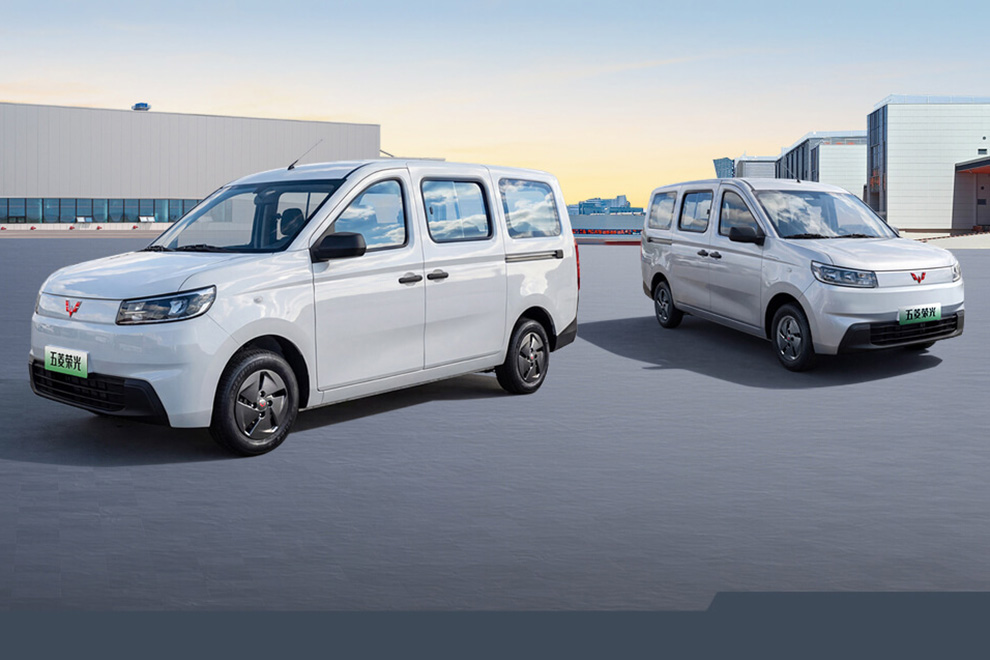
The Wuling Rongguang is a Chinese compact MPV-derived vehicle that also appears in passenger, cargo and enclosed-van formats. Its practical appeal comes from flexible seating and a body that can be specified for work rather than lifestyle use. For overseas dealers, that makes it relevant to budget-conscious shuttle, delivery and light-fleet programmes where acquisition cost, running practicality and ease of sourcing matter more than premium styling or high-performance capability. It is therefore better understood as a versatile utility vehicle than as a luxury people carrier for commercial and family use.
For overseas buyers, the Rongguang matters because it combines several body and powertrain choices under one model name. That breadth lets a distributor source a short-wheelbase passenger van, an extended cargo van or an electric bus variant without changing to an unrelated platform. Its relevance is strongest where operators need economical transport, straightforward loading access and the ability to standardize a fleet. Before treating it as a global bestseller, however, buyers should properly verify local repair capability, spare-parts access, roadworthiness rules and expected resale demand in the destination country.
The commercial logic is straightforward, but the buying decision is not. A low purchase price can be undermined by fuel cost, parts delays, downtime or difficult registration. Conversely, a basic trim may suit a shuttle operator better than a higher-specification version because it reduces repair complexity and keeps fleet standardization. The best export candidate is the Rongguang configuration whose body, fuel system, emissions standard and service requirements already make sense locally. That framework turns the model’s flexibility into a procurement advantage rather than a reason to accept an unsuitable specification.
- Compact utility bodies suit shuttle and cargo duties.
- Gasoline, CNG and electric variants suit different fleets.
- Parts support and resale demand require local checks.
Model range, trims and powertrain variants: how the lineup is structured and how to choose
The Rongguang lineup is broad rather than tightly standardized across export listings. Combustion-powered examples use 1.2-litre or 1.5-litre gasoline engines, while a 1.2-litre CNG version also exists. Bodies may be standard or extended, while two-seat enclosed cargo vehicles, five-seat passenger vans and five- or seven-seat utility versions appear. Manual transmission is represented, and selected trims carry China VI emissions designations. These names describe the source-market family, so buyers should compare the actual vehicle, not assume every Rongguang has identical seating, payload or legal equipment in the target country.
An electric branch is also present. Electric examples are listed as basic passenger buses with a Penghui battery, and one trim designation references 310 km of range. That label narrows the search, but it does not identify battery capacity, motor output, charging architecture or test cycle from the model name alone. An importer should request the battery specification, state-of-health report, charging connector and usable range data for the individual vehicle. Local charging infrastructure and duty treatment for battery-electric vans can clearly influence the commercial case as much as the quoted range.
Choose the powertrain by duty cycle, not by the newest label in the range. Gasoline models generally suit buyers seeking simpler refuelling and established workshop familiarity, while CNG is relevant only where suitable fuel is readily available and the vehicle’s approved system matches local rules. An electric version may suit fixed-route urban work with dependable charging, but it introduces battery-age, charging and residual-value questions. For every option, verify engine or battery identity, gearbox, fuel type, emissions version, seating and VIN-linked documents before comparing vehicles for the proposed destination market and duty cycle.
- Match seat count before selecting cosmetic trim.
- Verify engine, fuel and emissions in vehicle papers.
- Treat the EV range label as a screening clue.
New vs used Wuling Rongguang: how export inventory is structured and how buyers choose
Export supply for the Rongguang is structured around used vehicles from several model years and trim combinations, including passenger, cargo, enclosed-van, CNG and electric examples. This reflects a practical secondary market: buyers can obtain a familiar vehicle without waiting for a new-production allocation, but each unit must be assessed individually. New inventory, when available, serves a different need because it offers more consistent condition and a clearer manufacturer history. The decisive point is to read the condition field and supporting documents on each listing rather than treating all Rongguang stock as interchangeable.
For a used combustion model, value should be tied to evidence rather than badges. Check odometer records, cold starts, clutch and gearbox operation, engine mounts, steering and suspension play, brakes, tyres, glass and the integrity of the cargo floor or passenger cabin. Extended bodies and converted-looking interiors deserve extra attention because previous commercial use can concentrate damage in loading zones. Ask for service records, repair history, emissions documentation and photographs of the underbody and engine bay. A clean exterior is useful evidence, but not a substitute for inspection by an experienced specialist.
Used electric vans need a different due-diligence path because battery condition is central to economics. Request a dated state-of-health report, charge-cycle information, cell or module diagnostics where available and confirmation of the manufacturer’s stated capacity. Also inspect charging equipment and usage history, tires, suspension and cabin wear, because repair planning should include battery-related components. New units avoid much of this uncertainty, yet the buyer must still verify warranty portability, battery warranty exclusions, destination approval and whether the charger or adapter is properly included in the quoted vehicle and destination package.
- Used petrol vehicles need mileage and wear checks.
- Used EVs require dated battery-health evidence.
- New status never replaces destination-market approval.
How export pricing works: the factors behind a live listing price, and how to read one
A live Rongguang price normally reflects a mix of vehicle-specific and transaction variables. The year, exact trim, engine or electric version, body length, seating, mileage, condition, service history, options and perceived originality all influence a used vehicle’s value. Specification differences can be substantial within the same model name, particularly between a basic two-seat cargo van and a passenger configuration. For a new vehicle, the quotation may also change with production timing, factory options and battery version. Buyers should therefore compare like with like: similar year, body, powertrain, condition and equipment.
The export price is only one layer of acquisition cost. Currency movements affect the Chinese supplier’s cost and any overseas transaction; ocean or roll-on/roll-off freight, insurance, terminal handling, inland transport, export documents and destination duties or taxes add further layers. Incoterms determine where responsibility transfers, so a quote under one delivery basis cannot be compared with another. Clarify whether the amount includes export handling, port charges, documentation and marine insurance. The cheapest vehicle on the screen may not produce the cheapest compliant vehicle at the destination after all charges are included.
Read each live listing as the starting point for a comparable quotation. Confirm the VIN, model year, trim, mileage, fuel or battery type, steering position, seats, cargo body, condition grade and every visible defect. Then request a written quote stating the currency, Incoterm, validity period, payment schedule, documentation scope and known charges. Ask what happens if inspection reveals an undeclared repair or the vehicle cannot meet the destination’s import rules. Current per-unit prices and terms should be taken from live Rongguang listings and the buyer’s RFQ, not historical market summaries.
- Vehicle age and configuration influence used-unit value.
- Freight, duties and handling change landed cost.
- Compare written quotes under the same Incoterm.
MOQ, ordering and payment: single units vs consolidating a container
Minimum order quantity is an order-level term, not a fixed characteristic of the Rongguang model. A marketplace listing may accept a single-unit purchase, while a seller arranging factory allocation, local collection or container consolidation may impose different conditions. Check the MOQ stated on the live unit and reproduce it in the RFQ, because catalogue wording does not guarantee identical terms for every seller or destination. One-unit buying is useful for testing a market or replacing a van; a mixed wholesale fleet order can improve efficiency provided every vehicle meets the same technical standard.
Container consolidation changes risk more than the vehicle. A buyer may combine different Rongguang trims to fill available space, but then must manage mixed colour, condition, age, equipment and documentation within one shipment. Confirm whether the seller consolidates on a buyer’s behalf, who pays consolidation and handling charges, and whether vehicles are protected by an agreed loading plan. Before committing, reconcile the packing list, VINs, keys, documents and condition reports with the final bill of lading. Consolidating mixed units can make damage responsibility or substitution disputes harder to resolve cleanly.
Payment and release stages should follow the transaction’s risk profile. A common structure is a deposit to reserve a vehicle, a balance stage linked to inspection and documents, and a final stage tied to handover or shipment. The sequence is commercial rather than universal, so request it in writing and avoid transferring funds against a stock photograph. The contract should identify the VIN, agreed price and currency, Incoterm, MOQ, inspection standard, document list, cancellation terms and dispute route. Independent inspection and clear ownership documents are especially important for used imports.
Shipping, homologation and market compliance caveats: LHD/RHD and import rules by country
Vehicle dimensions and cargo configuration determine how the Rongguang is shipped. Suitable roll-on/roll-off vessels or container services may be available depending on origin, destination and sailing schedule, while enclosed vans, extended bodies and conversions can change handling requirements. Freight quotations must be based on the selected VIN or measured body, not merely the model name, and should state origin and destination charges, blocking, lashing, insurance and delivery beyond the port. Booking only after configuration approval reduces the risk of paying for a vehicle that cannot be loaded as planned properly.
Steering configuration is an export oversight. Chinese-market examples are commonly left-hand drive, but that does not prove a right-hand-drive version is available or that a conversion will be accepted. Ask the seller for the steering position, VIN, homologation type and any conversion record, and have the destination authority or experienced importer confirm whether LHD, RHD or a particular local standard is required. Converting steering, brakes, lighting or controls can affect safety, parts supply, registration and value; it should never be treated as a routine substitute for a compliant source vehicle.
Import compliance is country-specific and can decide the project before shipping begins. The importer may need to address type approval, emissions and noise rules, safety and lighting standards, customs classification, age or emissions restrictions, insurance, inspection and local registration. Electric versions require checks for battery transport documentation, charging equipment and electrical compatibility. Obtain a broker or authority view rather than assuming that a Chinese-market China VI designation guarantees acceptance abroad. The sequence is to approve the vehicle, verify papers, calculate duties and taxes, book freight, export, then complete destination registration.
- Confirm steering configuration before payment.
- Check destination approval before shipment.
- Reserve freight space after vehicle approval.
Who should buy the Rongguang — and who should pick a different vehicle
The Rongguang fits importers and fleet buyers seeking inexpensive, serviceable transport with flexible body conversion. It is particularly relevant to last-mile distribution, campus or staff shuttles, hotel and airport transfers, community mobility, light municipal work and enclosed cargo operations. A dealer can build a mixed offer around short passenger vans and longer enclosed vehicles, provided local workshop support exists. Spare-parts planning should be part of the launch: identify fast-moving items, regional suppliers and an authorized or capable repair channel before committing a large fleet order or a sustained fleet programme.
It is a poorer fit for buyers who prioritize highway refinement, long-distance EV range, premium cabin quality, high-speed performance, serious off-road ability or maximum payload per vehicle. Buyers expecting a luxury MPV may find the basic equipment, noise and ride insufficient, while operators with intensive daily mileage should model fuel, maintenance and downtime carefully. An electric Rongguang should not replace a long-range fleet vehicle without confirming usable range and charging during peak operations. In these cases, a larger MPV, a purpose-built van or a more efficient modern powertrain may serve better.
The strongest purchase case is built around total operating requirements, not the lowest acquisition figure. Map route length, daily utilization, load volume, passenger count, climate-control needs, charging access and expected service downtime. Compare the chosen configuration with alternatives at the same duty cycle, including insurance, depreciation, fuel or electricity, maintenance and residual value. For used imports, factor in the remaining economic life suggested by age and condition. If the application needs fewer vehicles initially, a pilot purchase can validate demand, parts supply and registration before a larger order is justified.
Main rivals and how the Rongguang compares
The closest alternatives depend on whether the Rongguang is being bought as a passenger MPV or a light cargo van. Suzuki Carry competes strongly as a compact commercial van with a simple, work-oriented format, but local availability and the exact passenger conversion can vary. Dongfeng Xiaokang K01 overlaps as a small Chinese utility vehicle with short cargo and passenger variants. Wuling Hongguang is more directly comparable as a compact MPV, although it is generally positioned around passenger comfort and family or shuttle use rather than the Rongguang’s broader enclosed-cargo versions.
These rivals should be compared on capability rather than brochure size. Check load length, seat flexibility, engine or battery choice, fuel availability, parts support, emissions approval and registration for each. The Suzuki Carry can be compelling where a buyer wants a commercial vehicle, while the K01 merits attention as another Chinese microvan whose condition and sourcing should be checked unit by unit. Hongguang may suit a passenger-heavy brief better. No rival automatically defeats the Rongguang: its advantage is the breadth of body and powertrain configurations within one export model family.
Compare by use. Cargo operators should prioritize payload, load floor, tie-down points and repair simplicity; shuttle buyers should test seat access, ventilation and luggage capacity; fleets with fixed urban routes may prioritize the electric option only after confirming charging and battery support. Include parts interchangeability and workshop coverage in the comparison because a better vehicle is less useful if repairs are delayed. The best rival is therefore the one that meets the duty cycle and compliance route at an equal landed cost, not necessarily the model with the longest equipment list.
- Fuel infrastructure can outweigh headline specifications.
- Body utility matters more than trim prestige.
- Workshop support can determine long-term value.
Live Wuling Rongguang export inventory
View all listings →Real units currently on ChinaCarDirect with per-unit asking prices and MOQ. Availability updates live from the catalogue.
Used Wuling Rongguang EV 2022 Basic Passenger Bus Powered by Penghui Battery
Used Wuling Rongguang EV 2022 Basic Passenger Bus Powered by Penghui Battery
Used Wuling Rongguang EV 2020 Enclosed Window Version Base Model 2 Seats 300 KM
How to buy a Wuling Rongguang from China
-
1
Define the operating brief
Record passenger or load needs, body length, fuel or charging access, route, destination and purchase horizon. This turns a broad Rongguang search into a shortlist of suitable configurations.
-
2
Filter the live Rongguang inventory
Review current unit entries and compare year, trim, body, seating, mileage and condition. Use each live listing for the current price, MOQ, seller location and unit-specific photographs.
-
3
Verify the exact vehicle
Request VIN-linked specifications, registration or title documents, service history and, for EVs, battery capacity, state-of-health and charging details. Confirm steering position, emissions version, fuel type and cargo or passenger equipment.
-
4
Request a written landed quotation
Ask for vehicle price, currency, Incoterm, payment milestones, documentation, freight, insurance, destination charges and validity. Clarify excluded costs and how inspection failures are handled.
-
5
Inspect and secure payment
Use an independent inspection appropriate to the vehicle’s age and use, checking structure, engine or battery, mileage, tyres and cargo condition. Tie the deposit and balance stages to the VIN, inspection result and verified ownership documents.
-
6
Export, deliver and register
Use a broker or freight provider familiar with vehicles and destination rules. Complete export documents, secure loading, shipping, customs, local inspection, registration and spare-parts onboarding.
Rongguang vs rivals
| Suzuki Carry | A close compact commercial-van comparison, especially for enclosed cargo work; the Carry may suit buyers prioritizing a dedicated van format, while Rongguang offers more visible passenger and extended-body choice. Local sourcing and parts support need checking. |
|---|---|
| Dongfeng Xiaokang K01 | Another small Chinese utility van with short cargo and passenger variants, making it a direct alternative in urban delivery roles. Compare the exact powertrain, load dimensions, condition and destination compliance rather than assuming equivalent equipment. |
| Wuling Hongguang | A closer compact-MPV alternative for passenger and shuttle duties, where comfort and seating presentation may matter more. Rongguang is the more relevant choice when enclosed cargo bodies and broader light-commercial configurations are priorities. |
Frequently asked questions
How is the export price of a Wuling Rongguang determined?
The starting point is the individual vehicle’s year, trim, body, powertrain, mileage, condition and options. The final landed cost also reflects currency, freight, insurance, terminal and inland charges, duties, taxes and the selected Incoterm. Check the live Wuling Rongguang listings for the current unit price, then request a written quote for the complete landed scenario.
What powertrain and range options does the Rongguang have?
The family includes 1.2 L and 1.5 L gasoline versions, a 1.2 L CNG variant and battery-electric passenger-bus versions. One electric trim designation references 310 km, but battery capacity, motor output, charging system and test cycle must be confirmed for the actual vehicle. Never infer those specifications from the Rongguang name alone.
Should an overseas buyer choose a new or used Rongguang?
A used Rongguang can offer lower acquisition cost and a documented operating history, but age, mileage, wear and repair quality must be verified. New inventory can provide more consistent condition and warranty terms, yet local approval, residual value and charger availability still matter. Used EVs need battery-health evidence; new EVs need confirmation of warranty portability.
What is the MOQ for buying a Wuling Rongguang?
MOQ is set by the seller and transaction, not by the model name. A listing may allow a single unit, while factory allocation or consolidation can require more. Read the MOQ on the live unit and include it in the written RFQ and purchase contract.
What determines Wuling Rongguang shipping time and cost?
Shipping time and cost depend on origin and destination, sailing schedule, vehicle dimensions, body configuration, loading method, carrier space, fuel surcharges, insurance and destination charges. Ask for a freight quote tied to the selected vehicle and Incoterm. Booking before final specification and document approval can create expensive changes.
Are spare parts available for the Rongguang?
Parts support varies by destination and configuration, especially for less common CNG, extended-body or electric versions. Before ordering, identify local suppliers for brakes, tyres, lamps, body panels and routine service items, and confirm access to battery or powertrain diagnostics for an EV. Keep the vehicle’s build details and original trim references in the parts order.
Is a right-hand-drive Rongguang available for export?
Chinese-market Rongguang examples are commonly left-hand drive, but RHD availability is not established by the model name. Ask for the steering position and any homologation record, then confirm acceptance with the destination authority or importer. Treat steering conversion as a separate engineering, safety, registration and value issue.
How do I order a Wuling Rongguang from China?
Start with a live Rongguang listing, verify the VIN-linked configuration and request an RFQ stating currency, Incoterm, MOQ, payment stages, documents, inspection standard and validity. After approving the vehicle and independent inspection, pay under the agreed staged terms and retain signed records. The seller then completes export handling and freight using the agreed delivery basis.
Ready to source the Wuling Rongguang?
Send your destination, required body and seating, powertrain and target quantity to ChinaCarDirect for a current Rongguang quote.
Request a quote