
Wuling Rongguang V Export Buying Guide for Overseas Buyers
Buy a Wuling Rongguang V from China with practical guidance on trims, export pricing, MOQ, shipping, compliance and rival models for fleet and dealer buyers.
At a glance
- The Rongguang V is a compact, van-derived vehicle for mixed passenger and light-cargo work.
- The range spans 1.2L and 1.5L engines with manual transmissions, plus four- and seven-seat configurations.
- Used inventory requires unit-specific inspection because year, condition, mileage and equipment vary.
- Export pricing should be read from a live vehicle listing and then rebuilt into a landed-cost comparison.
- Single-unit buying can suit market testing, while container consolidation requires an agreed scope and payment milestones.
- Destination rules covering vehicle age, emissions, steering side and registration must be checked before deposit.
Why the Wuling Rongguang V matters for export markets
The Wuling Rongguang V is a compact, van-derived multipurpose vehicle designed around the overlap between passenger transport and light commercial work. Its enclosed body and available four-seat and seven-seat configurations make it relevant to distributors serving urban delivery, small-business, hotel-shuttle and institutional fleet needs. Overseas buyers usually value the combination of a simple layout, manual transmission choices and practical packaging rather than premium refinement or off-road capability. That makes it a useful export-market bridge when a buyer needs one vehicle family to cover luggage, cargo and people without moving to a larger van.
In its home-market context, the Rongguang V is associated with practical vehicle ownership rather than lifestyle positioning. The model range includes 1.2-litre and 1.5-litre versions, with Base, Practical, Standard and utility-oriented designations appearing across the line. These labels are useful for identifying a listing, but overseas buyers should not treat them as a universal equipment hierarchy: air conditioning, steering assistance, glazing and seating details can vary by unit and production year. Ask for a photographed equipment list and the vehicle identification documents before comparing two otherwise similar examples or accepting a deposit.
For global demand, the strongest case is in markets where compact dimensions, local repairability and an enclosed passenger-cargo body solve a specific operating problem. Fleet managers can compare a four-seat layout against a seven-seat version, while utility-buyer requirements focus on load usability, interior protection and durability. The vehicle is less convincing when a buyer expects a premium cabin, strong highway refinement or a model already supported by a mature local dealer network. A structured comparison should therefore begin with duty cycle, passenger count, service coverage and destination-country rules before price.
- Van-derived mixed-use platform.
- Four- or seven-seat layouts.
- Equipment varies by unit.
Model range, trims and powertrain variants: how the lineup is structured and how to choose
The Rongguang V line is easiest to understand by separating its stable mechanical identifiers from local equipment naming. Confirmed variants use 1.2-litre or 1.5-litre engines and a manual gearbox. Listings may call them Base, Practical, Standard, Van Utility or Window-Sealed Utility versions, sometimes with China VI designations. Because the catalogue mixes model-year descriptions with trim labels, the safest method is to match the exact listing title, engine, transmission, seats and fitted options before drawing conclusions from the name. This prevents a nominally similar vehicle from being compared with a different operating specification.
Seating choice should follow the operating brief. Four-seat examples can prioritise cabin space and luggage capacity, while seven-seat versions suit passenger transfer, family use or mixed deployments where every row must be usable. A buyer should inspect the actual floor, seat mounting, door openings and luggage arrangement instead of assuming a badge reveals payload. For commercial conversion, also establish whether the unit is an enclosed passenger van or a utility body before planning glass, racks, partitions or fleet branding. These checks prevent an unsuitable layout from being loaded or converted after export.
Steering and emissions details deserve the same care. Some model names explicitly identify non-power-assisted versions, while other listings do not make that feature clear from the title. Certain units carry a China VI label, which is a domestic emissions designation and should not be treated as automatic approval for another country. Ask for the production year, engine label, steering specification, climate equipment and original documents, then verify them against the exact vehicle rather than relying on the broadest trim description. For fleets, consistent equipment can be more valuable than selecting the longest badge name.
- 1.2L/1.5L engines.
- Manual variants.
- Verify steering and emissions.
New vs used Wuling Rongguang V: how export inventory is structured and how buyers choose
Rongguang V export supply should be read as a set of individual vehicles rather than a uniform new-car catalogue. The live inventory may present earlier-production examples under their specific year and configuration, so condition, age and specification become central to selection. A buyer searching to buy a Wuling Rongguang V from China should therefore read every listing as a separate purchase opportunity and avoid assuming that units sharing a trim name have comparable condition, mileage or equipment. Photos, documents and inspection findings should resolve differences before payment terms are accepted.
Used Wuling Rongguang V purchases can suit buyers who prioritise acquisition cost, familiar mechanical configuration and immediate deployment. The trade-off is that age brings more uncertainty about wear, corrosion, previous repairs and remaining service life. Ask for the odometer reading, engine and gearbox condition, cold-start behaviour, steering effort, air-conditioning performance, tyre age, body accident evidence and service history. A pre-shipment inspection should also verify that the VIN, registration and physical configuration agree. Where a market restricts older used imports, verify eligibility before paying any non-refundable transport or purchase deposit fee.
New inventory, when offered, can reduce age-related wear and simplify fleet standardisation, but it should not be treated as automatically cheaper after freight, taxes, registration and financing. New availability can also be limited by the supplier, and a Chinese-market specification may still require local compliance work. The better choice depends on uptime tolerance, cash flow, expected service life and local support. Compare a used unit's inspection-adjusted condition with the delivered terms of a new vehicle rather than comparing headline purchase costs. That comparison keeps maintenance reserve and downtime in view.
- Assess each used unit.
- Inspect age, wear, repairs.
- Compare delivered terms.
How export pricing works: the factors behind a live listing price, and how to read one
There is no defensible fixed export price for the Rongguang V because the relevant vehicle and transaction can change materially between two otherwise similar examples. Model year, 1.2-litre or 1.5-litre engine, manual specification, trim, seating, mileage, condition, steering equipment and visible repairs all affect value. Then the commercial quote adds exchange-rate movement, inland transport, freight, insurance, destination charges, customs duties and taxes. Exact current figures must come from the ChinaCarDirect live Rongguang V listing and a confirmed shipping quotation. A marketplace headline is therefore a starting reference, not a guaranteed landed cost.
When reading a live listing, verify what is actually being offered: production year, exact trim wording, engine displacement, transmission, number of seats, condition description, odometer evidence, included equipment, seller location and available documentation. Review every photograph for mismatch, repair or loading damage. Then check whether the displayed amount is the vehicle's asking price or a quote that already includes transport. Any duty, tax, registration, inspection, insurance or conversion cost should be stated separately so the importer can build a complete cash-flow model. Do not compare an all-in quote with an ex-vehicle figure.
The most reliable price comparison standardises the same variables. Compare like engine sizes, seating layouts, condition grades and model years, and keep currency, Incoterm and payment timing consistent. Ask the supplier to refresh the vehicle price and freight quote before approval because exchange rates and sailing space can move. For an overseas buyer, the correct figure is the landed, compliant cost at the destination—not merely the lowest number attached to a listing that may need work, replacement parts or additional transport. This method exposes differences hidden by headline pricing.
- Specification and condition set value.
- Freight, FX and taxes matter.
- Re-quote before confirmation.
MOQ, ordering and payment: single units vs consolidating a container
Minimum order quantity depends on the seller and transaction, not on a universal feature of the Rongguang V. A dealer or fleet buyer may be able to reserve one listed vehicle, while a factory-linked wholesale programme can impose lot requirements. Single-unit buying is attractive for testing a model in a new market or replacing a small number of vehicles. Before treating a listing as orderable, confirm the supplier's minimum, whether the unit is held exclusively, and which costs become non-refundable once production or transport begins. Those terms should appear in the quotation.
Container consolidation can improve shipment efficiency for a planned fleet order, but it changes the buying decision. The buyer must assemble compatible vehicles, coordinate inspections and documents, and accept that one condition issue can delay the entire group. Mixed makes or configurations may share space for freight efficiency, yet they can complicate spare-parts stocking, resale standardisation and destination registration. A mixed container can be sensible for a distributor testing demand; a uniform one may be better for fleet maintenance and future remarketing. Confirm who controls consolidation and who bears storage risk.
A sound ordering sequence is specification, inspection, written quotation, payment, preparation and dispatch. The pro forma invoice should identify the vehicle or agreed container scope, Incoterm, currency, payment milestones, document list, inspection standard and estimated sailing schedule. Deposit and balance terms must be reconciled with the seller's cancellation policy and the importer's cash flow. Final release commonly follows the agreed inspection and shipping steps, so the buyer should avoid sending the balance merely because a loading date has been announced. Evidence of satisfactory pre-shipment inspection should be part of that release process.
- Confirm seller MOQ.
- Single units suit testing.
- Define container scope.
Shipping, homologation and market compliance caveats: LHD/RHD and import rules by country
Shipping begins with confirming the closed vehicle's dimensions, weight, condition and loading requirements, because these details determine the practical transport method and securing plan. Depending on the unit and route, a specialist may assess container, flat-rack or roll-on/roll-off options. The freight quote should include origin handling, port charges, ocean or surface freight, destination terminal fees, insurance and inland delivery. Loading photographs and a condition report help establish responsibility for damage occurring before the vehicle leaves the origin terminal. The importer should also confirm whether the booking is door-to-port or port-to-port.
Left- and right-hand-drive availability is a separate sourcing question. Vehicles originating in China are commonly configured for left-hand drive, but a buyer must never infer the driving position from the brand or model name alone. State the destination's traffic side at the inquiry stage and ask whether a genuine right-hand-drive unit, a documented conversion or no conversion is available. A conversion can affect steering, pedals, lighting, safety, warranty and homologation, and not every used vehicle is a sensible candidate. Original safety and emissions components should not be assumed to satisfy local type approval.
Market compliance is country-specific and cannot be settled by the China VI label alone. Import rules may cover used-vehicle age, emissions, roadworthiness, safety equipment, customs classification, duties, taxes, registration and local inspection. Some destinations permit only defined road classes or require specific approvals for passenger transport, while others restrict older used imports. The importing company should confirm requirements with a customs adviser or local authority before the deposit, and ensure spare parts, manuals and service information are available for ongoing inspection and maintenance. Compliance responsibility should be allocated in writing.
- Specify LHD or RHD early.
- China VI is not approval.
- Check age, tax, registration.
Who should buy the Rongguang V — and who should pick a different vehicle
The Rongguang V is a strong candidate for small delivery fleets, campus and hotel shuttles, local government or NGO transport, light commercial operators, and dealers building an affordable utility-vehicle programme. Four-seat examples fit operators carrying a small team and substantial luggage; seven-seat versions suit passenger duties where extra rows are more important than maximum load volume. Utility-bodied units can serve cargo, mobile workshop or service use, provided the buyer checks load dimensions, restraint provisions and any local commercial classification. Its manual gearbox and simple utility positioning can suit operations prioritising control and familiarity.
It is a weaker match for buyers who want premium comfort, quiet long-distance cruising, advanced driver assistance, serious off-road ability or a proven high-capacity towing package. A commercial operator may also need emissions, payload, crash, refrigeration or passenger-transport certifications that the base vehicle description does not establish. Electric fleet policies can make an internal-combustion van less attractive even where acquisition is straightforward. In those cases, compare the total operating requirement rather than selecting the Rongguang V simply because its body size looks right. Specification claims must be verified for the actual vehicle.
Before committing, a buyer should calculate total cost over the intended service life: purchase and transport, taxes and registration, fuel, maintenance, tyres, downtime and likely resale. Then conduct a physical inspection and a route-specific trial, checking visibility, turning radius, load access, ride quality, noise and driver fatigue. Include a local service plan and a realistic parts list. A vehicle that fits the duty cycle and can be supported after arrival is more valuable than one with a lower acquisition figure but unresolved compliance or maintenance risk. This test is particularly important for mixed fleets.
- Best for compact mixed-use work.
- Not for premium heavy-duty duty.
- Assess downtime, parts, resale.
Main rivals and how the Rongguang V compares
The closest comparisons depend on whether the buyer prioritises a van-derived workhorse, a passenger-oriented MPV or a very compact urban carrier. The DFSK K07 is a useful Chinese-built light-commercial alternative for cargo-led missions, although available powertrains and configurations must be checked because they may not match a Rongguang V petrol unit. The Suzuki Every represents the global small-van benchmark, while the Chery Karry family sits closer to the compact MPV side. Each should be compared on legal homologation and local support. No model offers an automatic advantage across every market condition.
The Rongguang V's distinguishing proposition is the combination of a straightforward China-sourced van format, 1.2-litre and 1.5-litre manual options, and four- or seven-seat utility thinking. That can be more relevant than badge prestige for a cost-conscious fleet. Against the K07, the key questions are fuel versus electric operating strategy and the exact cargo body. Against the Every, compare parts access, local familiarity and import channels. Against the Karry, compare passenger comfort, luggage capacity and whether an MPV is more appropriate. Used examples also require separate condition checks, so trim labels cannot decide the comparison.
A useful final comparison is a worksheet containing vehicle price, expected fuel use, loaded range, maintenance access, parts lead time, warranty coverage, homologation cost, insurance class and likely resale. For used imports, add inspection findings, age-related repair allowance and transport protection. The best rival is not simply the newest-looking model; it is the vehicle that clears legal import, matches the load and passenger task, can be maintained locally and remains economical after all delivery and downtime costs are included. This approach prevents badge comparison from replacing a duty-based commercial decision.
- K07: compare cargo and powertrain.
- Every: compare parts and support.
- Karry: compare comfort and flexibility.
Live Wuling Rongguang V export inventory
View all listings →Real units currently on ChinaCarDirect with per-unit asking prices and MOQ. Availability updates live from the catalogue.
Used Wuling Rongguang EV 2022 Basic Passenger Bus Powered by Penghui Battery
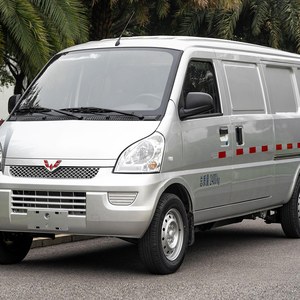
Used Wuling Rongguang EV 2020 Enclosed Window Version Base Model 2 Seats 300 KM
How to buy a Wuling Rongguang V from China
-
1
Define the operating requirement
Specify passenger capacity, cargo volume, daily distance, route conditions, loading equipment and destination-country driving side. Include local registration, taxation and used-import age restrictions in the initial brief.
-
2
Review the live Rongguang V listings
Check each matching unit's current asking price, year, trim wording, seating, condition and seller information. Treat the displayed unit details and a confirmed quotation as binding rather than inferring numbers from another vehicle.
-
3
Verify the exact specification
Request the production year, engine displacement, gearbox, steering arrangement, emissions designation, seating layout and original ownership documents. Confirm that the listing title agrees with the physical vehicle.
-
4
Commission an independent inspection
For a used vehicle, arrange a pre-shipment inspection covering the body, engine, manual gearbox, steering, cooling and air-conditioning systems, tyres, odometer and evidence of accident repair.
-
5
Request a landed-cost quotation
Ask for the vehicle price, freight method, Incoterm, currency, payment milestones, insurance, documentation, customs assumptions and estimated sailing schedule. Request a refreshed quotation before approval.
-
6
Confirm and document the order
Use the written pro forma invoice to confirm the individual unit or container scope, inspection release conditions, deposit, balance and cancellation terms. Complete destination compliance checks before vehicle shipment.
Rongguang V vs rivals
| DFSK K07 | A close Chinese-built light-commercial alternative for cargo-led users. Powertrain availability varies by market, so compare propulsion, load body, operating requirements and destination approval rather than assuming equivalence to a Rongguang V petrol van. |
|---|---|
| Suzuki Every | A direct global small-van benchmark with a similarly utility-led format. Local brand familiarity, parts access, importer support and the exact seating or body equipment are more useful comparison points than headline purchase price. |
| Chery Karry | A China-origin compact MPV alternative that may appeal where passenger-car styling and family flexibility matter more than van-style utility packaging. Compare seating, luggage, fuel use, condition and after-sales support with the Rongguang V. |
Frequently asked questions
How is Wuling Rongguang V export pricing determined?
The vehicle's year, trim, engine, seating, mileage, condition and equipment establish its base value. Freight, insurance, exchange rates, customs duties, taxes and the selected Incoterm determine the landed cost. See the ChinaCarDirect live Rongguang V listings for the current unit price and request a separate shipping quotation for binding delivered terms.
What engine and transmission does the Rongguang V use?
The confirmed model range includes 1.2-litre and 1.5-litre petrol engines paired with a manual transmission. Exact power output, emissions equipment and configuration details should be checked against the individual live listing and its documents.
Should I buy a new or used Wuling Rongguang V?
Used vehicles can offer a lower acquisition cost but require more scrutiny for wear, corrosion, repairs, mileage and service history. New vehicles can reduce age-related uncertainty and improve fleet consistency, although freight, registration and local support still affect the delivered economics.
What is the MOQ for a Wuling Rongguang V order?
MOQ depends on the seller's sales programme and is not a universal model requirement. A single listed unit may be suitable for market testing, while a container or wholesale programme can involve different lot terms. Confirm the minimum, unit reservation and cancellation conditions in the written quotation.
What affects Rongguang V shipping time and cost?
Transit time depends on the origin port, destination, sailing schedule, customs clearance and inland delivery. Cost is influenced by dimensions, weight, transport method, route, insurance, port charges and fuel surcharges. Obtain a shipment-specific quote because the vehicle and booking conditions determine the final figures.
Are spare parts available for the Rongguang V?
Parts availability can vary by production year, specification and destination market, so it should be confirmed before purchase. Ask the seller for a verified list of commonly required service parts and establish a local maintenance plan that covers routine servicing and repairs.
Can the Rongguang V be supplied in right-hand drive?
Do not assume right-hand-drive availability from the model name. State the destination's traffic side when requesting offers and ask whether a genuine RHD vehicle, documented conversion or LHD-only configuration is available. Any conversion must also pass local safety and homologation requirements.
How do I order a Wuling Rongguang V from China?
Start with the live listings, shortlist the correct engine, seating and body configuration, and request documents, inspection and a landed quotation. After confirming MOQ, Incoterm, payment milestones and destination compliance, reserve the selected unit through a written pro forma invoice and complete the agreed inspection and shipping steps.
Ready to source the Wuling Rongguang V?
Send ChinaCarDirect your destination, seating and cargo requirements, and preferred Incoterm to request a current Rongguang V quotation.
Request a quote