
Wuling Zhiguang Export Guide for Dealers and Fleet Buyers
Wuling Zhiguang export guide for dealers: compare engine, body and seating options, used-unit checks, live pricing, MOQ, shipping and key compliance steps.
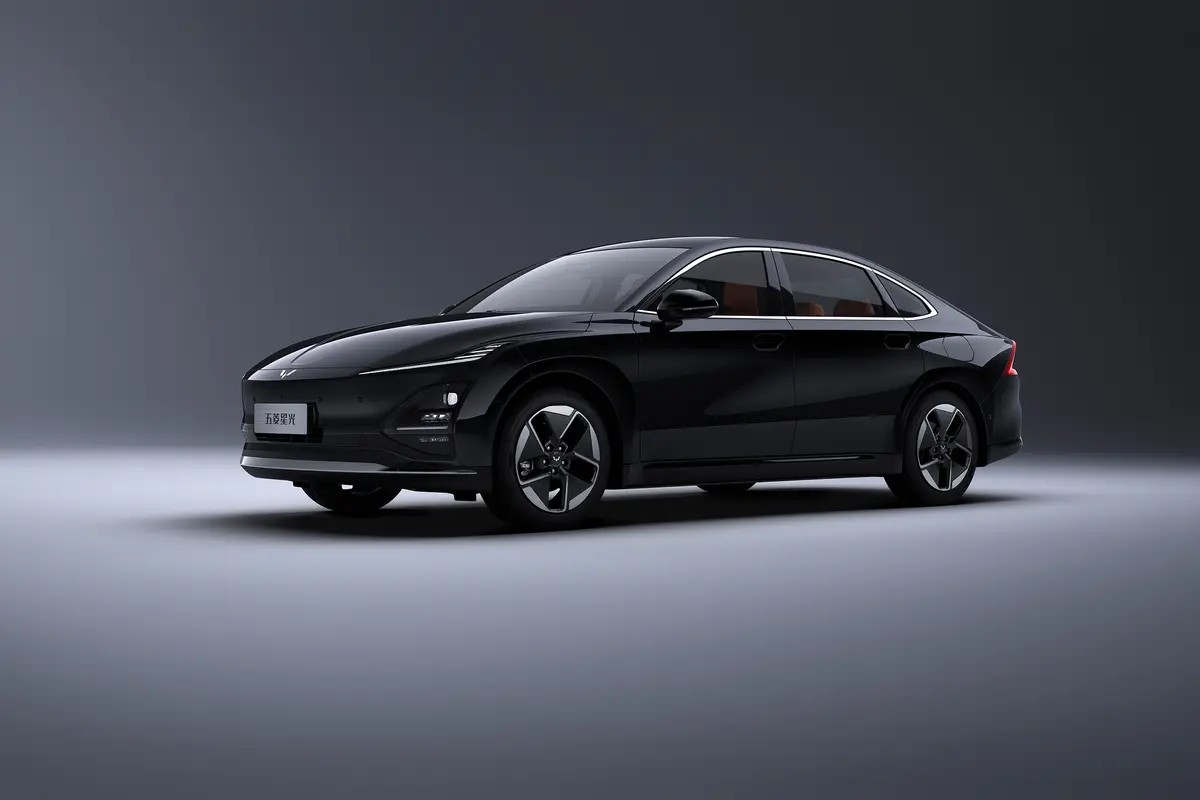
At a glance
- The Zhiguang is a gasoline-powered compact MPV and light-utility platform with passenger, van and cab variants.
- Engine choices span 1.0L, 1.1L, 1.2L and 1.5L, with two-, five- and seven-seat configurations.
- Export supply is used-unit oriented, so condition, documents and maintenance history need individual verification.
- Live listings show the current per-unit price, seller MOQ and availability; freight, tax and compliance can change the landed result.
- China VI trim labels do not establish destination approval, and steering side must be checked on every unit.
Why the Wuling Zhiguang matters for export markets
The Wuling Zhiguang occupies a useful position between a compact passenger MPV and a light commercial vehicle. Its export relevance comes from straightforward packaging, multiple body and seating configurations, and a low-cost platform suited to distributors, mobility operators and small fleets. It is not positioned as a luxury people carrier or a premium SUV. Instead, it appeals to buyers who need practical transport, flexible load space and lower operating complexity than a full-size van. That makes it relevant to price-sensitive urban, rural and institutional markets where carrying capacity matters more than refinement.
For fleet and dealer buyers, the Zhiguang’s appeal is the ability to match a vehicle to a task. Passenger-oriented versions support shuttle and family transport, while enclosed utility bodies and short-wheelbase or extended-body configurations can serve delivery, trades or rural mobility. Two-, five- and seven-seat listings show that the model family is broad, but the practical choice is not simply the highest seat count. Buyers should prioritize payload, cargo volume, fuel use and local rules over a generic version name. A seven-seat van may be less useful for commercial cargo than a two-seat utility body.
Global demand for this model should be understood as segment demand, not a guarantee that every specification suits every country. Wuling vehicles are most persuasive where buyers recognize the format, parts are obtainable and the vehicle can be registered for its intended use. An overseas buyer should therefore treat parts support, documentation and local repair capability as part of the vehicle’s value proposition. A lower purchase commitment is useful only when downtime, fuel and compliance costs remain manageable. That systems view is more useful than chasing the newest or largest badge.
- Flexible passenger, van and cab formats.
- Practical for distributors and cost-focused fleets.
- Parts access and local approval affect value.
Model range, trims and powertrain variants: how the lineup is structured and how to choose
The Zhiguang range is unusually broad for a single model name. Descriptions include passenger-oriented Practical, Comfort and Standard versions, S-branded editions, base cars, Liye versions, extended-body cars and utility van bodies. Listings also include two-seat utility vans, five- and seven-seat vehicles, a single cab and a double-cab small-truck derivative. These labels come from the Chinese market, where they identify trim and body differences, but they do not map neatly to a universal global trim hierarchy. An importer should read the full title and photographs rather than assuming that a higher-sounding trim means better equipment.
Engine choices are concentrated around 1.0L, 1.1L, 1.2L and 1.5L displacement units. The 1.2L family appears across several practical, standard and utility descriptions, while 1.5L versions are associated with passenger or utility configurations. Displacement alone is not enough to choose: buyers should check the engine label, gearbox, cooling or emissions specification, axle loads and suitability for the route. Each live unit must be verified because versions with similar names can differ mechanically. For a fleet, a documented, supported configuration is often more valuable than selecting the smallest or largest engine on paper.
Seat count is a useful starting filter, but body construction and cargo role matter just as much. A seven-seat passenger version can suit shuttle demand; an enclosed-window van can protect goods or service equipment; a single- or double-cab utility vehicle may fit local commercial classifications. Before ordering, compare usable interior dimensions, access points, loading floor and whether the destination will register the body as a passenger vehicle, commercial van or pickup. These checks prevent an attractive title from becoming an unsuitable purchase. Ask for a configuration sheet and a clear statement of the steering side before ordering.
- Match body and seats to the duty.
- Verify engine, gearbox and emissions per unit.
- Chinese trim labels are not global guarantees.
New vs used Wuling Zhiguang: how export inventory is structured and how buyers choose
For the Zhiguang, export supply is used-unit oriented rather than being organized as a standardized factory-new programme. Live stock can therefore span different ages, service histories and specifications, and it changes as vehicles are sold or newly consigned. This structure can be advantageous for buyers seeking an immediate, lower-commitment acquisition and for sellers able to document an individual vehicle. The disadvantage is that consistency cannot be inferred from the model name; each listing represents a specific age, condition and history. A disciplined inspection and document review is therefore essential, not an optional extra.
A used Zhiguang should be judged on evidence rather than the word used or the apparent polish of the listing. Buyers should request registration and ownership documents, inspect the VIN, review service records where available, and examine tyres, brakes, suspension, glass, lamps, fluids and body panels. Engine starts, cooling, steering, transmission operation and cargo-floor condition should form the practical inspection. For a commercial fleet, ask the seller to disclose repairs, accident history and known faults in writing. Photographs help identify options, but cannot confirm mechanical condition or prove that the engine has not been overloaded.
New-versus-used choice is really a choice between standardised specification and individual value. A factory-new vehicle can simplify configuration and remove uncertainty about prior use, but availability, lead time and destination suitability must be confirmed directly; the model name alone does not guarantee a new export unit. A well-selected used vehicle can lower entry cost and provide a known configuration more quickly. The better option delivers the required body, uptime and compliance at the lowest defensible total cost. That calculation should include maintenance reserves, insurance, financing and expected downtime, not only vehicle price.
How export pricing works: the factors behind a live listing price, and how to read one
A Wuling Zhiguang export price is the result of several interacting variables. Model year and production specification influence the baseline, while engine size, trim, body length, seating and utility-versus-passenger configuration affect demand and comparability. For a used vehicle, mileage, service history, cosmetic condition, accident disclosure and warranty can move the result further. Exchange rates, port charges, insurance, freight and the chosen Incoterm determine what the buyer ultimately pays beyond the vehicle-level quote. No single range can represent every unit, so a historical average is not a reliable substitute for a current unit quote.
To read a live listing, begin with the complete title, year, engine, body, seats and steering side, then move to condition fields, photographs and seller notes. Check which currency is displayed and whether the amount is an asking price, fixed seller quote or negotiable figure. Establish what is excluded: export declaration, inland transport, port charges, marine insurance, customs duties, taxes, registration and delivery. Two vehicles with similar titles can still carry materially different landed costs. The safest method is to request a written all-in breakdown tied to a specific vehicle and destination.
Pricing should be refreshed at three moments: when shortlisting, when negotiating and when booking or payment terms are confirmed. This matters because the vehicle-level price, exchange rate and shipping components can change independently. Buyers should compare like with like by filtering the same model year, engine, body, seating and condition before drawing a conclusion. Current per-unit prices, MOQ and availability are shown on the live ChinaCarDirect Wuling Zhiguang listings; request a written quote for the exact configuration and Incoterm rather than a general online range. This approach creates a comparable record for approval and negotiation.
- Compare matching year, trim, body and condition.
- Separate vehicle cost from landed charges.
- Refresh the written quote before booking.
MOQ, ordering and payment: single units vs consolidating a container
There is no universal Zhiguang MOQ that an importer should assume. MOQ is a seller and transaction condition: some offers may be available without a larger lot, while a seller may require several units or restrict mixed configurations. Buyers should confirm the minimum in writing before reserving vehicles. For wholesale planning, a one-unit purchase and a container consolidation are different purchasing scenarios, and both need their own price, documentation and loading plan. Do not build a landed-cost model until the seller confirms whether quoted terms apply to mixed bodies or engine variants in writing.
For a single-unit importer, the ordering sequence is straightforward but requires control. Select the exact live listing, request a condition report and documents, agree the price and Incoterm, identify the inspection standard, and secure the booking with a documented payment method. The purchase contract should state the vehicle identity, VIN or equivalent, equipment, known damage, delivery scope and cancellation or remedy conditions. Balance timing should follow inspection and agreed milestones, not an informal promise made only in chat. Both parties should verify the payment beneficiary and retain every invoice, receipt and amendment.
For container consolidation, control shifts from one vehicle identity to a mixed fleet plan. Agree the required mix in advance—body, seats, engine and condition—then request a proposed allocation, packing plan and loading sequence. Confirm whether straps, blankets and lashing are included, and ensure the plan respects weight distribution, axle limits and ventilation where relevant. Different unit ages and trims can be accepted, but the sale contract should identify each VIN and price allocation. That record prevents a buyer from discovering substitutions or omissions only after the container has been sealed.
- Confirm MOQ for the selected seller.
- Record VIN, condition, price and remedies.
- Obtain an allocation and loading plan.
Shipping, homologation and market compliance caveats: LHD/RHD and import rules by country
Shipping cost and time should be planned from the vehicle and destination together. Relevant factors include the transport mode, origin and destination ports, transshipment points, container availability, vessel or vehicle-carrier schedule, customs workload, documentation quality and the time of year. Ro-ro and container options may suit different operating conditions, but availability and suitability must be confirmed for the actual unit and route. Marine cargo insurance, terminal handling, inland haulage, demurrage and destination charges can sit outside the vehicle quote. A realistic schedule should include buffer for inspection, customs queries, missing documents and port congestion.
Import eligibility is market-specific, and the Chinese description does not replace local approval. Depending on the country, buyers may face age limits, emissions rules, safety or roadworthiness requirements, customs valuation, taxes, VIN checks, insurance, registration and proof of steering-side conformity. Some trim names refer to China VI emission standards, but that label alone does not establish approval in any destination market. Ask the importer or authority for applicable used-vehicle and commercial-vehicle requirements before committing funds. For a van or pickup classification, verify seating, cargo enclosure, axle limits and commercial registration separately.
Steering configuration is a sourcing filter, not a last-minute conversion detail. Do not assume every Zhiguang listing is left- or right-hand drive; confirm the position from the live unit and request supporting photographs. An imported left-hand-drive vehicle may require adaptation or restricted use in a right-hand-drive market, while a right-hand-drive example may be harder to source and can carry a different price. Conversions can affect safety, wiring, registration and parts availability. Unless a vehicle was built or formally approved for the destination configuration, avoid relying on an informal swap. Factory configuration is the cleaner compliance path.
- Check destination rules before payment or loading.
- China VI does not equal local homologation.
- Verify steering side; avoid informal conversions.
Who should buy the Zhiguang — and who should pick a different vehicle
The Zhiguang is a strong candidate for importers serving price-sensitive passenger transport, last-mile delivery, rural mobility, community shuttles and light commercial work. Its broad range lets a dealer build a mixed fleet around passenger and cargo needs rather than force one body style into every role. It is particularly relevant where a compact footprint, straightforward operation and accessible replacement parts matter. The purchase case is strongest when the buyer can service the vehicle locally and maintain a realistic maintenance reserve. Dealers should know their destination’s rules for passenger or commercial registration before building demand forecasts.
Different Zhiguang bodies suit different fleet plans. Choose a five- or seven-seat version for passenger demand, an enclosed utility body for protected cargo, and a single- or double-cab configuration where a commercial cab classification is permitted and useful. For mixed lots, standardize the engine and major options only after checking local availability of parts. Standardization can simplify training and maintenance, but it should not override a clear mismatch in body capacity, seating or legal class. The best fleet is the one whose configuration buyers can use and service without constant improvisation.
Buyers should choose a different vehicle when their priorities fall outside the Zhiguang’s strengths. An EV mandate, zero-emission requirement, premium comfort, high-speed motorway use, heavy towing, severe payload duty or advanced active-safety expectations may point elsewhere. Electric commercial availability must be judged in the destination market, not inferred from the Chinese model family. If freight, tax, adaptation and downtime erase the economics, a more widely serviced rival may be cheaper to operate even when its vehicle price is higher. The decision should be based on total cost per useful vehicle-day, not on badge or body style alone.
Main rivals and how the Zhiguang compares
The closest alternatives divide into small commercial vans and basic passenger MPVs. Suzuki Carry is a strong utility-market benchmark, particularly where right-hand-drive availability and established local service networks are priorities. Chery Karry offers a comparable low-cost people-carrier and van proposition for passenger-oriented distributors. Hafei Minyi provides another Chinese-built compact-van alternative. These models are not identical substitutes, so compare the actual body, seating, commercial registration, engine support and parts availability in the destination rather than model names alone. A familiar model may lower operating risk even if its paperwork or price is less convenient.
Against the Suzuki Carry, the Zhiguang’s distinguishing attraction is the breadth of Chinese-market body, seating and trim choices, including passenger and utility derivatives. The Carry may be the safer organizational choice where a buyer values mature local RHD channels, recognizable spare parts and established residual demand. Against the Chery Karry, the Zhiguang offers a broader visible trim and body menu but requires careful verification of configuration consistency. Hafei Minyi is useful when a more conventional MPV presentation is preferred, subject to local service coverage. None of those advantages settles the decision without a destination-specific landed-cost and compliance comparison.
A structured comparison should score five points: body and seat mix, suitability for local registration, confirmed engine and transmission support, expected parts access, and all-in operating cost under realistic duty. Include finance, insurance, fuel, maintenance and downtime rather than acquisition price alone. The Zhiguang wins when its configuration flexibility and Chinese supply chain provide a practical advantage for the intended segment. A rival wins when local RHD supply, brand familiarity, safety approval or service coverage materially reduces commercial risk. For a first-time importer, that risk review can be more valuable than a narrow trim upgrade.
- Suzuki Carry: RHD-oriented utility benchmark.
- Chery Karry: passenger microvan alternative.
- Hafei Minyi: conventional MPV alternative.
Live Wuling Zhiguang export inventory
View all listings →Real units currently on ChinaCarDirect with per-unit asking prices and MOQ. Availability updates live from the catalogue.
Used Wuling Zhiguang 2010 1.1L New Edition Practical Short-Body LXA
Used Wuling Zhiguang 2010 1.1L New Standard Version I Long Body LXA
How to buy a Wuling Zhiguang from China
-
1
Define the commercial brief
Specify the destination, passenger or cargo role, required seating, body preference, steering side, route and expected load before selecting a vehicle.
-
2
Check destination compliance
Confirm used-vehicle age and emissions rules, registration class, VIN requirements and commercial restrictions with the destination importer or authority.
-
3
Shortlist live inventory
Review the live Wuling Zhiguang listings and compare matching year, engine, body, seating and condition. Use each listing for its current price, seller MOQ and availability.
-
4
Verify each vehicle
Request registration and ownership documents, service records, VIN verification and photographs. Inspect brakes, tyres, engine, cooling, steering, transmission and cargo area against the agreed standard.
-
5
Request a written quote
Specify the Incoterm and ask for an itemized breakdown covering the vehicle, freight, insurance, port charges, taxes, duties, registration and any required adaptation.
-
6
Order and ship
Confirm the vehicle identity, allocation, payment milestones, inspection procedure, remedies and shipping documents. Then approve the loading plan and monitor collection and export formalities.
Zhiguang vs rivals
| Suzuki Carry | The closest utility-oriented rival for commercial-buyer needs. The Carry may be stronger where local RHD supply, brand familiarity and service parts are established; choose the Zhiguang when broader Chinese body, seating and trim flexibility matters. |
|---|---|
| Chery Karry | A close passenger-microvan alternative for distributors serving affordable people-carrier demand. The Zhiguang offers a wider visible body and trim menu, while the Karry may appeal where its local market familiarity is stronger. |
| Hafei Minyi | A Chinese-built compact-van and MPV alternative, particularly relevant to buyers wanting a more conventional people-carrier presentation. Compare service coverage, registration category, parts access and landed operating cost before choosing. |
Frequently asked questions
How is Wuling Zhiguang export pricing determined?
Price is influenced by model year, engine, trim, body, seating, mileage, condition, service history, repair disclosure, exchange rates, freight, insurance, duties and the selected Incoterm. The current per-unit price and seller MOQ are shown on each live ChinaCarDirect listing, while landed charges must be requested separately.
What engine and powertrain options does the Zhiguang have?
The listed Zhiguang configurations covered here are gasoline internal-combustion models with 1.0L, 1.1L, 1.2L or 1.5L engines. They do not have a battery-electric range to quote. Confirm the exact engine, gearbox, emissions specification and fuel type on the live unit before ordering.
Is a used Wuling Zhiguang better than a new example?
A used vehicle can provide a lower entry cost and a known body configuration, but its condition and history must be verified individually. A factory-new vehicle can reduce configuration uncertainty, but availability and destination suitability must be confirmed directly rather than inferred from the model name.
What is the MOQ for buying a Wuling Zhiguang from China?
MOQ is set by the seller and transaction rather than being a universal Zhiguang rule. A single-vehicle scenario and a container consolidation may have different terms, so confirm the minimum, permitted configuration mix, price allocation and payment conditions in writing before reserving vehicles.
What determines shipping time and cost?
The main factors are transport mode, ports, transshipment, carrier schedules, container availability, customs workload, documentation, seasonality and destination charges. Marine insurance, terminal handling, inland delivery and possible demurrage should be included in the landed-cost and schedule.
How should I assess Wuling Zhiguang spare-parts support?
Check whether local dealers can support the selected engine and body configuration before committing to a mixed fleet. Ask for common service-part references, expected lead times and technical support, and include parts delay and vehicle downtime in the operating-cost assessment.
Is a right-hand-drive Wuling Zhiguang available for export?
Right-hand-drive availability changes by unit and supplier, so it must be checked on each live listing rather than assumed from the model family. Confirm the steering position in photographs and written terms. An informal conversion may create safety, registration and parts-support problems.
How do I order a Wuling Zhiguang for export?
Choose a specific live listing, verify its documents and condition, request a destination-specific quote with the desired Incoterm, and place the order through a written sales contract. Confirm payment milestones, inspection, vehicle identity, shipping documents, insurance and loading arrangements before final payment and release.
Ready to source the Wuling Zhiguang?
Send a Wuling Zhiguang RFQ with your destination, body and seating requirements, steering-side preference and inspection standard for a unit-specific quote.
Request a quote