
Xiaomi Auto Su7 Export Guide for Overseas Buyers
Plan a Xiaomi Auto Su7 export purchase with guidance on trims, RWD and AWD options, live pricing, MOQ, shipping, homologation, compliance, and rival models.
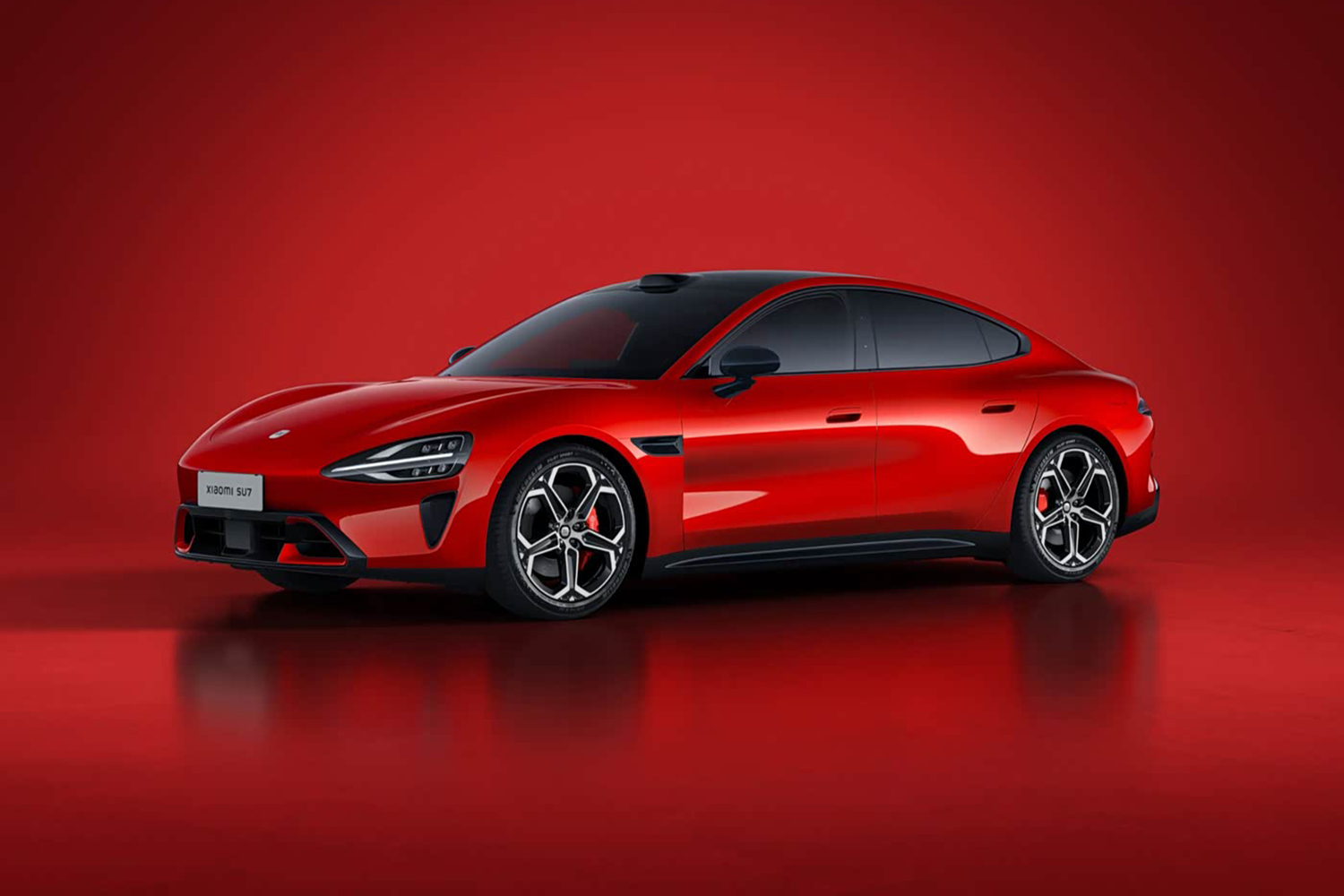
At a glance
- The Su7 is a Chinese-built performance sedan offered with RWD and AWD configurations, including long-range and extended-range lineups.
- Ultra and Nürburgring-badged versions provide halo appeal, but badge status should not replace equipment, road-legality and service checks.
- New units suit fleet standardisation, while a used Xiaomi Auto Su7 purchase requires VIN, mileage, battery and service-history evidence.
- Export price is configuration- and logistics-dependent; use each live listing for the current unit-level quotation.
- RHD availability, destination homologation and parts support must be confirmed before importing.
- Dealers can begin with single-unit demand validation or plan a consolidated shipment after checking the MOQ for each listing.
Why the Xiaomi Auto Su7 matters for export markets
The Xiaomi Auto Su7 matters in export markets because it combines Chinese electric-vehicle engineering with a low-slung performance-sedan format. It sits between practical family EVs and more expensive premium machines, giving dealers a product for buyers who value acceleration, modern cockpit technology and expressive styling without moving to a full-size luxury saloon. For fleet buyers, the breadth of rear-wheel-drive, all-wheel-drive, long-range, extended-range and high-performance variants lets one model family serve several use cases. Its export value therefore rests on product presentation, not merely adding another sedan to an export catalogue.
Demand is strongest where buyers follow China’s fast-moving EV ecosystem but have fewer familiar alternatives with comparable technology. The Su7’s appeal can be amplified by the Xiaomi and compatible-device ecosystem, driver-assistance features and a specification list that feels closer to premium European cars than a fleet saloon. International interest does not, however, translate automatically into easy registrations. Separate showroom appeal from operational viability by checking local software support, charging compatibility, service access, parts planning and residual-value expectations. A strong launch can create enquiry, but sustained B2B demand depends on after-sales execution.
For overseas distributors, the Su7 can work as a halo product that strengthens a broader Chinese vehicle portfolio, but it is not a low-risk volume purchase by default. Its design-led, technology-heavy positioning can make buyers more demanding about software updates, charging guidance, replacement parts and workshop training. Model dealer economics around the exact destination configuration, not headline specifications or promotional imagery. A buyer with strong homologation experience and technical support may exploit the model efficiently; a first-time importer should start with a controlled batch and build local capability before scaling.
- RWD: efficiency focus.
- AWD: traction focus.
- Ultra: halo positioning.
Model range, trims and powertrain variants: how the lineup is structured and how to choose
The lineup is structured through drivetrain, range positioning, driver-assistance grade and special-edition branding. Listing names identify rear-wheel-drive and all-wheel-drive versions, Long Range and Ultra Long Range editions, an Extended Range Advanced Smart Driving Max edition, Pro and Intelligent Driving grades, Founder’s Edition variants, a Nürburgring Limited Edition and the separate Model Ultra. The naming narrows the first conversation: powertrain layout comes before colour, equipment or branding. Still, translation between a Chinese-market trim name and an export specification must be confirmed rather than inferred from the badge alone for the target market.
Rear-wheel-drive variants are the logical starting point when range efficiency, lower mechanical complexity and a more accessible landed position matter most. All-wheel-drive versions suit buyers seeking traction, rapid launch or higher-output drivetrains. Long Range and Ultra Long Range are labels, while Extended Range points to a different energy strategy; neither reveals usable touring range after climate, towing or wheel choices. Compare official battery capacity, motor output, curb weight, charging curve and certified range under a cycle relevant to the destination. A CLTC-labelled Chinese figure should not be treated as a direct WLTP or EPA equivalent.
Equipment grades are market packages, not a simple good-better-best ladder. Advanced Smart Driving, Max, Pro and Intelligent Driving labels can signal different hardware and software bundles, but overseas scope may differ from domestic specification. Founder’s and Nürburgring editions add character and may attract performance customers or collectors, yet branding does not replace verification of homologated assistance, road legality and serviceability. Model Ultra is a separate performance halo name, distinct from Ultra Long Range. Before choosing, request a VIN-specific equipment list, confirmed energy system, export documents and an explanation of features dependent on local connectivity or regulatory approval.
- Compare drivetrain missions.
- Verify range labels.
- Check trim equipment.
New vs used Xiaomi Auto Su7: how export inventory is structured and how buyers choose
New and used Su7 inventory should be read as individual vehicles rather than a homogeneous model-year batch. ChinaCarDirect listings identify specific trims, production years, conditions and commercial terms, and buyers should compare those fields rather than assuming every car carries the same specification. New vehicles generally provide the cleanest route to warranty continuity, known delivery mileage and coordinated factory documentation. Used examples, where available through a live listing or the secondary market, can offer a lower acquisition basis but require more scrutiny of wear, battery health, software history and repair records.
For fleet procurement, a new Su7 is easier to standardise because colour, trim, charging equipment, software state and handover documents can be specified before dispatch. That consistency supports training, resale preparation and budgeting, while any applicable factory-backed warranty gives a clearer basis for defect claims. The trade-off is surrendering some discount available in a used transaction and having less flexibility to accept a vehicle. Dealers should add registration, delivery preparation, insurance and warranty administration to the quotation, because purchase price alone does not reveal the cost of bringing the car into customer hands.
A used Xiaomi Auto Su7 can suit a buyer who values a configuration, has limited capital or wants a car already adapted to local charging. Its value depends on verifiable condition rather than the age in a listing. Request the VIN, registration history, odometer evidence, accident and repaint disclosures, battery state-of-health report where available, servicing records, software version and photographs of underbody, wheels and cabin wear. Compare remaining useful life and warranty position with a new equivalent. Used availability is unit-specific, so use the live search rather than assuming one can be ordered immediately.
- New: easier standardisation.
- Used: closer inspection.
- Check unit availability.
How export pricing works: the factors behind a live listing price, and how to read one
An export price for a Su7 results from several layers rather than one fixed catalogue figure. The vehicle layer includes production year, trim, energy and battery version, options, mileage, condition and whether it is new or used. The transaction layer adds currency conversion, seller margin, payment timing and commercial terms. Logistics add transport, origin handling, insurance, documentation, destination charges and, depending on the Incoterm, freight. Duties and taxes may sit outside the seller’s quote but still determine landed cost for the buyer. Comparing only the headline number risks comparing unlike propositions.
Read a live listing by separating vehicle price from delivered cost. Confirm the currency, tax status and whether the amount is for one vehicle; then check year, exact trim, energy system, production status, odometer, condition, ownership documents and export eligibility. Identify the Incoterm and named place, because EXW, FOB, CIF and similar structures allocate different costs and risks. Establish whether freight, insurance, terminal fees, customs brokerage, registration, duty and value-added tax are included. A quote should state validity, payment milestones, inspection rights, warranty treatment and what happens if the unit changes before payment.
Use this Xiaomi Auto Su7 export price guide as methodology, not a fixed quotation. Work from the live unit record, request a landed-cost scenario for your destination, and repeat the comparison when exchange rates, sailing schedules or scope change. Ask the seller to show how configuration changes the quote and separate regulated charges from negotiable logistics costs. [ChinaCarDirect’s live Xiaomi Auto Su7 listings](https://chinacardirect.com/products?q=Su7&brands%5B%5D=906) provide the current per-unit amount and availability. A binding price should be tied to a specific VIN or SKU, documented specification and Incoterm, rather than copied from an earlier enquiry.
- Read the Incoterm.
- Separate landed costs.
- Tie quotes to VIN.
MOQ, ordering and payment: single units vs consolidating a container
Minimum order quantity is a listing term, not a permanent rule for every Su7. A live record may accept one vehicle, while a seller or shipment arrangement may require several units, especially when vehicles are grouped for container loading. Before ordering, confirm MOQ against the exact SKU, destination, payment method and delivery term. One-unit purchasing helps test demand and protect cash flow, but unit freight and handling can weaken landed-cost efficiency. Batch purchasing can improve logistics economics, yet it concentrates exposure in one trim, colour, production period or destination market.
A container strategy works best when the buyer can sell the selected configurations. Consolidating identical RWD, AWD or extended-range units simplifies shipping documents, spare-parts planning and customer positioning, while a mixed load broadens the local range. Calculate landed cost per vehicle rather than dividing freight equally: heavier specifications, battery-related handling, options and destination charges may not scale alike. Confirm that the container, roll-on/roll-off service or specialist carrier can accommodate the exact dimensions and weight. The objective is to protect retail margin while avoiding unsold stock, not simply to fill a unit.
An order workflow starts with a written specification, proceeds through a pro forma invoice or contract, and ends after payment, inspection and export-document conditions are clear. Ask whether a deposit secures a vehicle, when balance is due, which party holds funds, and cancellation terms. Define the inspection point, discrepancy remedy, document list, title transfer and shipping-release sequence. Avoid relying on chat messages or an unconfirmed bank instruction; verify the supplier entity and payment beneficiary. For Xiaomi Auto Su7 wholesale orders, use staged commitment: approve configuration, verify the unit, release final payment, then authorise export once responsibilities align.
- Confirm listing MOQ.
- Model costs per vehicle.
- Stage payment milestones.
Shipping, homologation and market compliance caveats: LHD/RHD and import rules by country
Shipping planning should start with the delivery architecture, not just the departure port. A quote should state the Incoterm, named place, transport mode, estimated transit, carrier, insurance coverage, carrier type and export responsibilities. A battery-electric or extended-range vehicle may need transport documentation and handling appropriate to its energy system, so confirm the carrier’s acceptance criteria and dangerous-goods process where applicable. Sea freight is economic for volume, while specialist transport may suit urgent or lower-volume movements. Transit estimates are planning variables; customs inspection, port congestion and document changes can alter the schedule.
Left-hand-drive and right-hand-drive availability must be established before finalising a unit. Chinese-market vehicles are commonly associated with left-hand drive, but an export listing may represent a market, conversion or production variant, and steering position cannot be inferred from a photograph. Ask for the VIN, steering position, pedal and control layout, local-language interface, lighting equipment and any conversion. A conversion can affect safety conformity, warranty, parts support and resale value. If an RHD Su7 is required, secure a statement for that VIN and inspect the vehicle; do not assume RHD availability when a quote is accepted.
Import compliance is destination-specific and should be completed before shipment. Depending on the country, the importer may need vehicle type approval, VIN and customs documents, ownership evidence, emissions treatment, safety and software checks, radio approval, local-language materials and compliant charging equipment. Electric and extended-range versions can fall into different regulatory categories, so do not copy another market’s conclusion. Confirm age restrictions, emissions rules, duties, value-added tax, insurance, registration and battery or environmental requirements with customs counsel. Obtain the homologation package and map it to the importing country. A vehicle not approved for intended use should not be shipped speculatively.
- Verify steering arrangement.
- Approve before shipment.
- Assign customs responsibilities.
Who should buy the Su7 — and who should pick a different vehicle
The Su7 fits buyers who want a technology-focused performance sedan and can support it after arrival. It is relevant for premium retailers, performance-oriented fleets and early adopters who value design, software integration and the choice between efficiency-oriented RWD, range-oriented versions, extended-range utility and AWD performance. For corporate fleets, the case strengthens when charging is controlled and procurement values a statement vehicle with consistent software and handover procedures. Dealer groups may use it as a halo model alongside sedans. The business case is strongest when marketing, technical training and after-sales support are coordinated.
However, the Su7 may be wrong for buyers prioritising a simple, universally understood fleet car, minimal software dependence or immediate access to service parts. High design and technology appeal does not overcome weak residual-value data, unfamiliar service procedures or a limited dealer network. A business with replacement cycles may prefer predictable parts consumption and broad workshop familiarity. Buyers in regions without suitable charging or reliable road assistance should assess operating constraints first. A customer focused on cargo volume or minimum life-cycle cost may find a larger, conventional sedan or plug-in hybrid better aligned. The alternative depends on infrastructure and serviceability, not prestige.
A disciplined Su7 purchase should pass four tests: the trim meets the use case, certified range and charging match local duty cycles, landed cost leaves a sustainable retail margin, and a credible service pathway supports warranty and repairs. Test drives and inspections matter because equipped vehicles can hide condition differences until handover. For fleets, compare depreciation, insurance, tyres, software support and downtime with the benefit of a stronger image. For an importer, a limited mix of RWD and AWD units may reveal demand better than a large homogeneous batch. Choose what can be supported and resold locally, not the most dramatic specification.
- Match trim to duty cycle.
- Budget for support.
- Start with controlled demand tests.
Main rivals and how the Su7 compares
The Tesla Model 3 is the closest global benchmark for the Su7’s electric-sedan proposition. It offers an alternative for buyers who prioritise a familiar electric drivetrain, charging ecosystem in some markets and a broadly understood brand, whereas the Su7 gives greater emphasis to design-led performance and a broader choice that includes rear-wheel drive, all-wheel drive and extended-range positioning. Neither vehicle should be selected from reputation alone. Compare the homologated version, real-world charging, assistance features, service network, parts lead time and expected resale, then test whether the Su7’s specification delivers enough customer value to offset brand familiarity and ownership considerations.
The BYD Seal is a Chinese-manufactured rival for buyers wanting a premium electric saloon with range-value appeal. It challenges the Su7 to justify equipment, performance and local pricing, and gives dealers another established Chinese-brand proposition. The Su7 may appeal more to customers drawn to its sportier visual identity, Xiaomi ecosystem and distinctive trim ladder, while the Seal may offer a different balance of range emphasis, equipment and value. Since specifications vary by market, compare the actual local derivative of each vehicle, including warranty, software, charging and dealer support, rather than headline trim names.
The BMW i4 is the premium-import rival when a buyer values the reassurance of a long-established luxury marque and service reputation rather than a Chinese-brand statement. It may be stronger for corporate and premium fleets prioritising badge familiarity, while the Su7 can offer a more conspicuous design and broader configuration choice for technology-oriented customers. Test that distinction through total cost, finance, fleet policy, driver familiarity and resale rather than assumed badge value. Use a like-for-like scorecard covering range, charging, performance, cabin technology, safety assistance, warranty, service, parts and compliance. The best rival fits the customer and operating market more completely.
- Model 3: EV benchmark.
- BYD Seal: direct rival.
- BMW i4: premium alternative.
Live Xiaomi Auto Su7 export inventory
View all listings →Real units currently on ChinaCarDirect with per-unit asking prices and MOQ. Availability updates live from the catalogue.
Xiaomi Auto Xiaomi SU7 2024 RWD Long Range Intelligent Driving Edition
Xiaomi Auto Xiaomi SU7 2024 AWD Extended Range Advanced Smart Driving Max Edition
Xiaomi Auto Xiaomi SU7 2024 AWD Extended Range Advanced Smart Driving Max Edition
How to buy a Xiaomi Auto Su7 from China
-
1
Define the destination case
State the destination country, port or city, expected volume, charging mix and preferred Incoterm. This lets the seller separate vehicle, freight, tax and compliance assumptions.
-
2
Build the trim shortlist
Compare RWD, AWD, range and special-edition choices against the duty cycle and customer profile. Request VIN-specific Xiaomi Auto Su7 specs for every shortlisted unit.
-
3
Inspect the live listing
Check year, trim, condition, mileage, VIN, equipment, seller, MOQ and quotation validity. Treat unavailable inventory as unavailable rather than assuming it can be ordered.
-
4
Request a landed quotation
Ask for an itemised quote showing vehicle cost, freight, insurance, origin charges, destination expenses, duties, taxes and the responsible party for each stage.
-
5
Verify compliance and support
Confirm LHD or RHD arrangement, homologation, software, charging, warranty, spare parts and local service with the importer, qualified customs counsel and technical specialists.
-
6
Secure written order terms
Record the specification, deposit and balance structure, inspection rights, discrepancy remedies, title transfer, document list, cancellation terms and shipping-release conditions in the contract.
-
7
Arrange inspection and shipment
Agree a pre-shipment inspection point, verify the actual vehicle and VIN, secure insurance, select the carrier and release final shipping documents only after all responsibilities are confirmed.
Su7 vs rivals
| Tesla Model 3 | The Model 3 is a close global electric-sedan benchmark for buyers prioritising brand familiarity, charging familiarity and an established service proposition. The Su7 offers a more design-led performance image and a broader choice that includes RWD, AWD and extended-range positioning, but its local service pathway and residual-value case must be demonstrated. |
|---|---|
| BYD Seal | The BYD Seal is a direct Chinese-manufactured rival for dealers seeking a premium electric saloon with range-value appeal. The Su7 may win customers seeking its Xiaomi ecosystem and distinctive trim ladder, while the Seal may offer a different balance of range, equipment and value; compare the actual market derivatives rather than headline names. |
| BMW i4 | The BMW i4 is the premium import alternative for customers who place greater weight on an established luxury badge and service familiarity. The Su7 can offer a more conspicuous design and broader configuration choice, but total cost, fleet policy, finance and resale should decide which proposition fits the buyer better. |
Frequently asked questions
How is the Xiaomi Auto Su7 export price determined?
Vehicle configuration, condition, currency movement, payment terms, freight, insurance and the selected Incoterm all affect the quotation. Duties and taxes may be separate from the seller’s price but remain part of landed cost. ChinaCarDirect’s live listings show the current per-unit amount; request a written quotation tied to a specific VIN or SKU for binding terms.
Which powertrain and range configuration should an overseas buyer choose?
The export naming includes RWD and AWD versions together with Standard, Long Range, Ultra Long Range and Extended Range labels. These labels do not provide export-certified range on their own, so request battery capacity, motor output, charging curve, curb weight and the certified test cycle for the exact unit. Compare the figures using a range standard relevant to the destination market.
Should I buy a new or used Xiaomi Auto Su7?
A new vehicle is generally easier to standardise and document for fleet handover, with known delivery mileage and any applicable factory warranty. A used vehicle may offer a different acquisition basis or configuration, but buyers should verify condition, battery health, software history, mileage, repairs and ownership documents. Used availability is unit-specific and must be confirmed through the live inventory.
How does MOQ work for the Xiaomi Auto Su7?
MOQ is confirmed against the selected listing, destination, payment method and shipment plan rather than treated as a permanent model-wide rule. A record may permit a single-unit purchase, while other arrangements may require a group. Buyers planning a container should request MOQ and pricing for every intended configuration and calculate landed cost separately for each vehicle.
What affects shipping time and cost?
Transport mode, route, Incoterm, vehicle dimensions and weight, energy-system handling, insurance, documentation, customs clearance and port conditions all influence the result. Sea freight is generally more economical for volume, while specialist or air transport can suit urgent movements. Transit estimates are planning variables rather than guarantees because inspections and congestion can change the schedule.
How are spare parts and after-sales support handled?
Before ordering, ask for the applicable parts catalogue, expected lead times, diagnostic requirements, warranty claim support and the location of any regional stock. Confirm that commonly serviced items and China-specific components can be supplied to the destination market. A vehicle should not be imported without a credible plan for body parts, electronics, software and technical support.
Is a right-hand-drive Xiaomi Auto Su7 available for export?
RHD availability must be confirmed for the individual vehicle, SKU or production batch because steering arrangement cannot safely be inferred from a model photograph or listing title. Request the VIN, steering position, controls, lighting and confirmation of any conversion. A conversion can affect homologation, warranty, parts support and resale value, so inspect the actual vehicle before committing.
How do I order a Xiaomi Auto Su7 from China?
Select a live unit, request a VIN-specific specification and landed quotation, then agree the contract, payment milestones, inspection, title transfer and export documents in writing. Verify the supplier and payment beneficiary independently before remitting funds, and release shipment only after compliance and inspection conditions are satisfied. A ChinaCarDirect RFQ can provide the current unit-level quote and delivery plan.
Ready to source the Xiaomi Auto Su7?
Send ChinaCarDirect your destination, required trim, quantity and Incoterm preference for a current Xiaomi Auto Su7 export quote and delivery plan.
Request a quote