
XPeng G01 Export Buying Guide for Overseas Dealers
Buy XPeng G01 from China with practical guidance on trims, range, pricing, MOQ, shipping, compliance, rivals and the live export buying process.

At a glance
- The XPeng G01 is a compact battery-electric SUV suited to overseas dealers seeking a technology-forward, software-led product.
- Battery, motor, range and charging figures can differ by configuration, so buyers should compare verified build sheets rather than rely on model badges.
- New vehicles provide a defined factory history, while used examples require stricter battery, title, mileage and condition checks.
- Export quotes must separate vehicle specifications from freight, insurance, duties, taxes and the selected Incoterm.
- Single-unit pilot buying can limit exposure, while container consolidation requires clear allocation, inspection and payment rules.
Why the XPeng G01 matters for export markets
The XPeng G01 matters to export buyers because it brings XPeng's electric-vehicle and software-led product approach into the compact SUV segment, a format that suits importers seeking a practical alternative to larger, costlier premium models. Its appeal is not simply the badge: overseas dealers can position it around modern styling, digital cockpit features and an alternative to combustion-powered crossovers. For markets with growing charging networks and strong interest in imported Chinese EVs, that combination creates a credible channel for test-drive and fleet programs. Its relevance is therefore practical rather than purely aspirational.
That opportunity depends less on headline demand than on fit. Compact SUVs are attractive to urban customers, company-car users and ride-hailing fleets because they combine usable cabin and cargo space with a manageable footprint. The G01 can appeal within that group, particularly where buyers value technology and want a newer model image. However, a dealer should validate demand with local test registrations, not infer demand from the number of online listings, because interest can vary sharply by tax policy, charging access, residual-value expectations and brand familiarity. A measured pilot is more informative than a broad forecast.
Export relevance also depends on execution after the vehicle reaches the market. Local rules on type approval, taxes, charging standards, data and software support can determine whether an attractive-looking vehicle becomes commercially practical. Buyers should examine the proposed sales market before committing to volume, and should confirm that spare parts, workshop documentation and diagnostic tools will be available. In short, the G01 matters where a compact electric SUV can be supported professionally; it is less compelling where aftersales coverage, residual values or charging access are weak. That makes market preparation as important as vehicle selection.
- Confirm charging access.
- Validate service capability.
- Test demand through pilots.
Model range, trims and powertrain variants: how the lineup is structured and how to choose
Treat the G01 as a model family whose orderable specification must be confirmed at trim level. Some inventory may carry the plain G01 name, while a seller may market a particular version under a Rendering label; neither label alone tells an importer the battery size, motor arrangement or standard equipment. A sound selection process starts with a written configuration sheet rather than a photograph or model badge. Ask for gross curb weight, battery capacity, rated motor output, drive layout, range rating, charging limits, seat count and included options for every quote you compare.
Range should be evaluated as a use case, not a single winning number. A buyer serving urban commuting may prioritize efficiency, cabin comfort and charging convenience, while a regional fleet operator may need higher cargo capacity, towing limits or thermal-management capability. Because test-cycle figures do not predict loaded, motorway or cold-weather performance, compare the same wheel size and test cycle across candidates. Verify whether the quoted range is WLTP or another cycle, and obtain real-world consumption evidence or a credible test result rather than extrapolating from battery capacity. This is especially important for route planning.
Powertrain choice follows from that operating profile. A single-motor configuration may be adequate for lighter urban duties, while a dual-motor version can suit buyers prioritizing performance or all-wheel-drive capability; neither assumption should be substituted for the live specification. Compare charging architecture, connector, maximum alternating-current and direct-current rates, and battery warranty only when confirmed in writing. The right trim is therefore the one whose verified range, output, dimensions and equipment fit the route, payload and resale proposition—not simply the highest-numbered badge. Compare the complete option list before any purchase order is issued.
- Request full build sheets.
- Match range-test cycles.
- Check battery warranty terms.
New vs used XPeng G01: how export inventory is structured and how buyers choose
New and used G01 vehicles should be treated as separate purchasing channels with different evidence requirements. A new vehicle generally offers a defined factory configuration, clearer warranty commencement and less uncertainty about prior use, which helps a dealer standardize a launch fleet. It can, however, carry a higher acquisition commitment and immediate depreciation, and delivery timing may depend on whether the unit is physical stock or factory-ordered. Used examples can reduce acquisition exposure and make a particular battery or body configuration more affordable, but their value depends on a much broader inspection.
For a used G01, ask for the VIN, production or model year, mileage basis, battery state-of-health report, charging-cycle history if available, accident and flood records, title status, service history and the exact software region. Inspect cold-start systems, high-voltage warnings, regenerative braking, air conditioning, displays, cameras, parking sensors and every restraint and exterior light. Battery health should be supported by a documented measurement rather than inferred from dashboard range. Unexplained warning messages, inconsistent keys or missing service records can justify walking away. Request an independent report when warranted for higher-value purchases before funds are released.
Commercial buyers should compare total operating and ownership risk, not just the lower entry cost of a used car. Residual value, battery replacement exposure, insurance, software support and warranty eligibility can narrow the apparent saving quickly. A mixed fleet of new cars for premium positioning and used cars for older fleets can be sensible, provided each vehicle has a separate condition report and the importer can predict parts and servicing demand. Whatever the route, use the live listing's condition and year fields, confirm the unit's identity in writing and include the inspection standard in the purchase contract.
- Demand battery-health evidence.
- Check VIN and service history.
- Inspect all high-voltage systems.
How export pricing works: the factors behind a live listing price, and how to read one
For buyers looking to buy XPeng G01 from China, an export price is a negotiated combination of the vehicle and the transaction, not a permanent model price. The vehicle side is driven by model year, trim, battery version, motor and drive configuration, options, production status, mileage and condition for used units. The transaction side can include currency movement, payment terms, inspection, inland transport, export handling, marine insurance, freight and destination charges. Incoterms are especially important: the same listing can look inexpensive under one delivery basis and materially different once loading, insurance or destination responsibility is included. It is a quote for a defined transaction, not a universal market rate.
Read a live listing line by line rather than treating its displayed amount as a landed cost. Confirm whether it is a vehicle-only quote or includes documentation, transport and insurance; identify the currency; note the Incoterm and named place; and check whether estimated duties, taxes, port charges and commissioning are excluded. Ask whether the seller is quoting an in-stock unit or reserving a future production slot, since these have different payment and delivery mechanics. For battery-electric vehicles, specialist cargo handling and battery-related compliance can also affect freight, so request an all-in shipment estimate from the forwarder.
Buyers should compare quotes on the same basis. Normalize the specification, condition, currency, delivery scope, Incoterm, validity period and payment milestones before comparing totals. A useful written quote should identify the VIN or production order, equipment list, battery and motor specification, lead time, inspection rights, documents, insurance and the party responsible for customs. Exact current prices, availability and seller terms can change, so use the live G01 listings as the binding source for each unit rather than relying on an old article or a remembered headline. A revised quote should supersede the earlier version.
- Normalize currency and Incoterms.
- Itemize destination charges.
- Compare written, time-bound quotes.
MOQ, ordering and payment: single units vs consolidating a container
Minimum order quantity is a commercial term, not a permanent property of the model name. Some sellers may release one physical vehicle to an importer, while factory-order programs, container allocations or customized configurations may require consolidation or a larger commitment. Do not assume a catalogue-wide quantity rule: read the individual listing, ask the supplier what can be sold as a stand-alone unit and obtain any volume condition in the quotation. If a unit is already available, payment normally secures that specific vehicle; if it is production-based, the contract should define the order slot and permissible substitutions.
Single-unit buying suits pilot importers, smaller dealers and buyers testing market demand. It lowers inventory exposure and allows the first vehicle to guide trim, colour and equipment choices, but it may not deliver the freight economics of a full container. Wholesale consolidation can improve unit-level transport efficiency, yet it introduces allocation risk: vehicles may differ in specification, finish, production timing and documentation, and a delayed unit can affect loading plans. Agree how units are selected, who pays storage or demurrage if a shipment is incomplete, and whether deposits are refundable before combining orders.
Payment structure should follow control of the transaction. A typical sequence begins with a specification and written quote, followed by a deposit, confirmation of production or vehicle identity, inspection, document release and the balance before shipment or release of the goods. The exact percentages, accepted methods and timing depend on the seller and should be stated in the contract. Use a traceable corporate payment channel, verify the beneficiary matches the legal seller, and make every payment conditional on the agreed invoice, inspection and documents. For larger orders, independent inspection and clearer dispute terms are more valuable than a small nominal discount.
- Clarify stock allocation rules.
- Define selection and refund terms.
- Tie payments to inspection.
Shipping, homologation and market compliance caveats: LHD/RHD and import rules by country
Plan left-hand-drive or right-hand-drive configuration before the vehicle is produced. The G01's export availability can vary by source market, and a vehicle configured for one side of the road may not be suitable for the other without extensive work. A conversion can involve the steering system, control layout, lighting, displays, wiring and certification, and it may affect warranty or software functionality. For the destination market, ask for a photograph of the VIN/build plate, steering-wheel position, charging connector, manual language and regional software settings, then have the seller confirm compliance rather than assuming a conversion is permissible.
Electric vehicles also add transport compliance. Lithium-ion batteries are treated as regulated dangerous goods for international carriage, so the supplier must provide the documentation and packaging required by the carrier and applicable maritime rules, while the importer remains responsible for destination acceptance. Freight planning should account for battery weight, charging-safety equipment, secure stowage and possible charging during transit. Get the forwarder to confirm vessel acceptance, dangerous-goods paperwork, insurance coverage and the actual route; do not assume a conventional vehicle booking can accommodate an EV without review. The route and loading plan should be agreed in writing.
Local market entry can be more demanding than the sea voyage. Depending on the country, importers may need vehicle type approval, VIN registration, safety and battery compliance, customs classification, emissions or zero-emission rules, charging-infrastructure requirements, insurance, and cybersecurity or data approvals for connected functions. Incentives may depend on local manufacturing, residency, tax status or fleet eligibility rather than simply importing an EV. Use a local compliance adviser before placing a non-refundable order, and specify who bears costs or delay if approval, charging-part compatibility or software localization fails. Local incentives should not be assumed transferable between countries.
- Confirm LHD or RHD early.
- Validate dangerous-goods acceptance.
- Complete destination approval first.
Who should buy the G01 — and who should pick a different vehicle
The G01 is a strong candidate for an importer that wants a modern compact electric SUV, a technology-forward showroom product or a small urban fleet where charging can be controlled. Dealers comfortable selling connected vehicles may use its digital interface and software-centered positioning to reach customers who find mainstream combustion SUVs ordinary. It can also suit company-car and ride-hailing buyers who value efficiency, a manageable footprint and a distinctive design. These use cases work best when the operator can standardize charging and maintenance rather than treating every EV as a bespoke servicing challenge.
It is a less suitable choice for buyers who require a broad, proven local parts network, conservative residual-value forecasts or a powertrain with no charging dependency. Those needs may favor a mainstream hybrid SUV, a plug-in hybrid or a combustion model even if the G01's operating costs look attractive on paper. High-mileage operators should also test thermal management, battery warranty conditions and real-world range under load before scaling. The G01 should not be selected merely because its Chinese export price appears favorable; the business case must include shipping, duties, insurance, charging, technician training and unsold-stock risk.
Before ordering, score each candidate against the actual sales brief: route length, payload, charging pattern, software needs, safety and homologation requirements, aftersales coverage, residual value and customer profile. If the importer lacks EV workshop capability, arrange training, remote diagnostic support and a parts plan before launch. If charging is unreliable, a hybrid alternative may be more dependable. If demand is uncertain, begin with a carefully specified pilot vehicle rather than a speculative container, and use actual registration, servicing and customer feedback to decide whether the G01 belongs in the range before further commitments.
- Match charging to duty cycles.
- Budget parts, training and insurance.
- Pilot demand before scaling.
Main rivals and how the G01 compares
The BYD Atto 3 is one of the most direct conceptual rivals: both are compact electric SUVs intended to bring Chinese EV design and technology into overseas dealer channels. The G01 may appeal to buyers who prioritize a distinctive, software-led presentation, while Atto 3 buyers may place greater weight on an already familiar badge and a more conventional compact-SUV proposition. The deciding evidence should be equipment, measured range, warranty and local service support for the exact destination-market versions, not general brand reputation. Neither model should win on headline specification alone. Test-drive impressions are secondary to verified operating data.
The Hyundai Kona Electric offers a smaller, more familiar alternative in markets where Hyundai's sales and service network is established. Buyers prioritizing efficient urban dimensions, conventional brand familiarity or an established parts proposition may prefer it; buyers wanting more distinctive design, a more advanced digital cabin or a different image may prefer the G01. Availability of software functions, battery warranty and service capability can differ more than brochure styling suggests. Compare each vehicle's destination-market specification and total ownership evidence before making a fleet decision. Charging access and residual values deserve equal attention.
The Volkswagen ID.4 is a useful benchmark for dealers whose customers want a compact electric SUV but remain cautious about Chinese brands. Volkswagen's established dealer and residual-value perceptions can reduce adoption friction, while the G01 may offer a more forward-looking design and technology proposition. In return, the importer should account for brand education, parts planning, connected-service support and the G01's position in local used-car markets. The right comparison is therefore G01 against a fully specified, homologated ID.4—not against a showroom car with a different battery, equipment level or warranty. Confirm local service capacity before promoting either vehicle.
- Atto 3: familiar-brand option.
- Kona Electric: compact-efficiency option.
- ID.4: established-brand option.
Live XPeng G01 export inventory
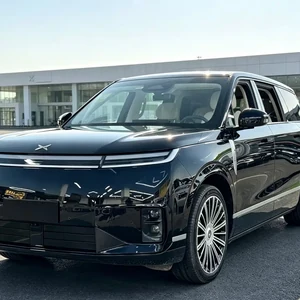
View all listings →Real units currently on ChinaCarDirect with per-unit asking prices and MOQ. Availability updates live from the catalogue.

How to buy a XPeng G01 from China
-
1
Define the destination-market use case
Set the target country, LHD or RHD requirement, route profile, charging assumptions, payload needs and expected sales channel. Separate must-have equipment from optional features before comparing quotes.
-
2
Review the live G01 inventory
Compare each available listing by model year, trim label, condition, battery and motor specification, range test cycle, equipment and delivery scope. Treat the listing as the source for current per-unit terms.
-
3
Request a configuration and written quote
Ask the seller to confirm the exact vehicle or production order, complete option list, price currency, Incoterm, lead time, inspection rights, documents, insurance and payment milestones.
-
4
Validate destination-market compliance
Confirm local type-approval, VIN registration, safety, battery, charging, insurance, customs and connected-data requirements with qualified local advisers. Do not assume approval follows automatically from an export shipment.
-
5
Verify identity, condition and history
Match the VIN to the invoice and build plate, inspect the vehicle where practical, and review title, service, accident and battery-health records. Include the agreed inspection standard in the purchase contract.
-
6
Secure payment against agreed milestones
Use a traceable corporate payment channel and verify that the beneficiary matches the legal seller. Tie deposits and balances to the configuration, production confirmation, inspection and document release.
-
7
Approve freight and release the shipment
Have the forwarder confirm battery-compliant cargo handling, insurance, stowage, loading, export documents and destination charges. Release the vehicle only after the final inspection, balance and shipping documents meet the agreed terms.
G01 vs rivals
| BYD Atto 3 | A close Chinese-brand compact electric SUV competitor with a more familiar badge and a conventional market proposition. The G01 may appeal more to technology-focused buyers, while Atto 3 buyers may prioritize ecosystem familiarity; compare the exact destination-market versions. |
|---|---|
| Hyundai Kona Electric | A compact, efficiency-focused alternative that may suit urban buyers and markets with an established Hyundai service network. The G01 offers a more distinctive design and digital-cabin proposition, but the Hyundai may carry greater brand and residual-value reassurance. |
| Volkswagen ID.4 | A mainstream-brand benchmark for compact electric SUV buyers who remain cautious about Chinese vehicles. The G01 may provide a more forward-looking image, while the ID.4 may reduce adoption friction through established dealer and residual-value perceptions. |
Frequently asked questions
How is XPeng G01 export pricing determined?
The final quote combines the vehicle's year, trim, battery and motor configuration, options and condition with payment terms, freight, insurance, export handling and destination charges. Exchange rates and the selected Incoterm can also change the commercial outcome. Compare every offer on the same specification and delivery basis.
Where can I see the current XPeng G01 export price and availability?
Current per-unit prices, vehicle details and availability are shown in the live XPeng G01 inventory. Each listing should be checked for its condition, model year, specification, currency and delivery scope. Confirm the final amount directly with the seller because a listing may change before an order is signed.
What powertrain and range should I expect from the G01?
The G01 is a battery-electric compact SUV, but battery capacity, motor arrangement, drivetrain, charging limits and range depend on the ordered configuration. Do not infer those figures from the G01 or Rendering designation alone. Obtain a build sheet and compare the quoted range under the same test cycle.
Is a new or used XPeng G01 better for an importer?
A new G01 generally provides a clearer factory history, defined configuration and more straightforward warranty commencement. A used example can lower acquisition exposure but requires stronger checks of VIN, title, mileage, battery health, accidents, service history and software region. The better choice depends on fleet risk tolerance and aftersales capability.
How does MOQ work when buying an XPeng G01 from China?
MOQ is set by the seller, vehicle source and production program rather than by the model name. Some physical vehicles may be sold stand-alone, while factory allocations can require consolidation or a larger commitment. Ask the supplier to state the minimum quantity, allocation method, deposit terms and refund conditions in the quotation.
What affects XPeng G01 shipping time and cost?
Origin and destination ports, vessel schedules, cargo space, battery dangerous-goods handling, insurance, documentation and customs clearance all affect the shipment. Vehicle size, battery weight, charging requirements and secured loading can add specialized handling. Obtain a forwarder's route-specific quote after confirming the exact vehicle configuration.
How are spare parts arranged for an exported G01?
Parts availability depends on the vehicle's production market, software region and the importer's support arrangements. Before ordering, identify how diagnostic software, warranty claims, common wear parts and high-voltage components will be supplied. Include spare-parts lead times and cross-border logistics in the launch budget rather than assuming immediate destination-country stock.
Can I buy a right-hand-drive XPeng G01, and how do I order?
Right-hand-drive availability depends on the source configuration and destination homologation, so it must be confirmed for each listing rather than assumed. Start with a live listing, request a full build sheet and written quote, then verify LHD or RHD status, compliance, payment milestones and freight scope. Use an RFQ to obtain binding terms, and make payment subject to the agreed identity, inspection and document checks.
Ready to source the XPeng G01?
Request a written XPeng G01 export quote with the exact unit, specification, Incoterm, lead time and compliance documents.
Request a quote