
XPeng Gx Export Guide: Trims, Pricing and Buying
Buy XPeng Gx from China with confidence: compare BEV and range-extended trims, live export pricing, MOQ, shipping, compliance and key rivals.
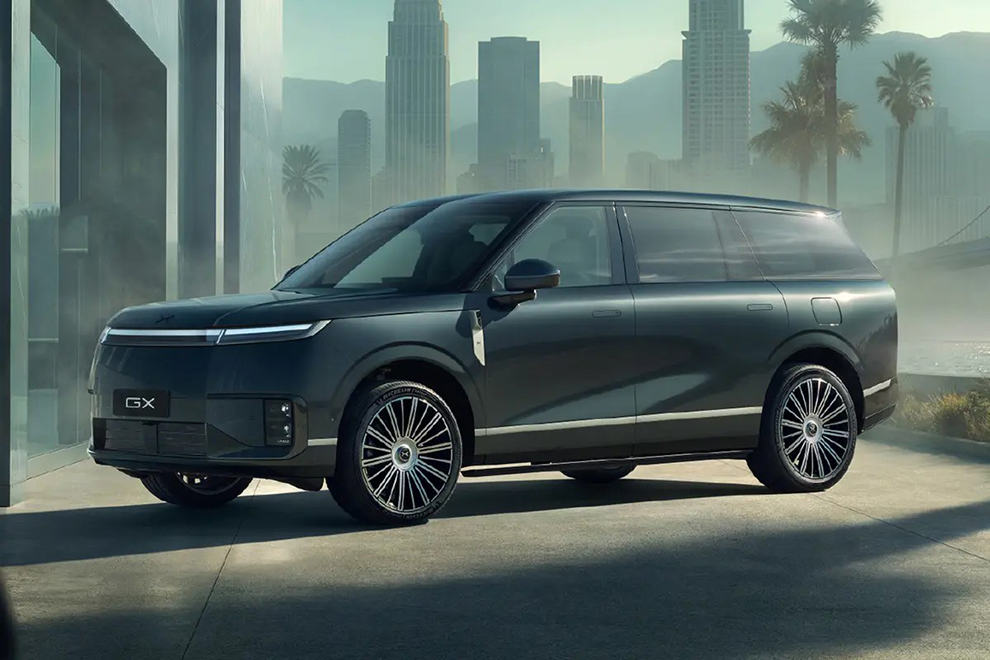
At a glance
- The XPeng Gx offers both pure-electric and range-extended large-SUV formats for overseas buyers.
- Model names distinguish 665 and 750 BEV range configurations from the 1585 range-extended version.
- Ultra, UltraSE and Flagship trims represent different equipment and drivetrain tiers.
- Used Gx vehicles can suit tested fleets, provided the VIN, service history and battery condition are independently checked.
- Export pricing should be evaluated as a live, condition-specific quote within a complete landed-cost model.
- Charging access, LHD/RHD configuration, homologation and after-sales support determine real-world export viability.
Why the XPeng Gx matters for export markets
The XPeng Gx is a large, technology-led SUV positioned for overseas buyers who want a spacious Chinese vehicle with both pure-electric and range-extended options. Its export proposition is not simply a lower purchase quote; it combines a broad drivetrain choice, distinct equipment tiers and a modern connected-vehicle product. For dealers, that creates a useful alternative to European premium SUVs and to established Chinese export nameplates. The appeal is strongest where buyers need flexible energy strategies but must still build a credible after-sales and compliance plan before delivery at scale locally.
Global demand for this segment is being shaped by two forces: tightening emissions policy and the uneven availability of charging infrastructure. A range-extended Gx can support longer-distance use without requiring every journey to end at a charger, while a pure-electric version supports zero-tailpipe-emission driving where the local grid and duty cycle are suitable. Neither format removes the need to investigate charging access, insurance treatment or residual-value support. Buyers should assess those factors by route, not rely on headline range, because local speed limits, temperature, load and towing can materially change real-world energy use.
For importers and fleet buyers, the Gx can fill a gap between compact EVs and high-cost luxury models. It is particularly relevant for company-driver programmes, hotel and executive fleets, and regional distributors that need a flagship-grade product without moving to a premium European badge. Export viability still depends on parts distribution, technician training and residual-value assumptions, so the vehicle should be selected as a long-term operating asset rather than judged from catalogue imagery alone. Local service standards, diagnostic access and parts lead times can determine whether an attractive import remains commercially viable.
Model range, trims and powertrain variants: how the lineup is structured and how to choose
The lineup is organised around two energy architectures: Pure Electric 665/750 versions and a Range-Extended 1585 version. The numbers are range designations embedded in the model names, so they should be treated as a quick way to distinguish configurations, not as a substitute for the exact test-cycle figure in the listing. Ultra, UltraSE and Flagship names indicate different equipment and drivetrain tiers rather than separate energy systems. Buyers should therefore compare battery version, range basis, driven wheels and destination-market equipment on each individual vehicle before agreeing the final specification in writing.
For a pure-electric buyer, the 665 and 750 designations separate shorter- and longer-range-oriented versions. The longer-range derivative may suit high-mileage fleets, routes with limited public charging or larger payloads, but only if local charging power, connector arrangements and electricity operations are suitable. The shorter-range option may fit buyers whose routes stay within dependable charging coverage, although the live specification must confirm the actual battery and motor outputs. Buyers should still evaluate charging time, connector compatibility and real-world payload before accepting the shorter-range label. It is a route decision, not a range-number decision alone.
The range-extended 1585 versions are the logical choice for routes where long distance, frequent towing or sparse charging make a battery-only vehicle impractical. All-wheel-drive and four-wheel-drive Flagship variants add a performance-oriented choice, while Ultra and UltraSE trims can serve buyers who prioritise equipment over flagship branding. Because EREV operating results depend on how the vehicle is used, a buyer should ask whether the headline figure is electric-only or combined and how the engine, fuel tank and charging system are specified. That distinction is essential when comparing total fuel, electric-energy and maintenance costs.
- 665 and 750 distinguish BEV range-labelled versions.
- 1585 identifies the range-extended model family.
- UltraSE, Ultra and Flagship mark separate configurations.
New vs used XPeng Gx: how export inventory is structured and how buyers choose
Chinese export inventory can contain new vehicles, demonstration units and previously registered cars, so the correct comparison is condition-adjusted rather than based on the badge alone. A new unit is attractive when warranty transfer, known delivery mileage and cosmetic condition matter most. A used unit can be equally rational for a buyer with a defined budget, established servicing capability and a clear inspection protocol, provided depreciation and mechanical risk are reflected in the quote. Buyers should also ask whether the vehicle has been used as a demonstrator, fleet car or private vehicle.
For a used XPeng Gx, request the VIN, registration history where available, service records, battery health evidence and photographs of the body, wheels, cabin and charging connections. A low odometer reading is helpful but does not substitute for a diagnostic inspection or a clear battery-soh policy. Compare the same trim and powertrain, because asking a seller to reconcile a 665 pure-electric car with a range-extended listing can hide differences that matter after export. An independent pre-purchase inspection remains the best control against cosmetic repair, undisclosed damage or software and charging faults.
The purchase decision should model total operating cost, not just the vehicle amount in a live listing. For a used unit, reserve budget for inspection, corrective work, missing accessories, software configuration and eventual battery or drive-unit risk. For a new unit, confirm warranty eligibility after shipping, service inclusions, delivery inspection and any factory transportation or documentation charges. The current condition and availability of each vehicle must be confirmed on the live ChinaCarDirect inventory. Use the unit identifier to avoid carrying assumptions from one vehicle or quotation into another without checking the listing.
- VIN and service history must match the quoted unit.
- Inspect battery state of health before a used-unit purchase.
- Confirm warranty transfer after export and delivery.
How export pricing works: the factors behind a live listing price, and how to read one
A live XPeng Gx export quote is the result of several variables, not a universal model price. The vehicle year, exact trim, battery version, range designation, drivetrain, mileage, condition and history all influence the seller’s asking position. Market movements also matter: the renminbi-to-dealer-currency exchange rate, freight space, insurance and local taxes can change the landed total even when the catalogue description remains unchanged. Buyers should compare like with like and read the Incoterm, since EXW, FOB and delivered pricing place different costs and risks on the buyer or seller.
Read each live listing line by line. Check whether the displayed amount is the vehicle price, an asking price, or subject to seller confirmation; identify what the mileage and condition fields mean; and note the powertrain, trim and drive layout. Then build a separate landed-cost worksheet covering inland transport, export handling, freight, insurance, destination charges and sales tax. The vehicle amount alone is not the amount a buyer will ultimately budget. Any discount should be evaluated against the total exposure, including payment timing and the risk of unlisted repair or compliance work.
Currency conversion must be locked or clearly stated at quote stage, especially when an order, deposit and balance are paid at different times. Ask whether the seller can hold the quoted unit, how long that hold remains valid and what event triggers repricing. Exact price, minimum order and availability are shown per unit in the live ChinaCarDirect listings; those figures, rather than an old enquiry or a remembered marketplace observation, become the basis for a binding pro forma invoice. Send the unit identifier with the request so every party references the same vehicle.
- Compare identical trim, range version and condition.
- Separate vehicle price from landed, duty-paid cost.
- Confirm quote validity and currency before a deposit.
MOQ, ordering and payment: single units vs consolidating a container
MOQ is not a permanent property of the model; it is a commercial term attached to the seller, stock lot and transaction. A dealer testing the market may request one vehicle, while a container order may qualify for different unit economics. Live listings indicate the applicable minimum for each unit, but the buyer should still obtain written confirmation. Never infer a guaranteed one-unit MOQ, container commitment or discount from a general catalogue page. The pro forma invoice and sales contract should state the minimum, unit allocation, cancellation terms and consequences if the seller cannot supply the agreed quantity.
A single-unit purchase is useful for dealer evaluation, a pilot fleet or a customer requiring a specific configuration. It reduces inventory exposure but may offer less favourable freight terms and no volume allowance. Wholesale consolidation spreads transport, documentation and compliance costs across more units, but ties up capital, requires careful configuration matching and increases the consequences of one damaged or non-compliant vehicle. Compare the all-in cost per unit rather than assuming a full container is automatically cheaper. A mixed container can also complicate aftermarket parts, software, charging equipment and customer-positioning decisions.
Ordering should proceed from specification lock to commercial documents. Confirm the VIN or production identity, colour, trim, powertrain, options, condition and destination-market requirements; then obtain a pro forma invoice showing the unit price, MOQ, deposit, balance, payment method and cancellation terms. Use a protected payment channel and verify the seller entity, bank details and invoice consistency. Do not release a balance merely because a photograph or tracking message appears. For larger orders, define inspection, acceptance, rejection and replacement procedures before funds become non-refundable in the written contract or are released.
- Confirm MOQ per unit, not from an old catalogue.
- Lock VIN, configuration and condition in writing.
- Define inspection and rejection rules before final payment.
Shipping, homologation and market compliance caveats: LHD/RHD and import rules by country
Shipping an electric or range-extended SUV requires more than booking a vessel or container. Confirm the packing method, battery declaration, charging equipment, loose accessories, vehicle documents and whether the seller or buyer controls export customs. Freight cost depends on route, mode, dimensions, weight, cargo value, insurance and pickup or delivery locations. Transit time is only one variable; port handling, documentation delays, weather and final-mile capacity can extend the schedule. Do not treat a carrier’s door-to-door estimate as a guarantee until the parties define what is included and which party bears delay risk.
Left-hand-drive and right-hand-drive availability must be verified for the specific trim rather than assumed from the brand. A Chinese-market listing may not include the steering configuration, exterior equipment, software, radio or charging provisions required in the destination country. Local homologation can cover vehicle type approval, emissions, safety, data and cybersecurity, connected services, warranty parts and language support. Rules differ by country and can also apply differently to range-extended and battery-electric classifications. Engage a local customs broker or compliance specialist before committing, because tax treatment cannot be inferred from the powertrain label alone.
Before loading, agree a documented handover inspection covering exterior panels, glass, tyres, battery warnings, charging cables, software display, mileage and included documents. For used vehicles, add a diagnostic scan and a recorded battery condition report. Keep evidence because it supports condition claims, insurance, claims handling and delivery acceptance. The importer should also plan temporary storage or registration if the vehicle cannot clear customs or receive local approval immediately after arrival. Confirm whether insurance begins during inland transit, at the port, or after delivery, since that gap can expose the importer.
- Confirm LHD or RHD for the exact variant.
- Obtain destination-specific type approval and tax advice.
- Record condition, battery status and handover evidence.
Who should buy the Gx — and who should pick a different vehicle
The Gx best fits buyers who want a large, modern Chinese SUV and value the choice between pure-electric and range-extended operation. It can suit distributors building a premium or technology-led range, corporate fleets with charging access, and families or executive operators who travel beyond dense charging networks. The strongest case is where local technical support can be established and the vehicle will remain in service long enough to justify learning its connected systems. Buyers focused on low running costs should model electricity access, insurance and likely resale demand in the destination market.
A buyer without dependable home or depot charging should think carefully before selecting a pure-electric Gx. Public infrastructure may be adequate for some routes but unreliable for intensive fleet use, and charging adapters alone do not solve network access, tariffs or connector compatibility. Conversely, someone seeking a straightforward combustion-only vehicle should not choose an EREV on the assumption that it eliminates fuel, maintenance and regulatory obligations; the range-extended system still uses an engine and fuel. Buyers needing a proven dealer network, simple servicing or conservative residual values may prefer a more established rival.
The Gx may be the wrong choice for a small-order buyer with no import capability, a buyer focused only on minimum acquisition cost, or an operator whose duty cycle cannot support either charging or long-distance range. Very light urban use can make a smaller EV easier to charge and insure, while a commercial operator may prioritise durability, payload and parts availability over panoramic comfort or software. Before ordering, list the five hardest operating conditions: daily distance, overnight parking, cargo, climate, and route coverage. Turn those answers into a measurable specification and shortlist.
Main rivals and how the Gx compares
The closest conceptual rival is the Li Auto L9, which directly targets large family and executive buyers with range-extended and battery-electric choices in some markets. The L9 may appeal to buyers already familiar with Li Auto’s range-extended experience, while Gx buyers should compare local charging access, software, rear-seat usability, parts support and homologated equipment. Because specifications and prices change by market and model year, compare the exact destination versions rather than generic range headlines. The Gx’s attraction lies in adding another Chinese technology alternative with distinct trim and drivetrain choices.
The Zeekr 9X is another large premium SUV with pure-electric and range-extended offerings in markets where those versions are homologated. It is a natural fit for buyers focused on a high-tech cabin, performance and charging capability, and its broader Geely ecosystem may matter to distributors. Compare the Gx on seat layout, real-world range, software, service coverage and local battery support rather than assuming that similar size and prestige make the vehicles interchangeable. A route-based operating-cost comparison can reveal whether the Gx’s powertrain choices better match the buyer’s routes and charging access.
The Nio ES8 is a useful premium full-electric benchmark, particularly for buyers already attracted to Nio’s connected-cabin and service experience. It makes sense when the buyer is committed to full-electric operation and values an established ecosystem rather than an EREV alternative. The Gx may be more flexible for mixed travel, yet the final decision should rest on verified battery, charging, seating and aftersales data for the exact destination specification. It is also a reminder that premium alternatives may carry different residual-value and dealer-support assumptions in export markets for local fleets.
- Li Auto L9: direct range-extended family-SUV alternative.
- Zeekr 9X: premium large SUV with technology focus.
- Nio ES8: full-electric benchmark for ecosystem buyers.
Live XPeng Gx export inventory
View all listings →Real units currently on ChinaCarDirect with per-unit asking prices and MOQ. Availability updates live from the catalogue.
How to buy a XPeng Gx from China
-
1
Choose the powertrain and trim
Map daily distance, charging access, towing and passenger needs to the Pure Electric or Range-Extended option. Then compare the relevant Ultra, UltraSE or Flagship configuration rather than selecting by range label alone.
-
2
Shortlist a live unit
Review the current XPeng Gx inventory and select units with matching powertrain, trim, condition and destination-market equipment. Record the unit identifier so the seller and buyer discuss the same vehicle.
-
3
Verify identity and condition
Request the VIN, production details, service history, equipment list and photographs. For a used vehicle, add an independent diagnostic inspection and documented battery state-of-health report.
-
4
Request a landed quotation
Specify the destination, Incoterm, quantity and required timeline. Ask for a breakdown covering vehicle cost, inland transport, export handling, freight, insurance, customs and destination taxes.
-
5
Lock MOQ, payment and documents
Confirm the binding minimum, unit allocation, deposit, balance, payment method, cancellation terms and inspection procedure in writing. Verify the seller entity, invoice and protected payment details before transferring funds.
-
6
Prepare for shipping and compliance
Agree export documentation, battery declarations, LHD/RHD configuration, destination homologation and pre-loading inspection. Plan customs clearance, local registration and a delivery acceptance check before the vehicle departs.
Gx vs rivals
| Li Auto L9 | A direct conceptual rival for large family and executive buyers, particularly in range-extended form. Choose the L9 when its local service ecosystem and rear-seat package are priorities; choose the Gx when its specific trim and powertrain mix better fit your route. |
|---|---|
| Zeekr 9X | A close premium large-SUV alternative with pure-electric and range-extended versions depending on the market. The 9X may suit performance and high-tech buyers, while the Gx should be selected on verified range, charging and support for the destination. |
| Nio ES8 | A premium full-electric benchmark with a strong connected-cabin and ownership ecosystem. It suits buyers committed to BEV operation; the Gx adds the option of range-extended operation for routes with less predictable charging access. |
Frequently asked questions
How is XPeng Gx export pricing determined?
Live prices reflect the vehicle year, trim, range or battery version, mileage or condition, exchange-rate movements and seller terms. Freight, insurance, customs, taxes and Incoterm allocation can change the landed cost, so compare written quotes on the same basis. Check the current unit price, MOQ and availability on the live XPeng Gx listings; the pro forma invoice and contract confirm the binding terms.
Which powertrain and range options does the Gx have?
The Gx is offered in Pure Electric and Range-Extended forms. Trim names carry 665 and 750 range designations for BEVs and 1585 for the range-extended model; whether a figure is CLTC, electric-only or combined must be confirmed in the live listing and destination homologation. Selected versions are all-wheel drive, while motor, battery-capacity and charging data should be verified per unit.
Should an overseas buyer choose a new or used XPeng Gx?
A new vehicle can offer known delivery mileage, warranty eligibility and consistent cosmetic condition; a used vehicle may reduce initial depreciation but carries history, battery and repair risk. For either, compare equivalent trims and powertrains, then review the VIN, service records, diagnostic inspection, battery condition and delivery photographs. Availability is unit-specific, so confirm the status on the live listing.
What is the MOQ for an XPeng Gx order?
MOQ is set by the seller, stock lot and transaction rather than being a permanent model specification. The live listing shows the current minimum for each unit, but the buyer should obtain written confirmation. Single-unit pilot purchases and wholesale container orders have different freight and unit economics, so state the intended quantity and configuration in the RFQ.
What determines shipping time and cost?
Shipping cost depends on the route and mode, vehicle dimensions and weight, cargo value, insurance, pickup and delivery locations, port charges and the selected Incoterm. Timing can be affected by export documents, customs clearance, port handling, weather and final-mile capacity. Ask the freight forwarder for a detailed schedule, cost breakdown and contingency plan rather than relying on a generic model estimate.
Are spare parts available for the XPeng Gx?
Parts support depends on the destination, model year, trim, powertrain, software and steering configuration. Relevant stock can include body parts, charging cables, electronic modules, cabin components and driver-assistance sensors, but coverage should not be assumed. Before shipment, obtain a parts list, prices, lead times and the local warranty or service channel for the exact vehicle.
Is a right-hand-drive XPeng Gx available?
RHD availability is market- and trim-specific and should not be inferred from a general Chinese inventory page. The seller must confirm steering configuration, local equipment, homologation, charging provisions and software before an order is confirmed. If factory RHD is unavailable, evaluate a local conversion only after checking regulatory approval, warranty and parts implications.
How do I order an XPeng Gx from China?
Select a unit from the live inventory and send ChinaCarDirect the unit identifier, desired configuration, destination, quantity and preferred Incoterm. Review the pro forma invoice for price, MOQ, payment milestones, cancellation terms, inspection rules and export documents before paying. Complete shipping, customs, destination homologation and a documented delivery inspection through the agreed parties.
Ready to source the XPeng Gx?
Send the live unit ID, destination, desired configuration and Incoterm to ChinaCarDirect for a current export quotation.
Request a quote