
XPeng P7 Export Guide for Dealers and Fleet Buyers
Compare XPeng P7 trims, powertrains, range and export pricing, then learn how overseas dealers source, inspect, ship and import the right vehicle.
At a glance
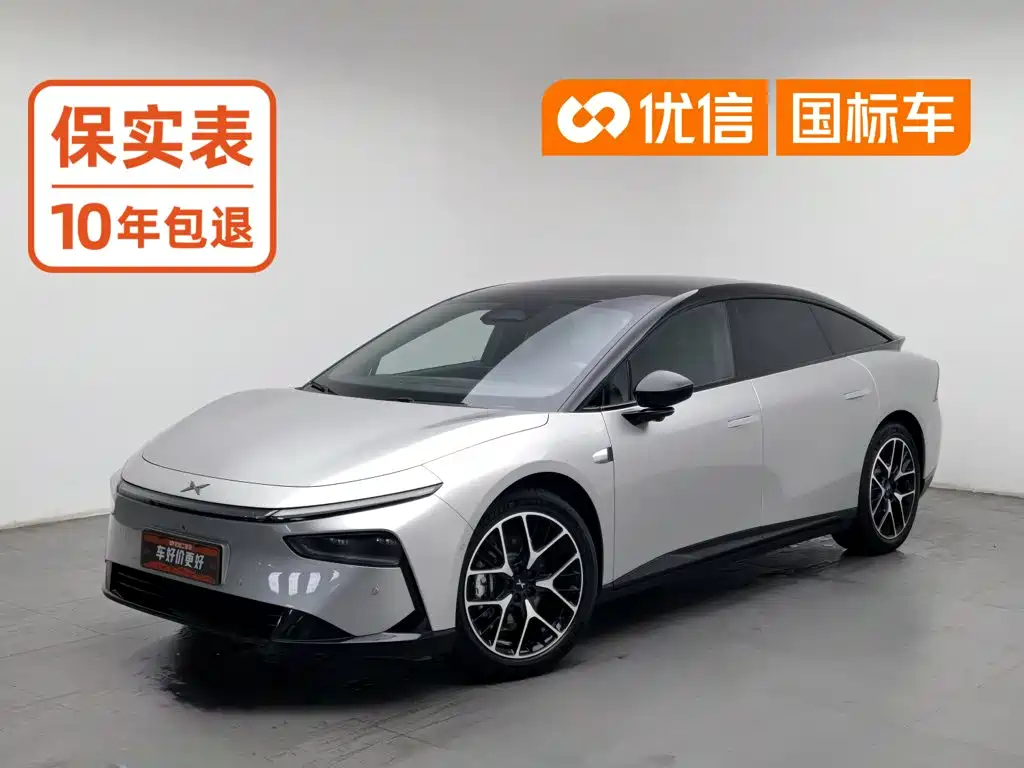
- The XPeng P7 is a mid-size battery-electric liftback combining premium technology, sporty styling and export-oriented value.
- Trim labels and range figures vary by generation, so the model year, battery version and range test cycle must be verified.
- Live searches may include the larger P7+, making badge and body-code confirmation essential before ordering.
- Export pricing should be compared using a common destination, Incoterm and all-in landed-cost structure.
- A new car favors specification consistency, while a used P7 can suit buyers able to inspect battery and repair history.
Why the XPeng P7 matters for export markets
The XPeng P7 occupies a useful middle ground in China’s export-oriented electric sedan market: a mid-size liftback with premium cabin technology, strong performance credentials and the range efficiency expected from a battery-electric platform. It appeals to overseas dealers seeking a visually distinctive, driver-focused alternative to anonymous fleet sedans, without moving into the cost and service burden of a full-size luxury saloon. The P7’s appeal is therefore not simply specification, but the combination of technology, styling and export sourcing value. For importers, that balance makes the model worth shortlisting against other Chinese premium EVs and established international sedans.
Demand for this kind of vehicle is strongest where local buyers associate Chinese electric cars with rapid technology cycles but dealers still require a model that feels premium in daily use. The P7 suits showroom positioning, company-car programs, executive fleets and performance-oriented ride-hailing operations, provided the importer can support its software, charging and spare-parts requirements. Buyers should assess the complete ownership proposition rather than assume that a long headline range or advanced screen will compensate for weak local servicing. That makes market fit, homologation and aftersales planning more decisive than badge recognition.
One practical complication is naming. Live searches for the P7 can also surface the related P7+, which is a larger derivative with different dimensions, powertrain options and equipment. A buyer who values the P7’s compact executive-liftback format must confirm the exact badge in photographs, model code and listing title. This distinction prevents a larger P7+ from being ordered by mistake and also allows an importer to compare genuinely different products instead of treating their headline range figures as equivalent. It is especially important when comparing quotations, shipping assumptions or expected resale positioning.
- Verify P7 versus P7+.
- Check destination software support.
- Plan homologation and local service.
Model range, trims and powertrain variants: how the lineup is structured and how to choose
XPeng P7 trims are easier to understand as a progression rather than a single fixed menu. The earlier family includes labels such as 480N, 480E, 550 Pro, 625E and 670-series versions, while later P7i vehicles use names such as 550 Pro and the 702/725 Max grades. These labels denote equipment, battery and marketed-range combinations, but their test cycles and model years are not always identical. The correct method is to read the complete listing, then verify the relevant specification sheet for the exact vehicle before making a range-based purchasing decision and the actual homologated configuration.
Powertrain choice needs special care because the marketplace contains both P7 and P7+ records. The P7 is a battery-electric liftback; common configurations use a single electric motor, while certain performance derivatives use multiple motors and all-wheel drive. Some P7+ entries are pure electric, and the wider P7+ family also appears with an extended-range powertrain. That range-extended configuration should not be attributed automatically to a conventional P7. Ask the seller for the VIN, powertrain and battery details before treating a listing as equivalent to the model shown in the photographs.
For range selection, start with the duty cycle, not the largest number in the trim name. Chinese-market range labels may use CLTC or NEDC depending on model year, and neither directly predicts an approved overseas WLTP figure. Long-distance fleet use needs a realistic margin for temperature, load, motorway speed and charging stops; urban company use may prioritize cabin equipment and battery condition instead. Compare usable energy, charging compatibility and local consumption data, and request the certification documents that correspond to the exact car rather than relying on a generic model-level specification sheet.
- Read full trim codes.
- Separate P7 from P7+.
- Confirm the range test cycle.
New vs used XPeng P7: how export inventory is structured and how buyers choose
A new XPeng P7 is the cleaner route when the importer wants current interfaces, coherent factory specification and the strongest basis for warranty handling. It avoids uncertainty around battery degradation, prior charging habits and cosmetic repair, while allowing the buyer to specify a trim and compare several live configurations directly. The trade-off is that new supply may carry a longer order or delivery path, and the final invoice should still be checked against the promised production year, equipment list and any dealer-installed accessories before committing funds to an export order.
A used XPeng P7 can make more sense for a dealer or fleet testing demand at lower initial capital exposure. The vehicle may represent an earlier P7 or P7i generation, so buyers should expect a different mix of range, driver-assistance hardware and cabin software from a newer car. Evaluate battery state of health, DC charging performance, high-voltage warnings, accident repairs, tyre condition and remaining manufacturer or distributor support. A lower purchase price does not remove the need for a pre-shipment inspection and clear ownership documents for the importing jurisdiction involved or the destination market.
Export inventory should be read as a set of individual opportunities, not a uniform product catalogue. New listings represent factory cars or current production derivatives, while used listings can be dealer stock, ex-fleet cars or vehicles with different ownership histories; those descriptions must be verified rather than assumed. Because P7, P7i and P7+ names overlap in search results, filter by the exact model, year, trim and condition, then open the live inventory to review current availability. The stock status and terms shown there are more useful than a general market snapshot.
- New: current specification and warranty route.
- Used: inspect battery and repairs.
- Verify ownership history.
How export pricing works: the factors behind a live listing price, and how to read one
An XPeng P7 export price is not a fixed model-wide number because the underlying vehicle and delivery scope can change materially. Model year, trim, battery and range version, motor configuration, mileage, condition, ownership history and optional equipment all influence the seller’s asking position. The destination currency exchange rate also matters. Freight, marine insurance, port handling, inland transport, customs charges, taxes and any conversion work then determine the landed cost. A buyer should therefore compare like with like rather than treat the lowest visible number as the cheapest delivered vehicle involved for the buyer.
When opening a live listing, separate the vehicle price from the total import budget. Check whether photographs and the title match the requested P7 or P7+, and confirm whether the stated range is CLTC, NEDC or another cycle. Review battery version, drivetrain, mileage, condition notes, VIN availability and included documents. Then read the Incoterm, payment schedule, production or dispatch timing and warranty scope. Ask the supplier to identify every charge excluded from the displayed figure, because responsibility for those costs may move to the buyer or remain with the seller under the stated terms.
A sound price-comparison method is straightforward. Save the exact live record, note its reference number and requested quantity, and request a written quote for the same destination and Incoterm. Repeat the process with one used and one new alternative, then add the same estimated freight, insurance, duty and local charges to each. This creates a comparable acquisition view without relying on transient marketplace averages. Exact current prices and availability should always be taken from the live ChinaCarDirect listings, while the seller’s written quotation remains the binding commercial reference for the transaction.
- Normalize quotes by destination and Incoterm.
- Add freight, insurance, duties and taxes.
- Use current per-unit listings.
MOQ, ordering and payment: single units vs consolidating a container
Minimum order quantity is a transaction term, not a permanent attribute of the XPeng P7. Some live offers may be sold unit by unit, while other arrangements can involve several vehicles consolidated into one container or shipment. The applicable MOQ must be confirmed on the selected listing and in the supplier’s quotation, especially for mixed trims, colors, production timing or dealer allocation. Buyers should not infer a market-wide rule from one product or from another seller’s terms. This avoids designing a business plan around an assumed quantity that the actual source cannot supply.
The practical ordering sequence begins with the desired derivative, destination, quantity and delivery term. Submit an RFQ that asks for matching vehicle references, production year, trim, range label, drivetrain, condition, documents, warranty and a breakdown of all charges. The supplier should then confirm specification, availability and dispatch timing in writing. Review the sales contract carefully for payment milestones, inspection rights, cancellation terms, title transfer and the point at which risk passes. No deposit should be sent until the buyer is satisfied with the identity of the vehicle and the legal seller.
Payment structure should match the risk and the order size. For a single vehicle, the buyer may prefer a clear deposit-and-balance arrangement linked to documentary milestones and an agreed inspection. For a consolidated order, define how deposits are allocated across units, what happens if one vehicle is unavailable, and how titles and shipping documents are released. Use only a payment method and escrow arrangement the buyer understands and can verify, while reconciling the beneficiary details with the contracting entity. Warranty reimbursement and refund procedures matter especially for used cars whose remaining factory support may be limited.
- Confirm MOQ on each listing.
- Link deposits to clear milestones.
- Verify seller and beneficiary details.
Shipping, homologation and market compliance caveats: LHD/RHD and import rules by country
Transport planning starts with the vehicle’s battery-electric configuration and the destination. Dealers should obtain an all-in shipping quotation covering origin handling, carrier charge, documentation, marine insurance, destination port or terminal charges, customs brokerage, delivery and inland haulage. Ro-ro and container arrangements have different handling patterns, while securing methods, loading plans and battery-related carrier declarations must be confirmed for the carrier. Transit duration affects carrying cost and market timing, so it should be compared with expected retail readiness rather than treated as a fixed promise and should account for vessel and port congestion.
Most Chinese-origin P7 cars are configured for left-hand drive, so right-hand-drive demand requires particular care. Factory RHD availability can vary by model year and destination, and aftermarket conversion is not automatically acceptable because steering, safety systems, controls and certification must all be addressed. Before paying, ask for the VIN, actual driving-side configuration and evidence of destination-market approval. If the supplier offers an RHD car, verify that it is a documented original configuration rather than an unconfirmed conversion. This check should occur before shipping, because reversing it overseas is costly and disruptive.
Local market compliance is separate from proving that a car can be shipped. The importer may need vehicle type approval, registration, road tax or insurance, emissions and charging rules, connector or adapter treatment, software language, cybersecurity and data requirements, and a compliant warranty and recall process. Electric incentives should never be assumed to survive export or re-registration. Confirm the applicable customs classification, duties, taxes and importer-of-record responsibilities with a broker or authority. If the vehicle is being converted from LHD to RHD, allow additional technical and inspection work before it can be sold.
- Quote freight and destination charges together.
- Confirm LHD or RHD before payment.
- Check local approval and warranty.
Who should buy the P7 — and who should pick a different vehicle
The P7 is most suitable for an importer that wants a premium electric liftback with strong visual appeal, rich technology and a China-sourced alternative to higher-cost imported sedans. It can work well for corporate demonstrations, executive pools, premium ride-hailing and dealer test fleets where charging infrastructure and software support are ready. The strongest case is where the operator can exploit the vehicle’s efficiency and comfort while maintaining a clear plan for diagnostics, parts and software-related service. A good buyer values the P7’s complete proposition, not just its specification sheet or headline range alone.
A used P7 can broaden access to the model, especially for a buyer comfortable with an earlier interface or hardware package. It may suit a local operator seeking a demonstration vehicle rather than a standardized new fleet, provided the battery report, software region, repair history and serviceability have been checked. Conversely, a fleet needing identical hardware across vehicles should normally favor a consistent new configuration. Mixed generations can create training, resale and parts complexity, so the operational objective should determine whether the saving from a used purchase is genuinely valuable.
The P7 may be a poor choice where right-hand-drive supply is essential, charging standards or local data rules create major conversion work, or the importer has no realistic high-voltage service pathway. Buyers on a tight budget should also account for compliance work, software configuration and parts inventory rather than comparing only the vehicle’s acquisition listing. It is not the best answer for operators prioritizing a small, simple car with extensive global service coverage or a rugged utility body. In such cases, a rival with clearer local support may deliver a lower total risk.
- Best for premium fleet and dealer pilots.
- Used cars require technical inspection.
- Avoid unsupported RHD or service markets.
Main rivals and how the P7 compares
BYD Han EV, Tesla Model 3 and NIO ET5 are the most useful strategic comparisons for a P7 buyer, although each occupies a slightly different position. The Han EV is a larger Chinese premium sedan with a strong domestic manufacturing base; the Model 3 is a more compact global-volume electric saloon; the ET5 is a China-premium battery-electric sedan with a technology-focused buyer base. These vehicles compete for the same company-car and showroom budgets, but their size, service networks, charging approaches and residual-value assumptions differ. The right benchmark therefore depends on the importer’s market and operating model.
Against the BYD Han EV, the P7 offers a more driver-focused liftback format and a different technology and pricing proposition, while the Han may benefit from greater scale in China and more familiar ownership in some markets. Against the Model 3, the P7 generally emphasizes comfort, richer in-car technology and a more distinctive body, whereas the Tesla has a more standardized global service and charging proposition. The ET5 is a closer China-premium peer in positioning, but local service coverage and its battery-swap proposition can decide the choice. None dominates every element comfortably.
Procurement should compare total operating assumptions, not badges. Build a common requirement sheet covering body size, five-passenger availability, range methodology, charging access, software region, safety and driver-assistance expectations, homologation, parts lead time and resale channels. The P7 is particularly competitive where its design, cabin experience and China-sourced specification create visible customer appeal, but it is less compelling where buyers prioritize ubiquitous service or simple global charging. A shortlist of two or three rivals is sensible; request current P7 and rival quotations on equivalent delivery terms, then test the assumptions with a pilot rather than committing the entire fleet at once.
- BYD Han EV: larger premium alternative.
- Model 3: global-service benchmark.
- NIO ET5: close China-premium peer.
Live XPeng P7 export inventory
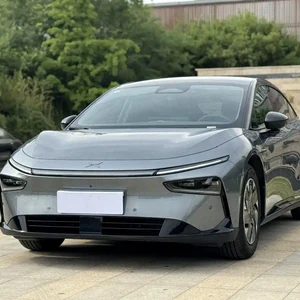
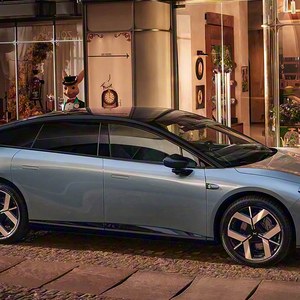
View all listings →Real units currently on ChinaCarDirect with per-unit asking prices and MOQ. Availability updates live from the catalogue.
How to buy a XPeng P7 from China
-
1
Define the exact vehicle
Confirm whether you require a P7 or P7+, then specify model year, trim, powertrain, driving side, range test cycle and intended operating conditions.
-
2
Review the live inventory
Open the current P7 listings and check the title, photographs, vehicle references, production year, condition, mileage, documents and VIN availability.
-
3
Verify technical condition
For a new car, reconcile the promised equipment with the invoice. For a used car, request battery state-of-health, charging, high-voltage, software and repair-history evidence.
-
4
Request a written quotation
Use the same destination, quantity and Incoterm for competing vehicles, with freight, insurance, duties, taxes, port charges, inland delivery and conversion itemized separately.
-
5
Confirm MOQ and order terms
Check the applicable MOQ and mixed-unit rules on the selected listing. Define deposits, inspection rights, cancellation terms, title transfer and risk-transfer points in the contract.
-
6
Clear compliance before payment
Have a local broker confirm type approval, taxes, charging requirements, software and data rules, warranty coverage, RHD suitability and importer-of-record responsibilities.
-
7
Inspect, secure and ship
Complete a pre-shipment inspection, verify the VIN and export documents, agree loading and securing arrangements, confirm marine insurance and track the vehicle through port and inland delivery.
P7 vs rivals
| BYD Han EV | The Han EV is a larger Chinese premium BEV sedan and a strong value-oriented alternative. The P7 is more driver-focused and distinctive, while the Han may benefit from greater manufacturing scale and more familiar ownership in some markets. |
|---|---|
| Tesla Model 3 | The Model 3 is a more compact, globally standardized electric saloon with an established charging and service proposition. The P7 places greater emphasis on a premium liftback format, comfort and in-car technology. |
| NIO ET5 | The ET5 is a close China-premium peer with a strong technology focus. Its local service coverage and battery-swap proposition can be decisive, but those advantages depend heavily on whether the relevant ecosystem is available in the export market. |
Frequently asked questions
How is the XPeng P7 export price determined?
The price depends on model year, trim, battery and range version, drivetrain, mileage, condition, exchange rates, freight, insurance, duties, taxes and the selected Incoterm. Exact current per-unit figures should be checked in the live XPeng P7 listings, while a written supplier quotation provides the binding commercial terms.
What powertrain and range choices does the XPeng P7 have?
The conventional P7 is battery electric, with single- and multi-motor configurations depending on the trim. Related P7+ records can be pure electric or range-extended. Listing names include several marketed range labels, but CLTC and NEDC figures are not directly comparable, so the exact battery, motor, drivetrain and range certificate should be confirmed for the VIN.
Is a new or used XPeng P7 better for export?
A new P7 is generally preferable for fleet standardization, current software and a clearer warranty pathway. A used XPeng P7 can reduce initial exposure or provide a more accessible demonstration vehicle, but it requires inspection of battery condition, accident repairs, charging performance, ownership documents and remaining local support.
What is the MOQ for XPeng P7 orders?
MOQ is set by the individual listing and seller rather than being a permanent model rule. Some vehicles may be purchased individually, while mixed orders can be consolidated into a container; confirm the quantity and any mixed-unit conditions on the live listing and in the written quotation.
What affects XPeng P7 shipping time and cost?
Origin dwell time, carrier schedule, transshipment, port congestion, customs clearance, inland transport, insurance and the chosen Incoterm all affect the delivered result. Request an all-in quotation and build a schedule around the actual route rather than relying on a generic transit-time promise.
Are spare parts available for the XPeng P7?
Parts can be sourced through the manufacturer’s channels, specialist suppliers or regional distributors, but availability depends on model year, VIN, software specification and destination. Before buying a fleet, confirm the parts catalogue, high-voltage service items, expected lead times and stocking plan for the vehicles being supplied.
Is a right-hand-drive XPeng P7 available?
Most Chinese-origin P7 vehicles are left-hand drive, and factory RHD availability varies by model year and destination. Do not assume that a conversion is compliant; verify the VIN, original driving-side configuration and destination approval before paying or shipping.
How do I order an XPeng P7 from China?
Review the live listings, shortlist exact vehicle references and submit an RFQ stating the destination, quantity, condition and preferred Incoterm. Ask for specification documents, payment milestones, inspection rights, export paperwork and warranty terms before paying, then complete the agreed inspection and shipping process.
Ready to source the XPeng P7?
Request a current XPeng P7 quotation for your destination, quantity and preferred Incoterm.
Request a quote