
ZEEKR 9x Export Buying Guide for Overseas Dealers
Buy a ZEEKR 9x from China with clear guidance on trims, battery options, export pricing, MOQ, shipping, homologation and key rivals for overseas dealers.
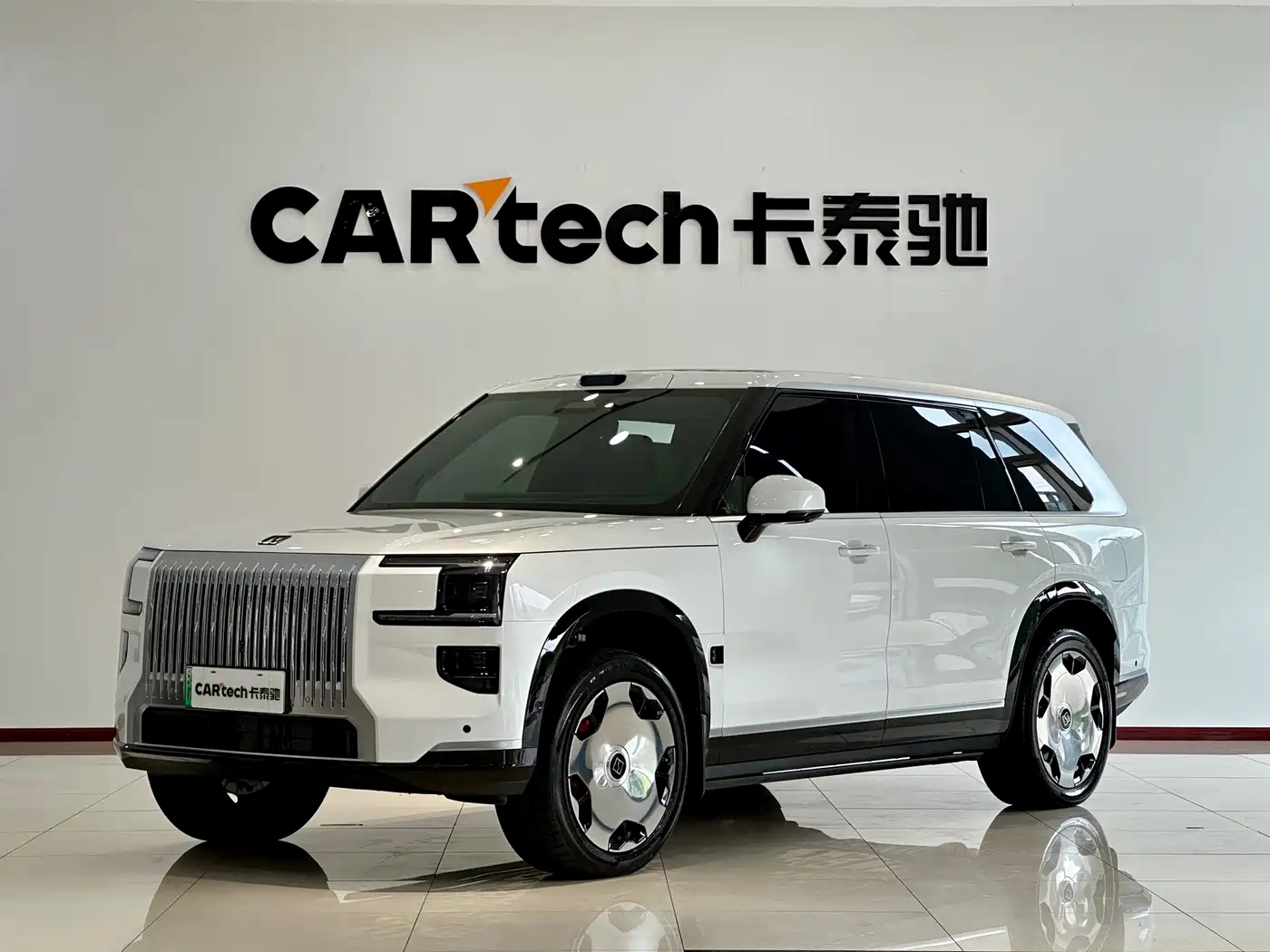
At a glance
- The ZEEKR 9x is a premium battery-electric SUV for family, executive and specialist-fleet use.
- Standard, Max, 70 kWh Ultra and Gloss Black labels require build-sheet verification rather than badge-only comparison.
- Export pricing is quote-driven and changes with configuration, condition, freight, Incoterm and destination charges.
- Single-unit and multi-vehicle orders may be possible, subject to the MOQ on each exact listing.
- Homologation, steering configuration, service and parts planning should precede any purchase commitment.
Why the ZEEKR 9x matters for export markets
The ZEEKR 9x is relevant to export buyers because it brings a China-built, battery-electric premium SUV into the large-family and executive-fleet segment. Its appeal is not simply low acquisition cost; it is the combination of a high-spec cabin, EV packaging and a model line that can be presented to customers who normally compare established premium SUVs. For distributors, that creates a clear proposition: a differentiated Chinese alternative without forcing buyers to accept a small utility vehicle. The 9x therefore rewards buyers who assess total ownership fit, not just headline specifications.
Demand for Chinese electric SUVs abroad is strongest where operators want premium features, strong in-cabin technology and lower operating complexity than combustion fleets. The 9x can suit that brief, provided the destination market accepts the vehicle’s design, software and charging approach. It should not be positioned as an off-roader or a budget transport: its value case depends on comfortable passenger use, polished presentation and the availability of dependable service. Those distinctions help importers avoid making claims that the model cannot support in its actual market before committing to a first container.
Export-market demand also depends on residual-value confidence, parts planning and regulatory access. A premium EV can attract early adopters, but an importer must still establish local charging compatibility, repair capability and realistic resale channels. The ZEEKR 9x should therefore enter a market as a supported product rather than an unsupported specification sheet. Where distributors have stronger ties with premium brands and can service Chinese vehicles credibly, the model has a clearer role; where those capabilities are absent, a simpler, more widely serviced electric SUV may be the safer wholesale choice.
- Premium BEV family and executive positioning
- Cabin technology drives buyer interest
- Service depth determines export viability
- Market fit outranks specification volume
Model range, trims and powertrain variants: how the lineup is structured and how to choose
Export listings identify the ZEEKR 9x around several labels, including Standard, Max, Ultra Edition 70kWh and Gloss Black Edition. These names help define the commercial offer, but they should not be treated as a complete technical matrix. Dealer naming can vary, and an appearance-focused edition may not change the battery or motor. For a reliable ZEEKR 9x specs comparison, request the VIN, factory build sheet, battery capacity, rated output, drivetrain and homologated range for each candidate rather than selecting from the badge alone. Confirm those documents before approving payment or booking freight.
The explicit 70kWh designation on the Ultra Edition is the most concrete battery reference in the available model range. It indicates that buyers should compare battery usable capacity, manufacturer range claims and real-world usability rather than assuming every 9x has identical endurance. A smaller pack may suit frequent urban operation and reduce charging time; a higher-capacity version, if offered for the destination, may better serve regional travel. Since the list contains a 70kWh designation but no confirmed universal range, verify all range and charging data on the exact live unit.
Choice should follow duty cycle and passenger needs. Standard and Max labels are sensible starting points, but the buyer must learn whether they differ in output, seating, equipment or software before comparing them. The 70kWh Ultra version may fit routes where charging intervals are predictable, while other configurations should be considered only if their verified range supports the operating plan. For fleet proposals, model route, dwell time, payload and charging access together; for dealer stock, mix a straightforward configuration with a higher-feature derivative after confirming local demand in the target segment.
- Verify every trim against its build sheet
- Match battery capacity to route
- Compare charging, output and seating
- Use VIN-level fleet approvals
New vs used ZEEKR 9x: how export inventory is structured and how buyers choose
New and used ZEEKR 9x vehicles should be evaluated as different procurement channels. Factory-new examples are easier to align with an importer’s warranty, homologation file and launch positioning, while a used example may offer a lower entry point or immediate availability. For this model, age alone is a weak proxy for condition. The useful question is whether the vehicle has a clear ownership history, documented mileage, service records and a battery condition report that supports the price being discussed before the vehicle is committed to purchase by the importing dealer.
For a used ZEEKR 9x, inspect the VIN, title or import-status documents, registration history, accident repairs, tire condition and software updates. Review battery usable capacity and any state-of-health statement rather than accepting a generic EV range claim. Ask for high-resolution images of the battery pack warning labels, charging port and underbody, and compare the odometer with auction or inspection records. A used unit can make sense for a controlled pilot, but only if local certification, spare-parts access and warranty treatment are documented in advance by the importing dealer in writing.
New inventory offers more control over specification consistency, which matters when a dealer is building a repeatable sales package or a fleet operator needs similar software and charging equipment. Used examples add variability and may carry unknown history in the destination market. For wholesale planning, separate these categories and calculate landed cost separately, including inspection, refurbishment and warranty provisions. Do not assume that a listing’s condition wording substitutes for physical or third-party inspection, especially when the vehicle will be sold under consumer warranty by the destination retailer to end customers.
- New vehicles simplify specification control
- Used vehicles require history checks
- Separate condition-specific landed costs
- Inspect high-value vehicles independently
How export pricing works: the factors behind a live listing price, and how to read one
A ZEEKR 9x export price guide should explain variables, not publish a fixed number that may quickly become outdated. The starting point is the vehicle itself: production year, exact trim, battery specification, drivetrain, options, mileage and condition. For a new unit, compare like with like; for a used unit, treat service history and inspection findings as price-relevant. Dealer naming may vary, so the VIN and build sheet are more reliable than an attractive edition badge. Confirm whether the displayed quote is ex-works, FOB or another Incoterm before comparing it with another offer.
Landed cost is then shaped by exchange-rate movement, Chinese inland transport, export documentation, ocean or air freight, marine insurance, destination handling and applicable taxes or charges. Battery cargo can affect freight routing and packing requirements, while the vehicle’s dimensions and securement needs affect container utilization. The destination port, delivery radius and dealer handling charges can move the final payable amount as much as factory options. Buyers should request a written quote with each component separated, so they can distinguish product value from logistics and identify where savings are genuinely available.
To read a live listing correctly, open the specific vehicle record rather than relying on a search-page headline. Check the year, trim wording, battery reference, condition, mileage, MOQ field and Incoterm. Then compare the same fields across shortlisted units. Ask the seller to recalculate the quote if exchange rates, destination charges or shipping scope change, and obtain the binding figures before placing funds. ChinaCarDirect’s live ZEEKR 9x inventory is where exact per-unit price, MOQ and availability must be verified, because none is stable enough to be represented by an evergreen buying guide.
- Compare like-for-like vehicle specifications
- Separate freight, insurance and destination charges
- Confirm Incoterm and quote validity
- Use live listings for current figures
MOQ, ordering and payment: single units vs consolidating a container
MOQ is a transaction rule, not a universal property of the ZEEKR 9x. Some sellers or vehicle lots will release one unit, while others may require several units or a full container, particularly when units are configured alike for fleet delivery. Read the MOQ shown on each live record and confirm whether it applies per trim, per seller or to the quoted lot. A one-unit inquiry is worth making for a dealer test car, but it should not be assumed available: the exact unit, production allocation and shipping consolidation still have to be agreed.
For wholesale orders, consolidation changes the commercial proposition. Buying several compatible vehicles can reduce per-unit inland handling and freight, improve container utilization and simplify parts and sales training. It also concentrates risk: if one specification is wrong for the local market, several identical vehicles become harder to reposition. Compare a mixed container with a uniform fleet batch by calculating the landed cost, expected sell-through speed and residual exposure for each. A smaller batch may offer better flexibility while homologation, launch timing or local demand remain uncertain in the target market.
A sound order process separates vehicle approval, payment and shipping. First freeze the specification and obtain a written pro forma invoice; then agree the deposit, balance trigger, inspection standard, refund remedies and document list in the contract. Payment should be released against verifiable milestones, not a stock photograph or generic model name. For a container, use a unit list with VIN assignment and photographs; for a single unit, retain a signed handover record. Confirm who owns the vehicle during transit and who handles damage claims, customs delays and port charges.
- Read MOQ on every exact record
- Validate demand before container consolidation
- Contract payment against clear milestones
- Track VINs through handover
Shipping, homologation and market compliance caveats: LHD/RHD and import rules by country
Steering configuration is a production and homologation decision, not a last-minute conversion. Before paying, confirm whether the 9x is left-hand drive or right-hand drive and whether that configuration is accepted for registration and fleet use in the destination country. Ask for photographs of the steering wheel, dashboard and VIN plate, and make the approved configuration part of the order. If the required configuration is unavailable, factor in the lead time for a factory order or decide whether a conversion is lawful and practical; improvised conversions can affect safety, warranty and insurance.
Importability must be checked country by country. Depending on the market, requirements may cover vehicle type approval, safety and electromagnetic compatibility, battery documentation, local-language materials, software functions, charging equipment and environmental or energy-efficiency rules. A Chinese vehicle may also face tariffs, value-added tax, excise duties or other charges based on origin, classification and local policy, so no universal duty rate should be assumed. Use a customs broker or trade-compliance adviser to review the exact model before contracting, and distinguish customs clearance from the separate process of registering the vehicle for road use.
Shipping time and cost are variables, not a fixed delivery promise. Ocean freight is generally the economic route for a containerized batch, while smaller, time-sensitive lots may use available consolidation or specialist transport; air freight can alter cost and cargo constraints. Route, port congestion, vessel space, battery-cargo procedures, insurance, inland haulage and destination inspections all affect the schedule and payable freight. Ensure the booking covers securement, battery-related handling, export certificates, original documents and delivery terms. Keep contingency time between shipment, customs clearance and local registration, because each stage can delay the vehicle becoming revenue-generating.
- Confirm LHD or RHD before payment
- Obtain destination-specific approval advice
- Budget import and destination charges separately
- Allow clearance and registration time
Who should buy the 9x — and who should pick a different vehicle
The 9x is a strong candidate for an importer targeting customers who want a premium, China-origin electric SUV and who can support its ownership proposition. It may suit premium dealer groups, executive or hospitality fleets, and family-oriented mobility operators that value cabin presentation and electric drivetrains. The business case improves when routes are predictable, charging can be standardized and the importer has a credible plan for parts, diagnostics and warranty work. A ZEEKR 9x wholesale order is therefore strongest as part of a supported launch, not as an unsupported speculative purchase.
Buyers should choose another vehicle when the priority is the lowest purchase outlay, minimal operating complexity in a weak charging market, or immediate availability without local approval work. Small urban fleets may obtain better economics from a compact EV or mainstream vehicle with broad service coverage. Off-road users need a model designed and homologated for that duty, while buyers seeking a seven-seat MPV should compare dedicated MPVs rather than assume an SUV layout meets every passenger need. Dealer principals should also consider whether resale history justifies the working capital tied up.
The decision should be framed as a fit score rather than a ranking based on headline range. Score the 9x against route length, charging intervals, payload, passenger count, local rules, service capability, resale plan and operating cost. Compare those results with actual alternatives rather than a generic category. If the 9x performs well on passenger experience and electric operation but weakly on parts support or approval timing, a phased order may preserve the opportunity. If uncertainty remains, begin with an approved pilot and gather feedback before scaling the wholesale program.
Main rivals and how the 9x compares
The closest direct comparison is the NIO ES8, another large Chinese premium battery-electric SUV aimed at executive and family transport. The ES8 may appeal where its local service network and brand recognition are stronger; the ZEEKR 9x should be preferred when its verified configuration, pricing and launch support create a better commercial fit. Both require careful range, charging and homologation checks. The decisive issue is not whether one is universally superior, but which has the stronger service and residual-value ecosystem in the destination market for the particular importer and fleet.
Li Auto L9 is a useful alternative for buyers focused on a large premium family SUV and are comfortable with a range-extender powertrain rather than a pure BEV. Its different energy architecture can change charging habits and operating economics, so direct comparisons should use verified route and fuel assumptions. The ZEEKR 9x offers a more purely electric proposition; the L9 may be more intuitive for customers prioritizing cabin space and range-extender convenience. Local certification, service coverage and resale evidence should carry more weight than small headline differences between the brands.
Tesla Model X serves as an established imported-premium EV benchmark, especially for markets already familiar with its charging network and service model. It can be the safer commercial comparison where buyers value global brand recognition, while the ZEEKR 9x may offer a more China-specific design and equipment proposition. Model X pricing and specifications should be checked for the destination, not imported into this guide as a fixed benchmark. Across all rivals, compare type approval, safety certification, real-route charging needs, parts lead times, insurance, software support and total resale cost.
Live ZEEKR 9x export inventory
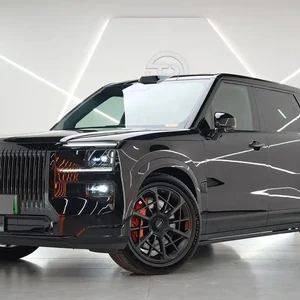
View all listings →Real units currently on ChinaCarDirect with per-unit asking prices and MOQ. Availability updates live from the catalogue.
How to buy a ZEEKR 9x from China
-
1
Define the destination-market use case
Confirm the destination country, required LHD or RHD configuration, typical routes, payload, charging access and applicable approval process before selecting a vehicle.
-
2
Compare exact configurations
Shortlist Standard, Max, Ultra 70kWh or Gloss Black vehicles using verified build sheets covering battery, range, output, drivetrain, seating and charging.
-
3
Review the live vehicle record
Open each exact listing and check its year, trim, condition, mileage, stated Incoterm, MOQ, current price and seller terms.
-
4
Request itemized export quotes
Ask for the vehicle price, inland transport, export documents, freight, insurance and destination charges separated, with any taxes or duties clearly identified.
-
5
Complete the compliance review
Have a customs broker or local specialist confirm type approval, VIN requirements, import charges, registration rules and any charging or software restrictions.
-
6
Contract, inspect and assign VINs
Agree the pro forma invoice, deposit, balance trigger, inspection standard, refund terms and handover records; use a VIN list for multi-vehicle orders.
-
7
Book freight and track clearance
Select the transport mode, Incoterm, insurance and document set, then track securement, export handover, customs clearance, delivery and local registration.
9x vs rivals
| NIO ES8 | This is the closest Chinese premium battery-electric SUV comparison, especially for executive and family transport. NIO may have the advantage where its local service network is stronger, while the ZEEKR 9x should win when its verified configuration and importer support fit the destination better. |
|---|---|
| Li Auto L9 | The L9 serves a similar large premium family-SUV audience but uses a range-extender architecture rather than a pure BEV. It may suit buyers prioritizing different operating habits and cabin-focused utility, while the 9x presents a more fully electric proposition. |
| Tesla Model X | Model X is an established imported-premium EV benchmark with stronger recognition in some markets. The ZEEKR 9x may offer a more China-specific design proposition, but buyers should compare local service access, software support, charging compatibility and resale evidence directly. |
Frequently asked questions
How is the ZEEKR 9x export price determined?
A quote reflects the exact vehicle’s year, trim, battery and options, then adds exchange-rate, inland transport, export documentation, freight, insurance, destination handling, duties and taxes as applicable. Compare the stated Incoterm and ask for an itemized landed estimate. Current per-unit prices are shown on the live ZEEKR 9x listings and should be checked before funds are committed.
What powertrain and range should I expect?
The 9x is a battery-electric SUV, and the export range includes an Ultra Edition identified as 70 kWh. Motor output, drivetrain, usable battery capacity, charging specification and homologated range can vary by exact configuration, so they must be read from the specific listing and build sheet rather than inferred from the trim name.
Should I buy a new or used ZEEKR 9x?
New vehicles offer stronger specification consistency and are easier to align with warranty and homologation files. A used ZEEKR 9x may suit a controlled pilot, but buyers should verify ownership, mileage, service records, accident repair and battery condition, then price inspection and refurbishment separately.
How does MOQ work for the ZEEKR 9x?
MOQ depends on the seller, vehicle lot and listing; it is not a fixed rule for the model. A one-unit request may be possible for some vehicles, while fleet batches may have higher requirements. Read the MOQ on each exact live record and confirm it with the seller before reserving funds or planning consolidation.
What drives ZEEKR 9x shipping time and cost?
Shipping time and cost depend on route, mode, port, vessel space, battery handling, insurance, inland haulage, customs and destination charges. Ocean freight suits containerized batches, while smaller lots may use consolidation or specialist transport. Ask for the charge basis, expected schedule and every cost excluded from the vehicle quote.
Are spare parts available for the ZEEKR 9x?
Do not assume every part is stocked in the export market. Before purchase, request the seller’s parts-support process for diagnostics, high-voltage components, software and warranty claims, including lead times and import channels. For fleet use, identify critical spares and local repair capability.
Is a right-hand-drive ZEEKR 9x available?
RHD availability depends on factory production and the destination market’s approval rules. Check the exact live listing for steering configuration and ask for dashboard, VIN and production evidence; if unavailable, obtain a factory lead time and regulatory advice before considering conversion.
How do I buy a ZEEKR 9x from China?
Start with the live ZEEKR 9x inventory, shortlist exact configurations, and request a written quote covering Incoterm, MOQ, payment milestones, documents and freight scope. After technical and market approval, agree the pro forma invoice, inspection and handover process, then book shipping and customs clearance.
Ready to source the ZEEKR 9x?
Request a destination-specific ZEEKR 9x quote and confirm the exact vehicle, compliance scope, Incoterm, payment milestones and freight basis with ChinaCarDirect.
Request a quote